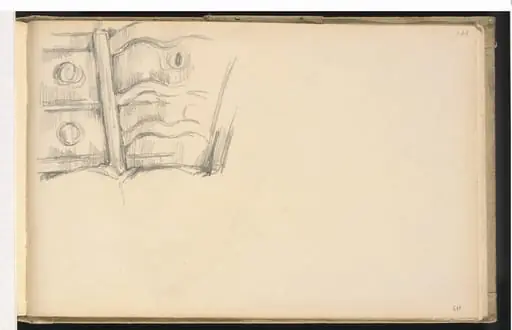
Artwork
Man Bending Forward
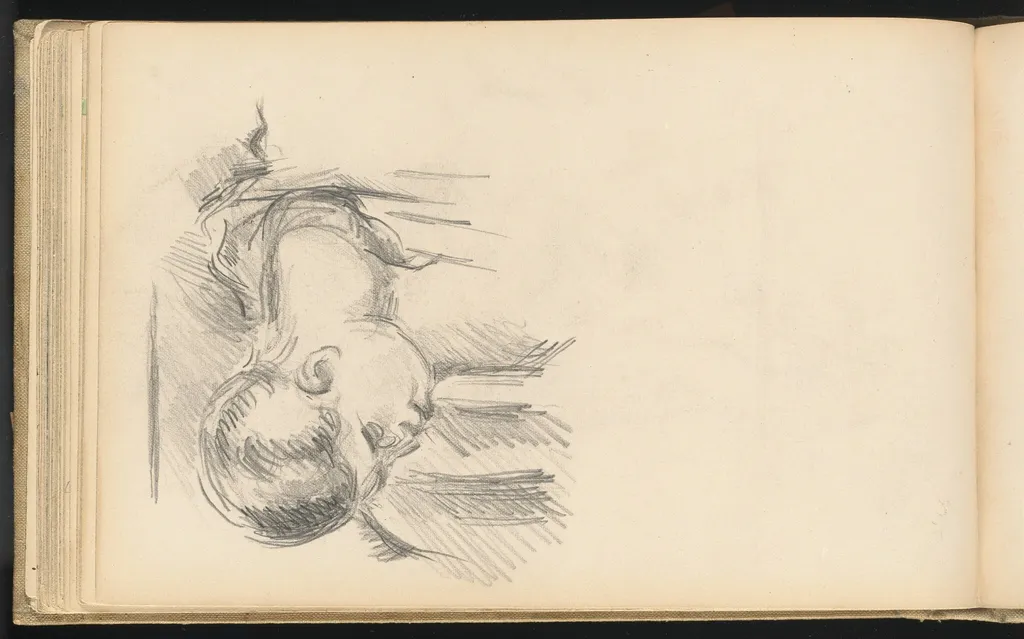
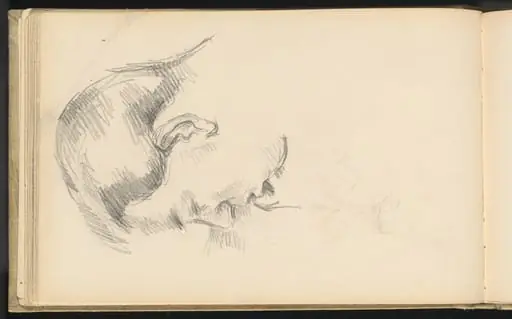
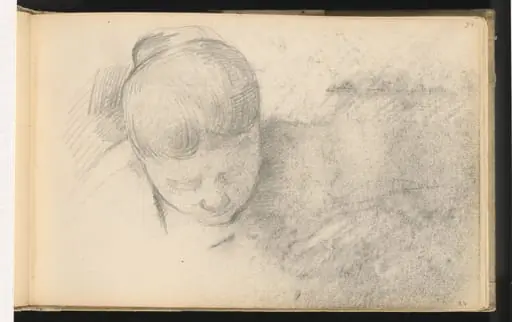
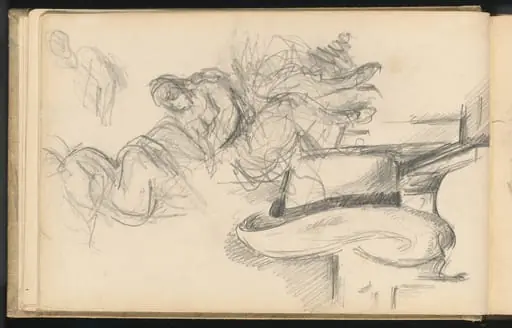
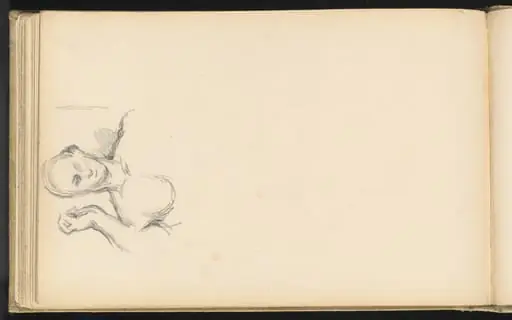
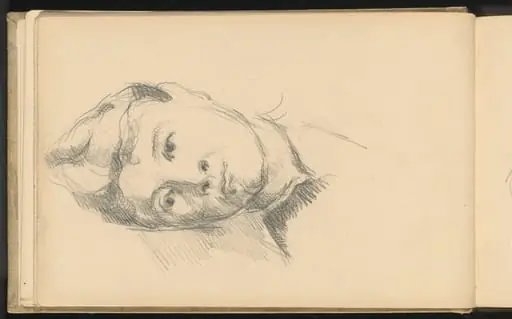
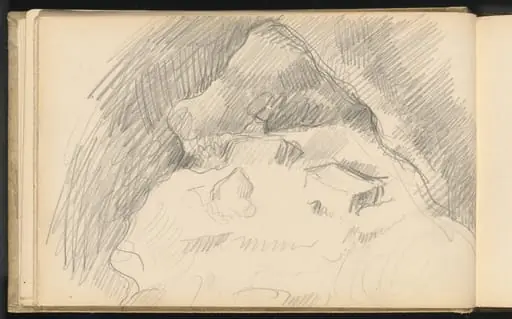
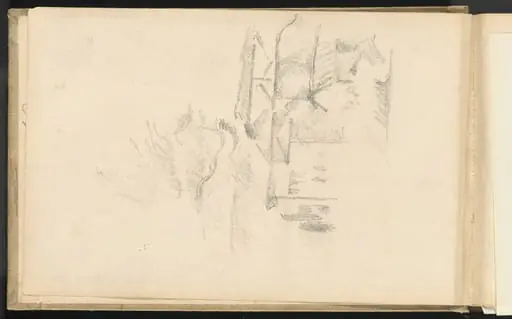
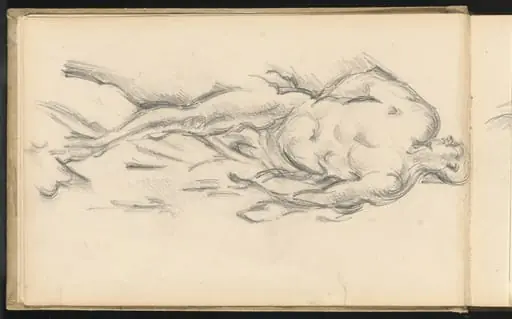
Man Bending Forward is a graphite drawing by the Impressionist artist Paul Cezanne. It dates from 1884 and is held in the collection of the National Gallery of Art. Created in 1884, this graphite drawing by Paul Cézanne depicts a male figure in a forward-bending posture.
About this work
Overview
Unlike his painted works, this drawing emphasizes line and tonal gradation over color, serving as a private exploration of form.
Created in 1884, this graphite drawing by Paul Cézanne depicts a male figure in a forward-bending posture. Executed on wove paper, the piece belongs to a series of figure studies Cézanne produced during his middle period, reflecting his interest in anatomical structure and weight distribution. Unlike his painted works, this drawing emphasizes line and tonal gradation over color, serving as a private exploration of form.
Subject & Meaning
The figure, anonymous and undressed, engages in a simple, repetitive motion—bending forward—which suggests physical labor or a moment of introspection. Cézanne avoids narrative detail, focusing instead on the body’s geometry and balance. The lack of context invites contemplation of the human form in motion, aligning with his broader aim to capture essential structure rather than anecdote.
Technique & Style
Cézanne uses controlled graphite strokes to model the figure’s musculature, building volume through layered hatching and subtle shifts in pressure. The wove paper’s smooth surface allows for fine gradations, while the absence of erasure or correction reveals a direct, observational approach. His lines are deliberate, avoiding flourish in favor of structural clarity, a hallmark of his mature draftsmanship.
History & Provenance
The drawing was likely made during Cézanne’s time in Provence, where he frequently studied the human figure in isolation. It remained in his personal collection until his death in 1906, later entering a private collection before being acquired by a public institution. Its survival as a study rather than a finished work underscores its role in his artistic process.
Context
In the 1880s, Cézanne distanced himself from Impressionist spontaneity, turning toward disciplined figure studies to achieve permanence in form. This drawing reflects his engagement with classical sculpture and Renaissance draftsmanship, even as he sought to redefine them through personal observation. Such studies were foundational to his later paintings, bridging sketch and composition.
Legacy
This drawing exemplifies Cézanne’s influence on modern art’s shift toward structural abstraction. Artists such as Picasso and Braque later cited his figure studies as crucial to developing Cubism. Though modest in scale and medium, the work’s analytical rigor helped redefine the role of drawing in 20th-century art, moving it from preparatory tool to independent expression.
Artist & collection
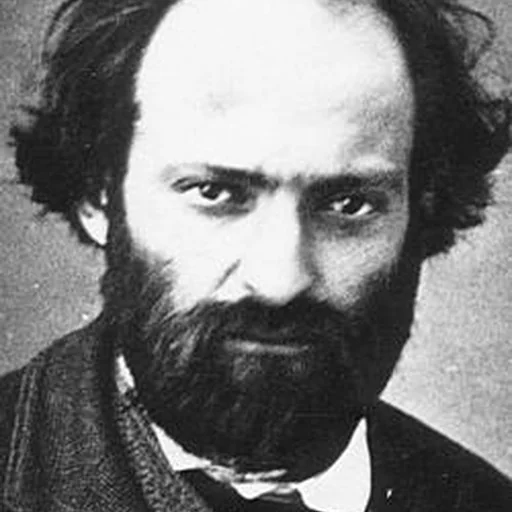
Artist
Paul Cézanne was born on January 19, 1839, in Aix-en-Provence, the son of a hatter turned wealthy banker.

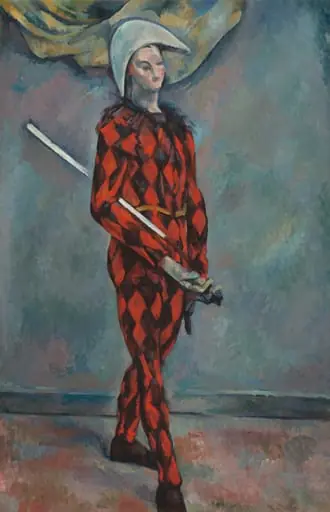 Harlequin
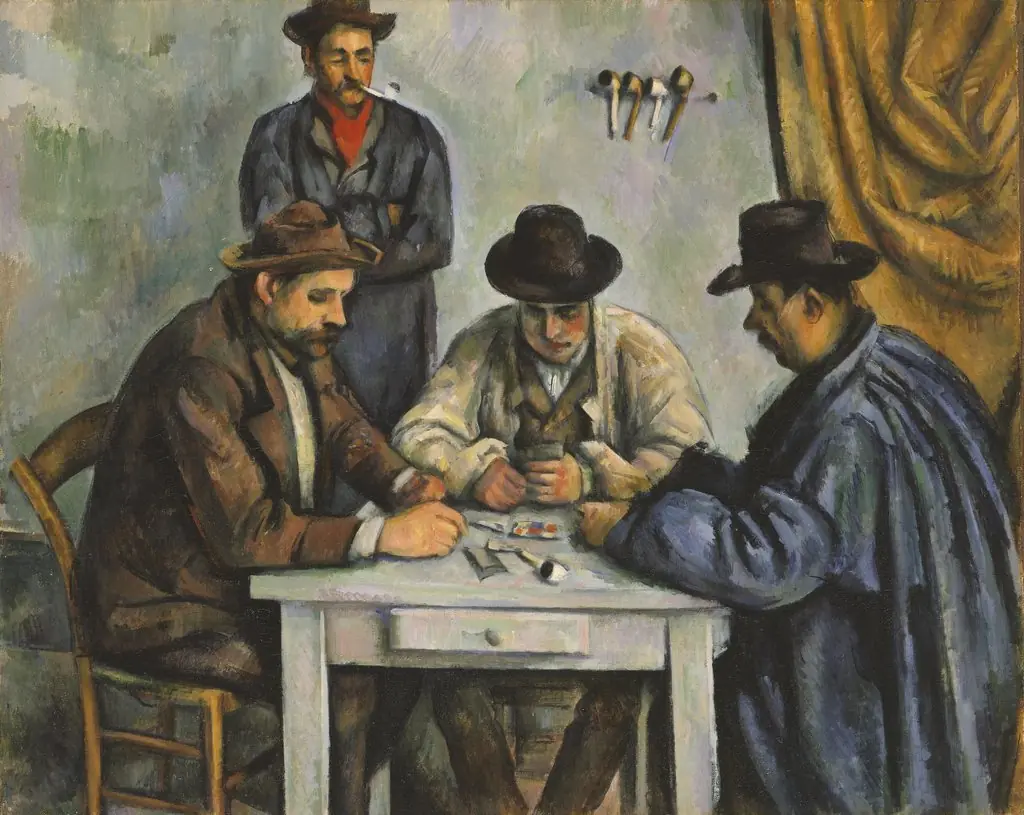 The Card Players
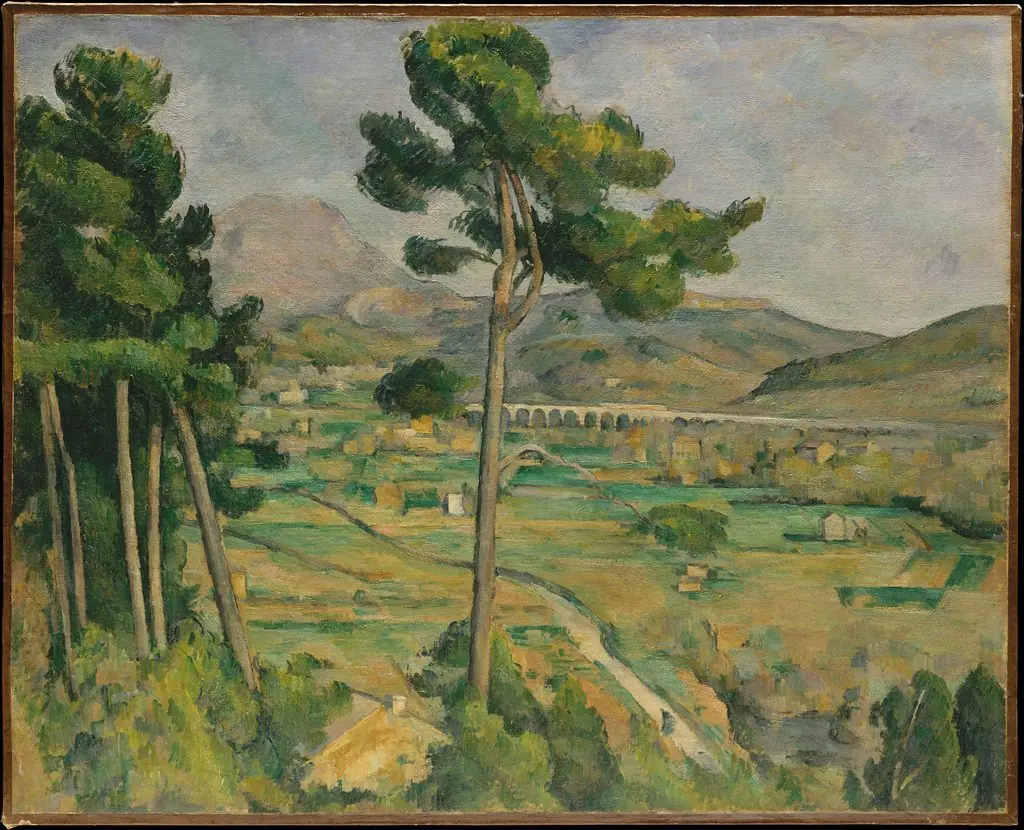 Mont Sainte-Victoire and the Viaduct of the Arc River Valley
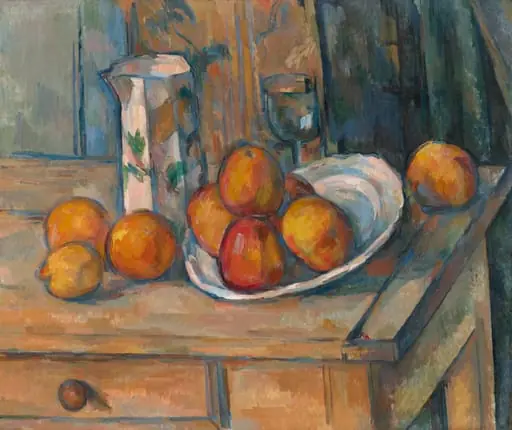 Still Life with Milk Jug and Fruit
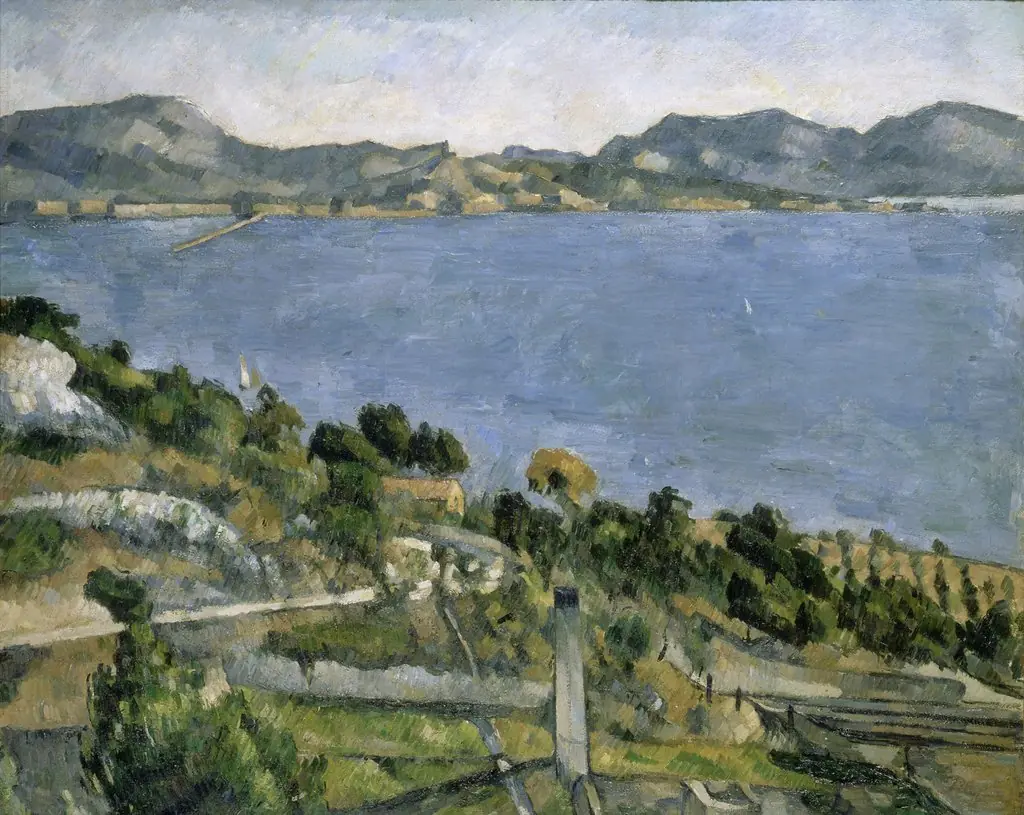 Le Golfe de Marseille vu de l'Estaque (The Gulf of Marseille Seen from L'Estaque)
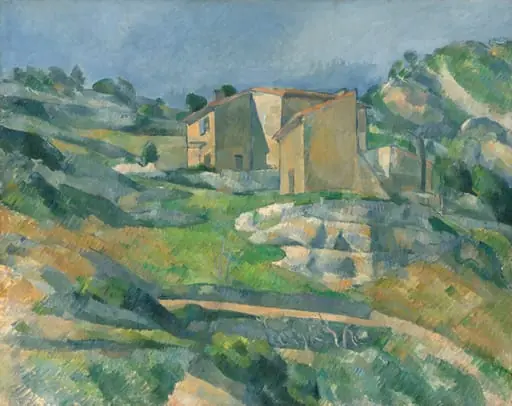 Houses in Provence: The Riaux Valley near L'Estaque
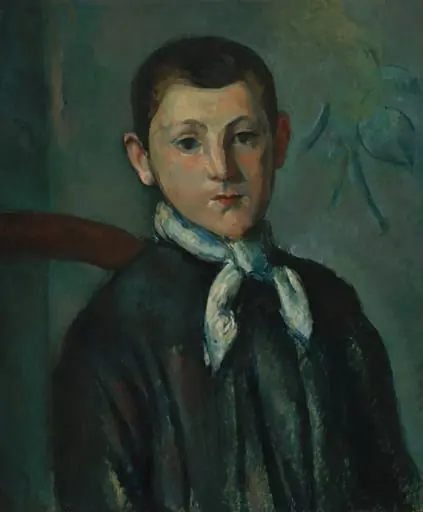 Louis Guillaume
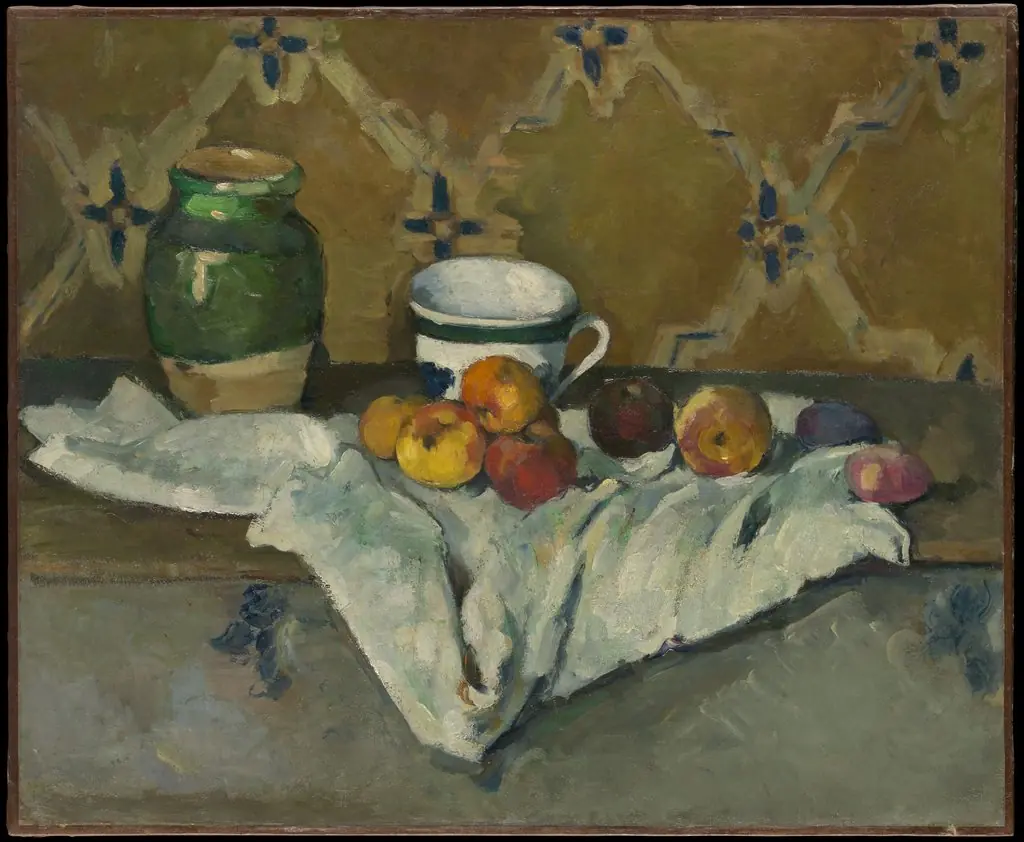 Still Life with Jar, Cup, and Apples