Artwork
Dead Game
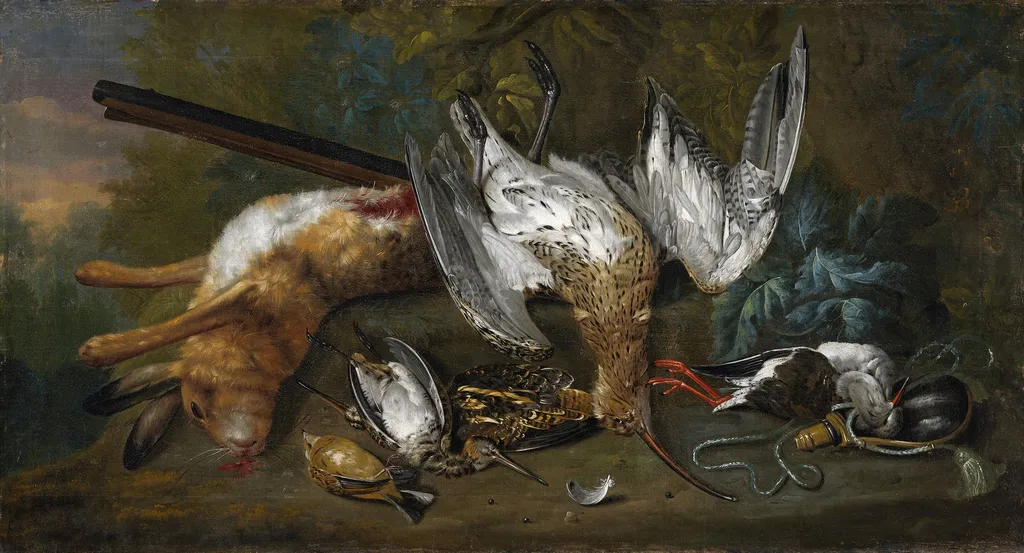
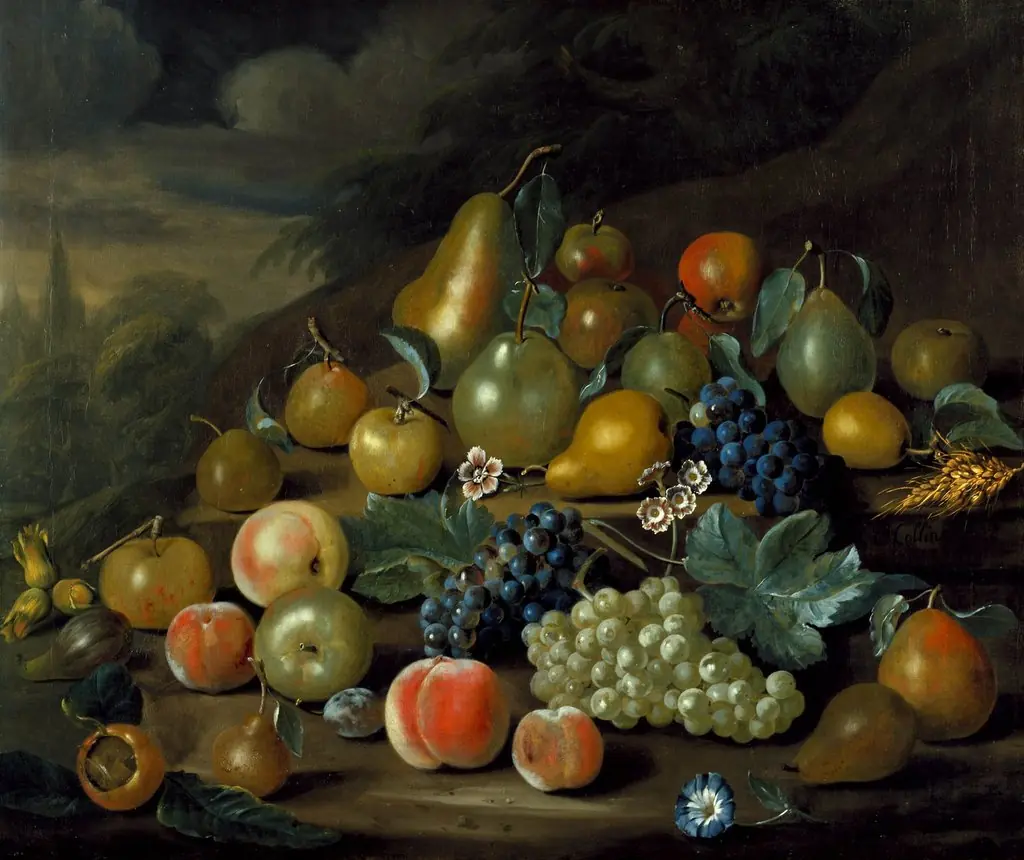
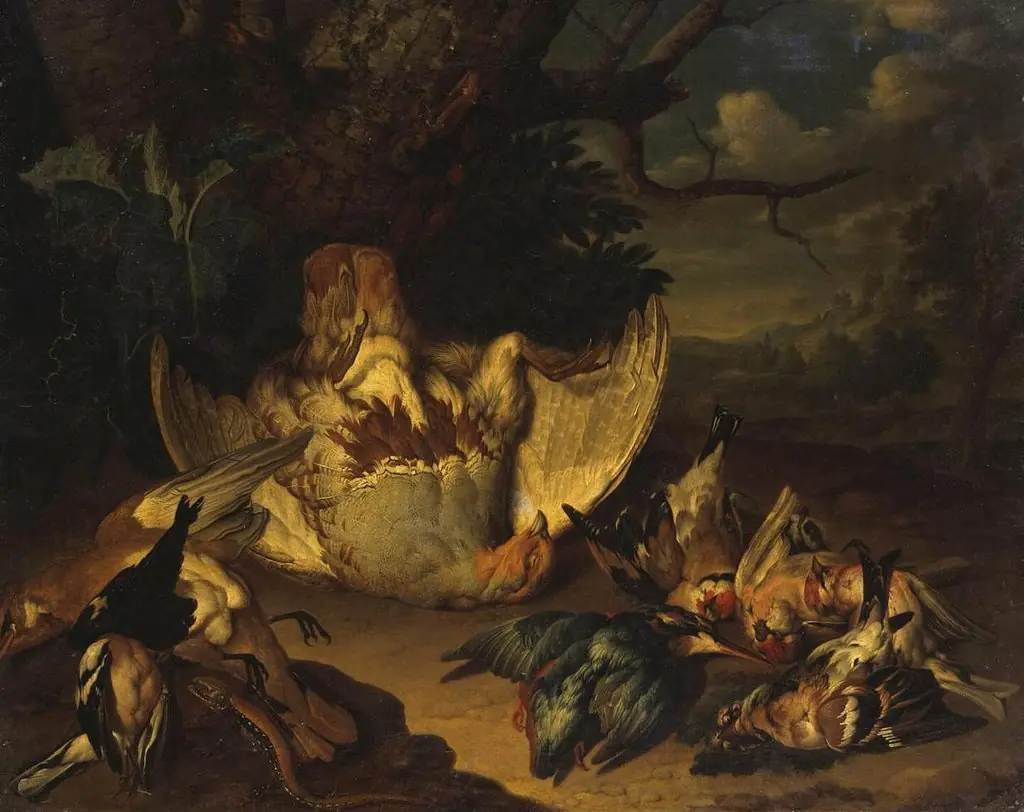
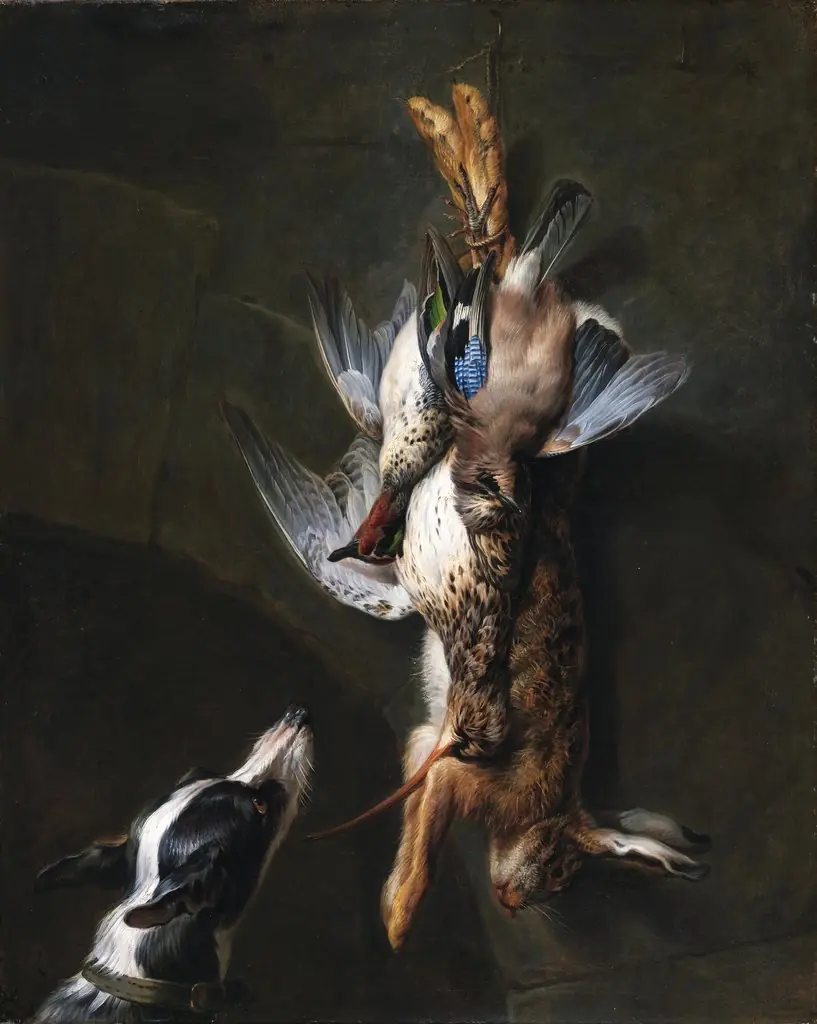
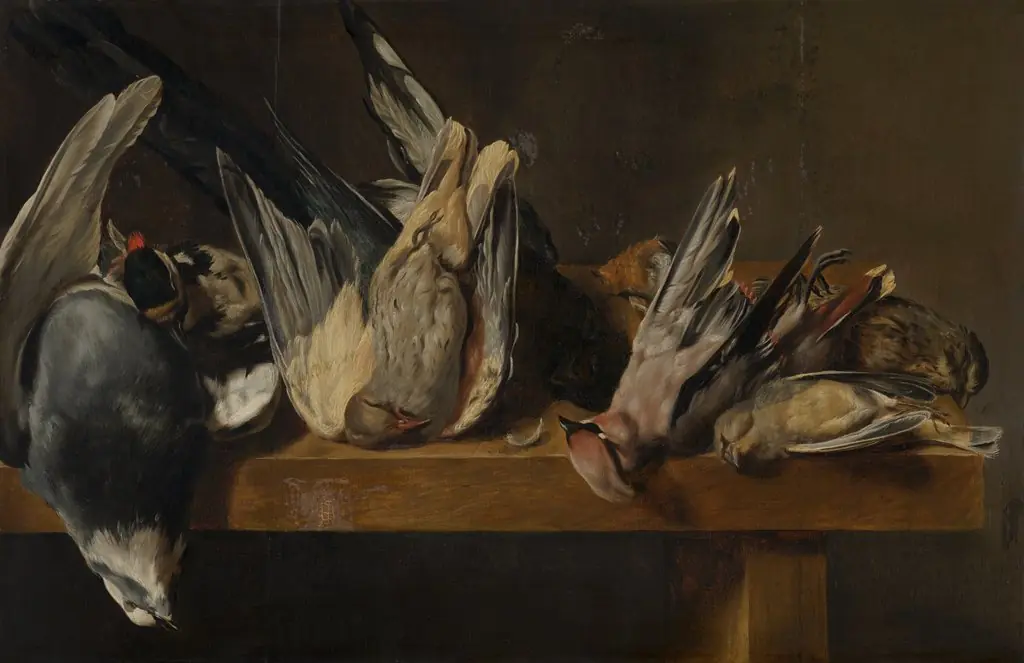
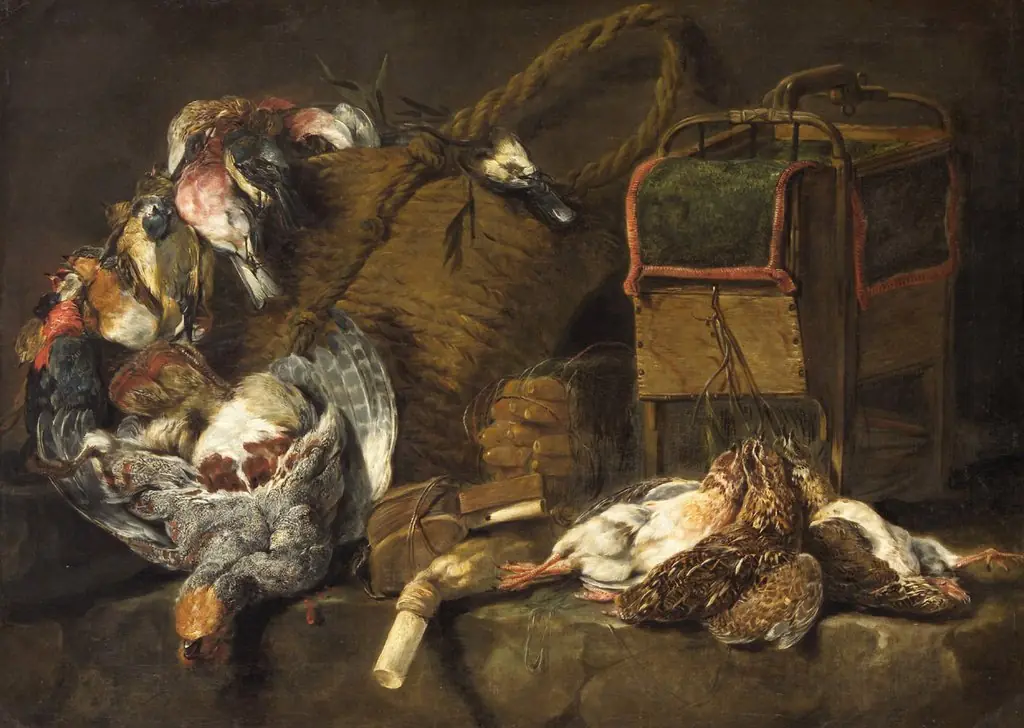
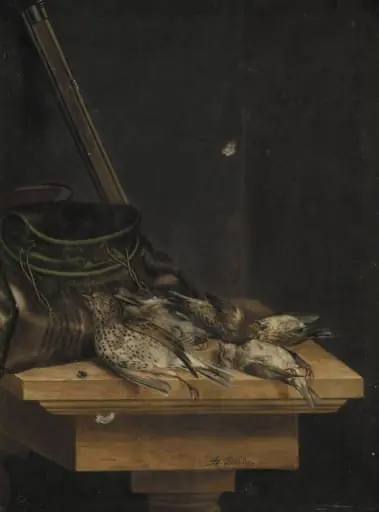
Dead Game is an oil painting by the Rococo painting artist Charles Collins. It dates from 1730 and is held in the collection of the National Gallery of Ireland.
About this work
Overview
It belongs to a genre popular in early 18th-century Europe that celebrated the spoils of the hunt, rendered with careful attention to texture and naturalism.
Painted in 1730 by Irish artist Charles Collins, *Dead Game* is an oil-on-canvas still life depicting hunted animals arranged on the forest floor. It belongs to a genre popular in early 18th-century Europe that celebrated the spoils of the hunt, rendered with careful attention to texture and naturalism. The work reflects the quiet elegance of Rococo sensibilities, balancing realism with a restrained composition.
Subject & Meaning
The painting presents a rabbit and several birds, their bodies laid out as if recently retrieved from the wild. A hunting gun rests against the pile, suggesting the moment after the chase has ended. Rather than glorifying violence, the scene evokes stillness and loss, inviting contemplation of nature’s fragility and the human role within it. The absence of human figures heightens the sense of quiet aftermath.
Technique & Style
Collins employed fine brushwork to render the intricate textures of fur and feathers, capturing subtle variations in tone and light. The palette is dominated by earthy browns, muted greens, and soft grays, creating a somber, naturalistic atmosphere. The background, rendered with loose, atmospheric strokes, suggests a wooded landscape without distracting from the foreground subjects, reinforcing the painting’s focus on material detail and spatial depth.
History & Provenance
The painting has remained in institutional hands since at least the 19th century and is now part of the National Gallery of Ireland’s collection. While little is documented about its early ownership, its preservation suggests it was valued within Irish or British collections of naturalistic art. Collins’s reputation as a specialist in animal and still-life subjects contributed to its continued recognition among connoisseurs of 18th-century British and Irish painting.
Context
In early 18th-century Britain and Ireland, still lifes of game were common among the landed classes, reflecting both leisure pursuits and social status. Collins’s work aligns with a tradition that included Dutch and Flemish predecessors, yet his approach is less ornate and more subdued. The painting reflects a shift toward naturalism and away from the overt opulence of earlier still-life conventions, mirroring broader aesthetic changes in the period.
Legacy
Though not widely known today, Charles Collins’s *Dead Game* stands as a representative example of provincial British-Irish still-life painting. Its quiet realism and attention to organic detail influenced later artists interested in natural observation. The work remains a quiet testament to the genre’s capacity to convey more than mere display—offering a contemplative view of mortality and the natural world.
Artist & collection
Artist
Charles Collins (c. 1680 – 1744) was an Irish painter. Collins was primarily a painter of animals and still life. He was one of the first still life artists in Britain of great quality, following the tradition of…