Artwork
On the Beach, Newlyn, Penzance, England
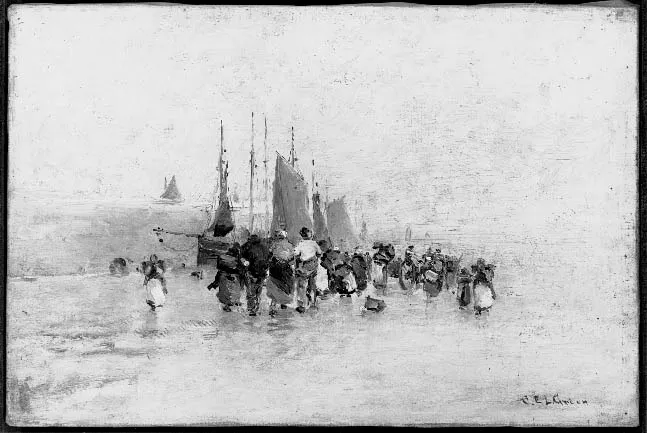
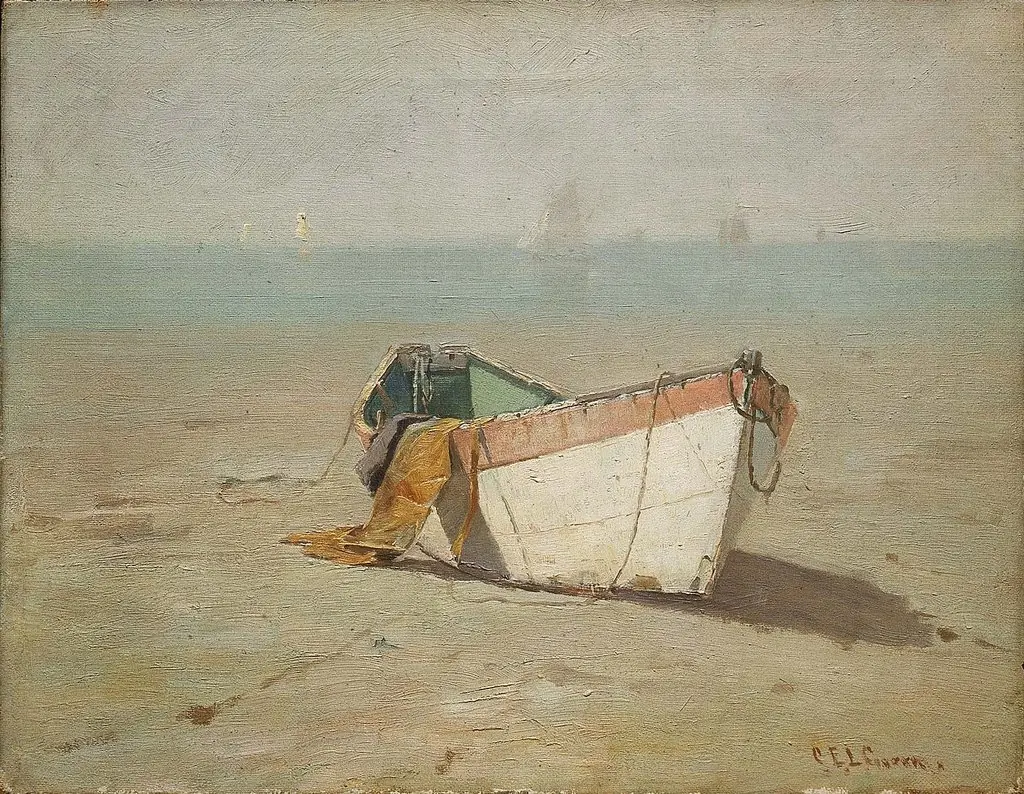
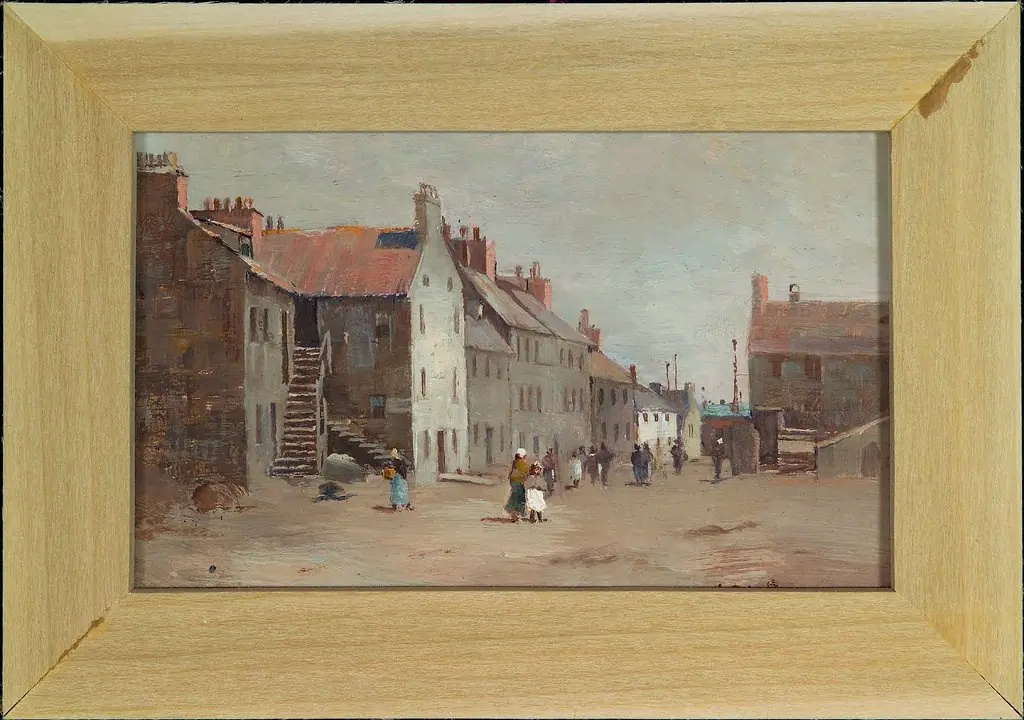
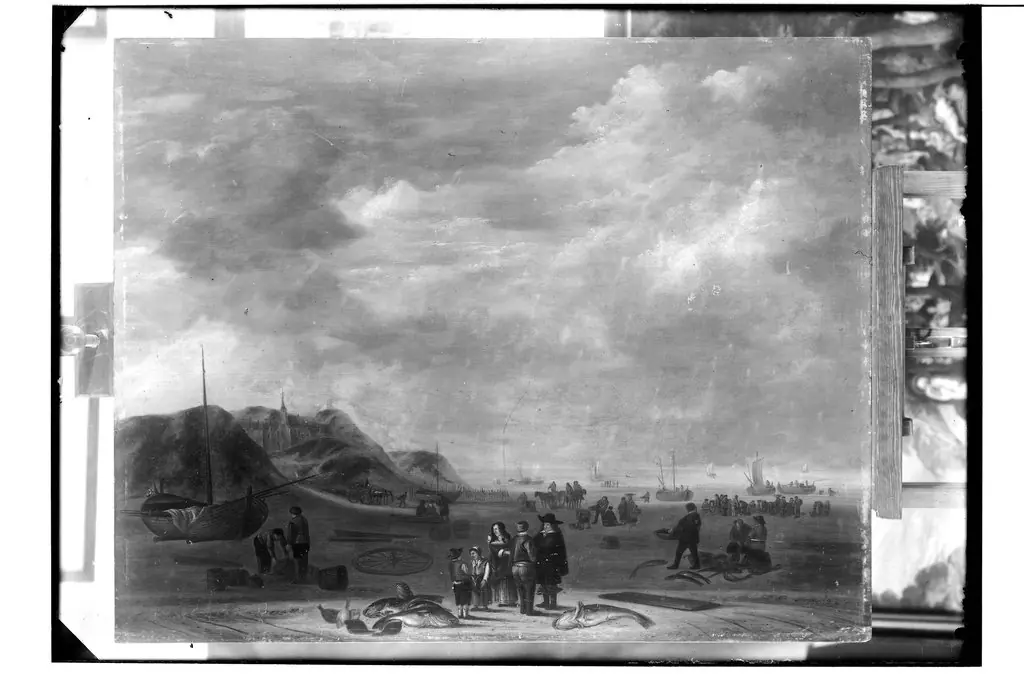
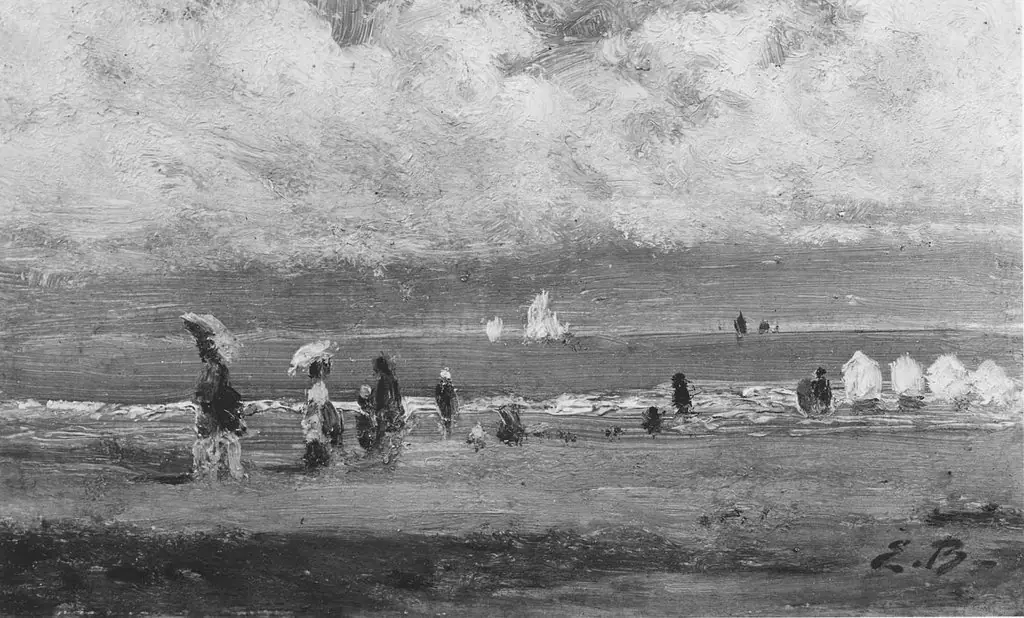
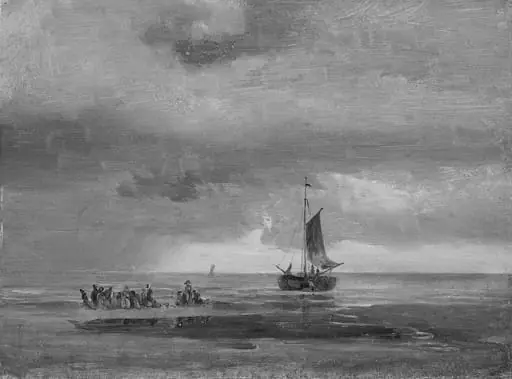
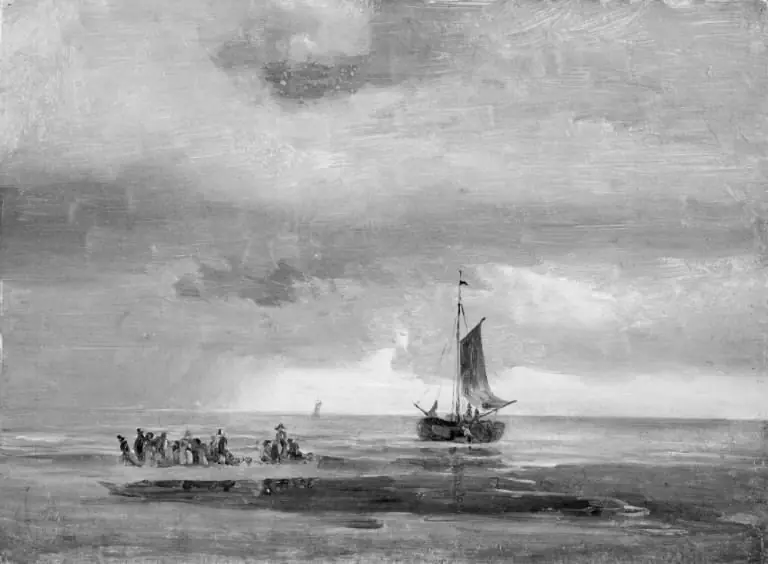
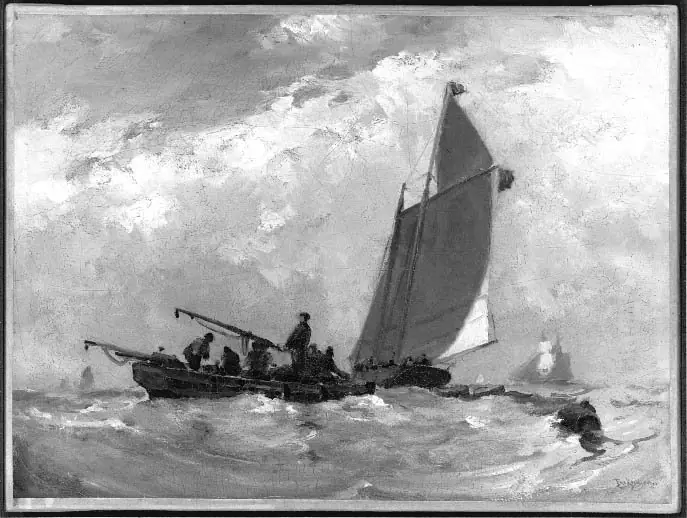
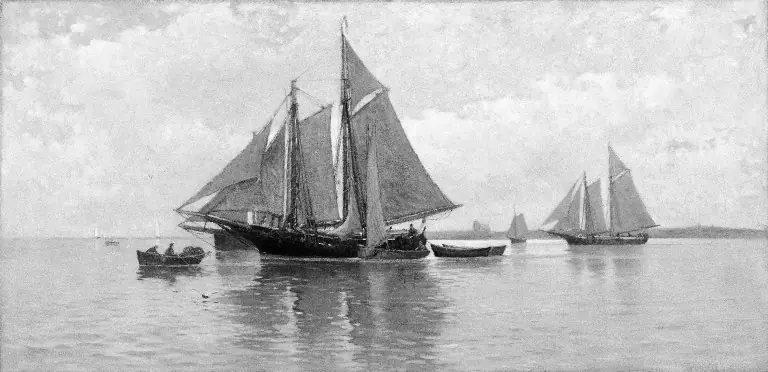
On the Beach, Newlyn, Penzance, England is an oil painting by Charles Edwin Lewis Green. It dates from 1889 and is held in the collection of the Museum of Fine Arts Boston.
About this work
Overview
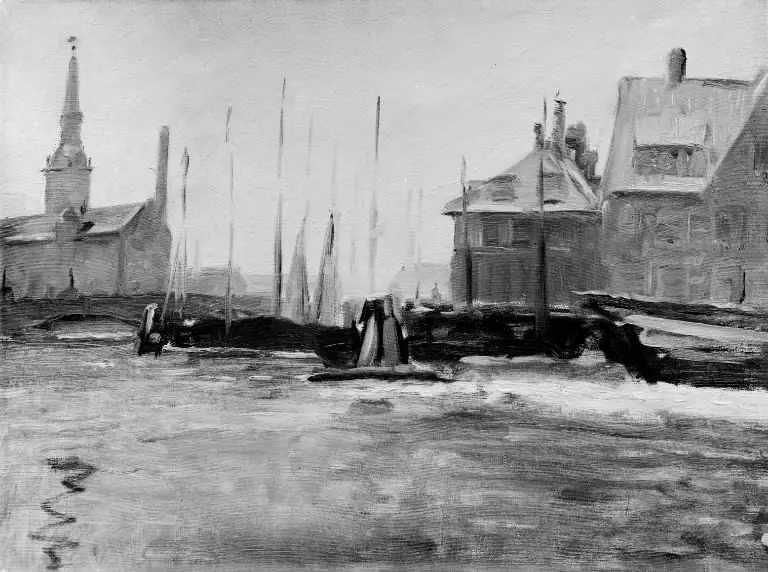
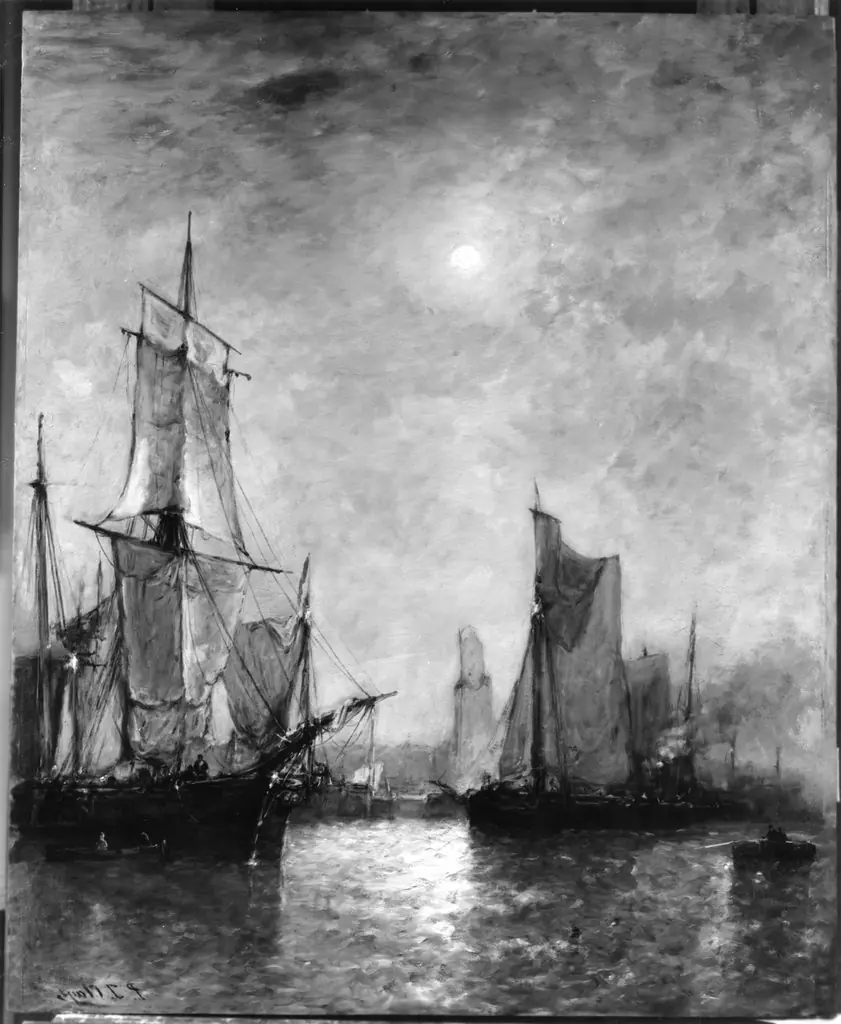
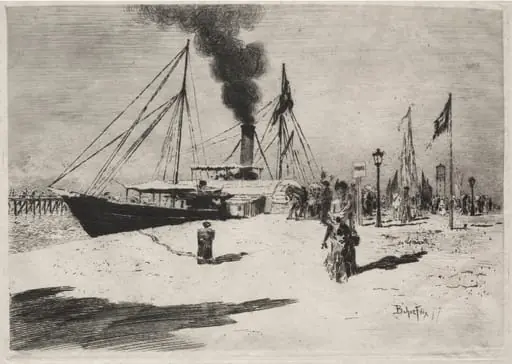
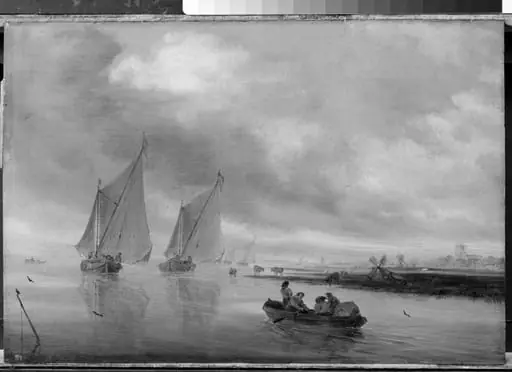
Painted around 1889 by Charles Edwin Lewis Green, this oil work captures a quiet moment on the shore at Newlyn, a fishing village in Cornwall.
Painted around 1889 by Charles Edwin Lewis Green, this oil work captures a quiet moment on the shore at Newlyn, a fishing village in Cornwall. The scene is unembellished, focusing on ordinary figures engaged in daily routines along the shoreline. It resides in the collection of the Museum of Fine Arts, Boston, where it is displayed as part of a broader examination of late 19th-century British coastal life.
Subject & Meaning
The painting portrays a group of villagers—fishermen, women, and children—on the beach, their postures and interactions suggesting routine rather than spectacle. Boats rest near the water’s edge, hinting at the community’s dependence on the sea. There is no dramatic narrative; instead, the work conveys the quiet rhythm of coastal existence, grounded in labor and shared space.
Technique & Style
Green employs visible brushwork to model form and texture, avoiding smooth finishes in favor of tactile surfaces. The palette contrasts cool blues and grays of the sea and sky with warmer earth tones in clothing and sand. Light falls naturally across the figures, suggesting direct observation, though the handling avoids the heightened contrasts of chiaroscuro, favoring a more subdued, observational realism.
History & Provenance
Created during Green’s time in Newlyn, a hub for artists drawn to its light and working-class subjects, the painting entered the Museum of Fine Arts, Boston’s collection in the early 20th century. Its acquisition reflects the museum’s interest in British genre painting of the period. No significant alterations or documented restorations are recorded for the work.
Context
Newlyn was a center for the Newlyn School, a group of artists committed to painting rural and maritime life with honesty. Green’s work aligns with this movement’s ethos, rejecting idealization in favor of direct observation. His painting shares affinities with contemporaries like Stanhope Forbes and Lamorna Birch, who also depicted the daily rhythms of Cornish coastal communities.
Legacy
Though not widely reproduced, the painting contributes to the historical record of British realist painting. It remains a quiet example of how regional artists captured the dignity of ordinary life without romanticism. Its presence in Boston underscores the transatlantic appreciation for late-Victorian British genre scenes during the early 1900s.
Artist & collection