Artwork
The Winter Garden
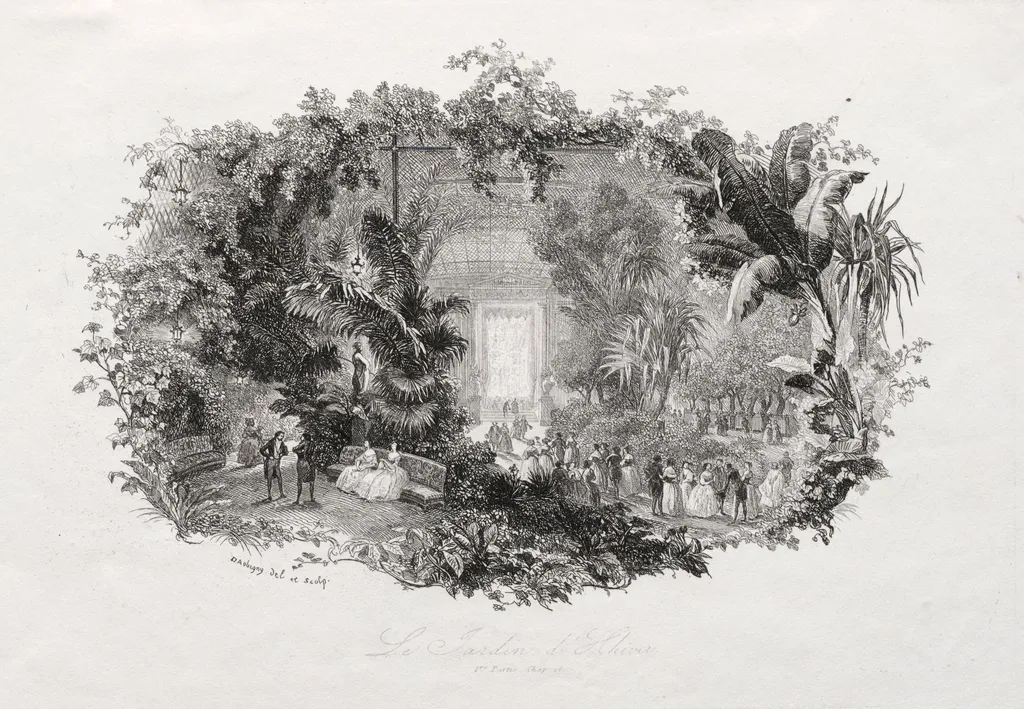
The Winter Garden is a print by the Romanticist artist Charles François Daubigny. It dates from 1842 and is held in the collection of the Cleveland Museum of Art.
About this work
Overview
Executed in oil, it captures a solitary figure in a bare winter setting, reflecting Daubigny’s early interest in naturalism and mood over grandeur.
Created in 1842, *The Winter Garden* is an early work by Charles François Daubigny, a French artist linked to the Barbizon school. Though later known for river scenes and printmaking innovations, this piece reveals his initial focus on quiet, intimate landscapes. Executed in oil, it captures a solitary figure in a bare winter setting, reflecting Daubigny’s early interest in naturalism and mood over grandeur.
Subject & Meaning
A lone man sits motionless in a desolate garden, hands resting on his knees, gaze lowered. Bare trees and a low stone wall enclose the space, emphasizing isolation. The muted tones and stillness suggest introspection or melancholy, not narrative. The scene avoids idealization, presenting winter not as picturesque but as a quiet, enduring condition—consistent with Barbizon values of observing nature without embellishment.
Technique & Style
Daubigny employed loose, economical brushwork to convey the chill and stillness of the season. Colors are subdued—dull browns, pale grays, and muted greens—avoiding dramatic contrasts. The sky is washed with thin washes, and the grass appears brittle under a weak winter sun. His handling suggests immediacy, as if the scene was observed directly, a hallmark of emerging naturalist practice in mid-19th-century French painting.
History & Provenance
Painted early in Daubigny’s career, before his river studies and etchings gained prominence, *The Winter Garden* remained in private hands until entering the Cleveland Museum of Art’s collection. Its preservation offers insight into his artistic development, bridging his academic training and later plein-air tendencies. The work’s survival is notable, as many early pieces by Barbizon artists were lost or altered over time.
Context
In the 1840s, French artists began rejecting historical and mythological themes in favor of rural life observed firsthand. Daubigny, alongside peers like Millet and Rousseau, sought truth in ordinary landscapes. *The Winter Garden* aligns with this shift, presenting a modest, unromanticized moment in nature—part of a broader movement that valued direct experience over studio convention.
Legacy
Though less celebrated than his later river scenes, this early work demonstrates Daubigny’s foundational commitment to atmospheric realism. Its quiet intensity influenced younger artists exploring mood and light in nature, contributing to the transition toward Impressionism. The painting remains a quiet testament to the Barbizon school’s emphasis on sincerity over spectacle.
Artist & collection
Artist
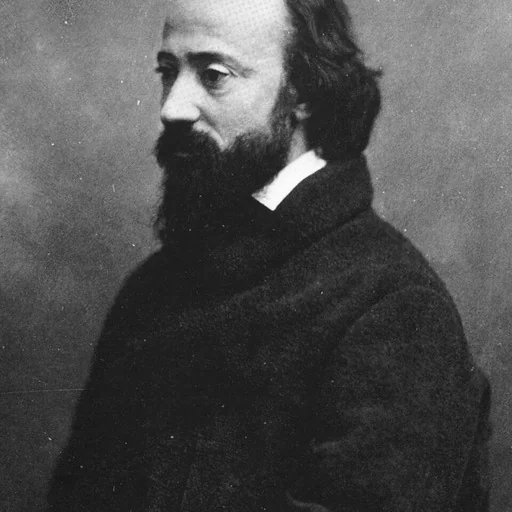
Charles-François Daubigny ( DOH-bin-yee, US: DOH-been-YEE, doh-BEEN-yee, French: ; 15 February 1817 – 19 February 1878) was a French painter, one of the members of the Barbizon school, and is considered an important precursor of…

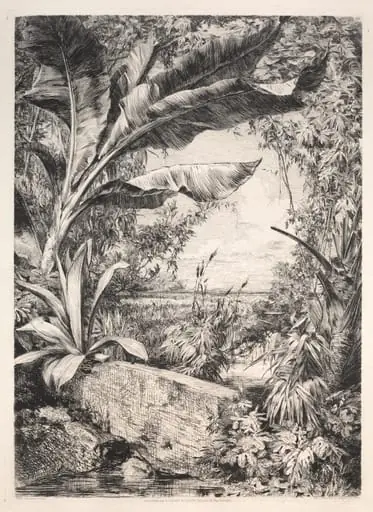 Plants of the Greenhouse
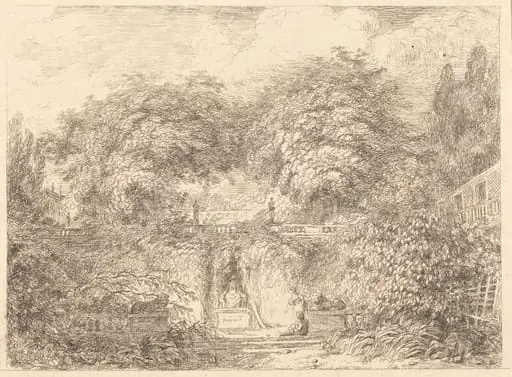 The Little Park (Le petit parc)
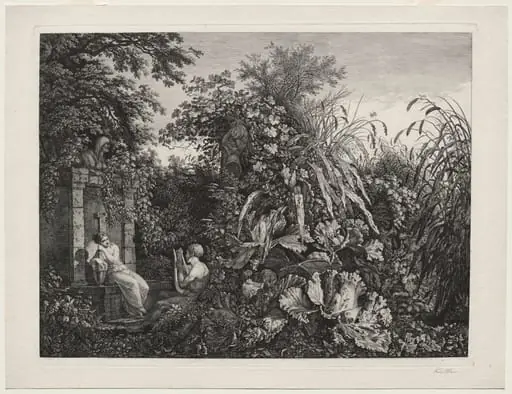 Youth Playing a Lyre to a Maiden by a Fountain
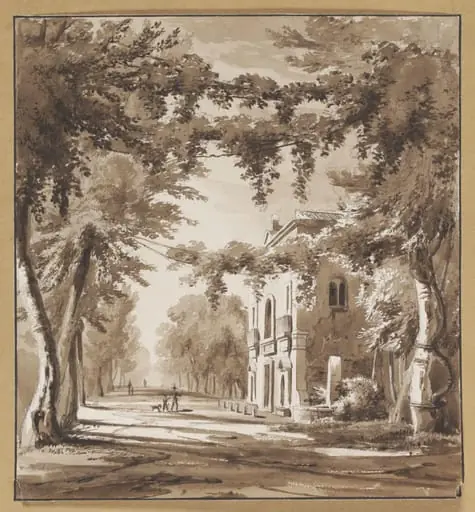 Petit eglise que e trouve sur le chemin da Puzzuoli (sic)
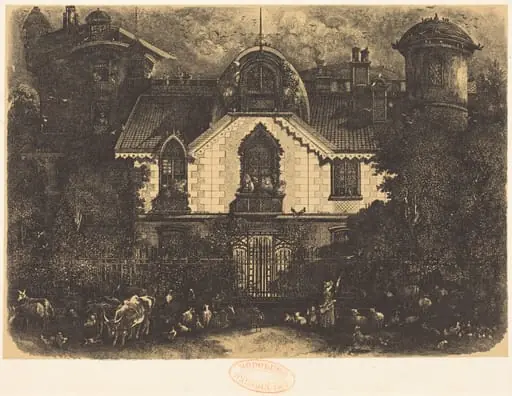 La Maison Enchantée (The Haunted House)
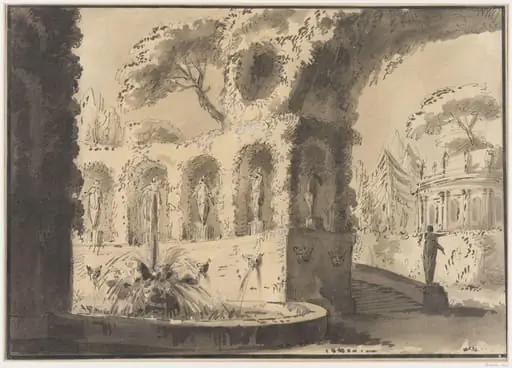 Landscape
 Entrance of the Temple of Serapis at Pozzuoli
 La Mariee de Village (The Village Bride)
 Plants and Ivies by a Stream
 In my Bordeaux Garden
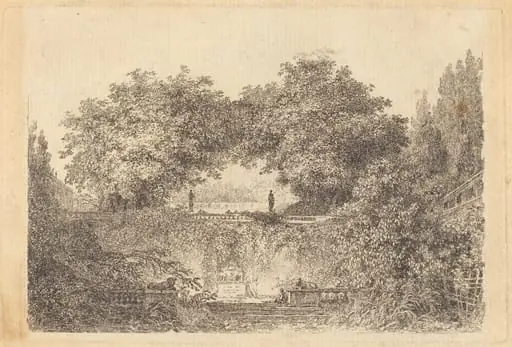 Le Petit Parc
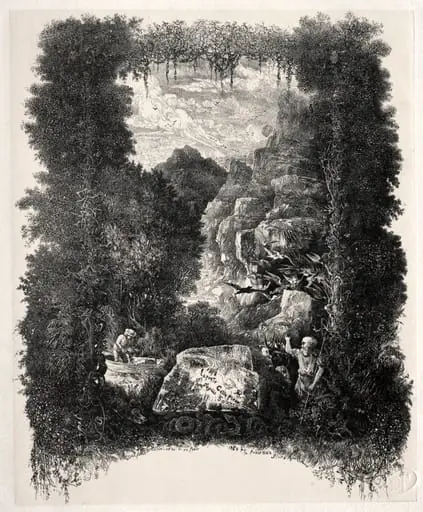 First frontispiece for Fables and Fairy-Tales by Thierry-Faletans