Artwork
Sheep
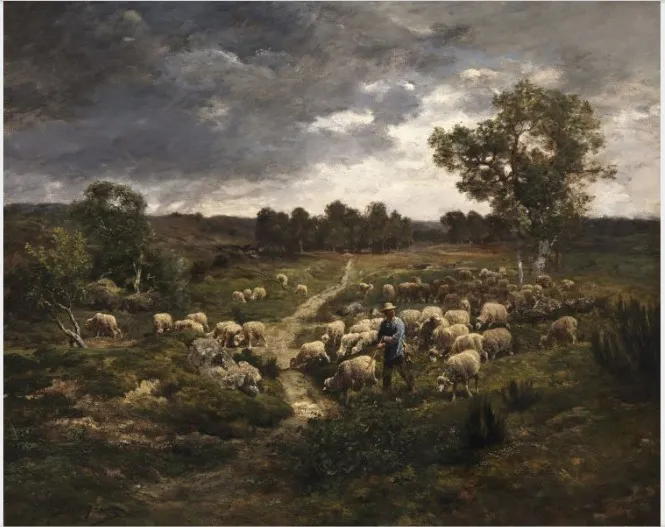
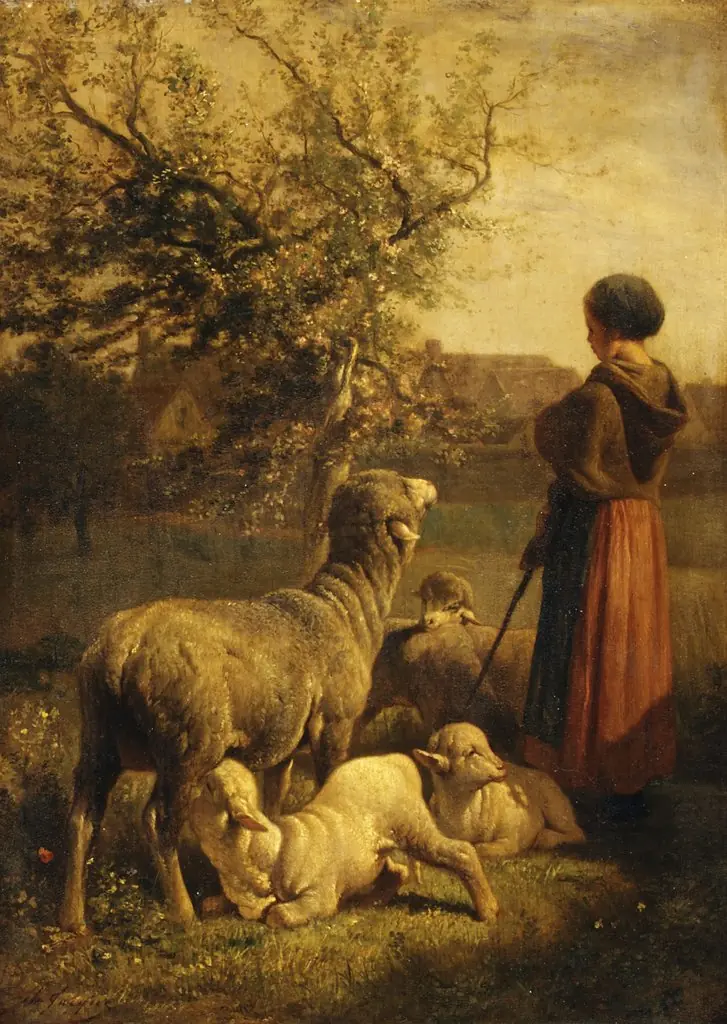
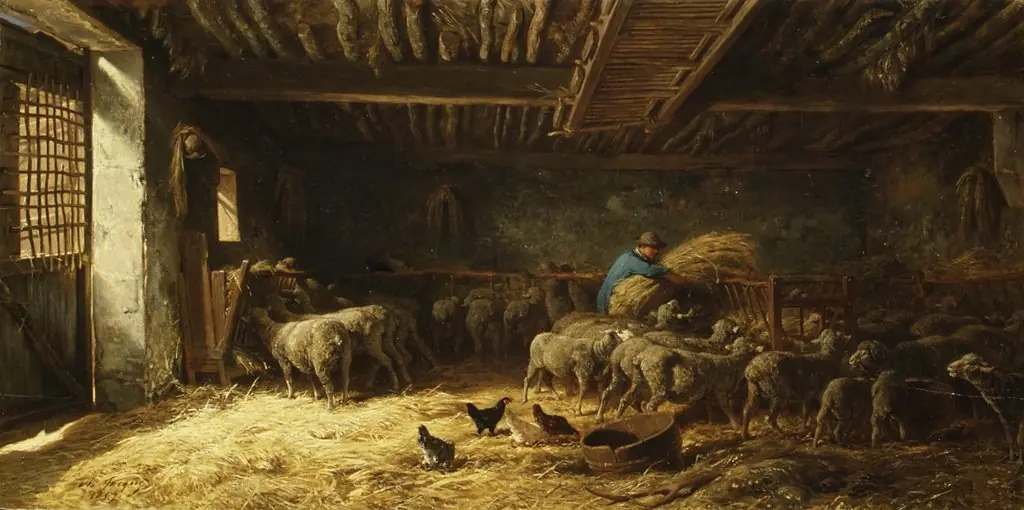
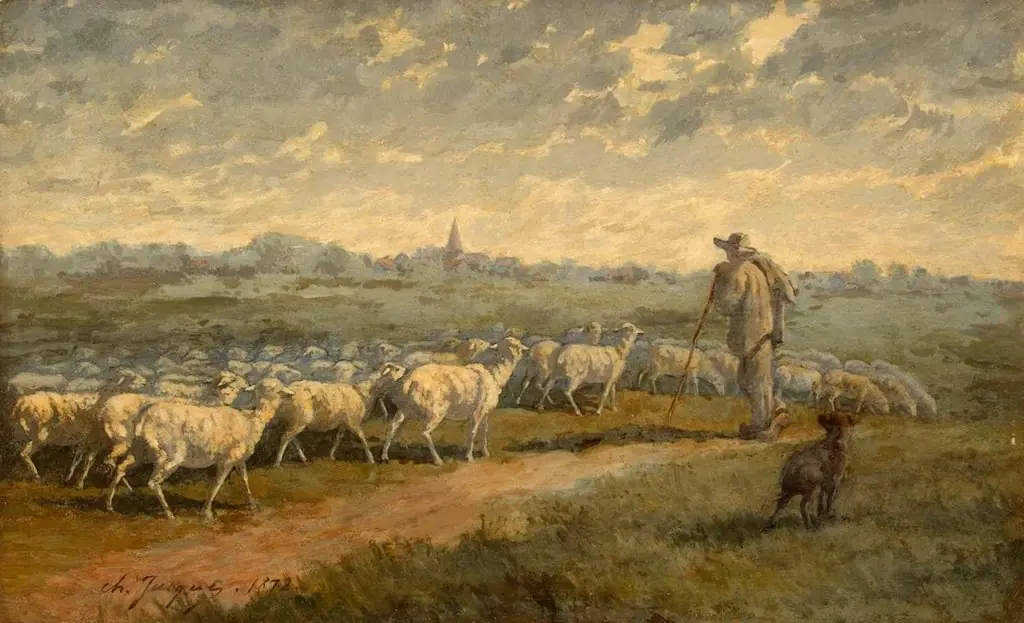
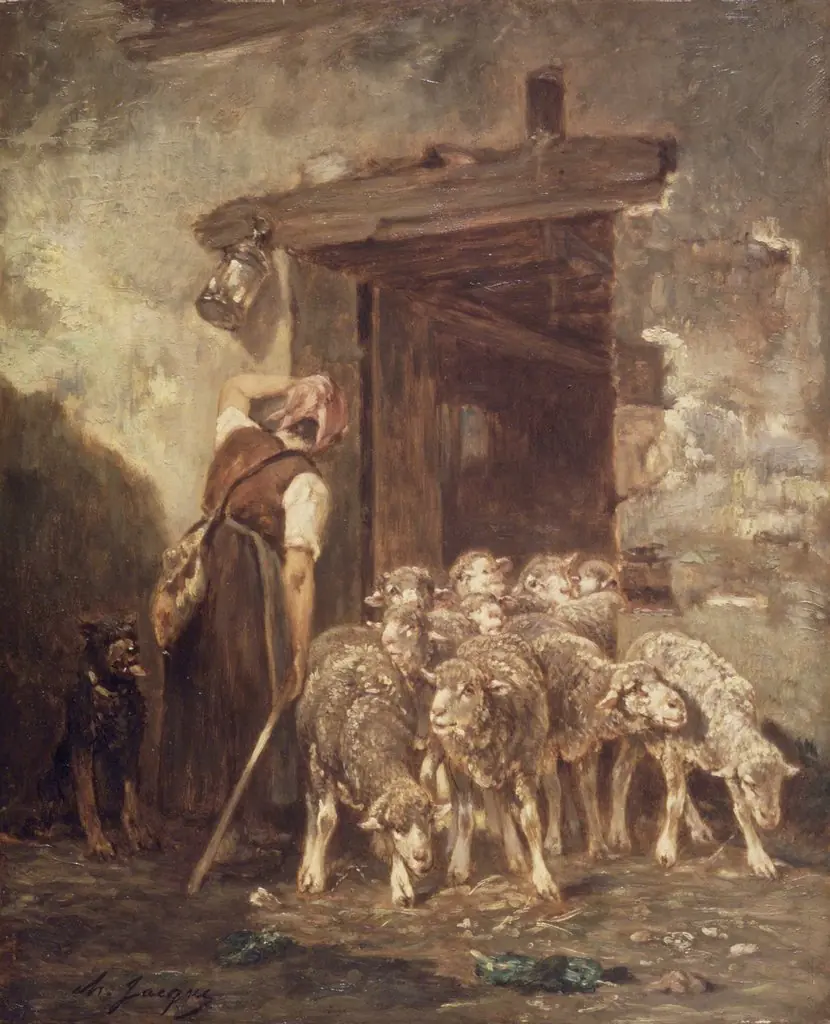
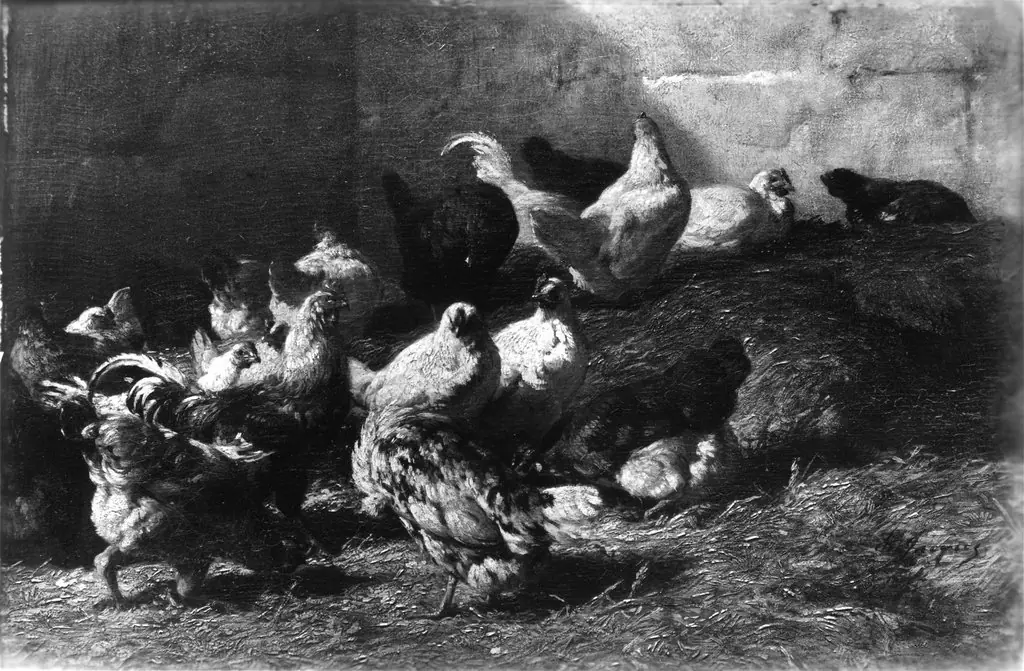
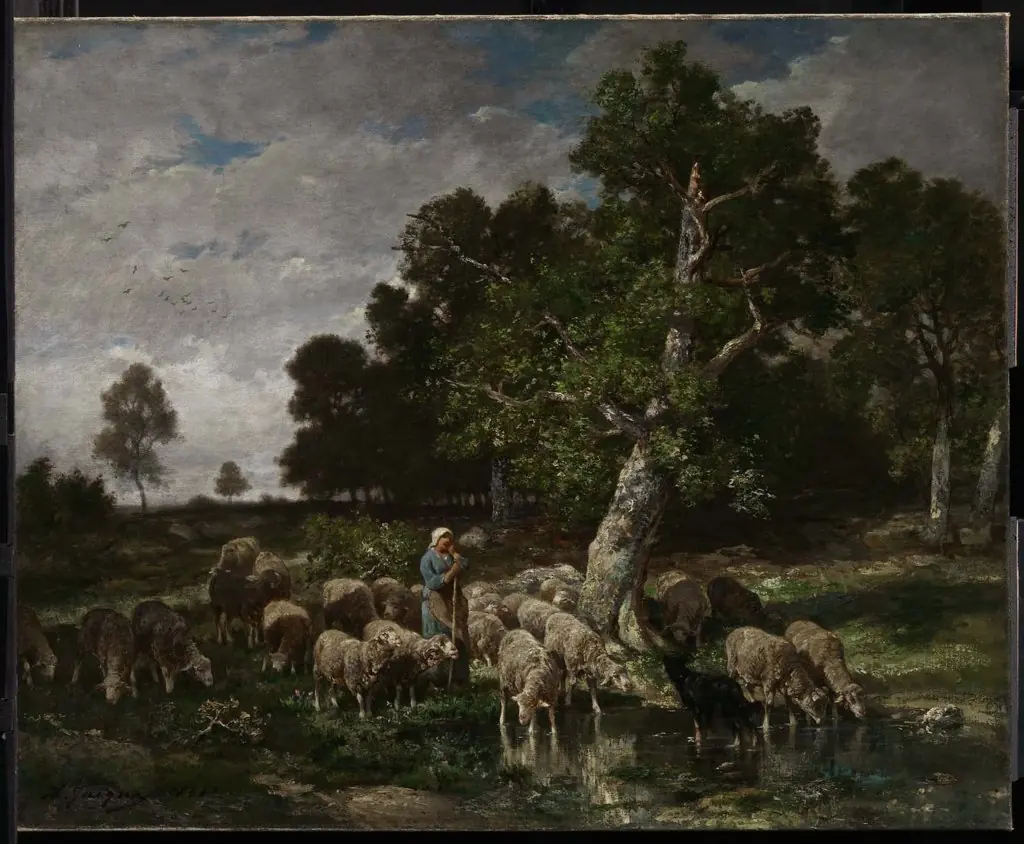
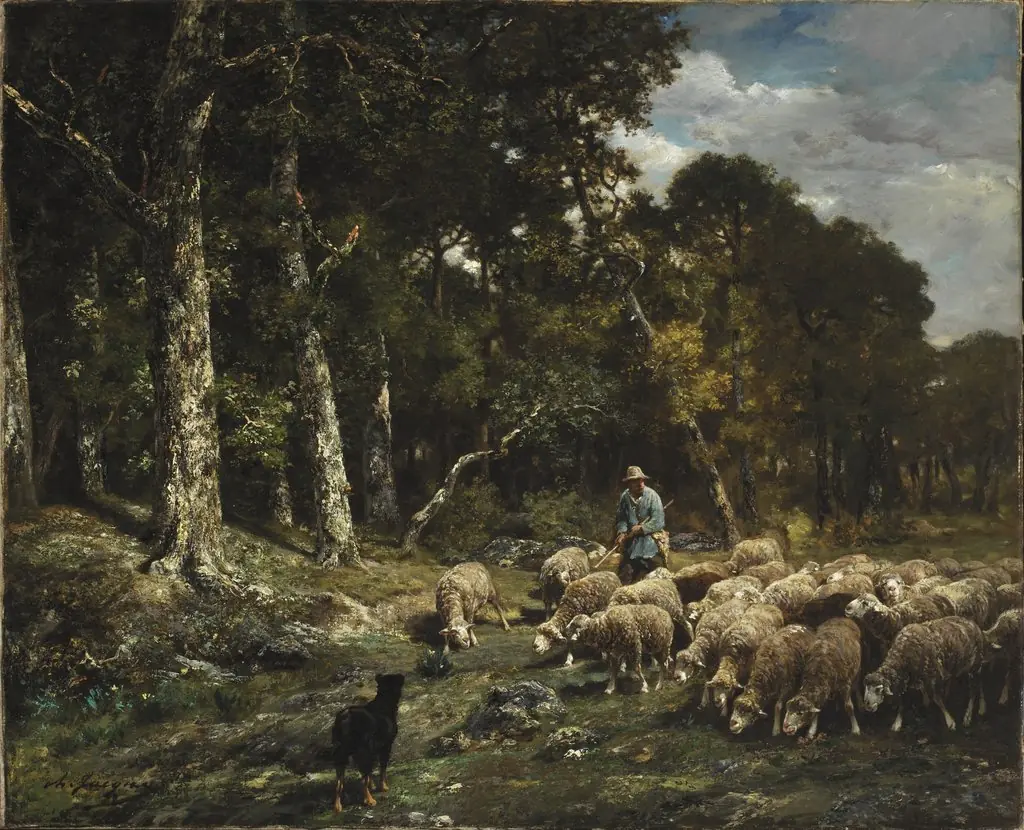
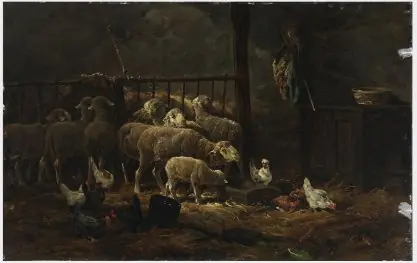
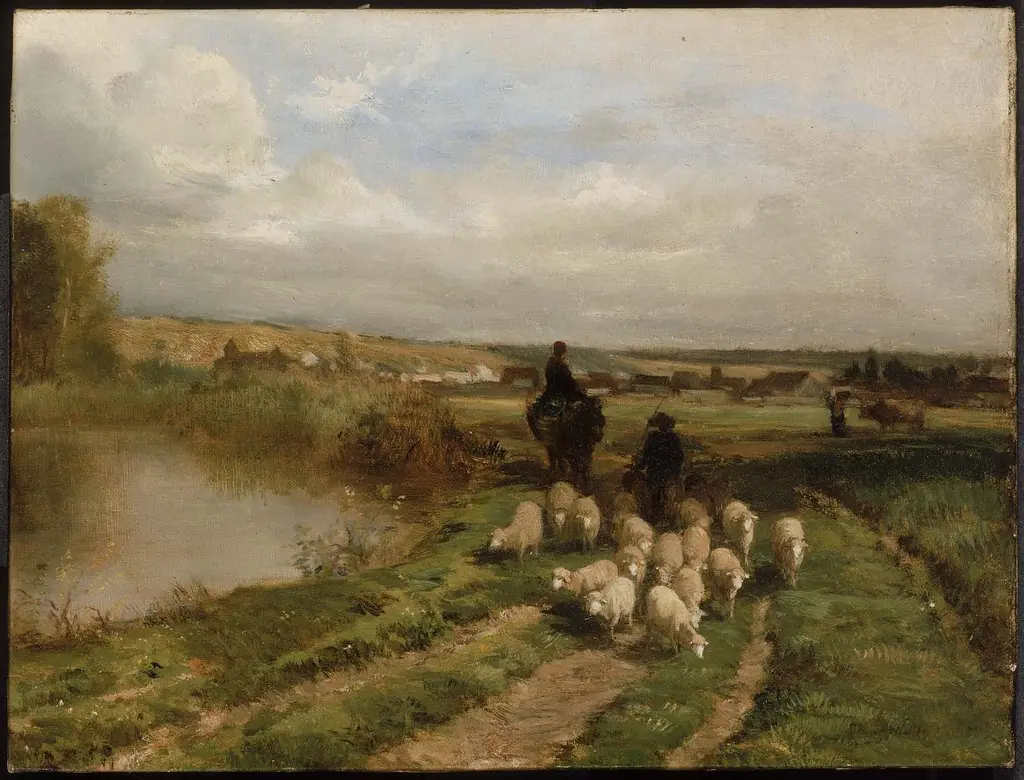
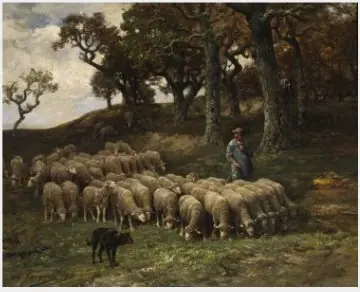
Sheep is an oil painting by the Realist artist Charles Jacque. It dates from 1867 and is held in the collection of the National Gallery of Ireland.
About this work
Overview
A member of the Barbizon School, Jacque focused on the natural rhythms of country life, often portraying livestock and shepherds with quiet dignity.
Charles Jacque painted *Sheep* in 1867 using oil on canvas, capturing a quiet moment in rural France. A member of the Barbizon School, Jacque focused on the natural rhythms of country life, often portraying livestock and shepherds with quiet dignity. The work reflects his commitment to observing nature directly, avoiding idealization in favor of observed truth. It remains part of the National Gallery of Ireland’s collection.
Subject & Meaning
The painting presents a flock of sheep grazing in a sunlit meadow, accompanied by a solitary shepherd. Rather than dramatizing rural labor, Jacque emphasizes stillness and routine. The shepherd, dressed in simple garments and holding a staff, blends into the landscape rather than dominating it. The scene suggests harmony between human presence and animal life, valuing quiet endurance over spectacle.
Technique & Style
Jacque employed loose, textured brushwork to convey the softness of wool and the movement of grass. Light falls diagonally across the field, casting long shadows that enhance spatial depth. The sky is rendered with subtle gradations of gray and white, suggesting passing clouds. His palette is restrained—earthy greens, muted blues, and warm whites—reinforcing the painting’s naturalistic tone without theatrical contrast.
History & Provenance
Created during Jacque’s mature period, *Sheep* emerged from his ongoing engagement with rural subjects after years of studying the French countryside. It entered the National Gallery of Ireland’s collection in the late 19th or early 20th century, likely through acquisition or donation. The painting has remained in public hands since, consistently displayed as an example of 19th-century French realism.
Context
Jacque worked alongside artists like Jean-François Millet, sharing their interest in depicting peasant life without sentimentality. In the 1860s, as industrialization reshaped France, such scenes offered a counter-narrative to urban progress. The Barbizon painters sought authenticity through direct observation, often working outdoors. *Sheep* aligns with this ethos, grounding rural existence in tangible detail rather than romanticized myth.
Legacy
Though less widely known than some of his contemporaries, Jacque’s focus on animals and pastoral life influenced later realist and regionalist traditions. *Sheep* exemplifies his contribution to elevating everyday rural subjects in fine art. The painting continues to be studied for its quiet composition and technical restraint, offering insight into how 19th-century artists redefined the dignity of the commonplace.
Artist & collection
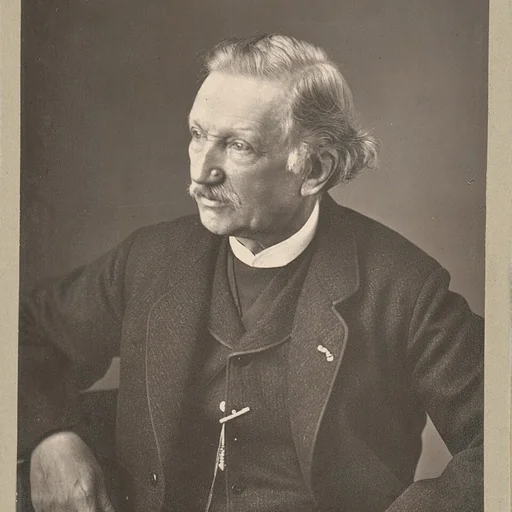
Artist
Charles-Émile Jacque (23 May 1813 – 7 May 1894) was a French painter of Pastoralism and engraver who was, with Jean-François Millet, part of the Barbizon School. He first learned to engrave maps when he spent seven years in the French Army.