Artwork
Portrait of a Gentleman
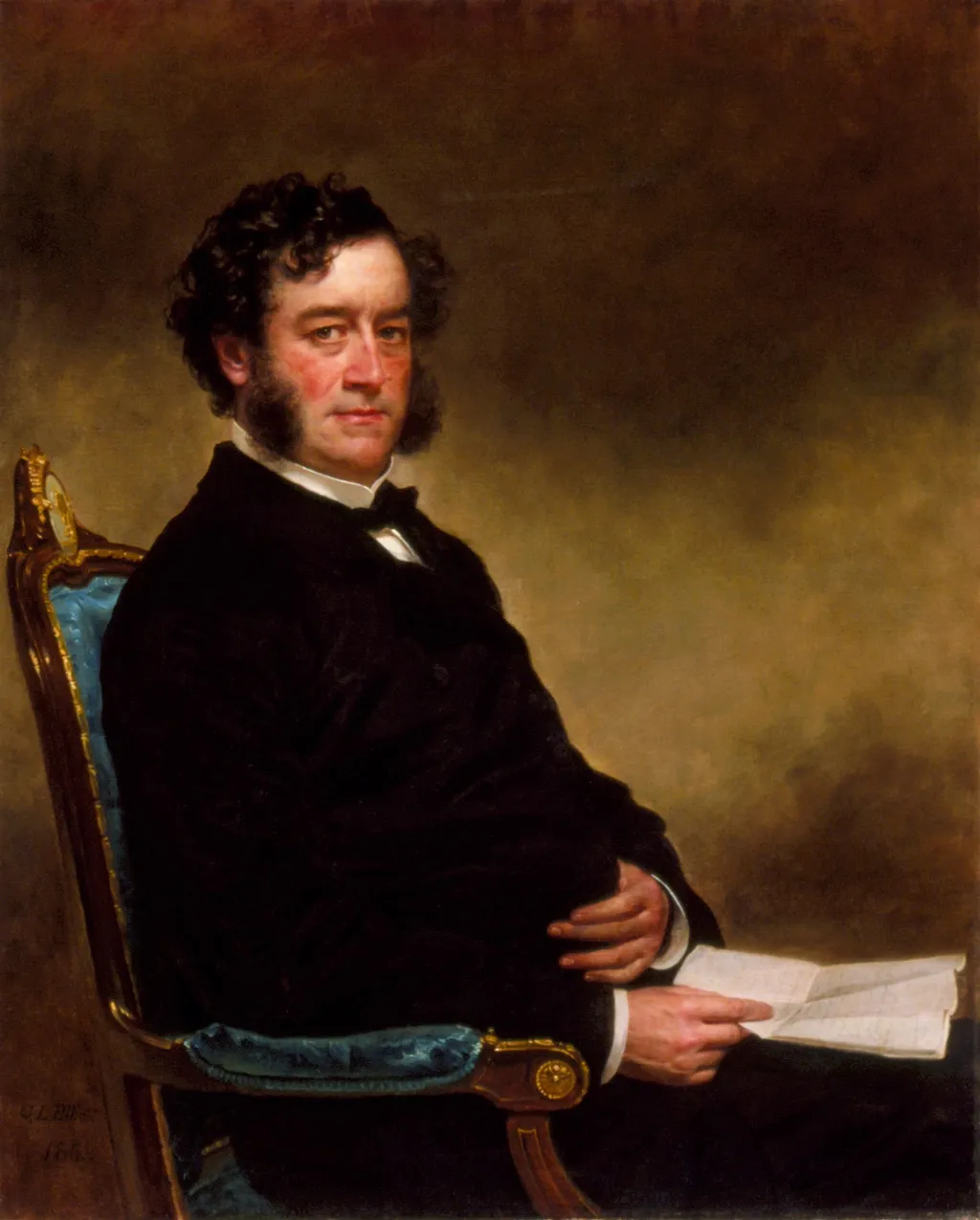
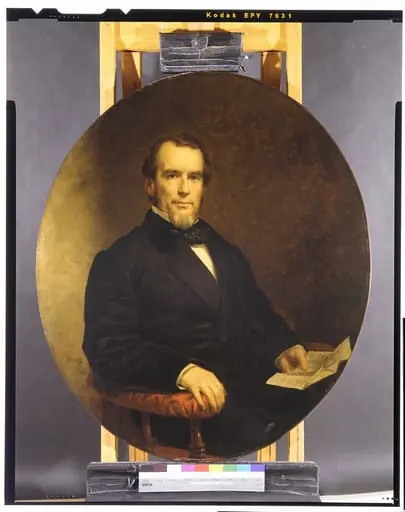
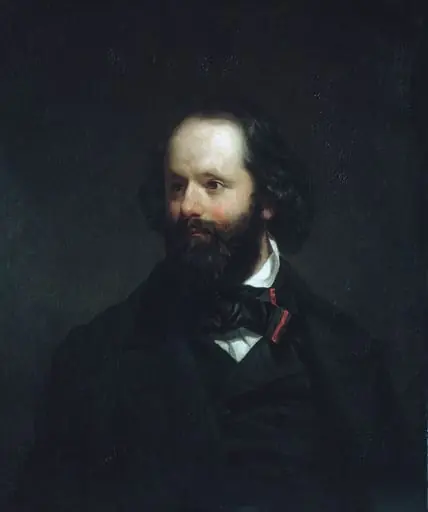
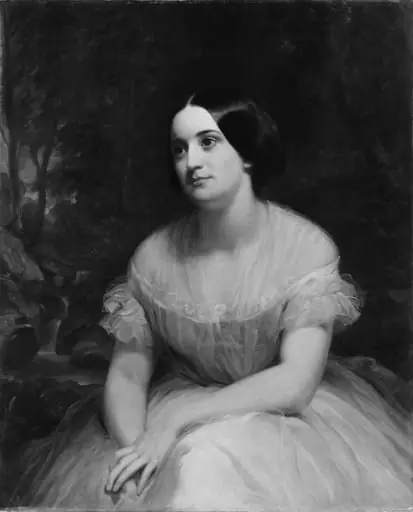
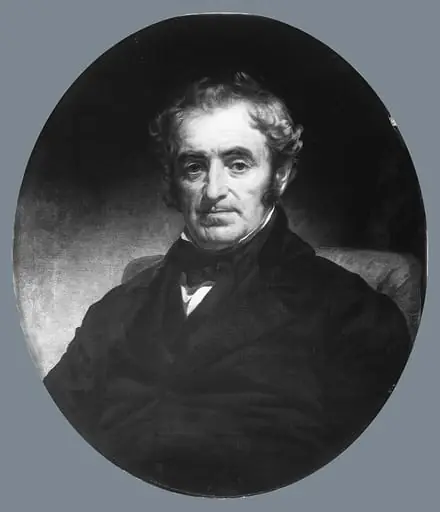
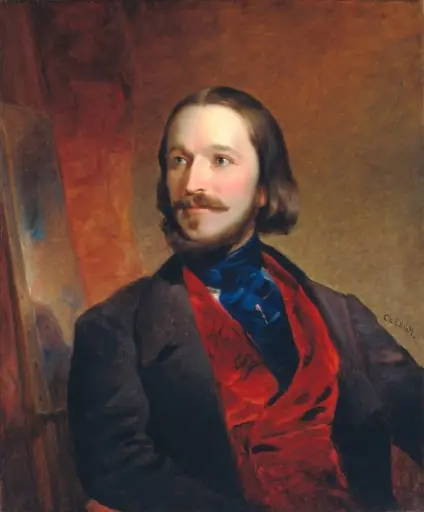
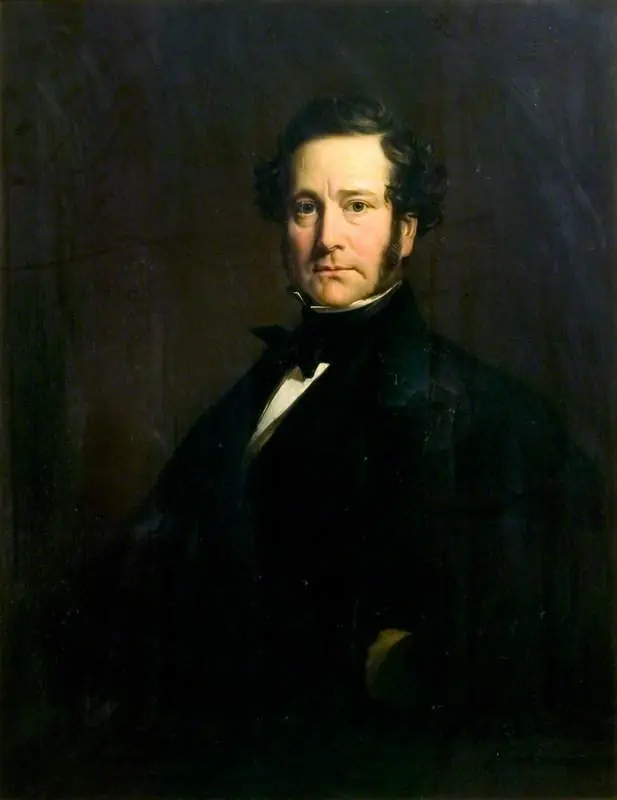
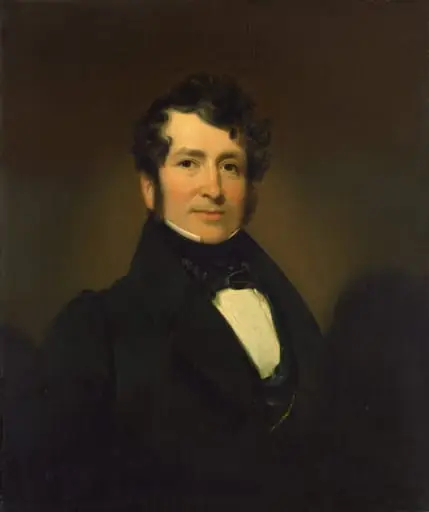
Portrait of a Gentleman is an unspecified painting by Charles Loring Elliott. It dates from 1863 and is held in the collection of the Los Angeles County Museum of Art.
About this work
Overview
Charles Loring Elliott completed this portrait in 1863, during the height of his career as a portraitist in the United States.
Charles Loring Elliott completed this portrait in 1863, during the height of his career as a portraitist in the United States. After moving from central New York to New York City in 1845, he gained recognition within artistic circles and was admitted to the National Academy of Design in 1846. The painting is now part of the Los Angeles County Museum of Art’s collection, representing his sustained engagement with formal portraiture in the mid-nineteenth century.
Subject & Meaning
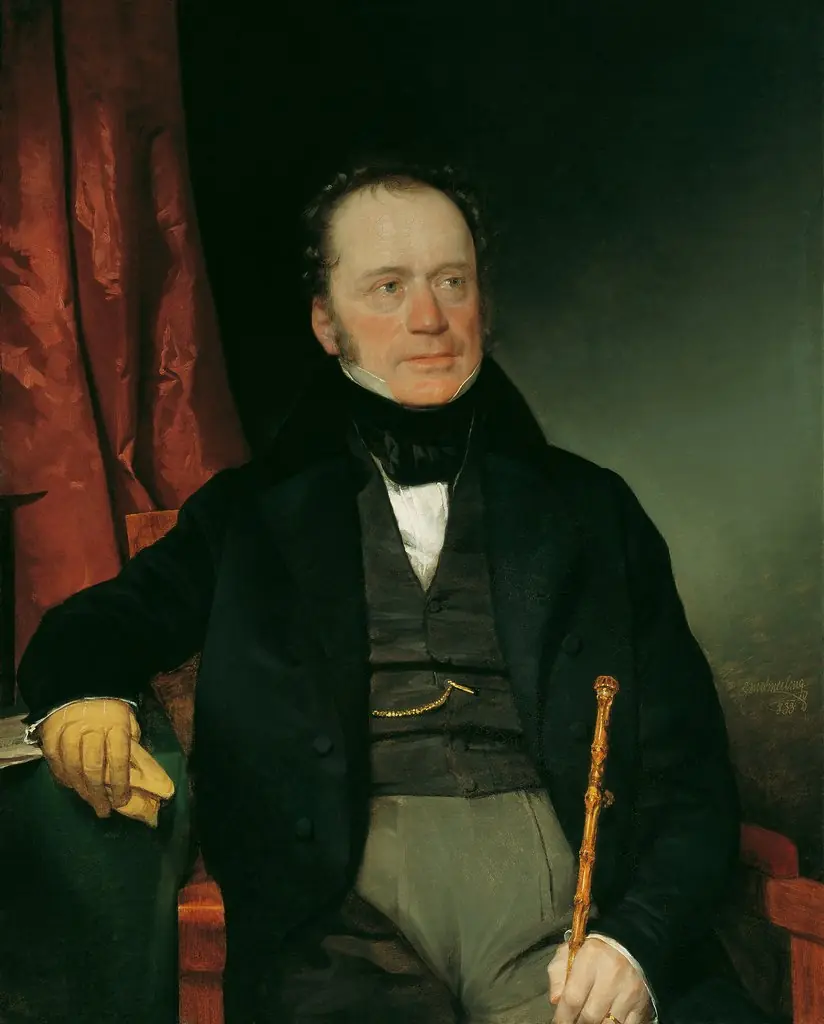
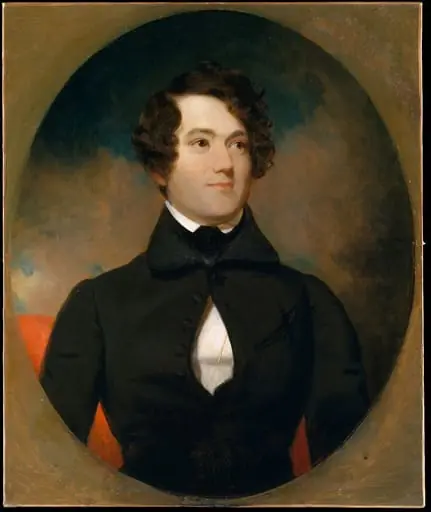
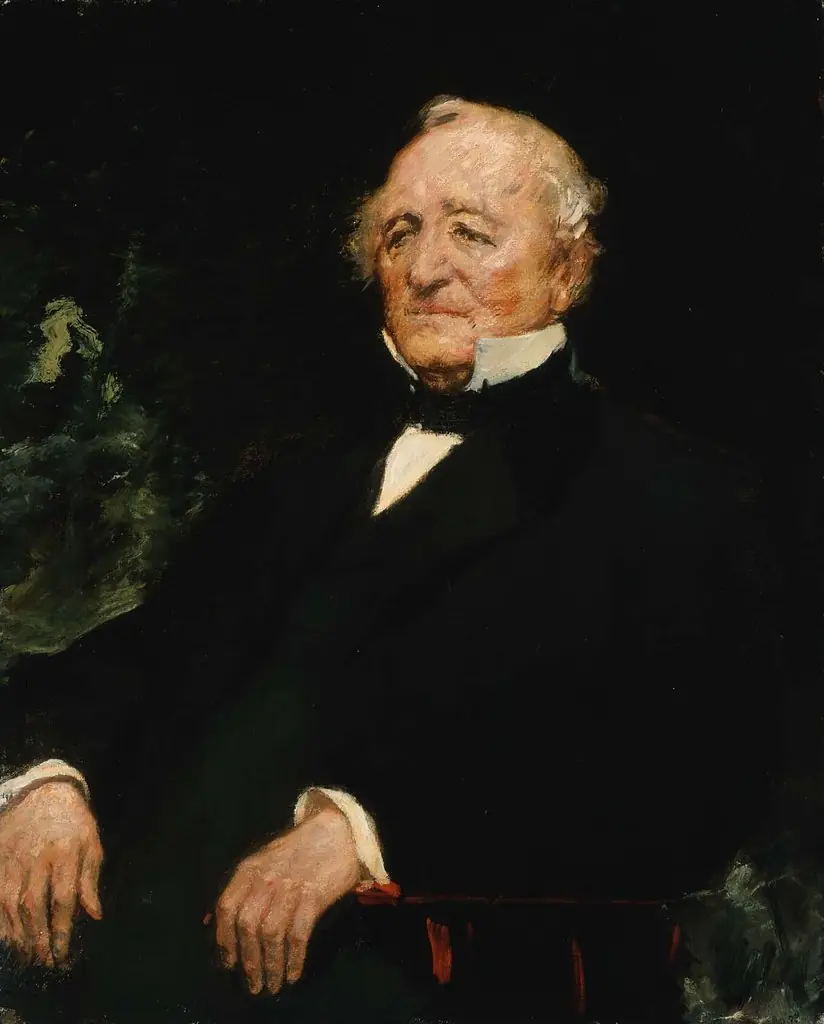
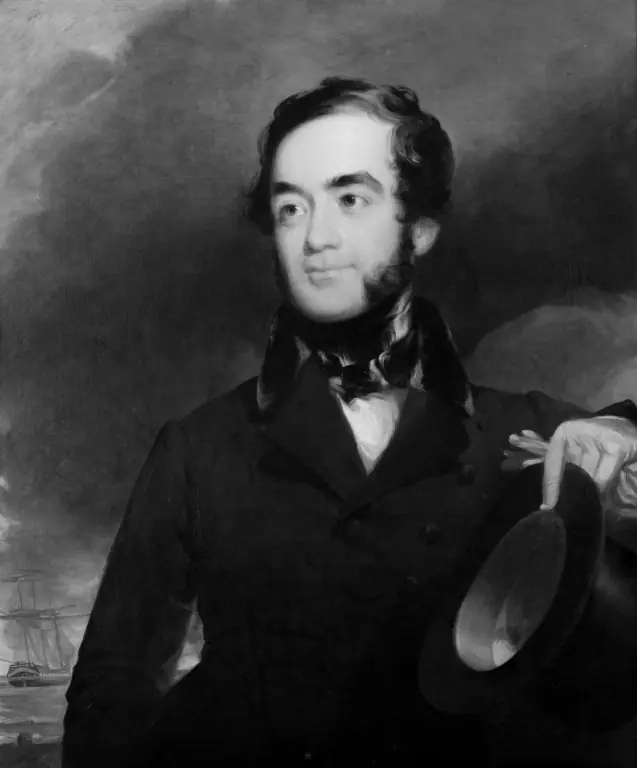
The subject is a man depicted in formal attire—a black jacket and white shirt—suggesting social standing and composure. His left hand holds a piece of paper, hinting at intellectual or professional engagement, while his gaze meets the viewer directly. The pose, slightly turned yet facing forward, balances accessibility with reserve, reflecting the quiet dignity expected of male subjects in mid-century American portraiture.
Technique & Style
Elliott employs chiaroscuro to model the figure with subtle gradations of light and shadow, emphasizing the contours of the face and hands. The warm, earth-toned background avoids distraction, focusing attention on the sitter’s presence. Brushwork is precise but not overly refined, favoring clarity over ornamentation. The composition adheres to traditional conventions, prioritizing psychological presence over narrative detail.
History & Provenance
The painting was completed in 1863, a period when Elliott was active in New York’s art scene. After his death, the work entered private collections before being acquired by the Los Angeles County Museum of Art. Its documented history remains limited, but its inclusion in a major public collection confirms its status as a representative example of Elliott’s mature portraiture.
Context
In the 1860s, American portraiture emphasized character and social identity over theatricality. Elliott’s work aligns with this trend, reflecting the values of a growing middle class that sought to document personal dignity through art. His training and institutional affiliations placed him within a network of artists committed to realism and formal composition, distinct from the more romantic styles gaining traction in Europe.
Legacy
Elliott’s portraits, including this one, remain valuable for their understated realism and technical restraint. Though less widely known today than contemporaries like Eastman Johnson, his work contributes to the broader understanding of regional American portraiture. The painting endures as a quiet testament to the conventions and aspirations of mid-nineteenth-century visual culture.
Own this work as a print
Artist & collection

Artist
Charles Loring Elliott (1812 – 1868) was an American painter known for his portraits.