Artwork
William Cullen Bryant
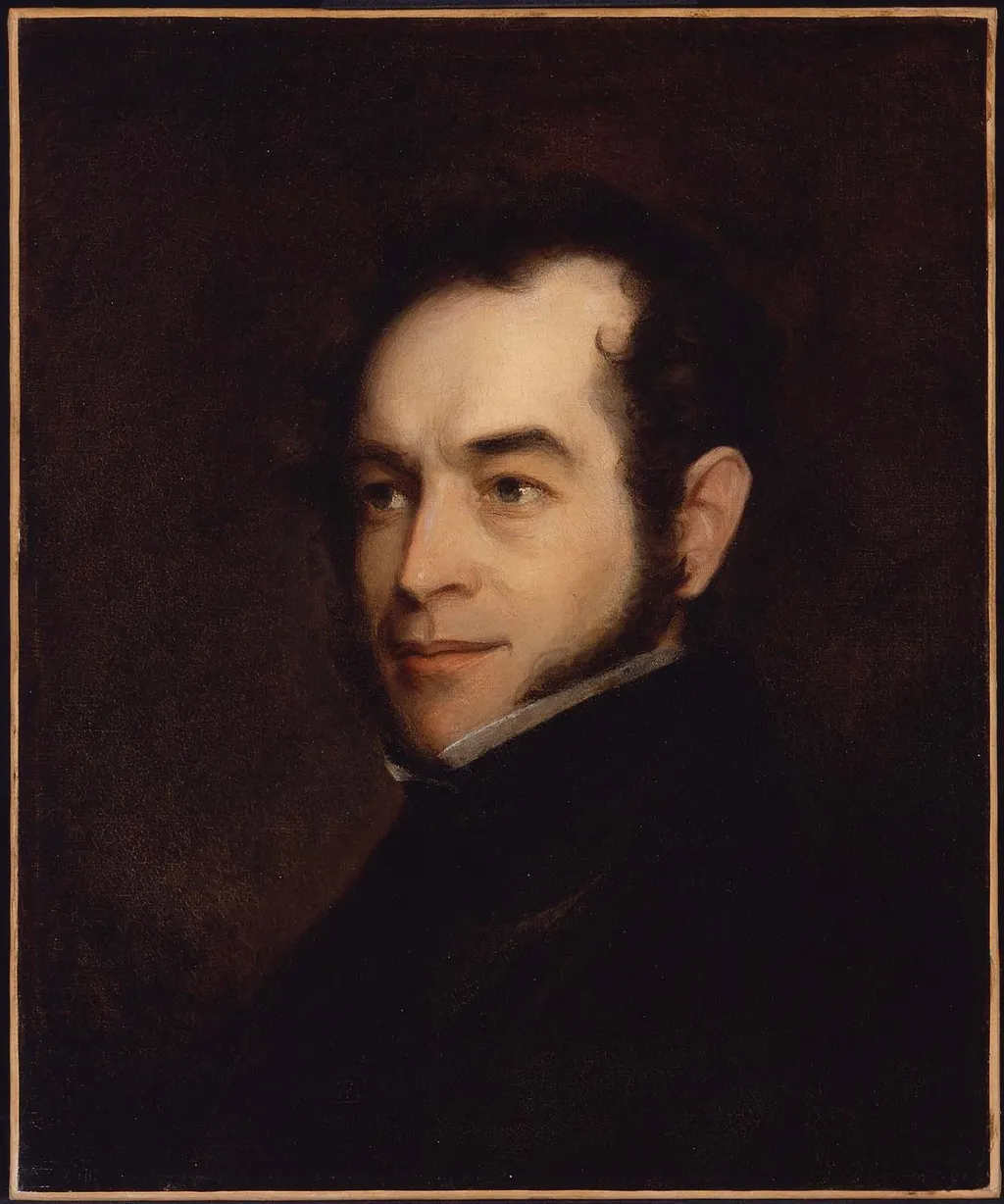
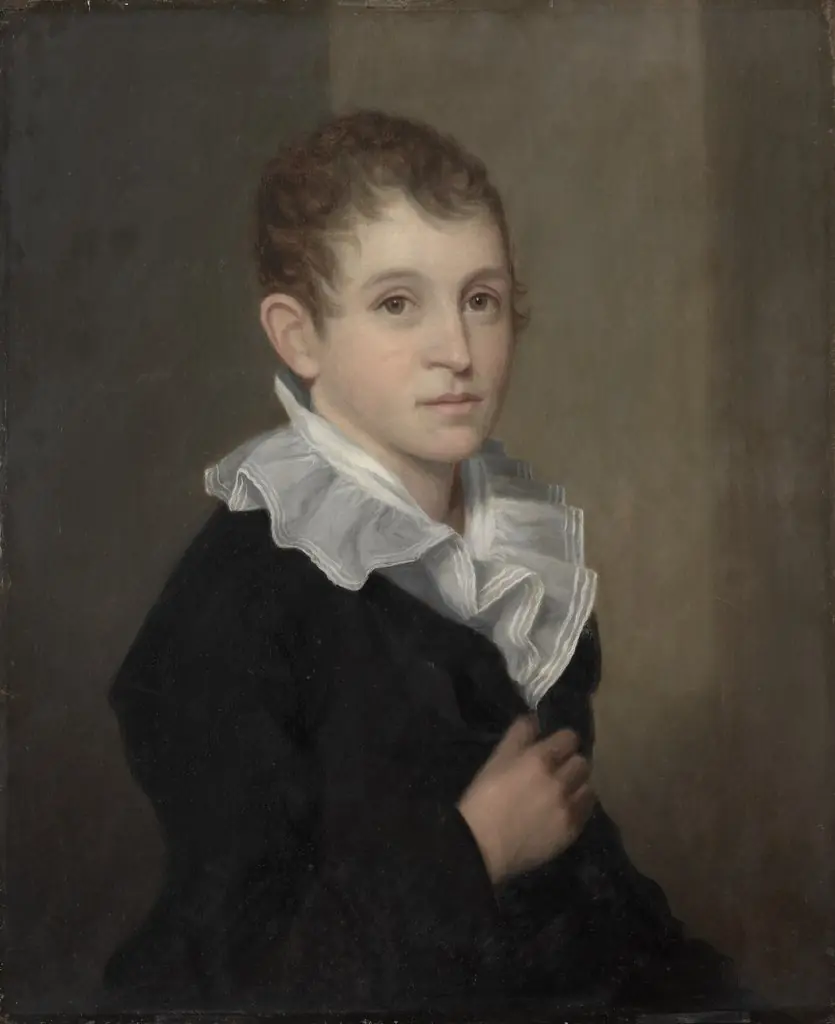
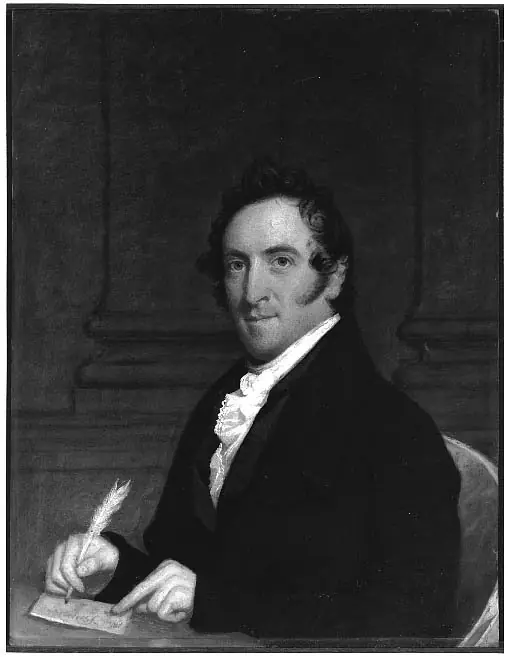
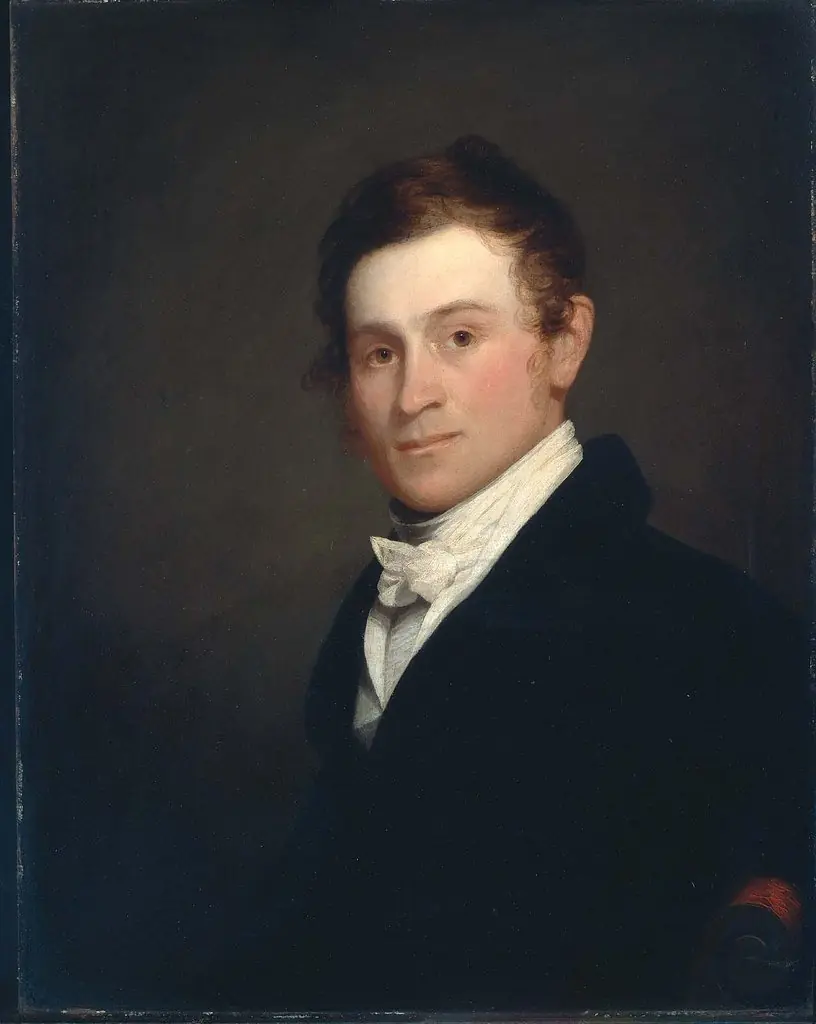
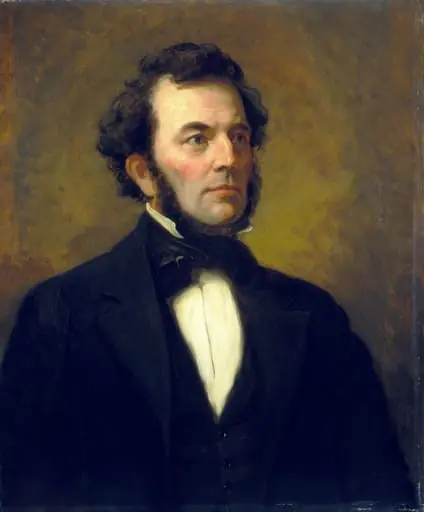
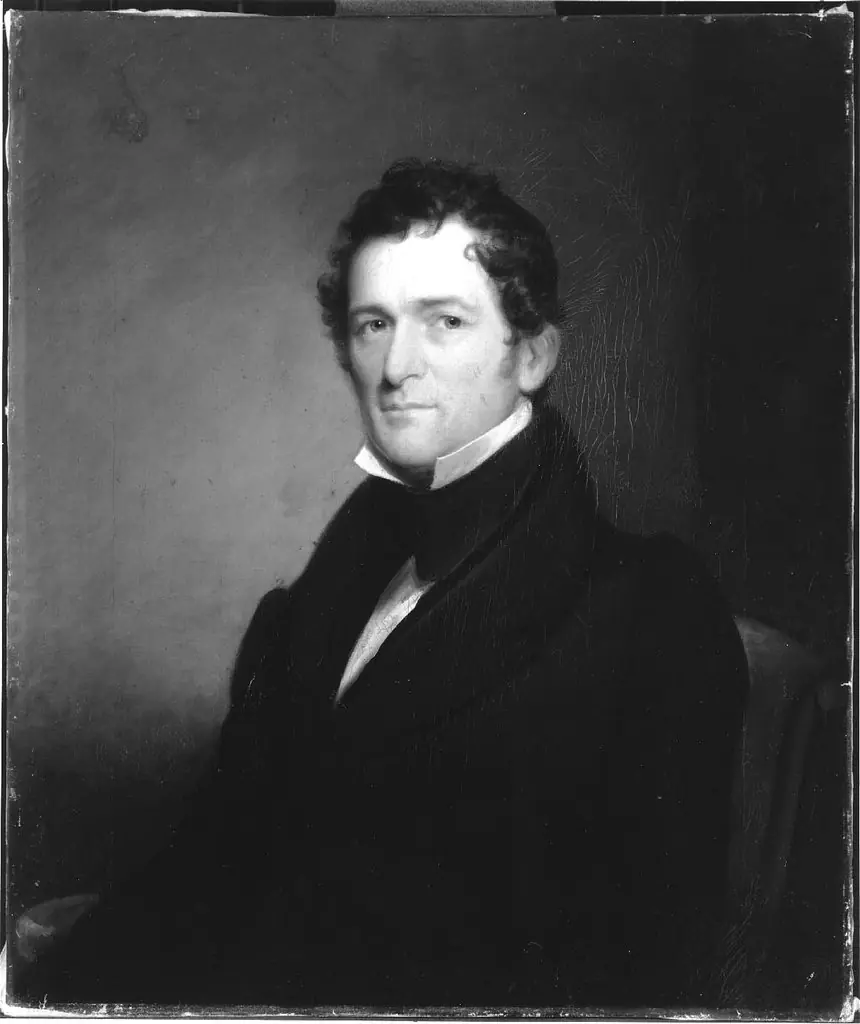
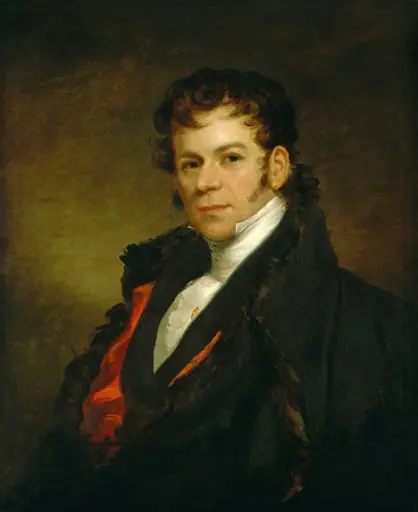
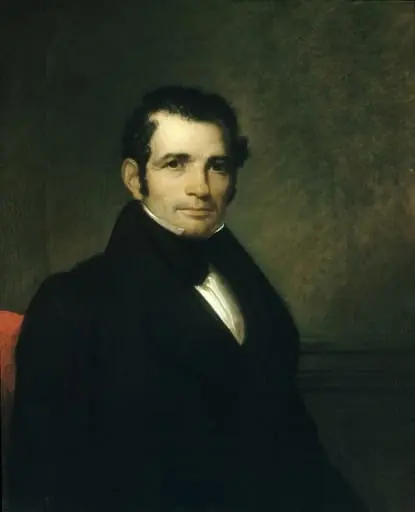
William Cullen Bryant is an oil painting by the American Impressionist artist James Frothingham. It dates from 1833 and is held in the collection of the Museum of Fine Arts Boston.
About this work
Overview
Painted in 1833 by James Frothingham, this oil portrait captures the American poet and editor William Cullen Bryant. Executed with careful attention to form and tone, the work reflects early 19th-century American portraiture rather than the later Impressionist style. It resides in the Museum of Fine Arts, Boston, as part of its permanent collection of American art.
Subject & Meaning
The portrait presents Bryant in quiet introspection, his gaze averted slightly to the left, suggesting deep thought rather than direct engagement with the viewer. His formal dark attire and composed demeanor reflect his public identity as a respected literary figure and moral voice in antebellum America. The absence of symbolic objects emphasizes his character over circumstance.
Technique & Style
Frothingham employed chiaroscuro to model Bryant’s face and clothing, using subtle gradations of light and shadow to convey volume and texture. The high collar and sheen of the fabric are rendered with precise brushwork, while the dark, unadorned background isolates the figure. The effect is restrained, emphasizing realism over ornamentation.
History & Provenance
Commissioned during Bryant’s early rise as a literary figure, the painting was created by James Frothingham, a Boston-based portraitist known for his depictions of New England intellectuals. It entered the Museum of Fine Arts, Boston, through documented acquisition and has remained in its collection since the 19th century, with no known alterations to the original surface.
Context
In the 1830s, American portraiture often served to honor civic and cultural leaders. Bryant, already known for his poetry and editorial work, embodied the era’s ideals of moral seriousness and intellectual independence. Frothingham’s approach aligns with contemporaries who favored dignified, unembellished likenesses over theatrical presentation.
Legacy
The portrait remains a key visual record of Bryant during his formative years as a public intellectual. While Frothingham is less widely recognized today, this work endures as a representative example of early American portraiture—modest in scale, deliberate in execution, and historically significant for its subject’s cultural influence.
Artist & collection
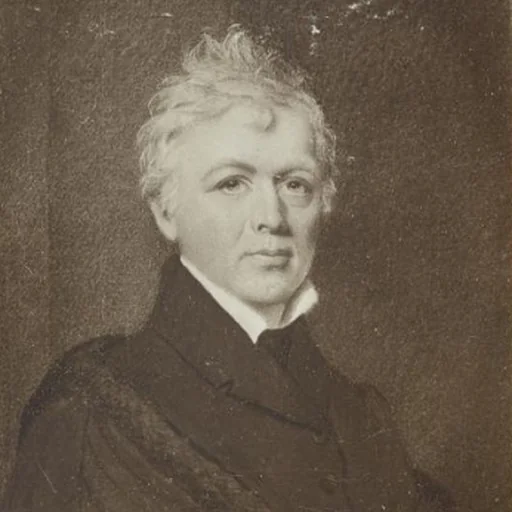
Artist
James Frothingham (1786–1864) was an American portrait painter in Massachusetts and New York. He was the father of the painter Sarah C. Frothingham.