Artwork
An Intensely Contested Young Woman
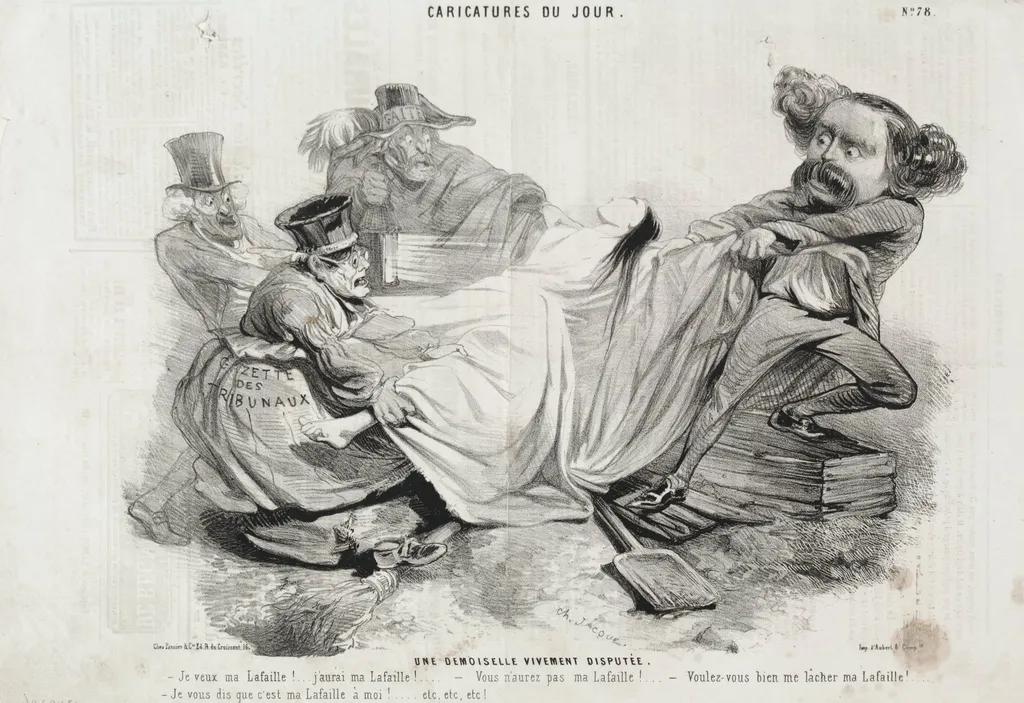
An Intensely Contested Young Woman is a print by the Romanticist artist Charles Jacque. It dates from 1843 and is held in the collection of the Cleveland Museum of Art.
About this work
Overview
An Intensely Contested Young Woman, created by Charles-Émile Jacque in 1843, is a print that diverges from the artist's typical pastoral themes, instead depicting a dramatic, tense scene. Jacque, associated with the Barbizon School, brings his engraving expertise, honed during military service, to this work.
Subject & Meaning
The print shows a distressed young woman in a long gown being pulled by two formally attired men, while a third man observes, holding a 'Tribunaux' (Courts) sign. This scene critiques the societal pressures on women during the Romantic era, highlighting their constrained agency.
Technique & Style
Jacque employs chiaroscuro to create strong light and dark contrasts, imbuing the figures with depth and volume against a muted, dramatic backdrop. This technique amplifies the emotional tension of the scene.
History & Provenance
Created in 1843, the work reflects Jacque's Barbizon School influence, albeit with an unusual focus on human drama rather than his customary rural landscapes. Details on its provenance are not provided.
Context
Emerging from the Barbizon School's emphasis on naturalism, this print adapts such realism to portray urban, social strife, reflecting broader 19th-century concerns with justice and gender roles.
Legacy
While Jacque is known for pastoral prints, *An Intensely Contested Young Woman* stands as a notable example of his ability to address social themes through powerful, technically skilled engraving, contributing to the broader artistic discourse on women's rights in the 19th century.
Artist & collection
Artist
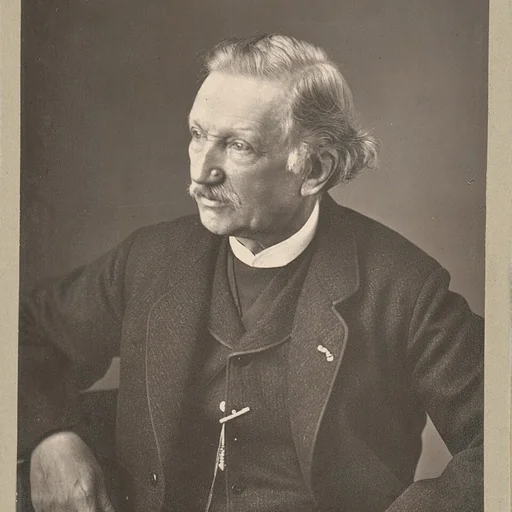
Charles-Émile Jacque (23 May 1813 – 7 May 1894) was a French painter of Pastoralism and engraver who was, with Jean-François Millet, part of the Barbizon School. He first learned to engrave maps when he spent seven years in the French Army.

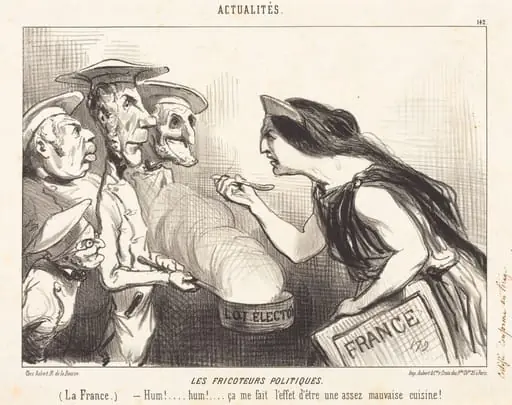 Les Fricoteurs politiques
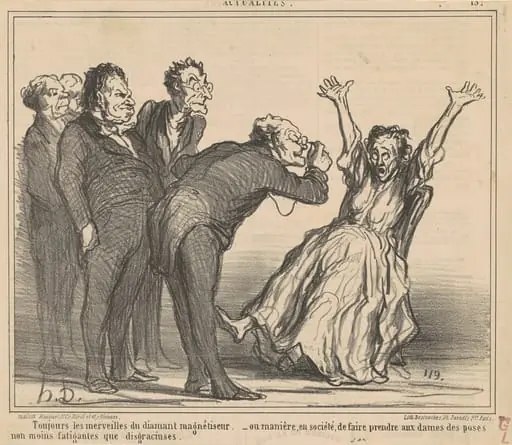 Toujours les merveilles du diamant ...
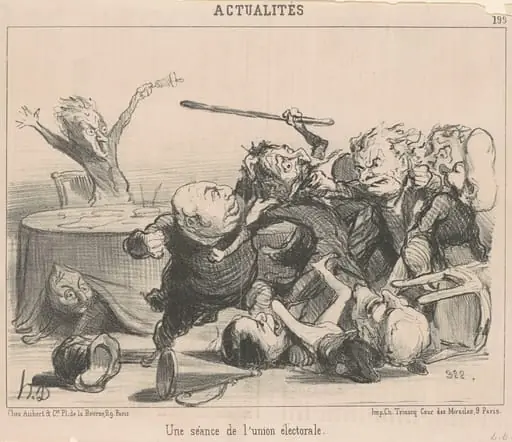 Une séance de l'union électorale
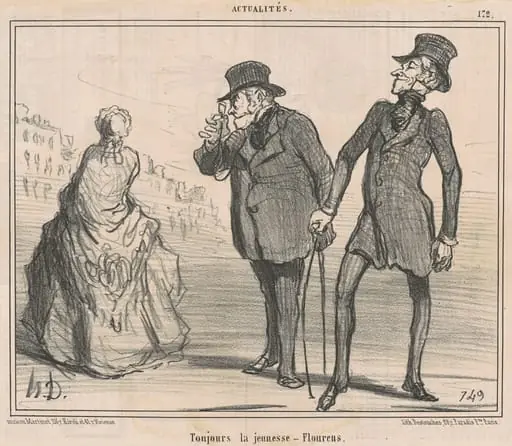 Toujours la heunesse-flourens
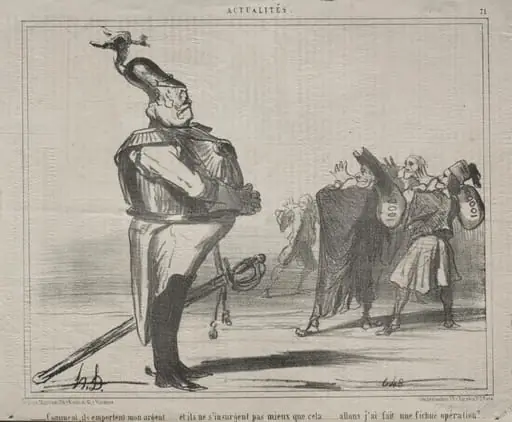 Why are they taking away my money...
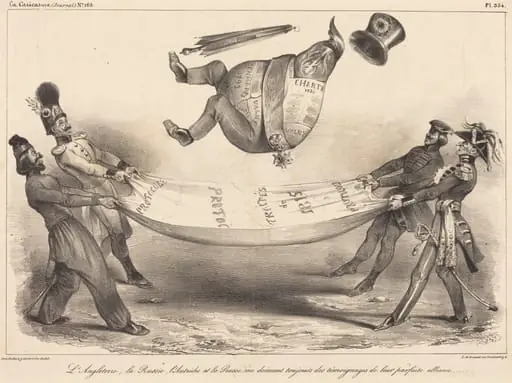 L'Angleterre, la Russie, l'Autriche...leur parfaite alliance
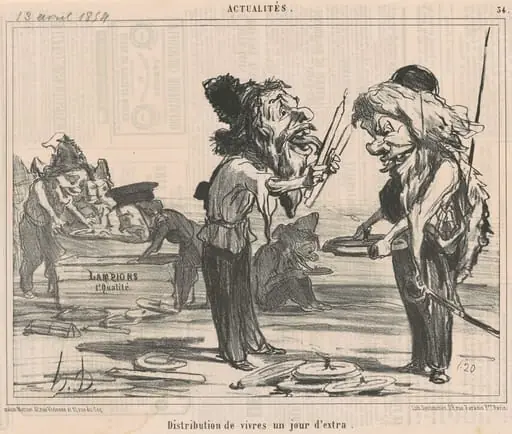 Distribution de vivres un jour d'extra
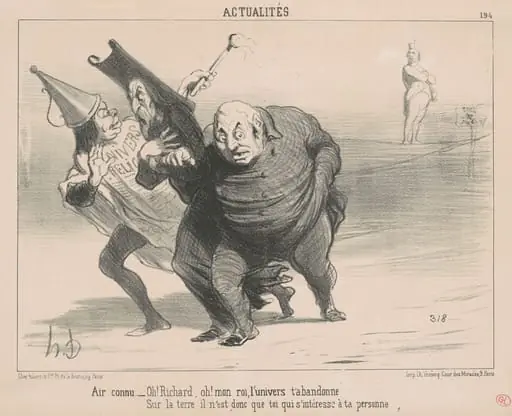 Air connu: Oh! Richard, Oh! Mon roi ...
 L'empereur soulouque ...
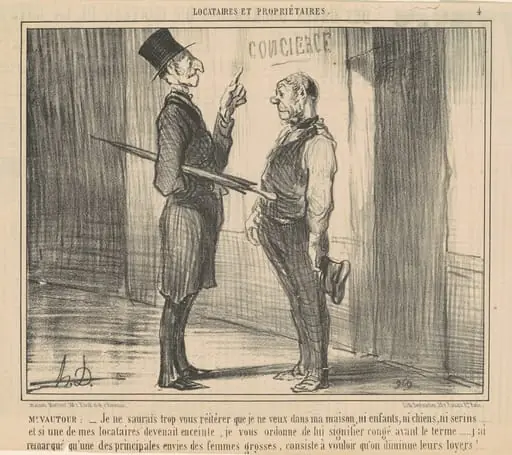 M. Vautour: Je ne saurais trop ...
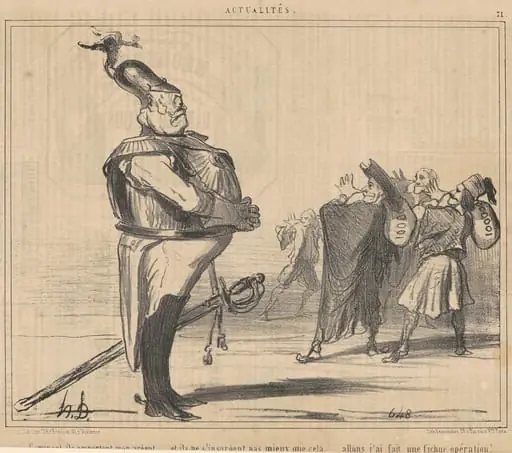 Comment, ils emportent mon argent ...
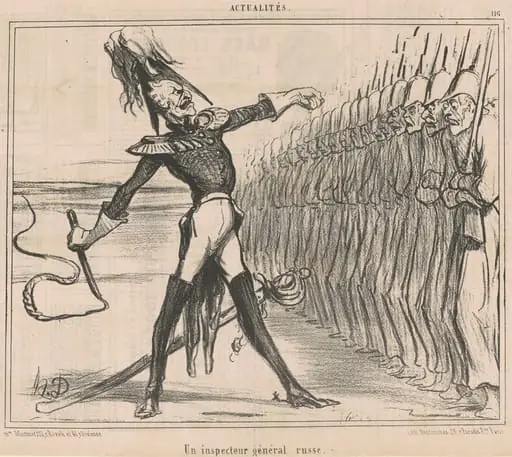 Un inspecteur général russe