Artwork
Toujours les merveilles du diamant ...
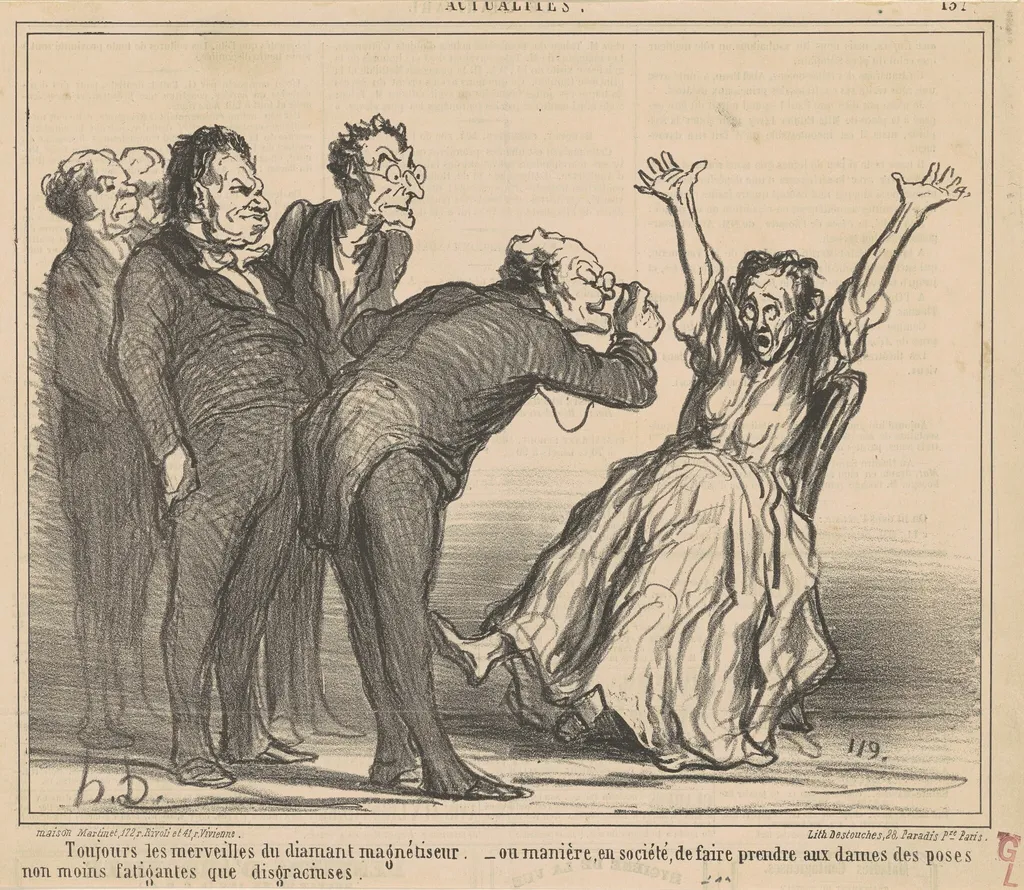
Toujours les merveilles du diamant ... is an ink print by the Impressionist artist Honoré Daumier. It dates from 1860 and is held in the collection of the National Gallery of Art.
About this work
Overview
The work belongs to Daumier’s broader output of satirical prints, though here the tone leans toward energetic observation rather than overt critique.
This lithograph by Honoré Daumier depicts a moment of animated social interaction among six figures: five men and one woman. Rendered with rapid, incisive lines, the composition conveys spontaneity and movement, capturing a fleeting gesture rather than a posed scene. The work belongs to Daumier’s broader output of satirical prints, though here the tone leans toward energetic observation rather than overt critique.
Subject & Meaning
The central figure is a woman with arms raised, her flowing dress emphasizing motion and presence. The surrounding men lean in, their faces rendered with acute, almost exaggerated expressions. While Daumier often targeted social pretensions, this scene avoids irony—instead, it celebrates the raw vitality of public interaction, suggesting a shared moment of excitement or surprise among ordinary Parisians.
Technique & Style
Daumier employed lithographic chalk to create a dense network of scratchy, dynamic lines that define form and motion. He used stark contrasts of light and shadow—chiaroscuro—to model faces and fabric, lending depth and urgency to the scene. The lack of fine detail focuses attention on gesture and posture, reinforcing the immediacy of the moment and the artist’s mastery of expressive shorthand.
History & Provenance
Created during Daumier’s prolific period in the mid-19th century, this print likely appeared in a periodical or as part of a series documenting urban life. Though its exact publication context is unrecorded, it aligns with his output for journals like Le Charivari, where he regularly illustrated scenes of Parisian society with wit and observational precision.
Context
Daumier worked amid a surge in print culture and rising literacy in Paris, where lithography enabled rapid dissemination of images. His work responded to the city’s changing social fabric, capturing public spaces where class and emotion intersected. This piece reflects a shift from satire to pure observation, mirroring broader artistic interests in everyday life emerging in the 1850s.
Legacy
The lithograph exemplifies Daumier’s influence on modern graphic art through its emphasis on movement and psychological immediacy. His ability to distill complex human interactions into minimal, expressive marks inspired later artists, from Toulouse-Lautrec to expressionist printmakers, who sought to convey emotion through line and contrast rather than detail.
Artist & collection
Artist
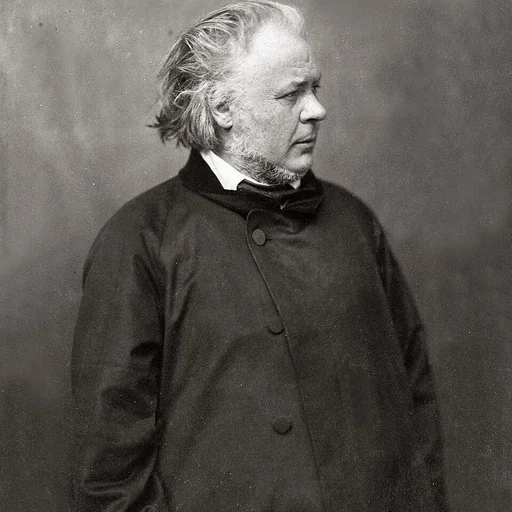
Honoré-Victorin Daumier was a French painter, sculptor, and printmaker, whose many works offer commentary on the social and political life in France, from the Revolution of 1830 to the fall of the Second French Empire in 1870.









 Toujours la heunesse-flourens
 Désagrément de causer avec les gens...
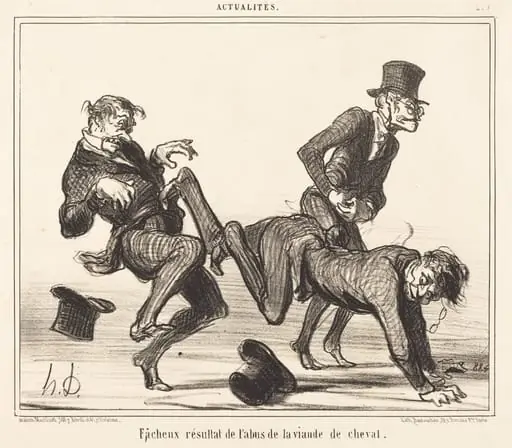 Facheux résultat... de la viande de cheval
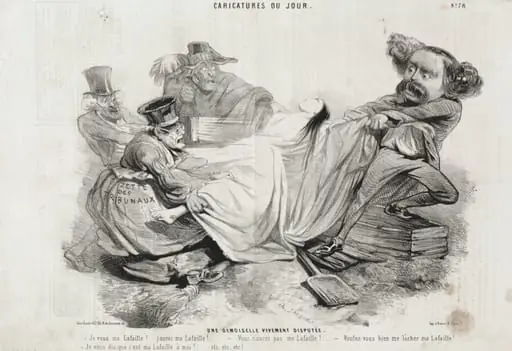 An Intensely Contested Young Woman
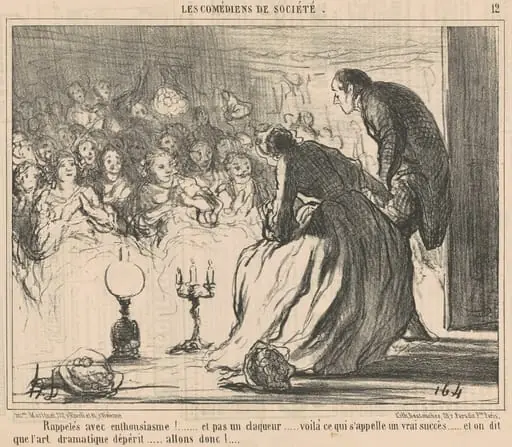 Rappelès avec enthousiasme! ...
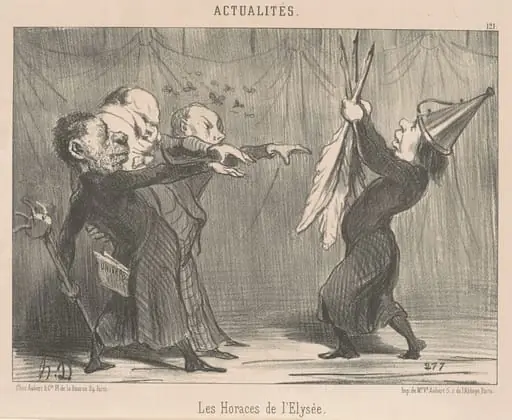 L'empereur soulouque ...
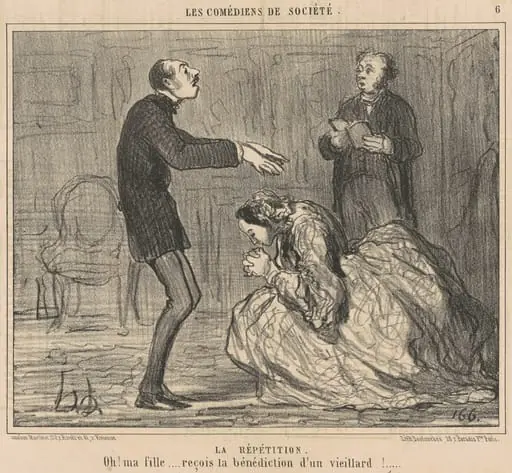 La répétition
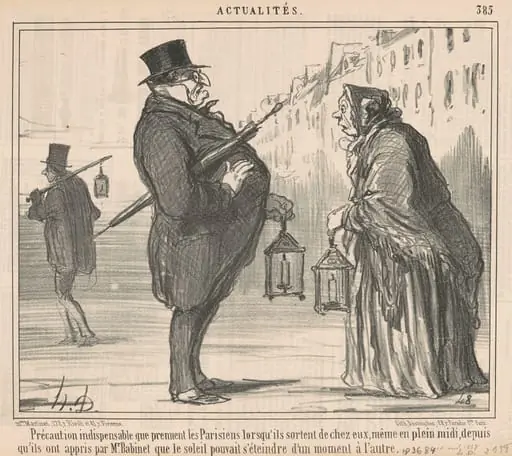 Précaution indispensable que prennent les Parisiens ...
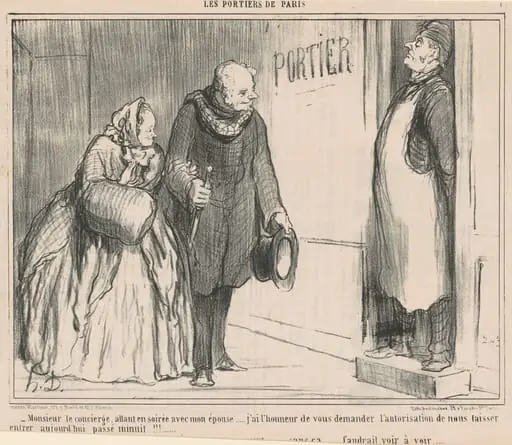 Monsieur le concierge, allant en soirée