Artwork
L'empereur soulouque ...
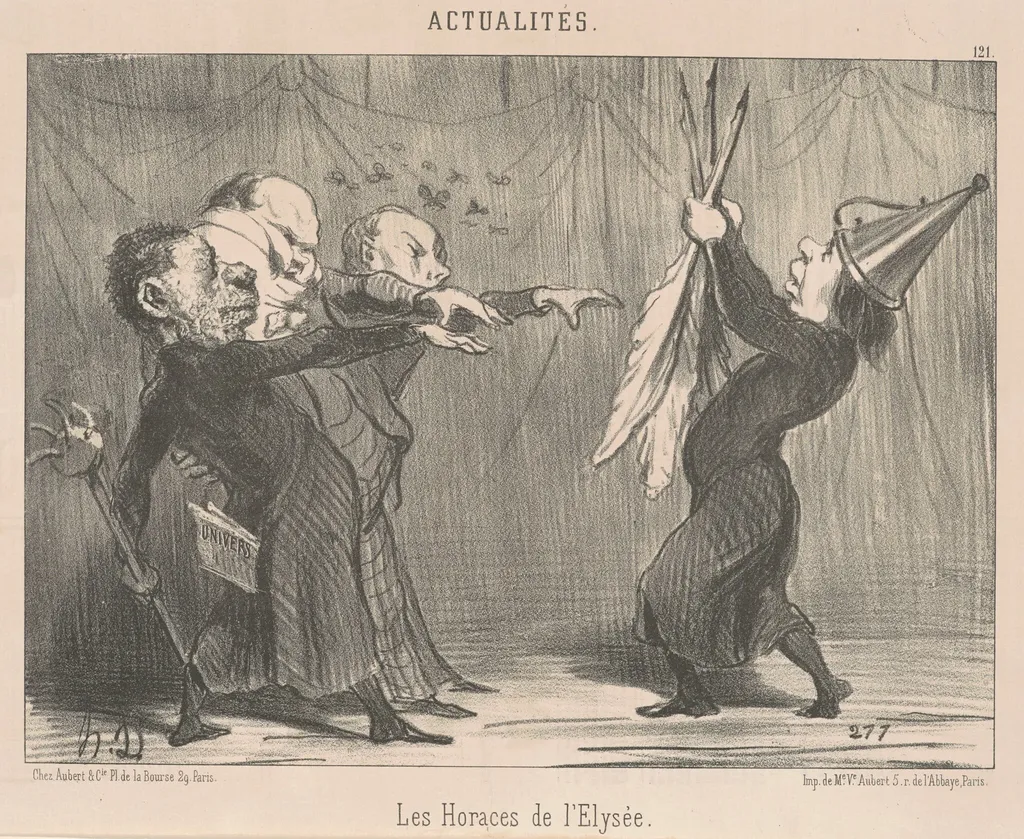
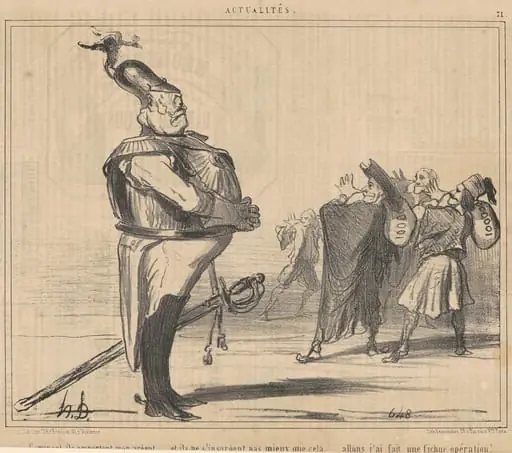
L'empereur soulouque ... is an ink print by the Impressionist artist Honoré Daumier. It dates from 1851 and is held in the collection of the National Gallery of Art.
About this work
The print was made using lithography, a method where drawings on stone are copied onto paper.
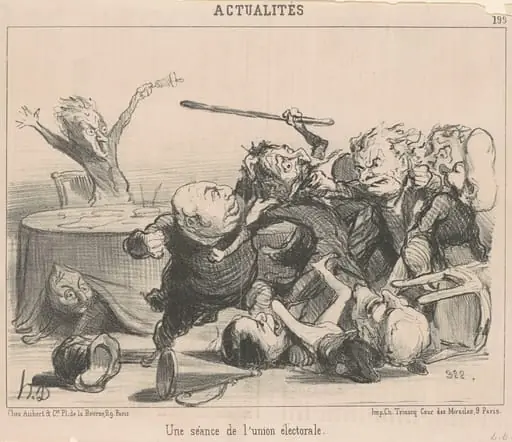
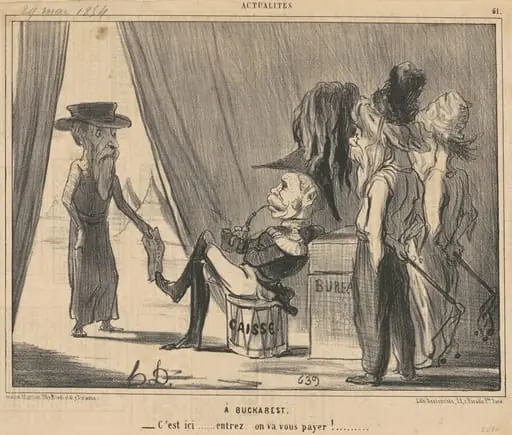
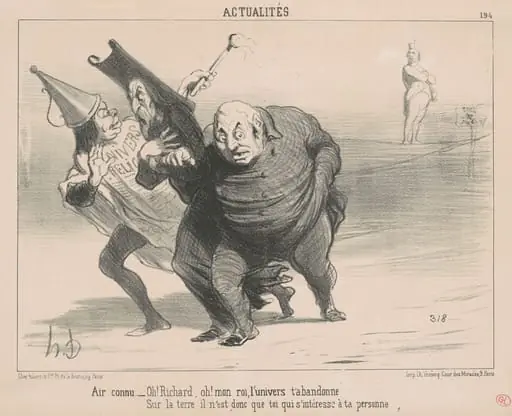
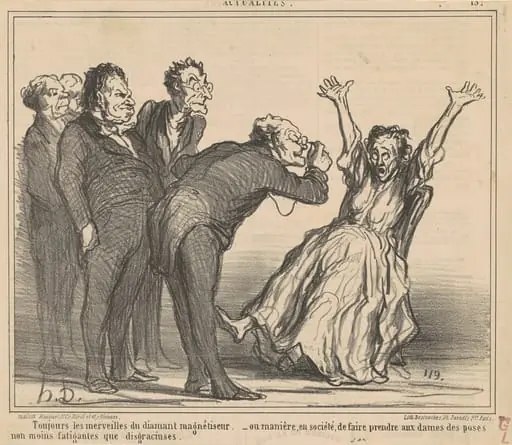
A cartoon-like scene shows four funny, exaggerated figures. One wears a tall hat and holds feather pens, looking silly. The others shout or wave their arms, acting angry or shocked.
This is a political satire made in 1851. It mocks power and leadership through humor. The artist used bold lines and wild faces to make his point.
The print was made using lithography, a method where drawings on stone are copied onto paper. You can see more works like this that use lithography.
(Word count: 92)
Overview
Honoré Daumier’s 1851 lithograph L’empereur soulouque presents a lively tableau of four caricatured figures engaged in a theatrical dispute. The composition is dominated by a tall‑hatted man clutching a bundle of quill pens, while the three figures on the left gesture wildly, their faces contorted in exaggerated shock or anger. The work’s brisk line work and stark contrast give it the immediacy of a contemporary political cartoon.
Subject & Meaning
The image functions as a satire of authority, using humor to critique the conduct of leaders. By portraying the central figure in an absurd, almost clownish manner and surrounding him with outraged interlocutors, Daumier underscores the absurdity he perceived in the power structures of his day, inviting viewers to question the legitimacy of the depicted ruler.
Technique & Style
Executed in lithography, the print relies on bold, fluid lines drawn on a limestone surface and transferred to paper, a method Daumier favored for its rapid production. The exaggerated facial expressions, angular poses, and stark chiaroscuro are characteristic of his caricatural style, which blends observational detail with a deliberately grotesque visual language.
History & Provenance
Created in the early 1850s, the work emerged amid a period of heightened political tension in France, when Daumier was actively publishing satirical images in newspapers. The lithograph was likely produced in limited runs for circulation among the public, reflecting the artist’s engagement with contemporary commentary. Its survival in museum collections attests to its relevance as a document of 19th‑century French political satire.
Artist & collection
Artist
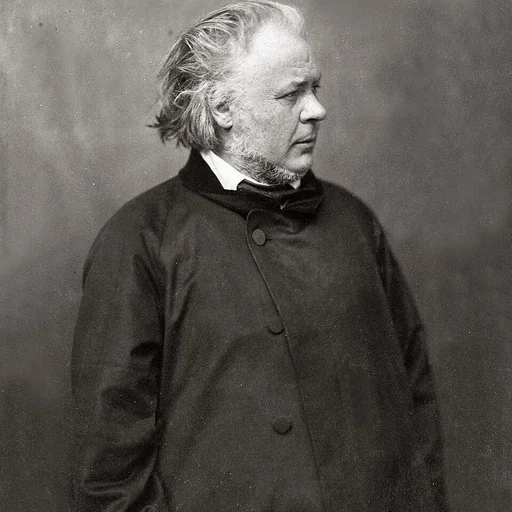
Honoré-Victorin Daumier was a French painter, sculptor, and printmaker, whose many works offer commentary on the social and political life in France, from the Revolution of 1830 to the fall of the Second French Empire in 1870.