Artwork
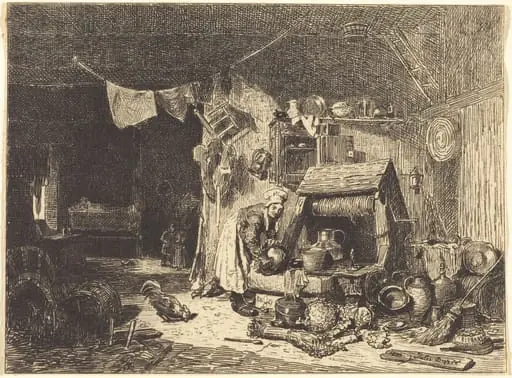
Farm Interior
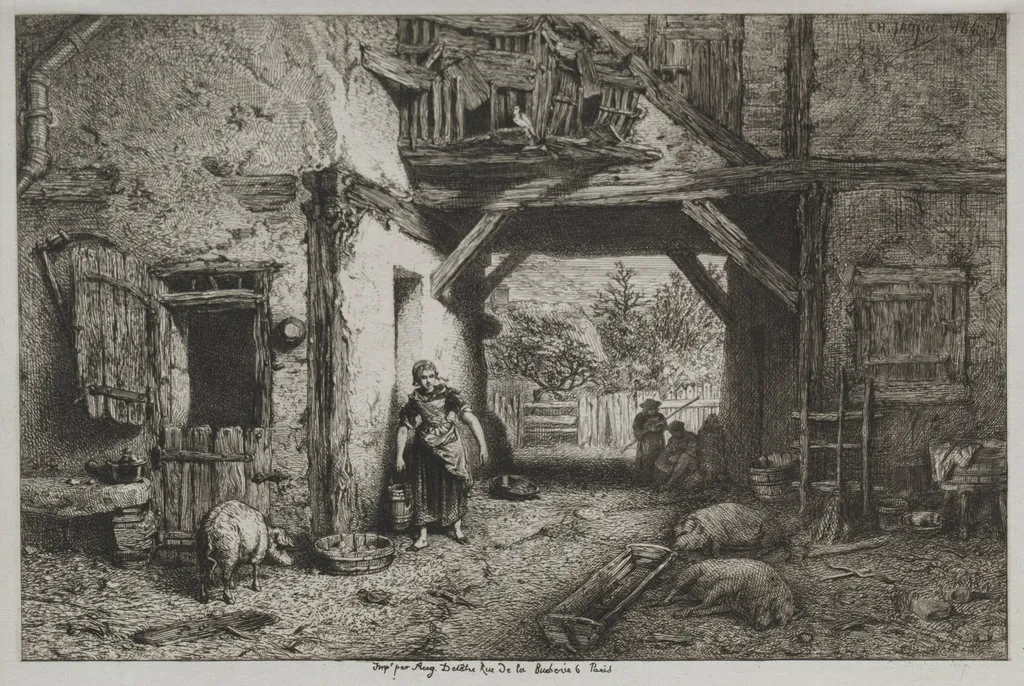
Farm Interior is a print by the Romanticist artist Charles Jacque. It dates from 1845 and is held in the collection of the Cleveland Museum of Art.
About this work
Overview
Created in 1845 by Charles‑Émile Jacque, a French painter and engraver linked to the Barbizon School, this print portrays a modest farmhouse interior. The work is part of the Cleveland Museum of Art’s collection and exemplifies the artist’s interest in depicting the unvarnished aspects of rural existence.
Subject & Meaning
The scene captures a dimly lit domestic space where a woman, bucket in hand, stands near a wooden doorway while a pig sniffs the floor. A second figure tends a fire outside, and light filters through the entrance, revealing a tree beyond. The composition emphasizes the everyday chores and atmosphere of 19th‑century farm life.
Technique & Style
Jacque’s handling is marked by rough, energetic lines that suggest a rapid sketch rather than a polished finish. The print’s texture reflects his training as an engraver, a skill honed during seven years of military service, and aligns with the Barbizon emphasis on direct observation and naturalistic detail.
History & Provenance
After its creation, the work entered the holdings of the Cleveland Museum of Art, where it remains on display. Jacque’s association with fellow Barbizon artists such as Jean‑François Millet situates the piece within a broader movement that sought to elevate ordinary rural scenes to subjects of artistic inquiry.
Artist & collection
Artist
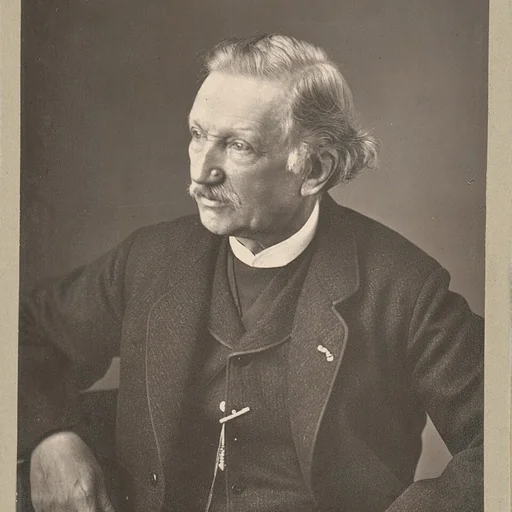
Charles-Émile Jacque (23 May 1813 – 7 May 1894) was a French painter of Pastoralism and engraver who was, with Jean-François Millet, part of the Barbizon School. He first learned to engrave maps when he spent seven years in the French Army.

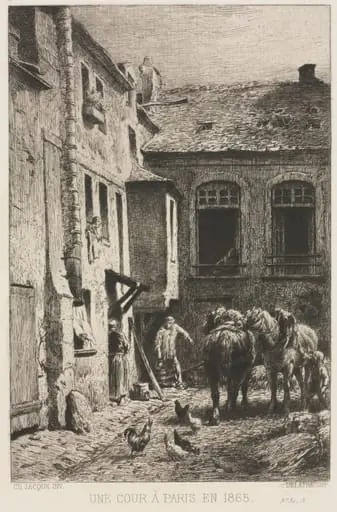 A Courtyard in Paris
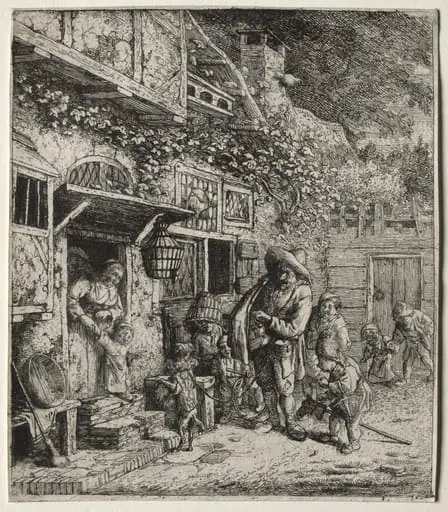 The Dancing Dog
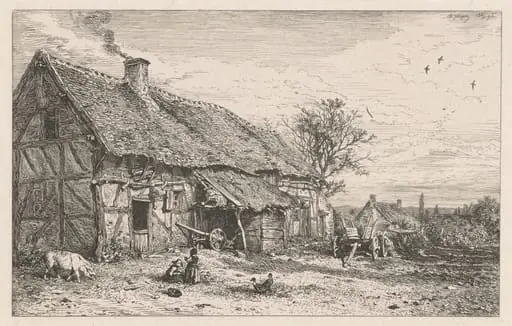 Peasant's House
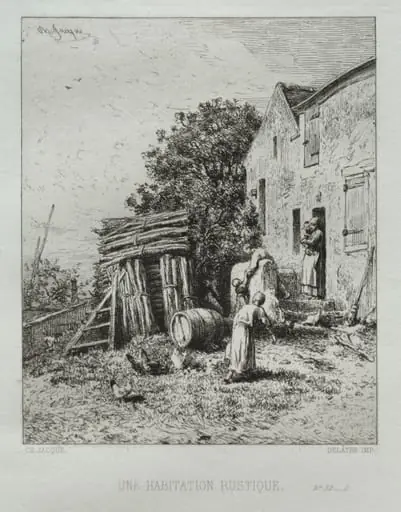 Rustic House
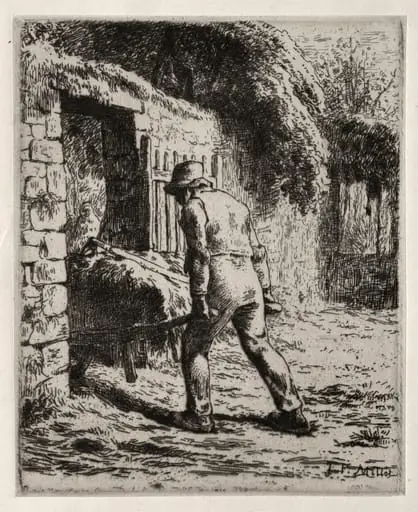 Peasant Returning from the Manure Heap
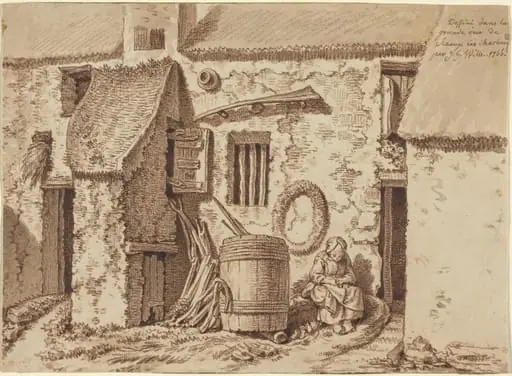 A Rustic House in the Grand Rue at Sceaux-Les-Chartreux
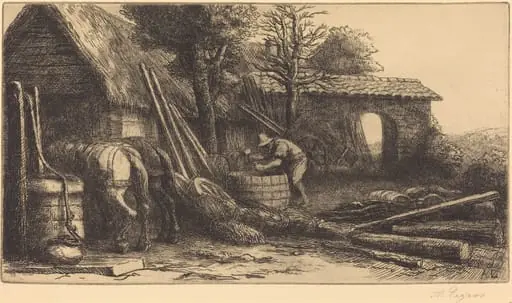 The Cooper (Le tonnelier)
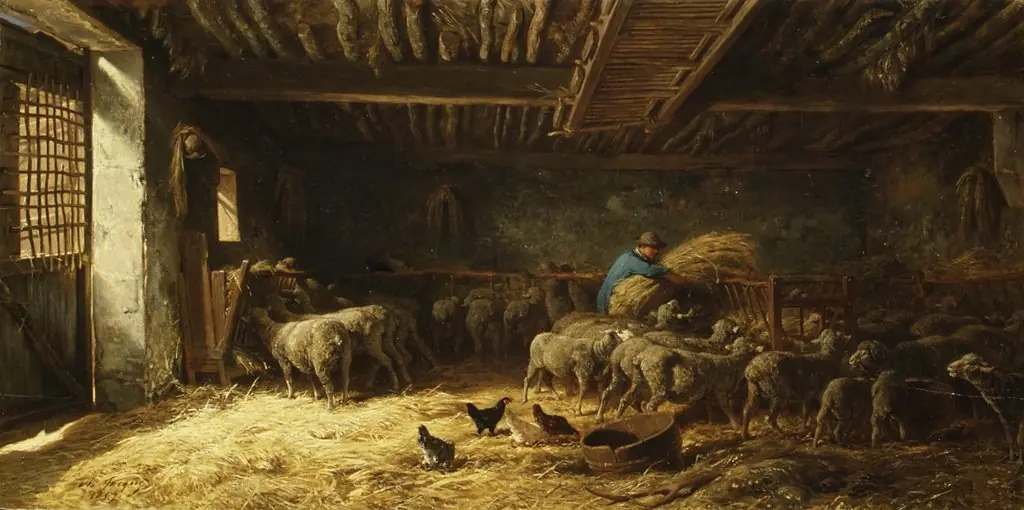
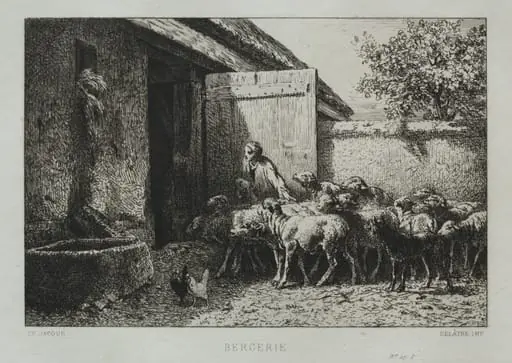 Sheepfold
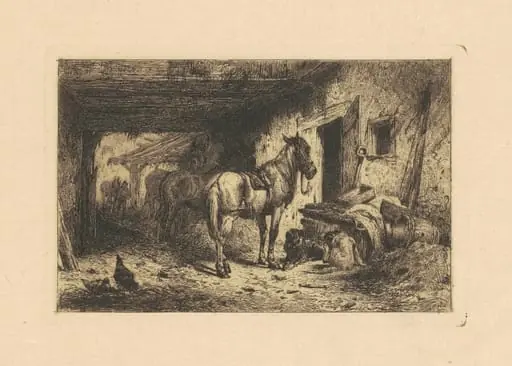 The Noonday Rest
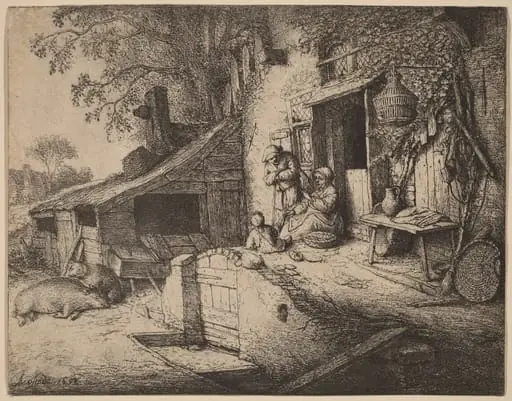 Farmstead wtih a Peasant Family Outside the Front Door, the Woman Spinning
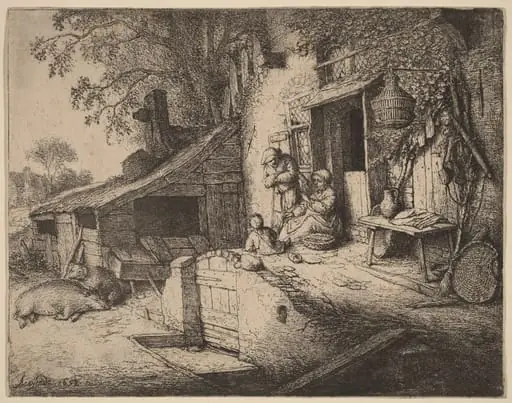 Farmstead wtih a Peasant Family Outside the Front Door, the Woman Spinning
 Interior of a Farmhouse