Artwork
Rustic House
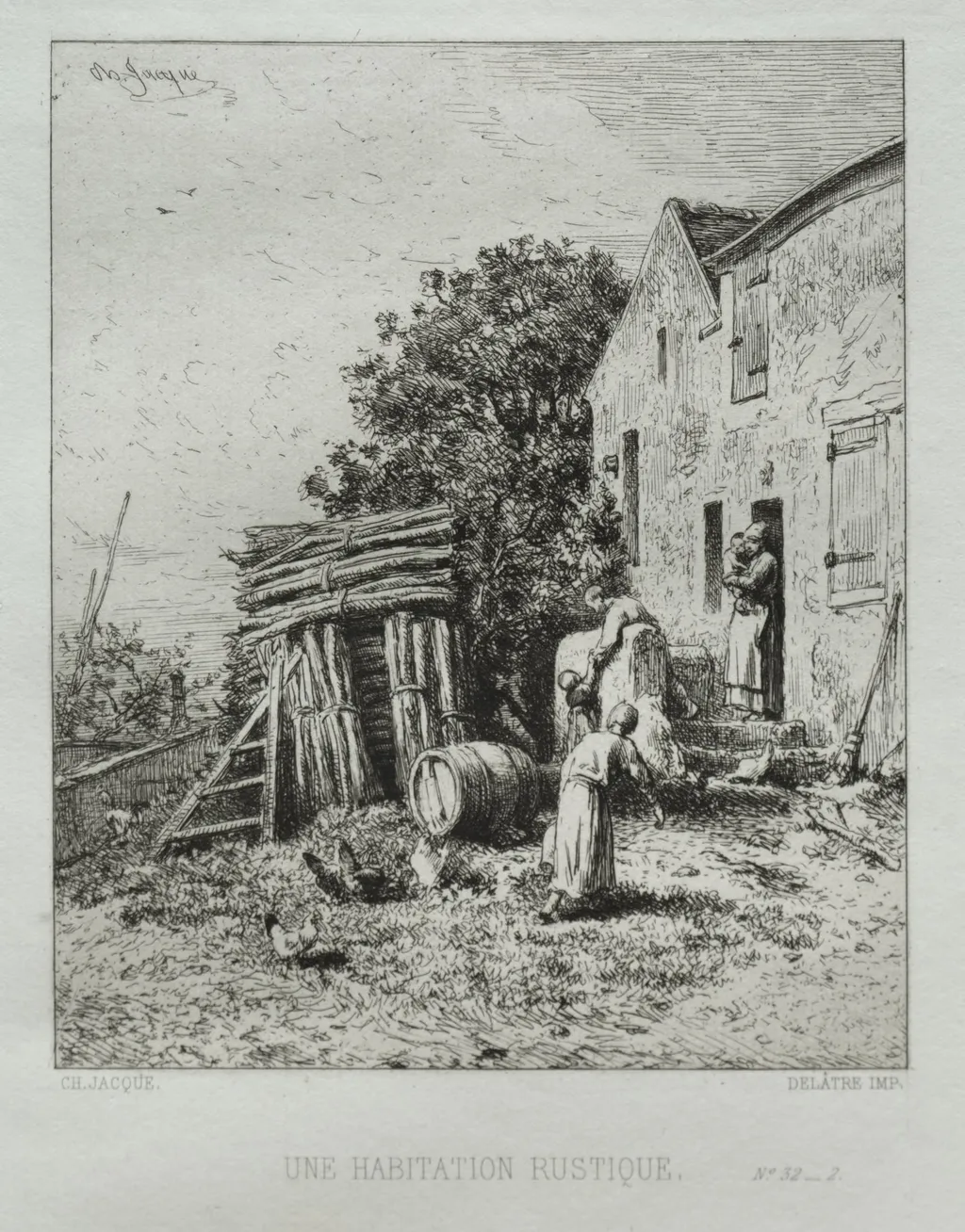
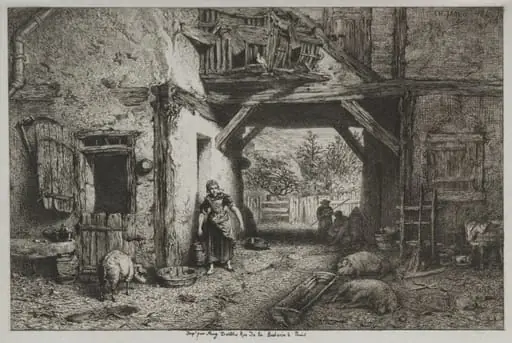
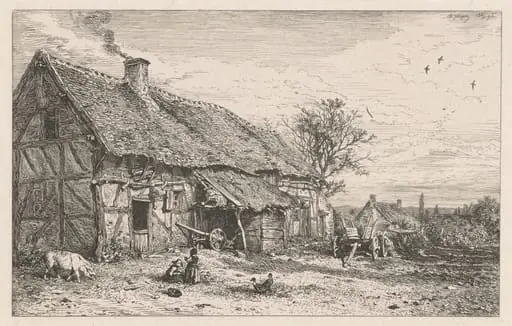
Rustic House is a print by the Impressionist artist Charles Jacque. It dates from 1865 and is held in the collection of the Cleveland Museum of Art.
About this work
Overview
Charles-Émile Jacque produced *Rustic House* in 1865 as a print reflecting his deep engagement with rural France. A key figure in the Barbizon School, he shifted from urban subjects to the quiet rhythms of country life. His background in engraving informed his precise handling of line and texture, allowing him to capture the material weight of everyday scenes with clarity and restraint.
Subject & Meaning
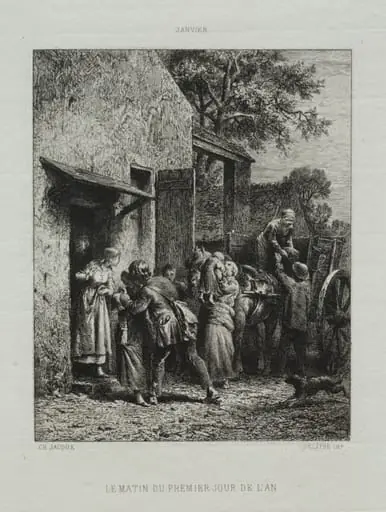
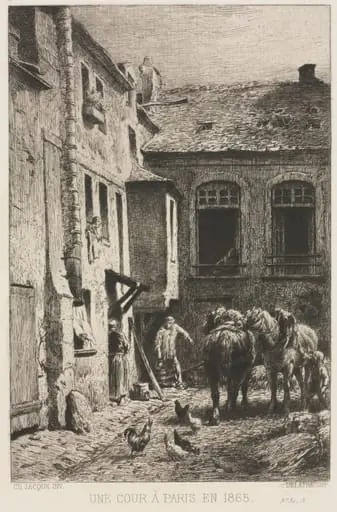
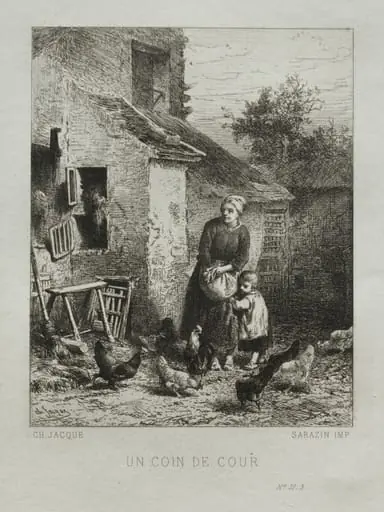
The scene depicts a modest dwelling surrounded by signs of labor: a cart loaded with firewood, scattered tools, and a barrel. Two women and a child are present, engaged in quiet, unidealized activities. The composition avoids drama, instead emphasizing endurance and routine. The title underscores the ordinary nature of the setting — a home shaped by necessity, not ornament.
Technique & Style
Jacque employed drypoint and etching to render the rough surfaces of wood, fabric, and earth with tactile precision. His lines are deliberate and varied, capturing the grain of timber, the folds of worn clothing, and the uneven ground. The absence of idealization aligns with Realist principles, prioritizing observed detail over romanticized sentiment.
History & Provenance
Created during Jacque’s most active period in the Barbizon region, the print emerged from a circle of artists committed to depicting rural labor. Though not widely exhibited at the time, it circulated among collectors interested in authentic rural imagery. Its survival in institutional collections reflects its role as a quiet testament to 19th-century peasant life.
Context
In mid-19th-century France, urbanization and industrialization prompted artists to revisit the countryside as a site of cultural memory. Jacque, alongside Millet and others, rejected academic idealism in favor of unembellished portrayals of agricultural existence. *Rustic House* belongs to this broader shift, offering a sober counterpoint to grand historical narratives.
Legacy
Jacque’s prints like *Rustic House* influenced later generations interested in social realism and the dignity of labor. While less celebrated than his contemporaries, his technical discipline and commitment to everyday subjects helped sustain the Barbizon ethos beyond painting into printmaking. The work remains a reference for its unadorned vision of rural France.
Artist & collection
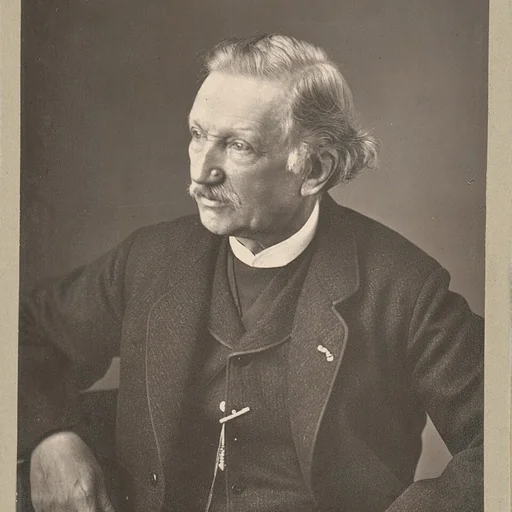
Artist
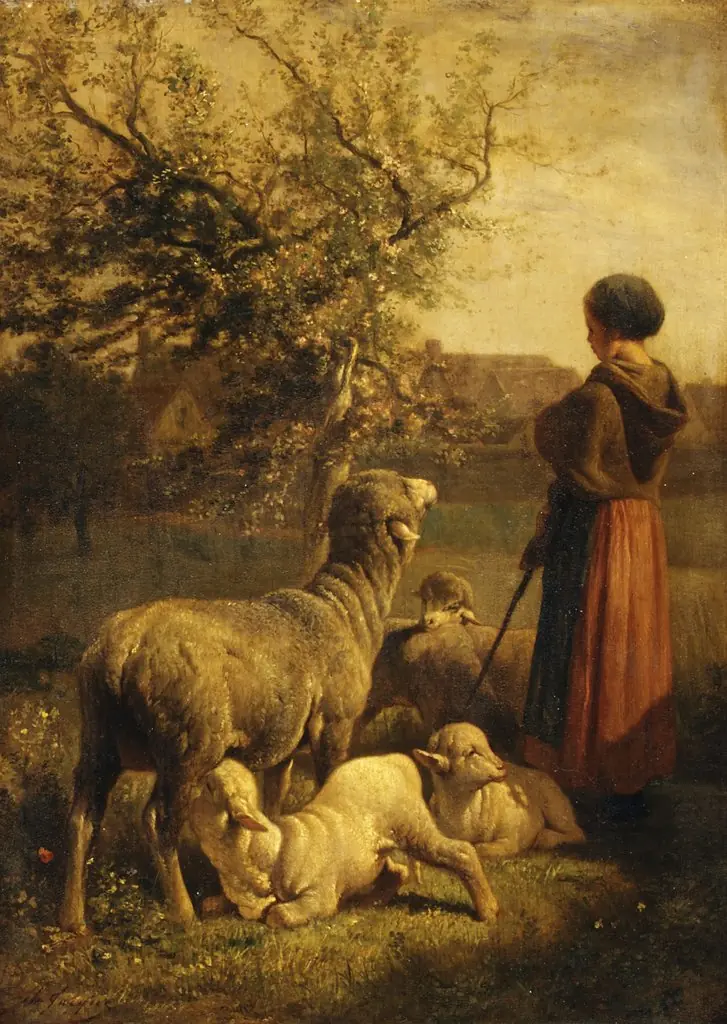
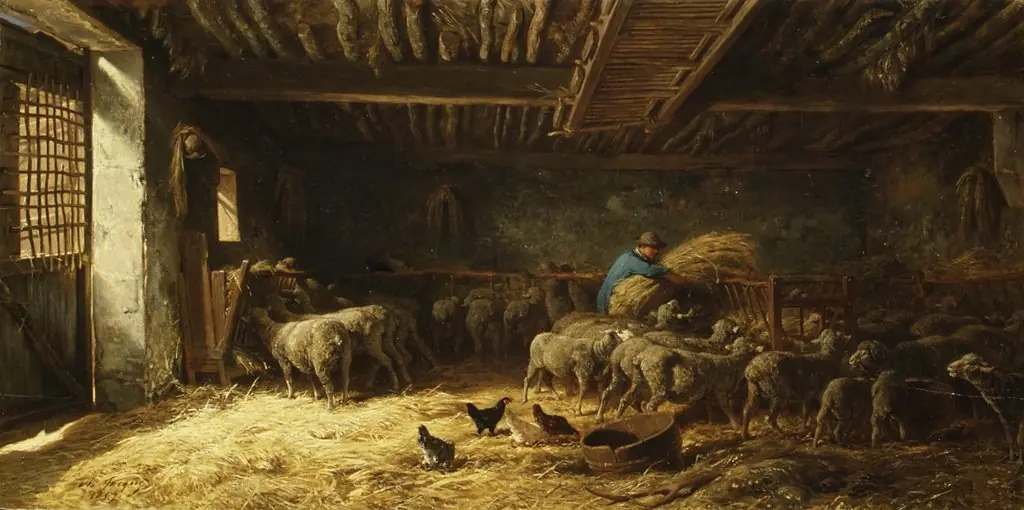
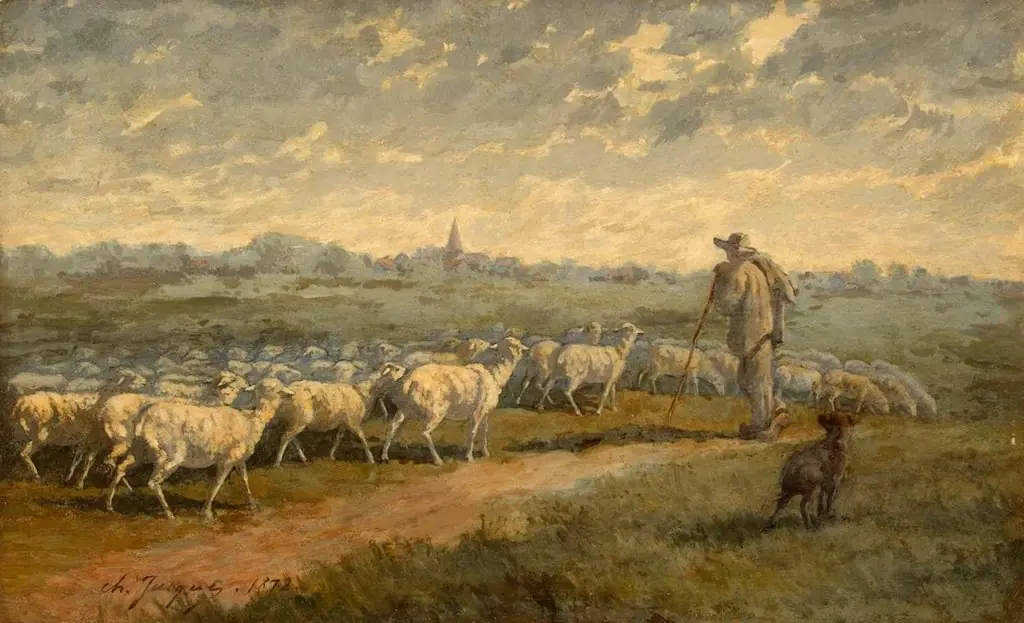
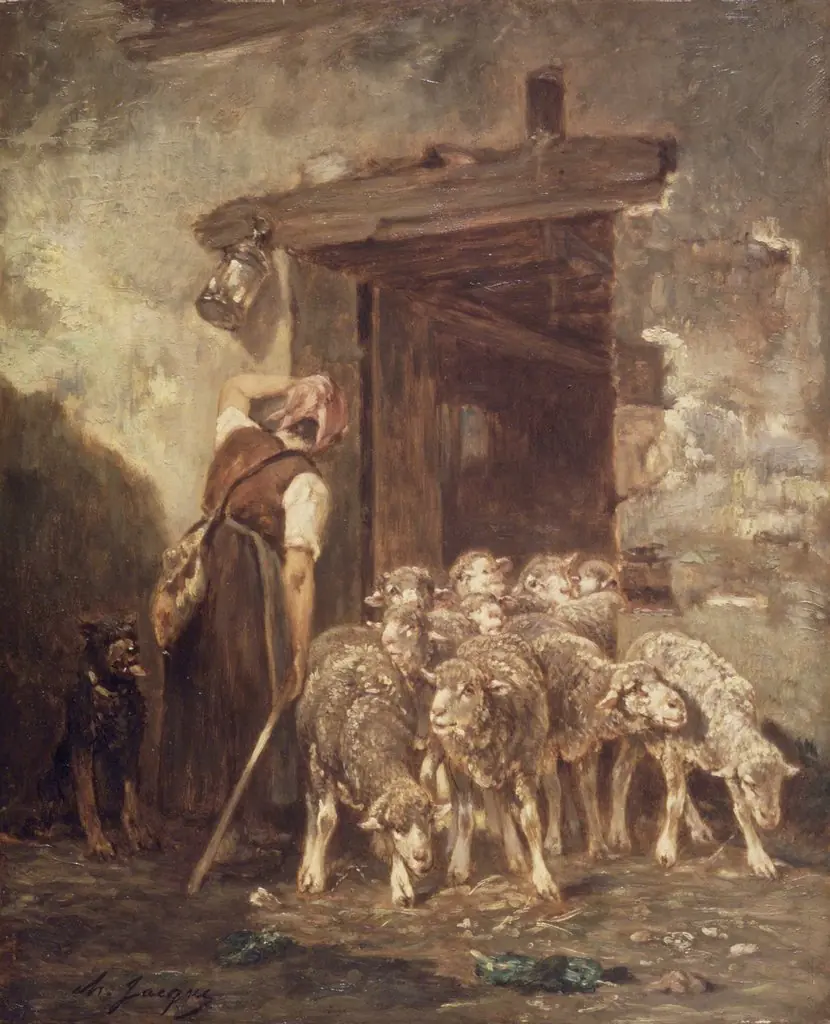
Charles-Émile Jacque (23 May 1813 – 7 May 1894) was a French painter of Pastoralism and engraver who was, with Jean-François Millet, part of the Barbizon School. He first learned to engrave maps when he spent seven years in the French Army.