Artwork
Washerwoman
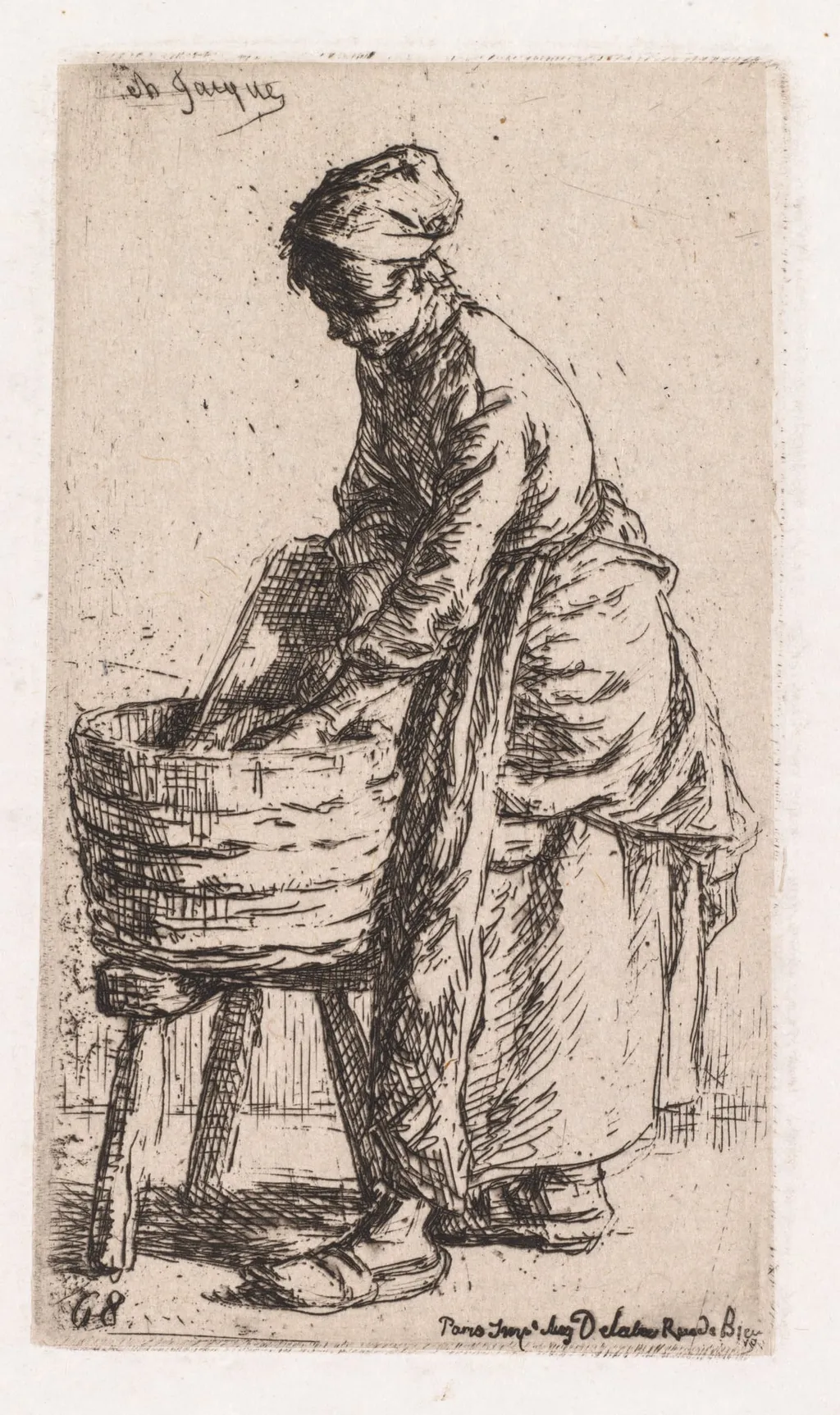
Washerwoman is a print by the Impressionist artist Charles Jacque. It dates from 1850 and is held in the collection of the Cleveland Museum of Art.
About this work
Overview
Washerwoman, created in 1850 by Charles-Émile Jacque, is a print embodying the Barbizon School's emphasis on rural everyday life. The scene focuses on a solitary woman engaged in a mundane task, set amidst a serene natural backdrop.
Subject & Meaning
The print depicts a washerwoman kneeling by a stream, surrounded by trees and hills, highlighting the quiet, laborious aspect of rural life. The artist's attention to the woman's attire and surroundings underscores a commitment to honest representation of daily existence.
Technique & Style
Jacque's background in engraving and potential use of chiaroscuro (implied by the emphasis on light and shadow in similar Barbizon works) likely influenced the print's execution, though specific techniques used in *Washerwoman* are not detailed here.
History & Provenance
Created in 1850 by Charles-Émile Jacque, a French artist with a background in engraving and military cartography, the print's subsequent ownership history is not provided.
Context
*Washerwoman* aligns with the Barbizon School's thematic focus on the everyday lives of rural workers, diverging from more romanticized or aristocratic subjects prevalent in contemporary art.
Legacy
While *Washerwoman*'s direct impact is unspecified, it contributes to the broader legacy of the Barbizon School in promoting realistic depictions of common life, influencing later artistic movements.
Artist & collection
Artist
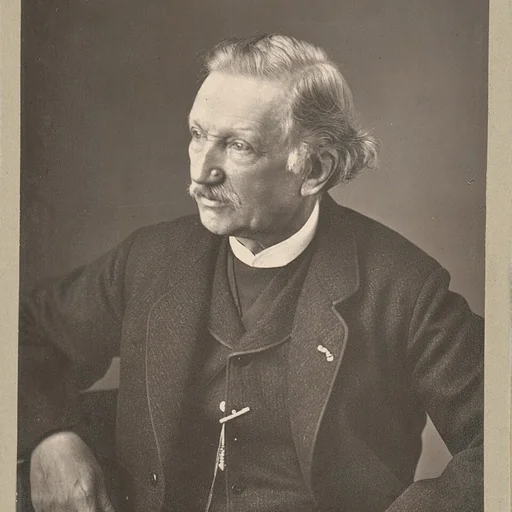
Charles-Émile Jacque (23 May 1813 – 7 May 1894) was a French painter of Pastoralism and engraver who was, with Jean-François Millet, part of the Barbizon School. He first learned to engrave maps when he spent seven years in the French Army.

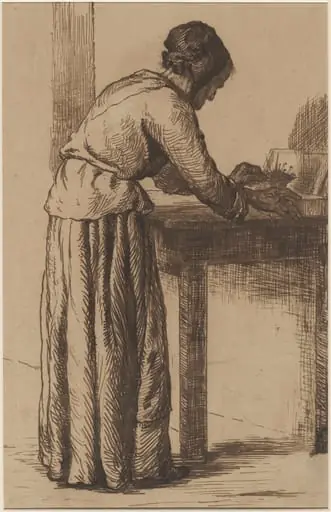 Old Woman Working
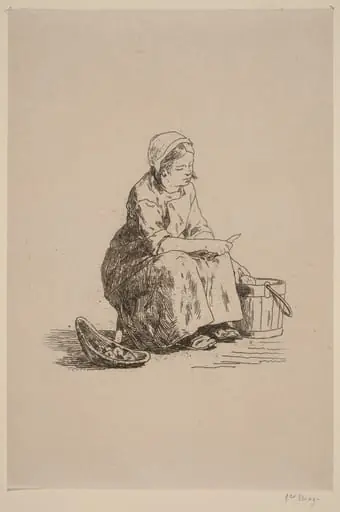 The Little Potato Peeler (La petite peleuse de pommes de terre)
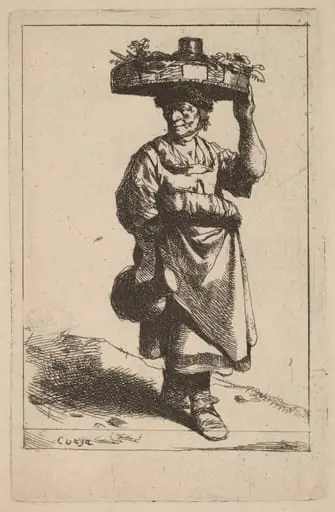 Woman Carrying a Basket
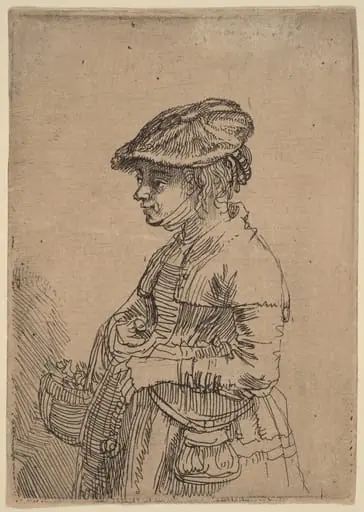 Girl with a Basket
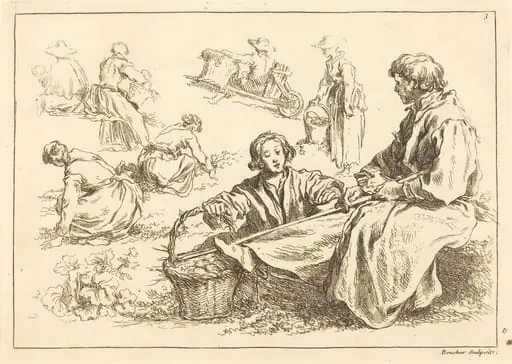 Figure Studies including Two Seated Peasants
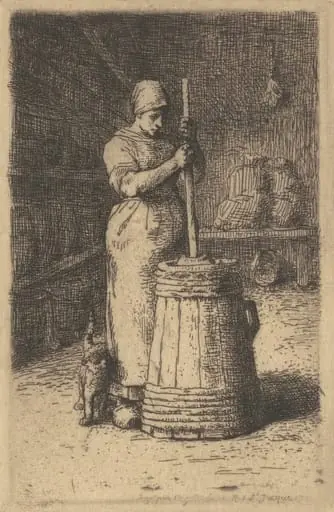 The Churner (La Baratteuse)
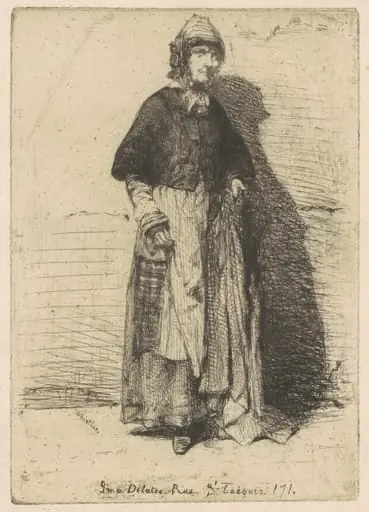 La Mère Gérard
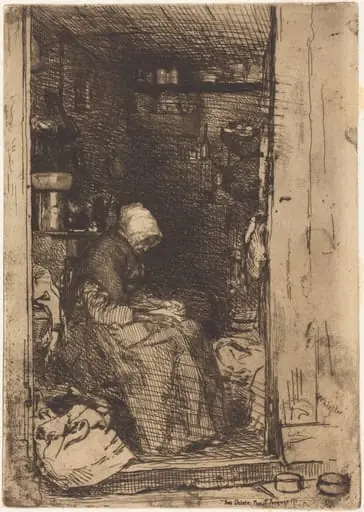 La Vieille aux Loques
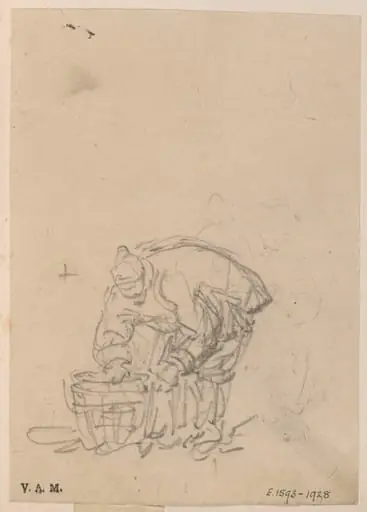 A stooping Chinese figure
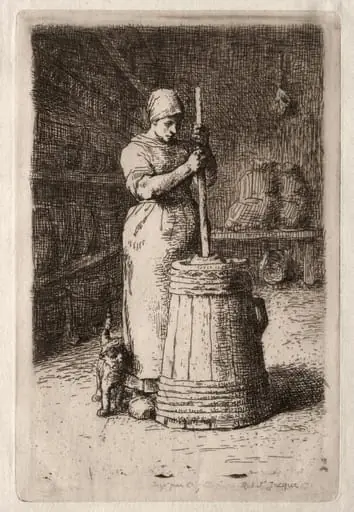 Woman Churning Butter
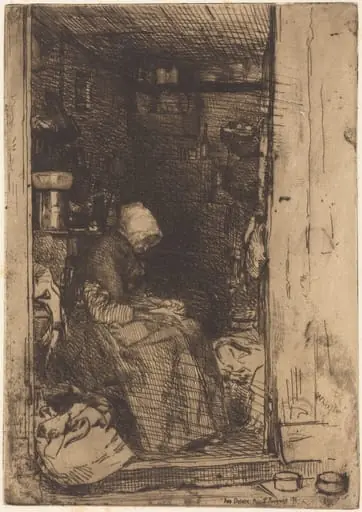 La Vieille aux Loques
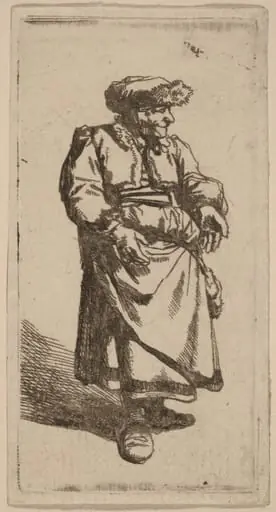 Old Woman Standing