Artwork
Don Quixote and Dorothea (from Cervantes' novel)
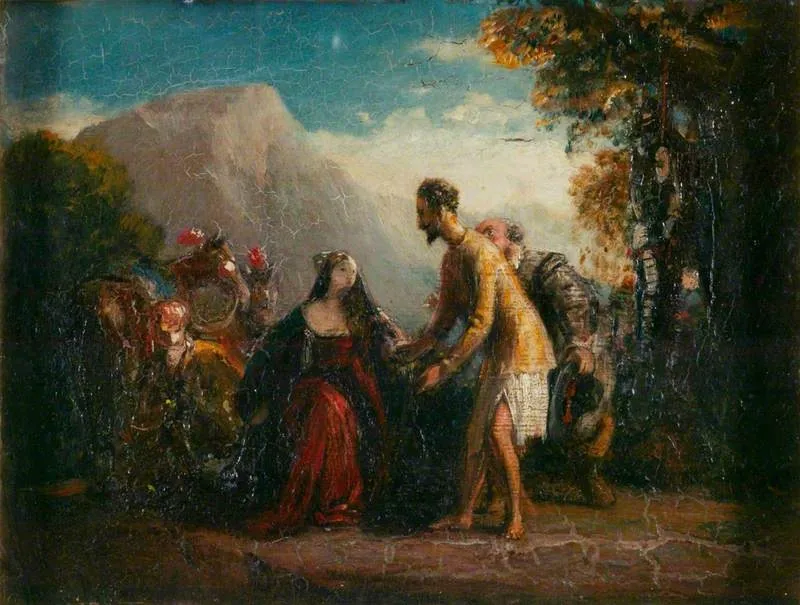
Don Quixote and Dorothea (from Cervantes' novel) is an oil painting by the British Romanticist artist Charles Robert Leslie. It dates from 1825 and is held in the collection of the Victoria and Albert Museum.
About this work
Overview
Charles Robert Leslie's 1825 oil painting depicts a scene from Cervantes' novel, featuring Don Quixote and Dorothea in a rural setting, now part of the Victoria and Albert Museum's collection.
Subject & Meaning
The painting illustrates a moment of interaction between Don Quixote, dressed in a simple white tunic and holding a hat, and Dorothea, in a long, flowing red dress, as they face each other. A bystander group, including a horseman in a red hat, observes the scene, suggesting a public or dramatic encounter.
Technique & Style
Leslie's use of oil paint captures detailed, realistic attire and natural surroundings, with contrasting colors (notably the red dress and hat against simpler tones) drawing attention to the main figures amidst the serene, clouded blue sky and mountainous backdrop.
History & Provenance
Created in 1825 by Charles Robert Leslie, the painting is currently housed at the Victoria and Albert Museum, indicating its recognition as a notable representation of literary adaptation in early 19th-century art.
Context
The work reflects the early 19th-century interest in illustrating literary classics, with Cervantes' 'Don Quixote' being a popular subject. The rural setting and depiction of characters align with the novel's themes of chivalry, reality, and observation.
Legacy
As part of the Victoria and Albert Museum's collection, the painting contributes to the institution's holdings of literary-inspired art, offering insight into how 19th-century artists interpreted canonical texts.
Artist & collection

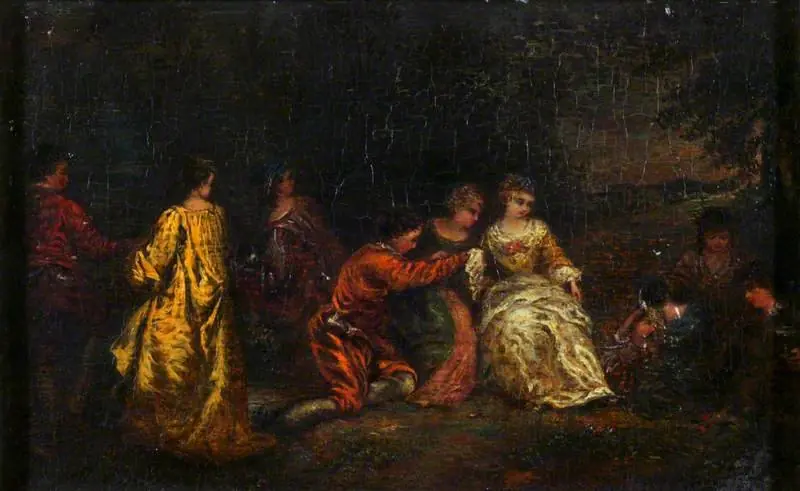 Fête champêtre
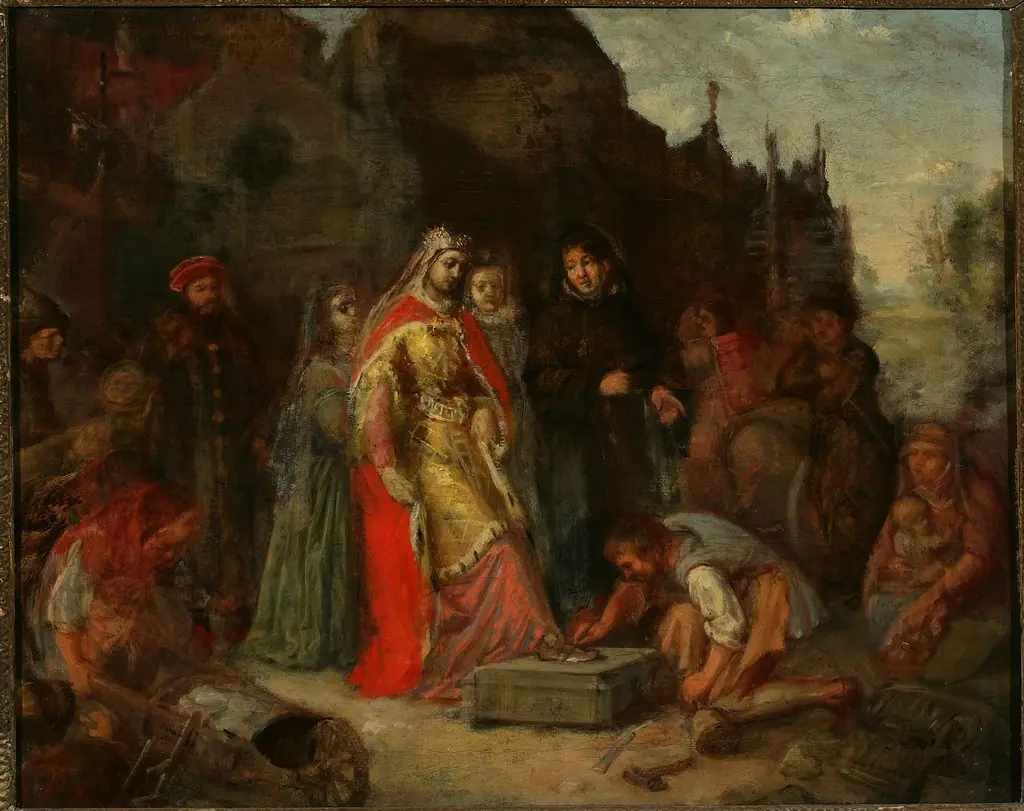 Little foot of Queen Jadwiga
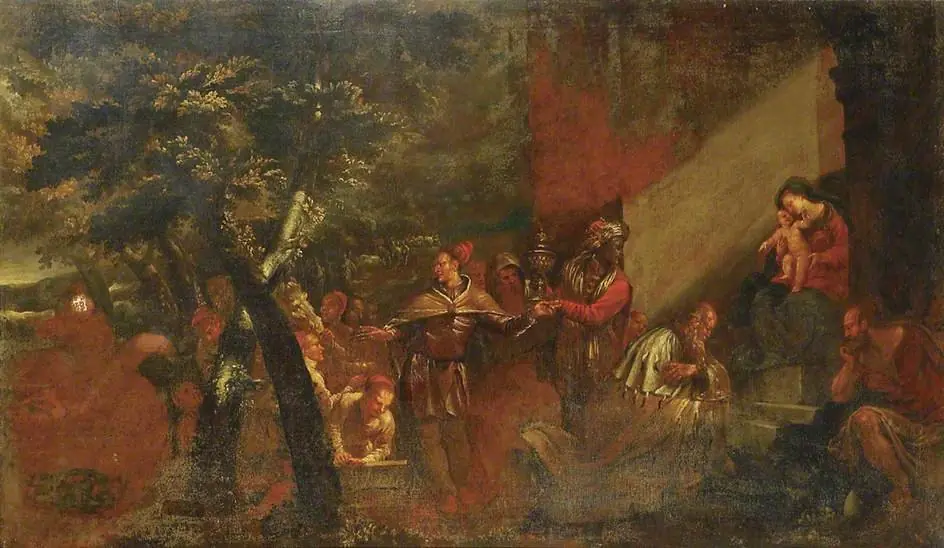 The Adoration of the Magi
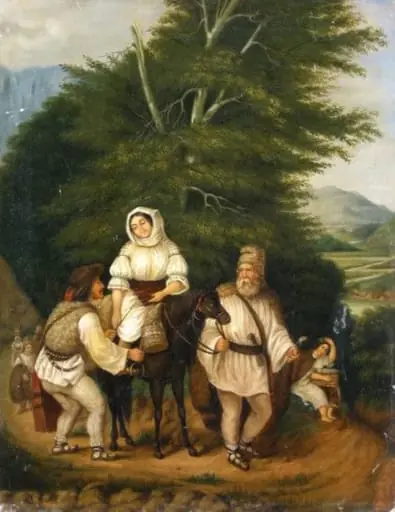 Țărani sălișteni la târg
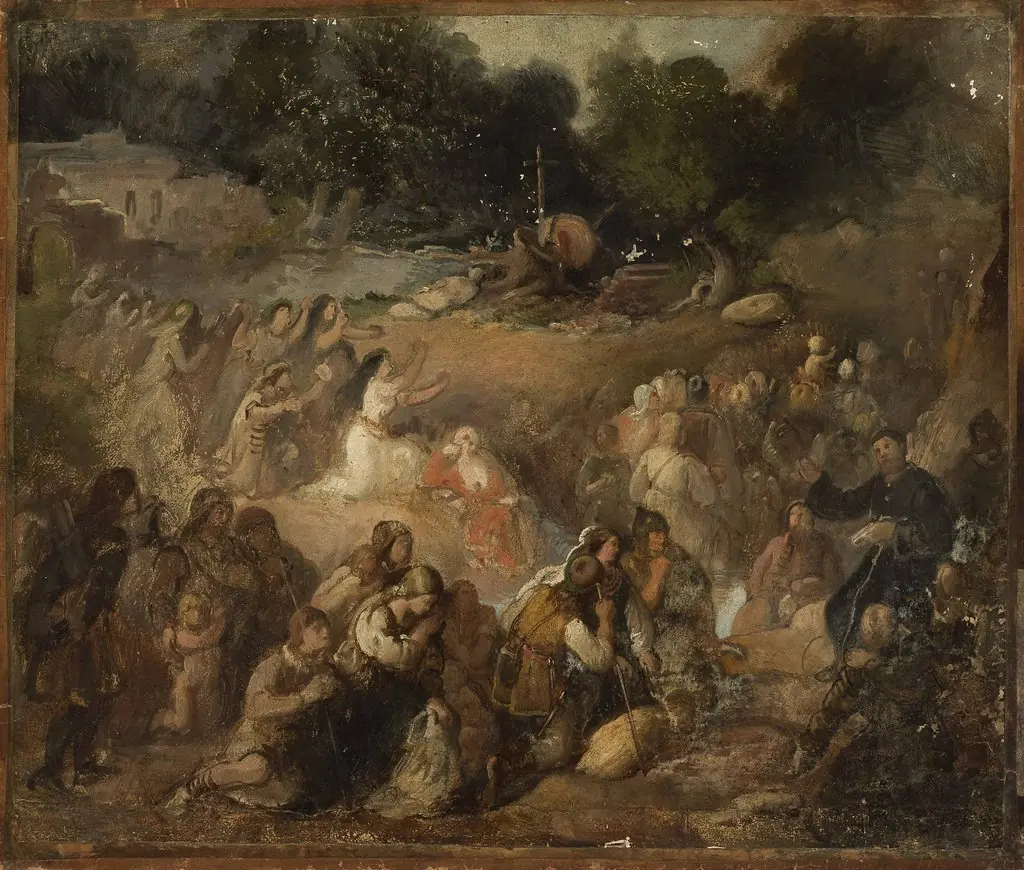 Baptism of Lithuania
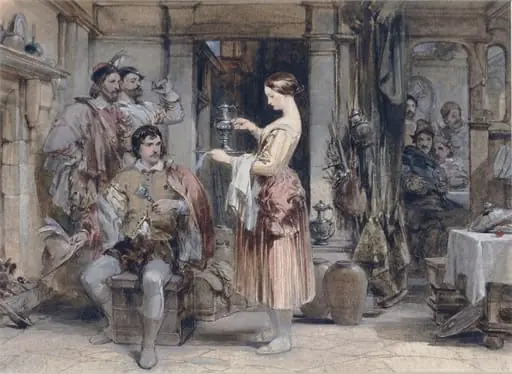 The Silent Warning
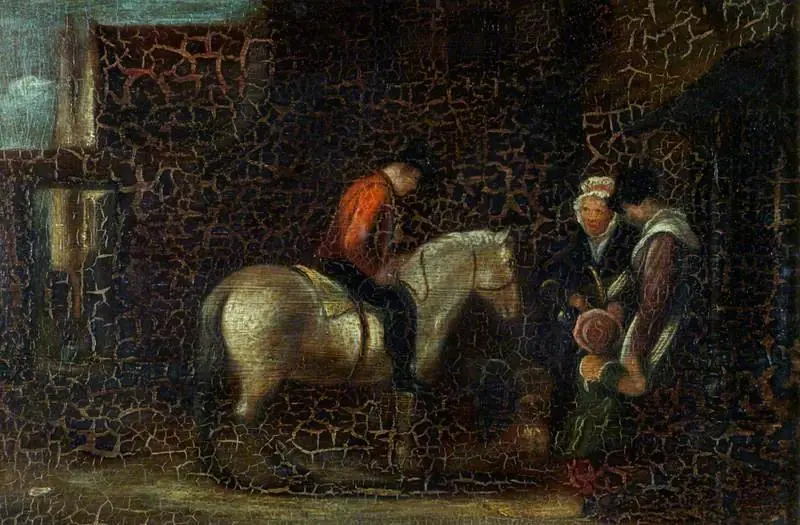 The Errand Boy
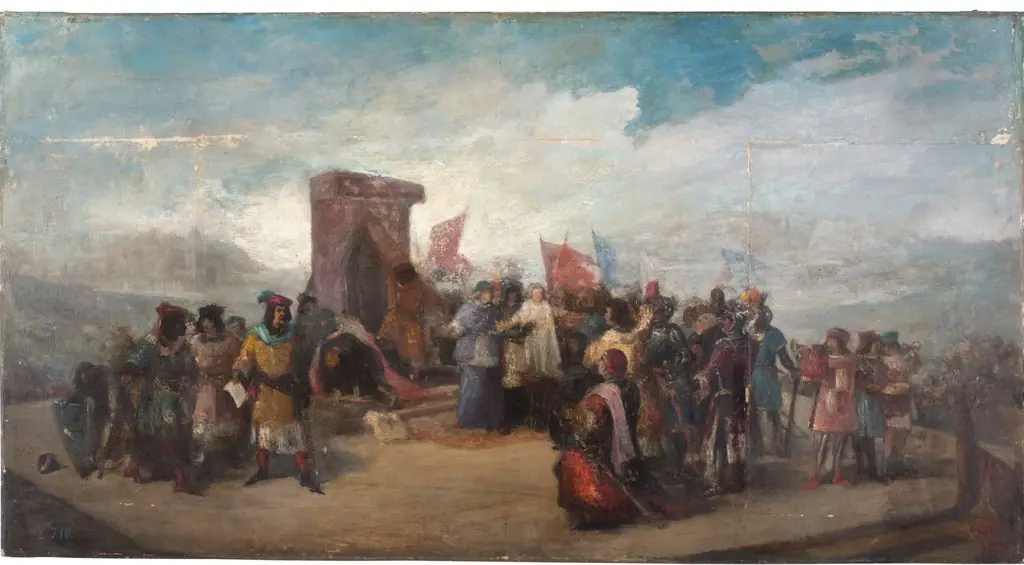 La farsa de Ávila
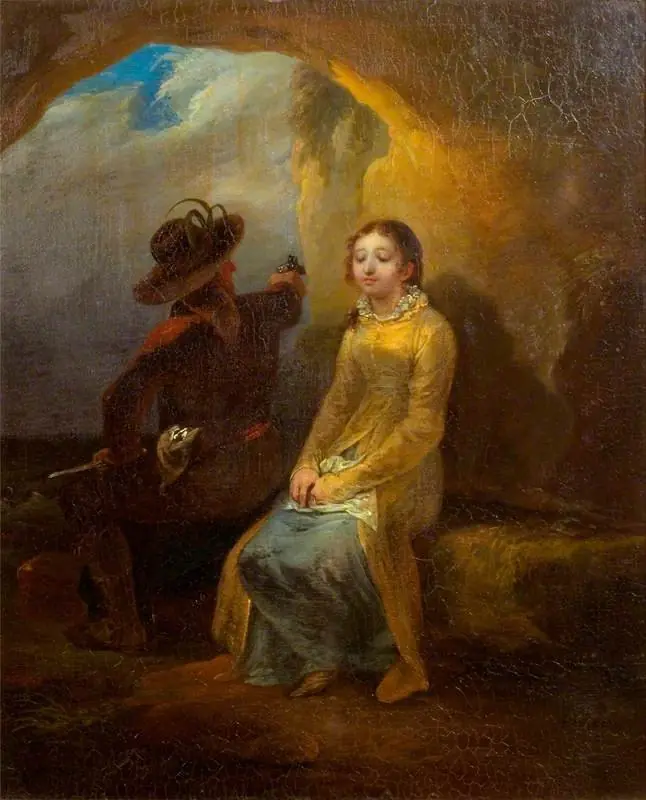 The Captive
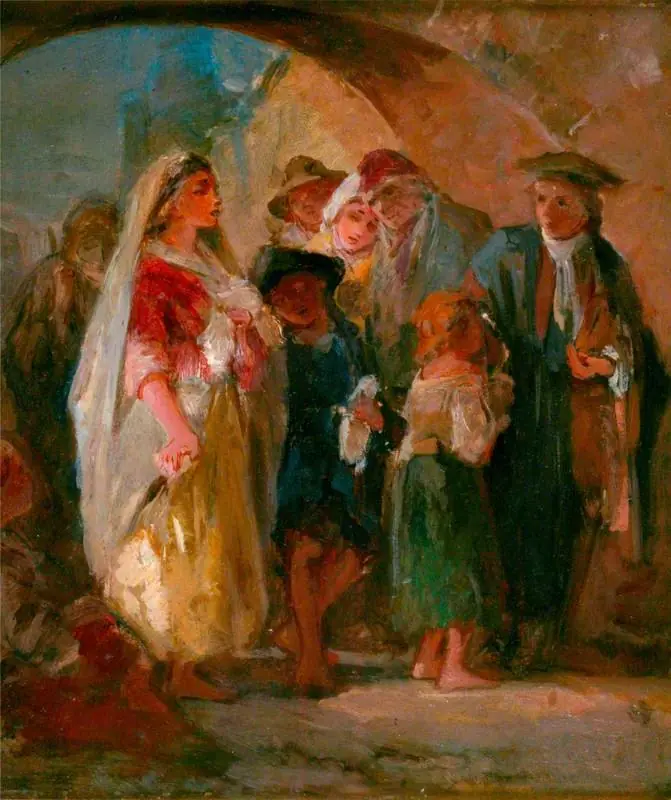 Oliver Goldsmith (1728/1730–1774), as a Young Man (sketch for John Forster's 'Life of Oliver Goldsmith')
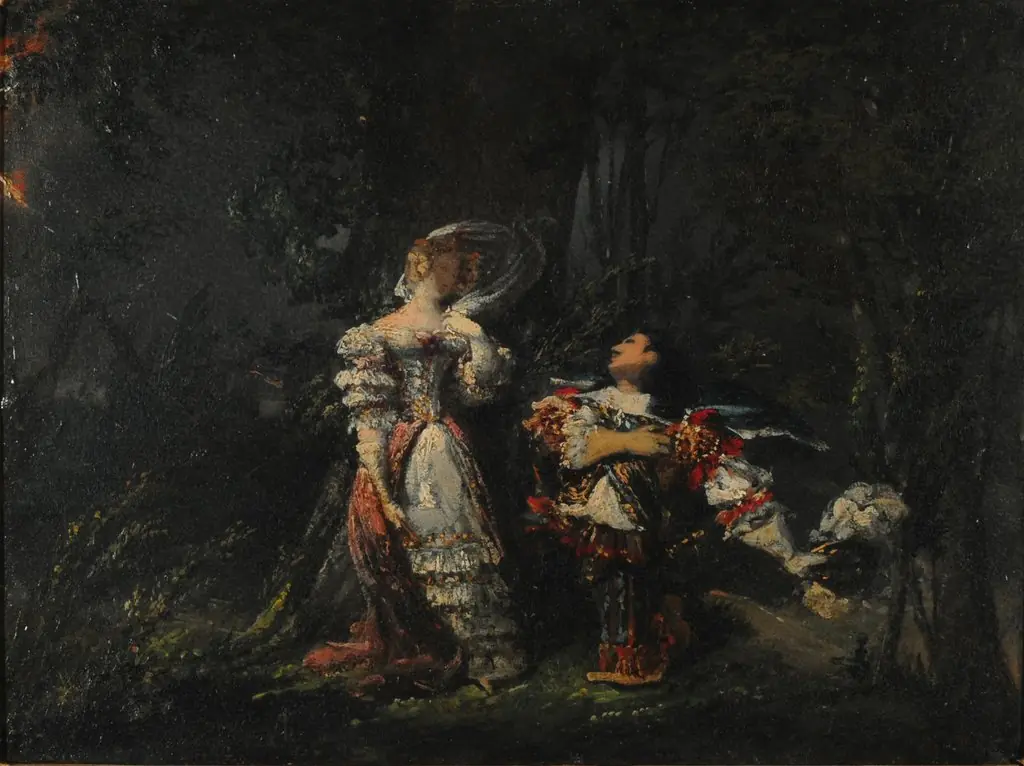 Louis XIV and Mlle. De La Valliere
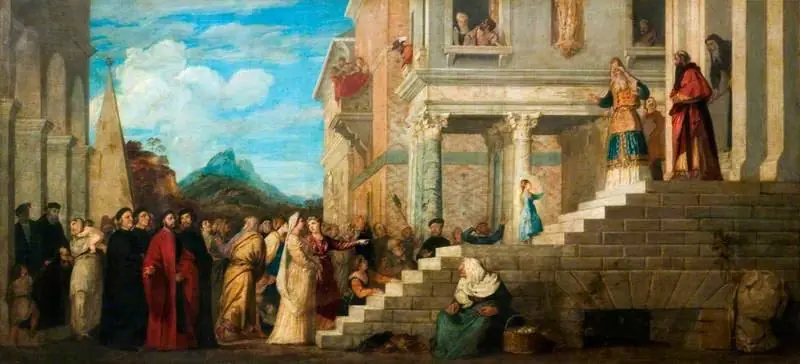 The Presentation of the Virgin in the Temple (after Titian)