Artwork
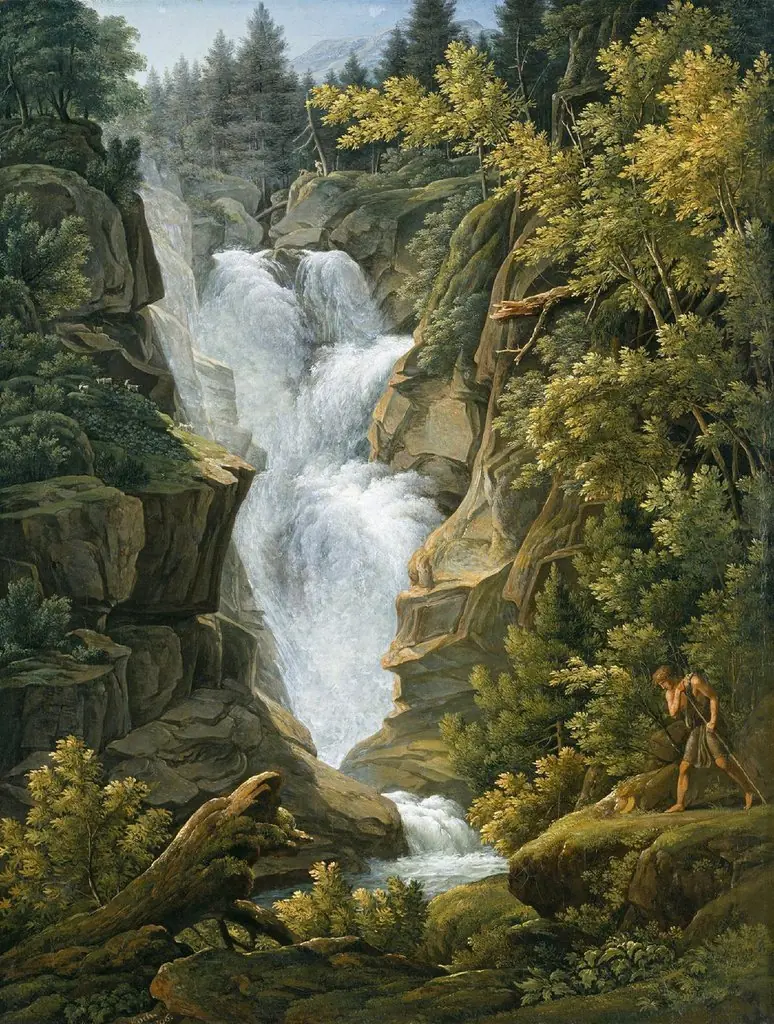
Hermit praying at the waterfall
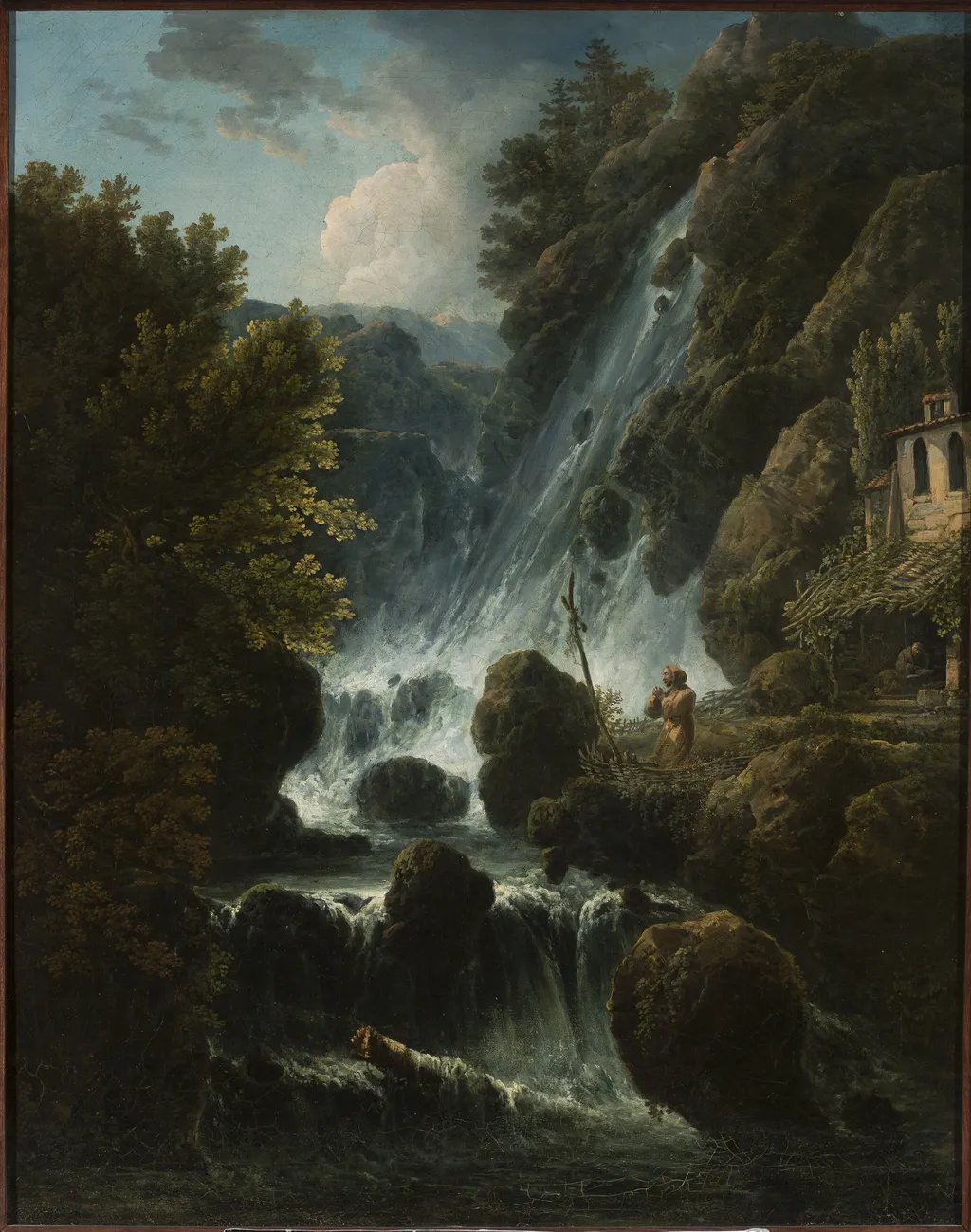
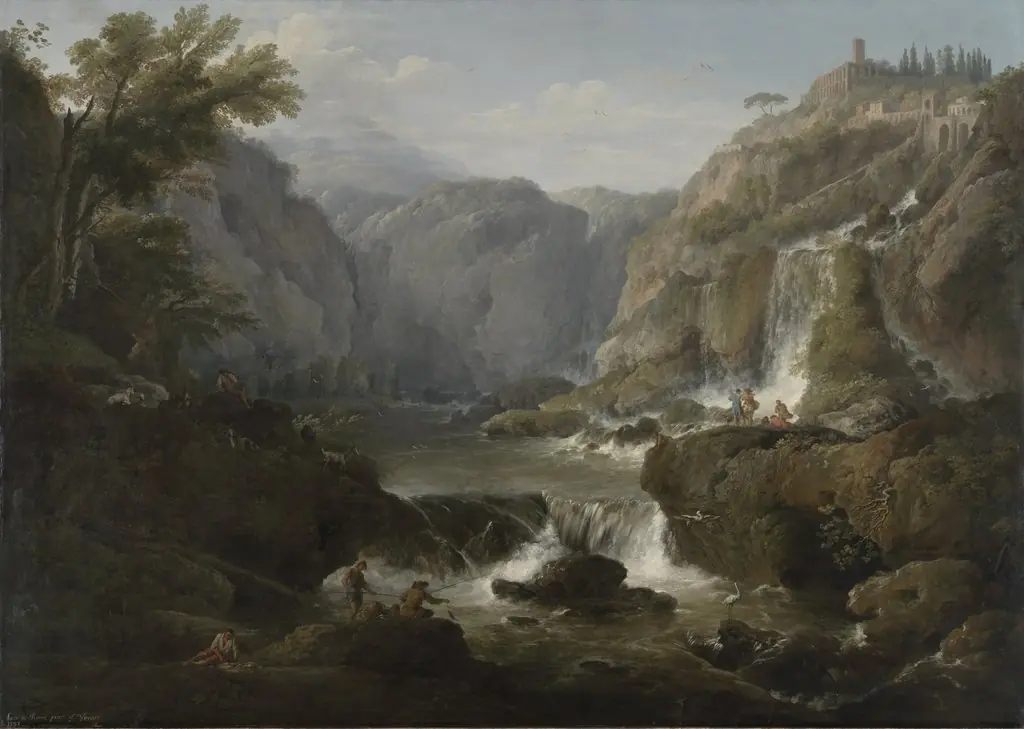
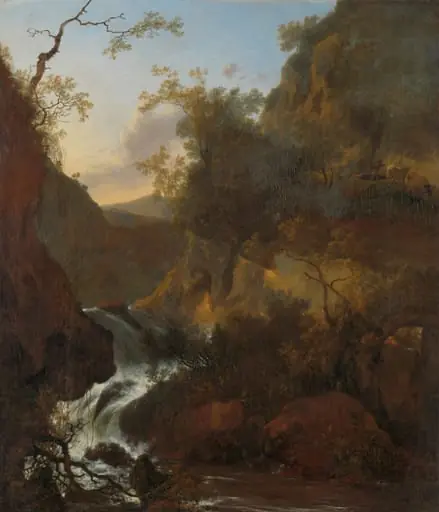
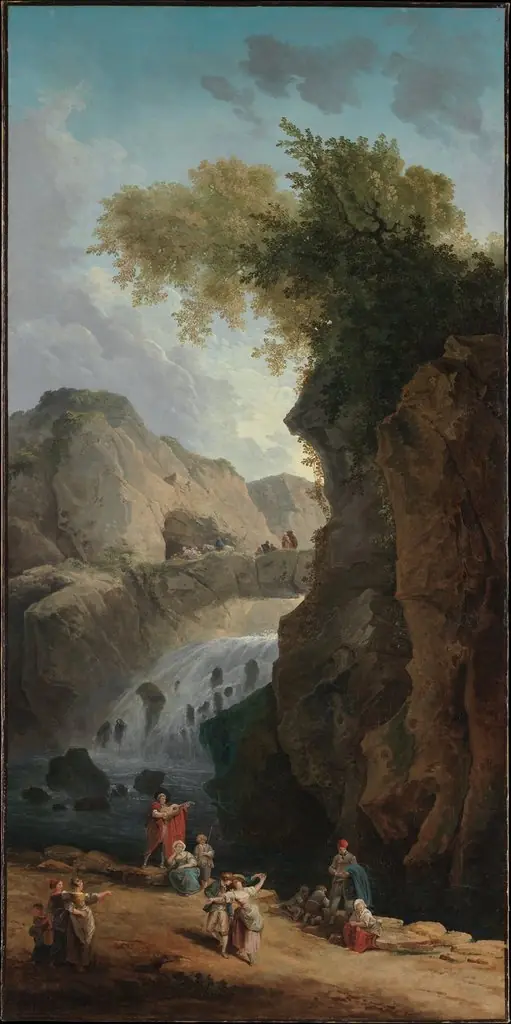
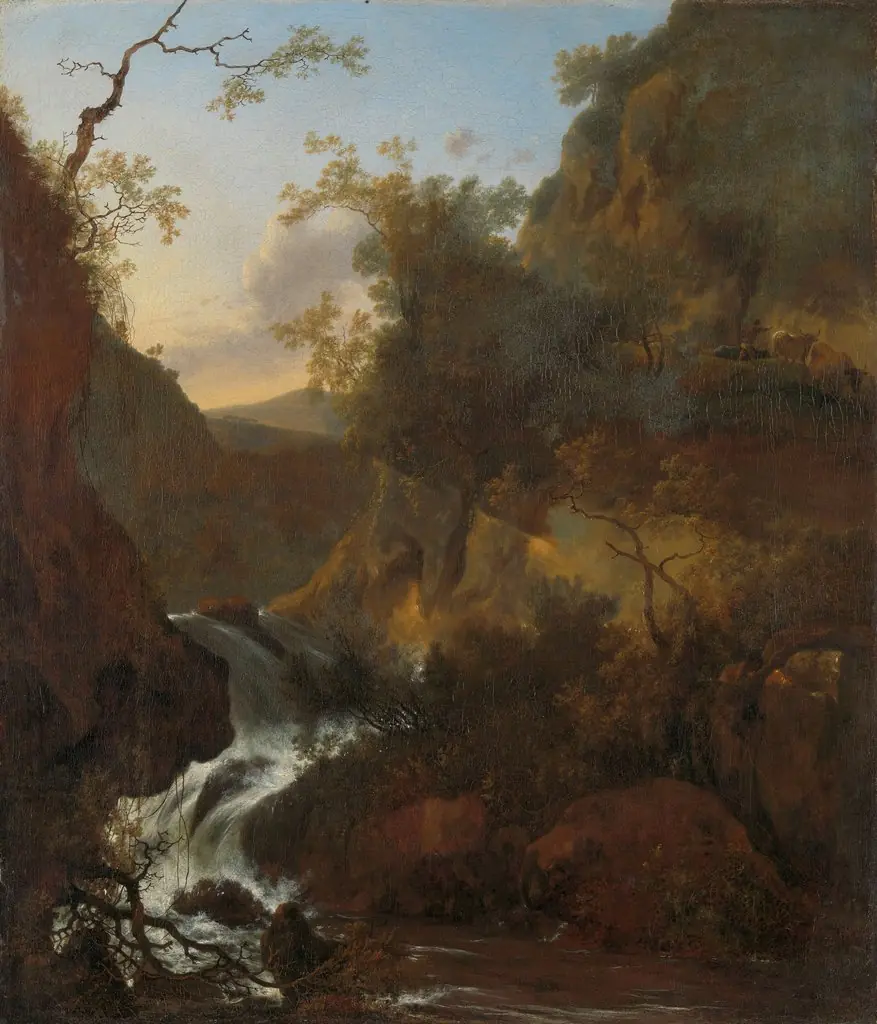
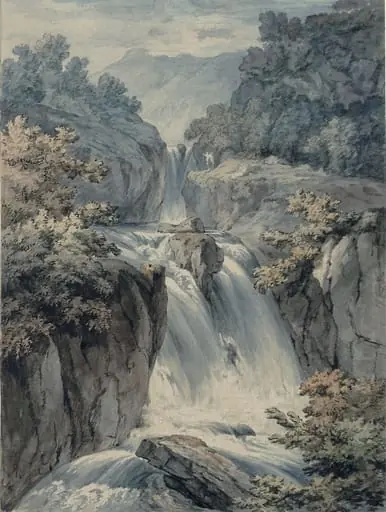
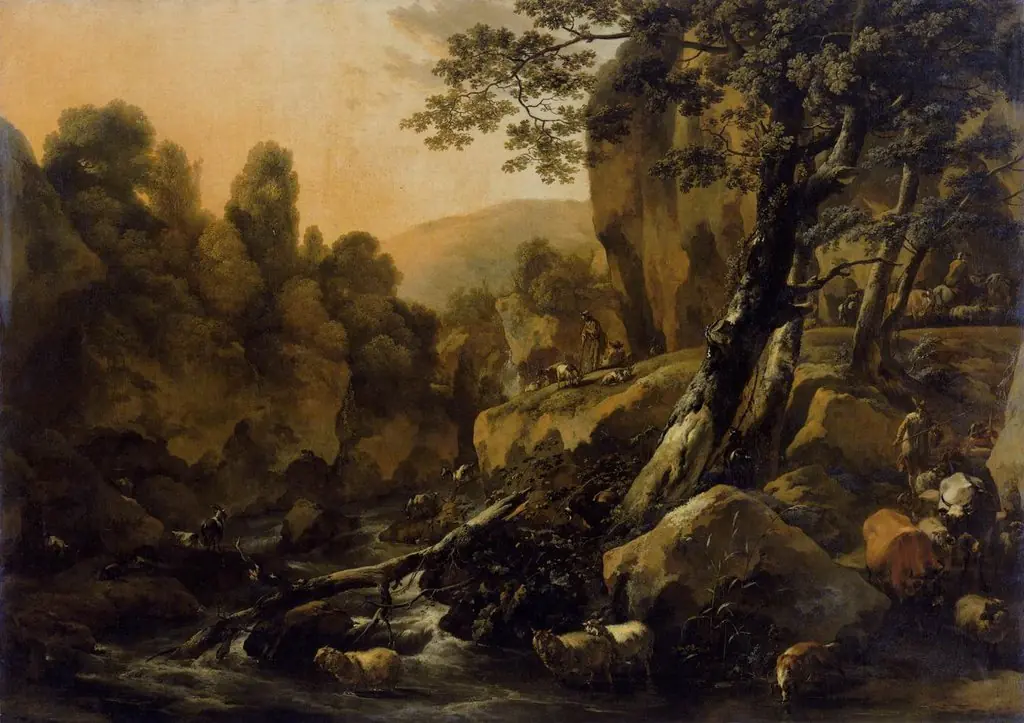
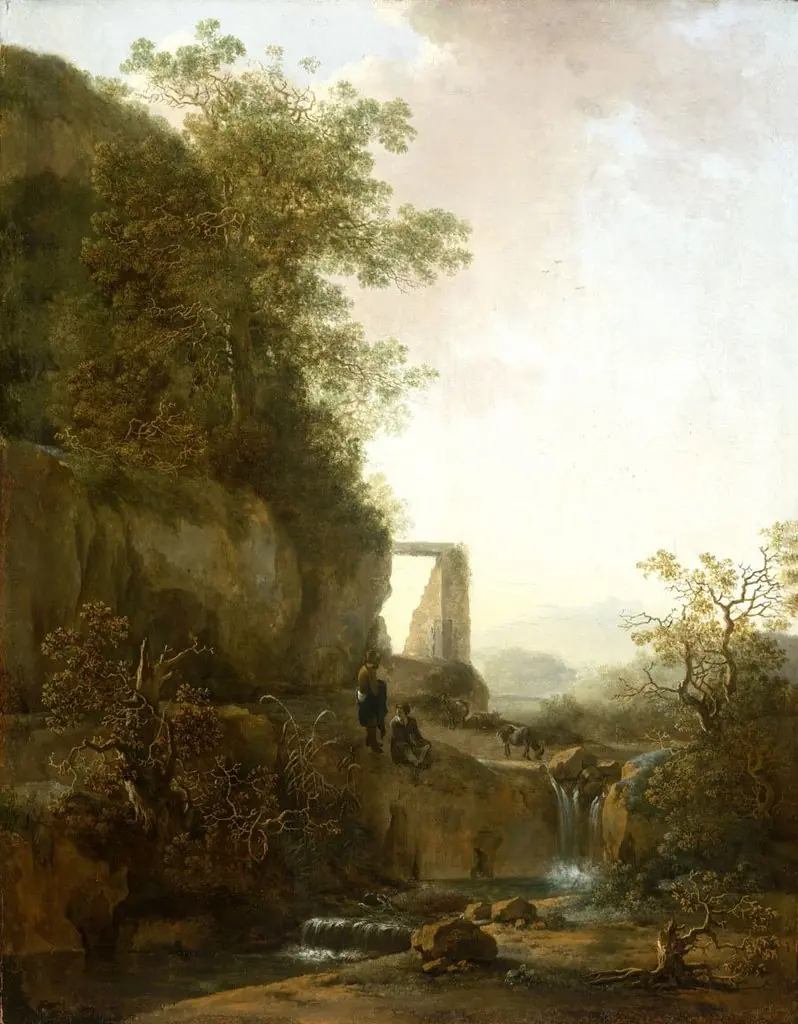
Hermit praying at the waterfall is an oil painting by Charles Santoire de Varenne. It dates from 1819 and is held in the collection of the National Museum in Warsaw.
About this work
Overview
The painting resides in the National Museum in Warsaw, where it is preserved as an example of early 19th-century European spiritual landscape painting.
Painted in 1819 by Charles Santoire de Varenne, this oil work depicts a solitary hermit in quiet devotion beside a cascading waterfall. The scene is contained within a natural setting of dense foliage and rugged stone, rendered with careful attention to light and atmosphere. The painting resides in the National Museum in Warsaw, where it is preserved as an example of early 19th-century European spiritual landscape painting.
Subject & Meaning
The hermit, cloaked in a plain robe, stands motionless on a moss-covered rock, facing the falling water as if in prayer. His isolation and stillness suggest a withdrawal from worldly concerns, aligning with ascetic traditions. The waterfall, neither violent nor gentle, becomes a symbol of continuous renewal, reinforcing the theme of inner reflection and communion with nature as a form of spiritual practice.
Technique & Style
Varenne employs soft transitions between light and shadow to model the hermit’s form and the wet rock surfaces, suggesting a subtle use of chiaroscuro. Warm earth tones in the foliage and stone contrast with the cool grays of mist and water, guiding the viewer’s focus to the figure. Brushwork is restrained, favoring smooth blends over texture, enhancing the calm, meditative mood of the composition.
History & Provenance
The painting was completed in 1819 and entered the collection of the National Museum in Warsaw at an early date, likely through state acquisition or donation. Its presence in the museum’s holdings indicates recognition within Polish cultural institutions during the 19th century, though little is documented about its exhibition history or ownership prior to its arrival in Warsaw.
Context
Created during a period when Romanticism emphasized emotion, solitude, and nature’s sublime power, the painting reflects broader European interests in spiritual retreat and the moral value of wilderness. While not part of a major artistic movement, it aligns with contemporaneous works that portrayed hermits and monks as symbols of moral clarity amid industrial and political change.
Legacy
Though not widely reproduced or studied outside Poland, the painting remains a quiet example of how religious themes were integrated into landscape painting in the early 1800s. It continues to be displayed in Warsaw as part of the museum’s collection of 19th-century European art, offering viewers a contemplative space within its walls.
Artist & collection
Artist
Charles Santoire de Varenne (1763–1834) was an artist, born in Paris.