Artwork
Fishersman's Widow
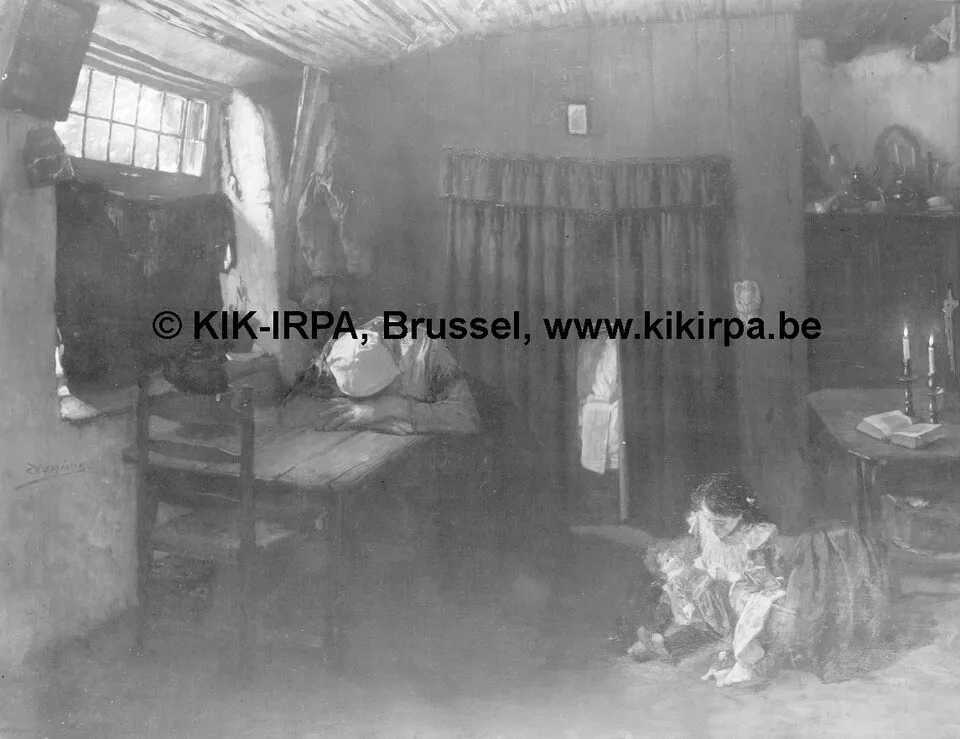
Fishersman's Widow is an oil painting by Charles Victor Ensinck. It dates from 1890 and is held in the collection of the Royal Museum of Fine Arts Antwerp.
About this work
Overview
Charles Victor Ensinck’s oil painting Fishersman’s Widow, executed around 1890, is part of the collection of the Royal Museum of Fine Arts in Antwerp. The work presents a quiet, interior tableau rendered in subdued tones, inviting close observation of the figures and their emotional state.
Subject & Meaning
The composition shows a widowed woman seated at a modest table, her head lowered in evident sorrow, while a young girl kneels nearby. The muted setting and the figures’ restrained gestures suggest a moment of private mourning, emphasizing themes of loss and familial support within a humble domestic space.
Technique & Style
Ensinck employs a restrained chiaroscuro, allowing a single window’s faint light to illuminate the central figures against a darker background. This contrast creates depth and focuses attention on the women’s expressions. The palette is limited to earth tones, and the straightforward arrangement reinforces the painting’s intimate, contemplative atmosphere.
History & Provenance
Created in the late nineteenth century, Fishersman’s Widow entered the Royal Museum of Fine Arts Antwerp’s holdings, where it remains on display. The museum’s acquisition reflects its interest in representing Belgian genre painting of the period, preserving Ensinck’s contribution to the era’s domestic narrative tradition.
Context
The work belongs to a broader nineteenth‑century trend of genre scenes that depict everyday life with emotional nuance. Ensinck’s focus on a widowed figure aligns with contemporary concerns about social hardship and the role of women in sustaining family cohesion after loss.
Artist & collection

 Still Life
 Public Water Pump on the Old Fish Market in Antwerp
 Woman Washing Dishes
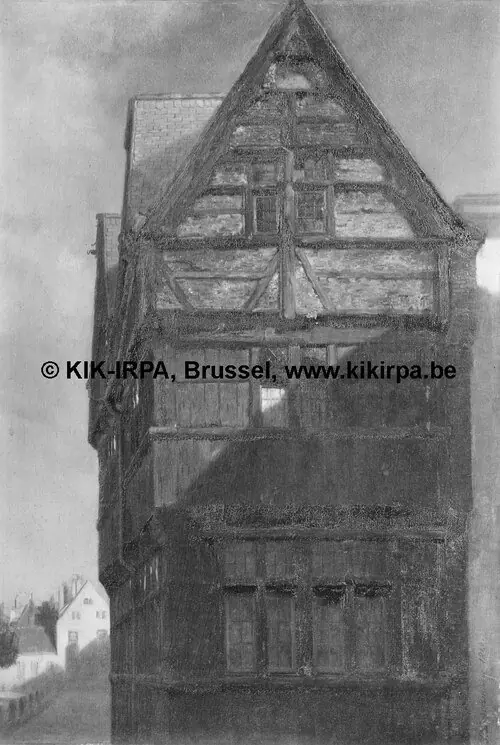 Sixteenth–Century Wooden Façade on Groenplaatsstraat in Antwerp
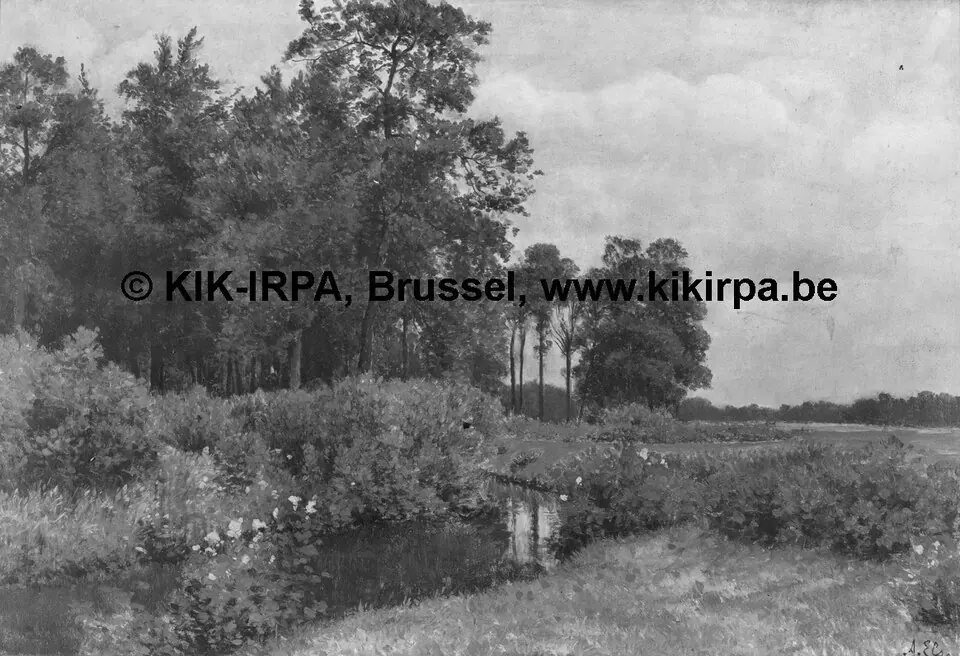 Landscape
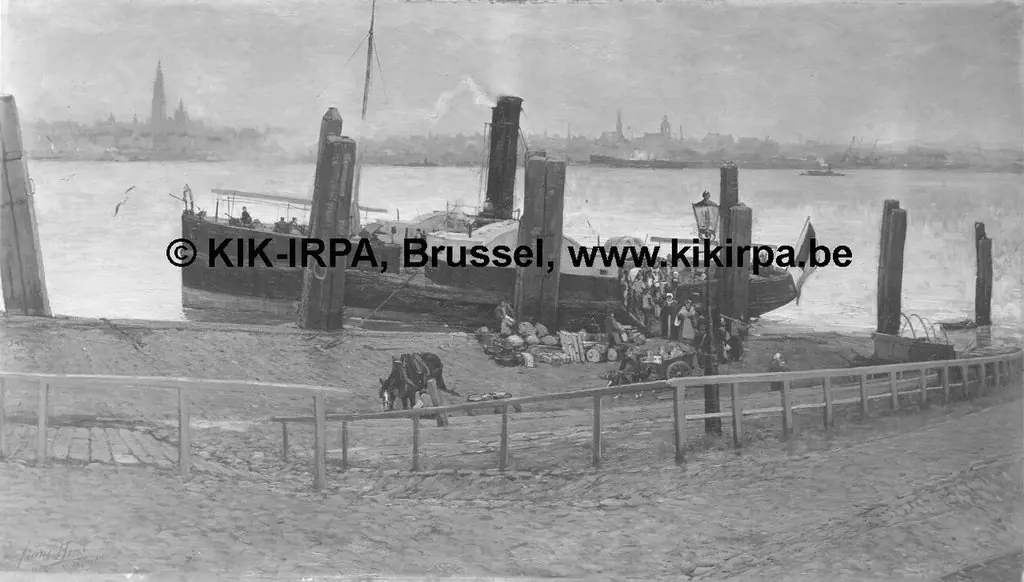 The Ferry to Sint-Anna
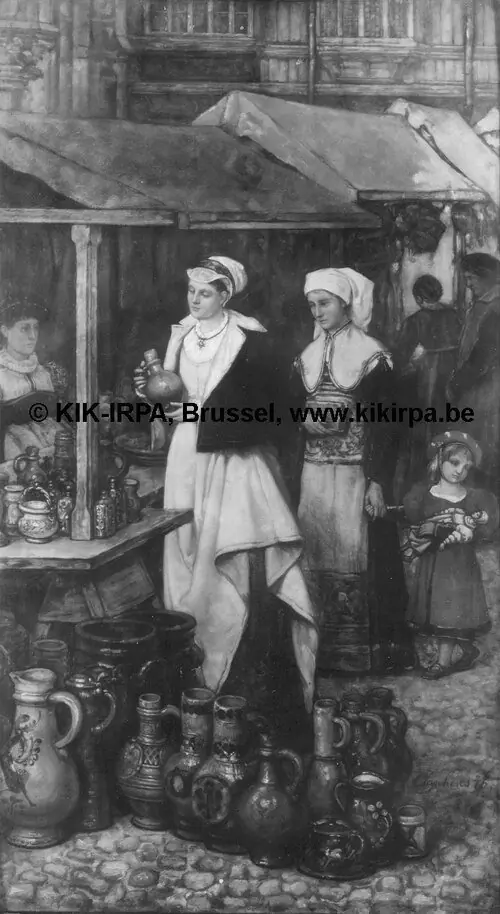 Market Scene
 St Ambrose and Theodosius
 Lane under Snow
 The South-Arsenaalkaai in Antwerp in 1870
 Rising of the Moon in Blankenberge
 Garden Festival at Diesdelle