Artwork
Woman Washing Dishes
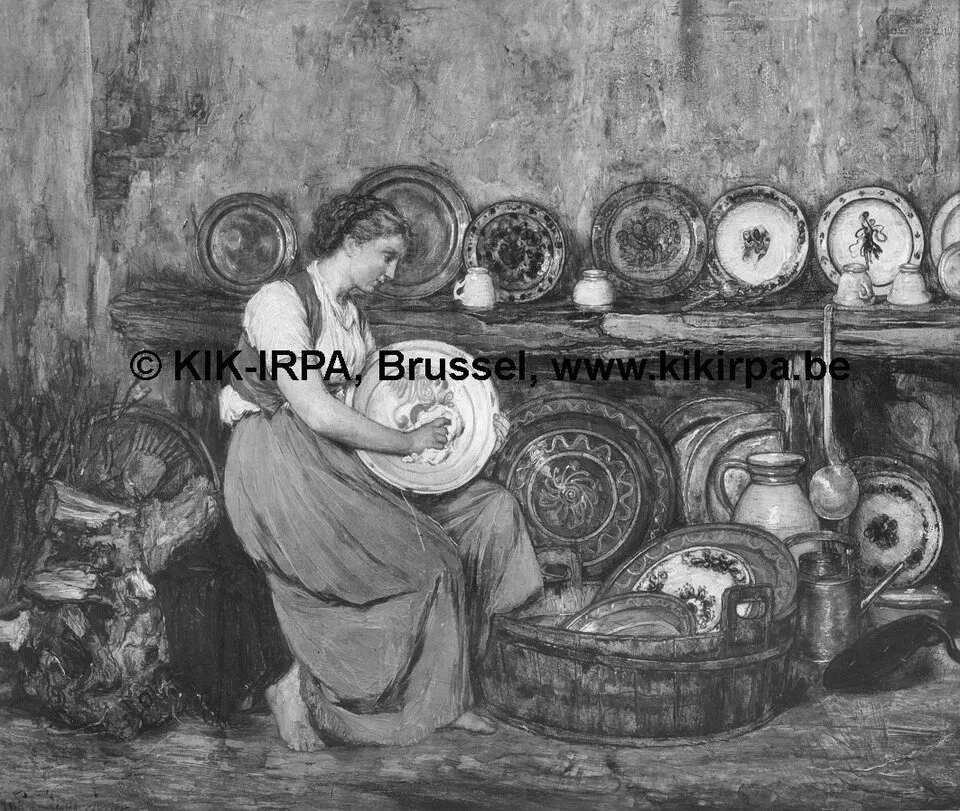
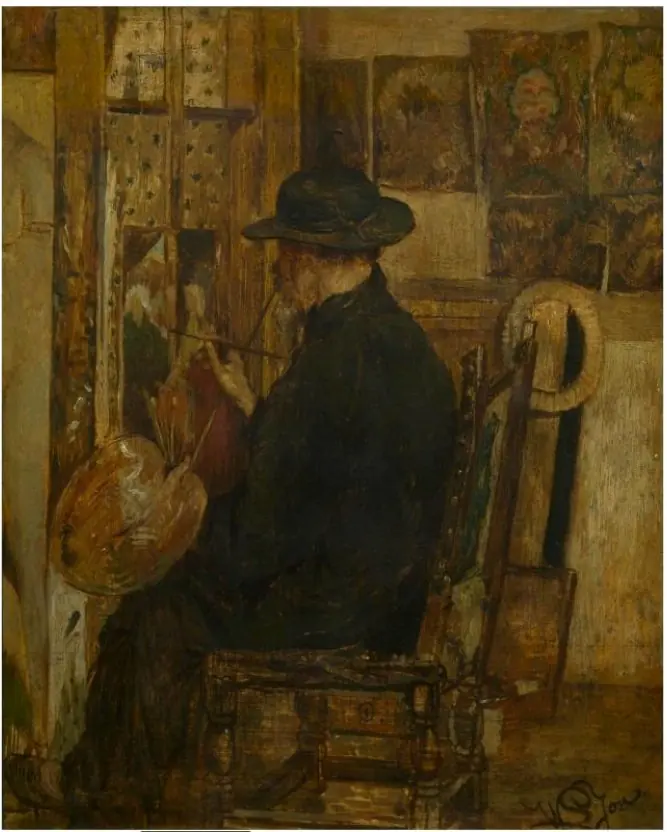
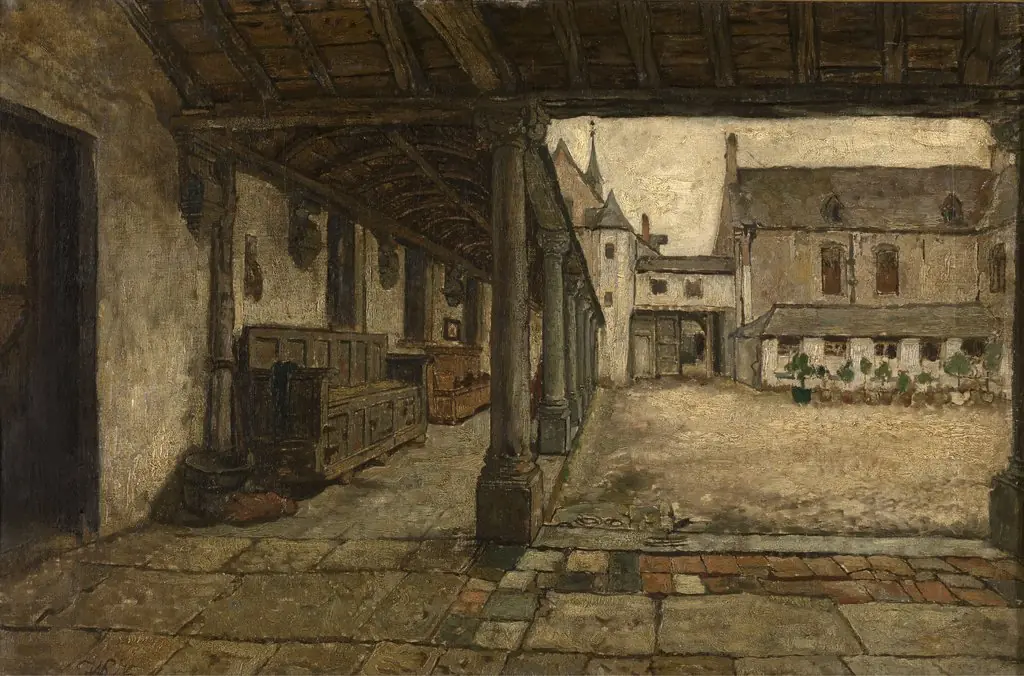
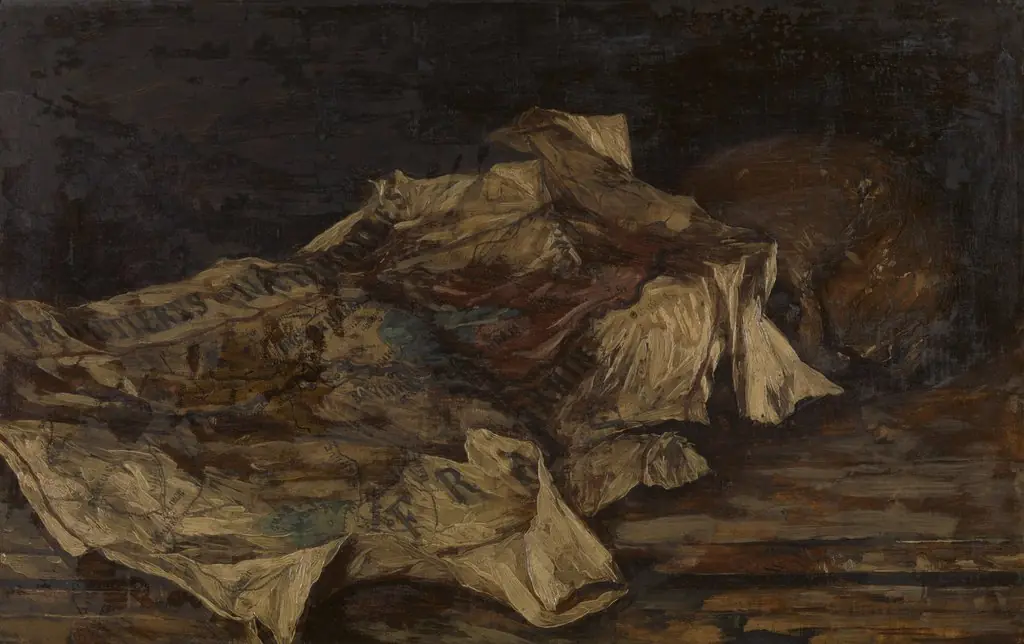
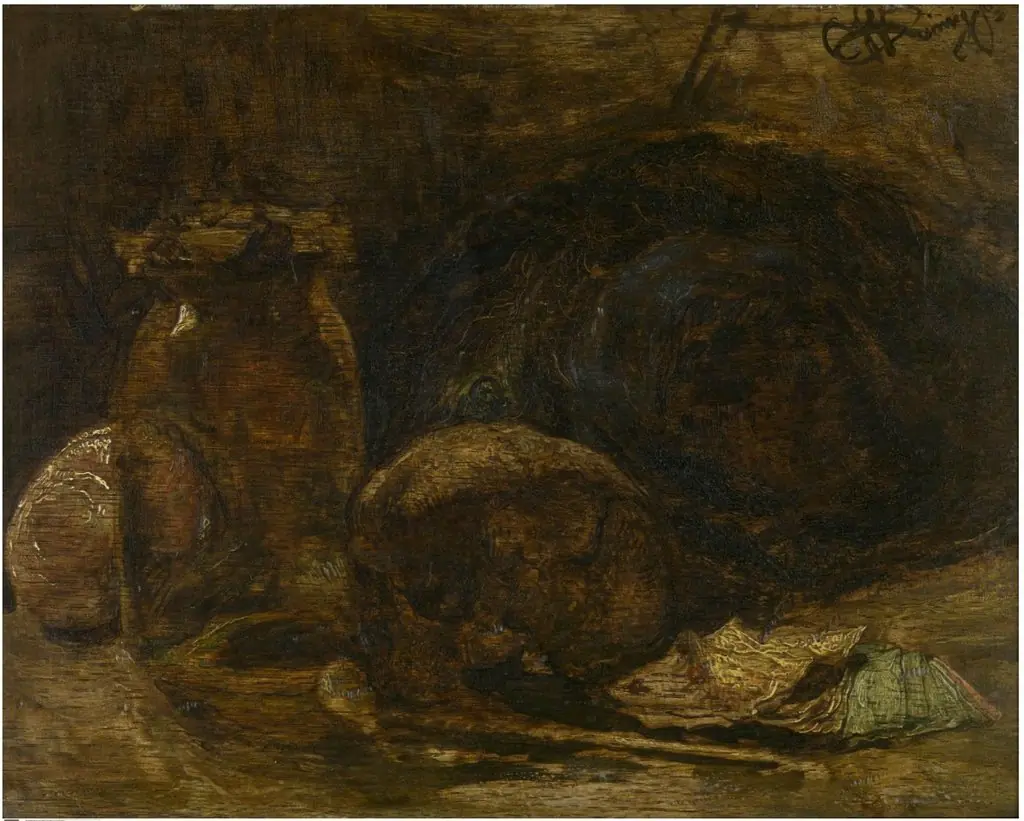
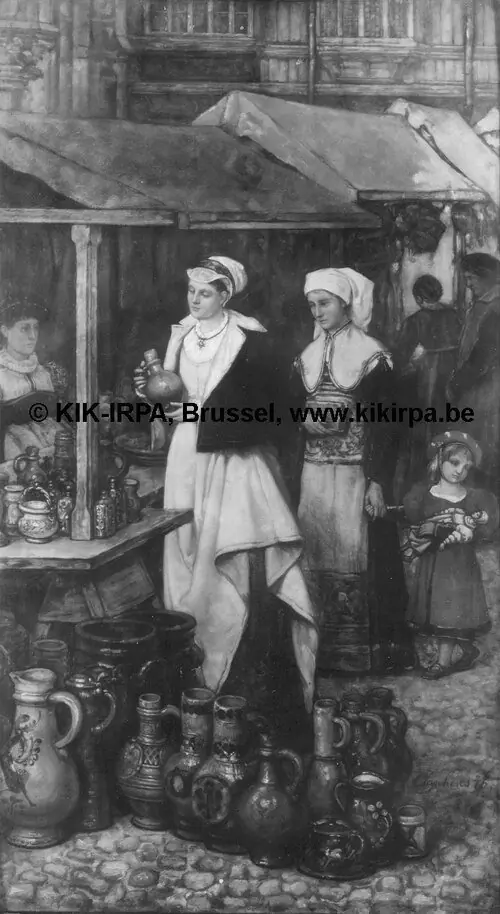
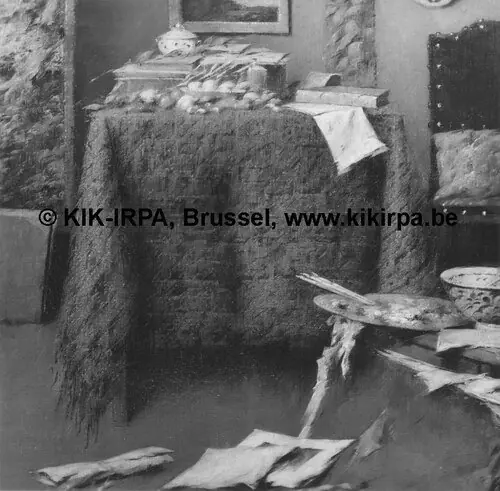
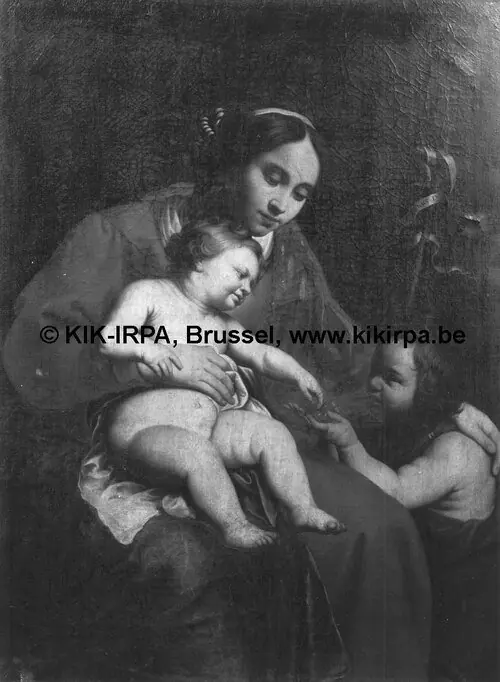
Woman Washing Dishes is an oil painting by Willem Linnig Junior. It dates from 1873 and is held in the collection of the Royal Museum of Fine Arts Antwerp. Painted in 1873 by Willem Linnig the Younger, this oil-on-canvas work depicts a quiet domestic moment.
About this work
Overview
Painted in 1873 by Willem Linnig the Younger, this oil-on-canvas work depicts a quiet domestic moment. Linnig, active in Belgium and Germany, was known for genre scenes and printmaking. The painting resides in the Royal Museum of Fine Arts Antwerp, where it exemplifies his interest in everyday life rendered with careful observation and restrained emotion.
Subject & Meaning
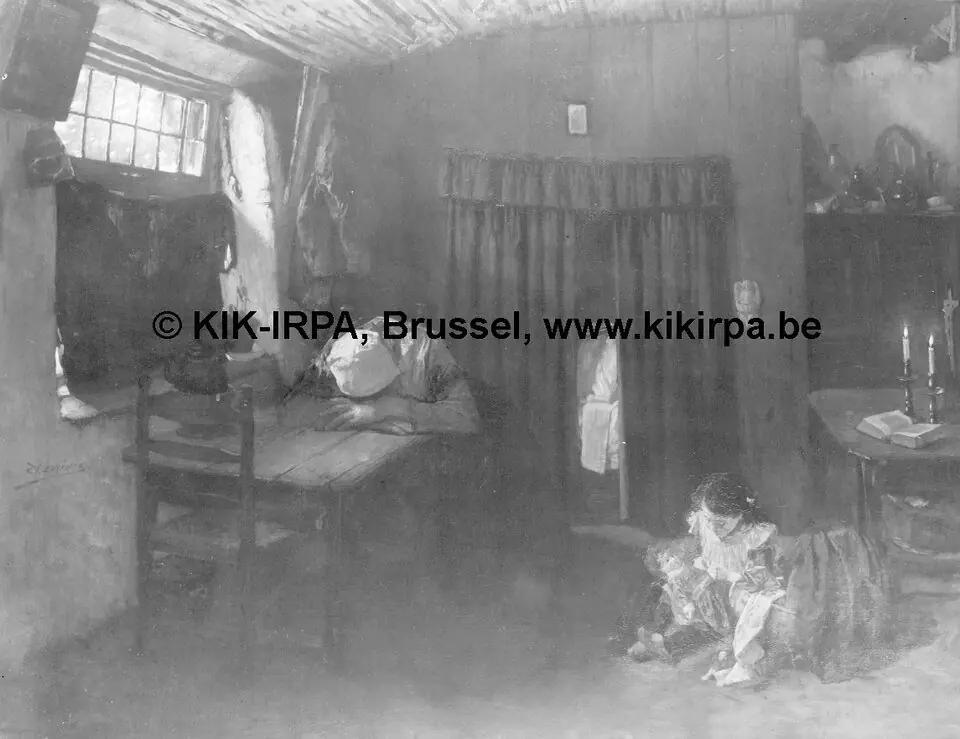
The scene portrays a woman engaged in the labor of washing dishes, kneeling before a wooden tub. Her posture and attire suggest modesty and routine, not theatricality. The absence of narrative drama or symbolic props directs focus to the dignity of domestic work. The setting implies a humble interior, where warmth and solitude coexist, offering a quiet meditation on daily toil.
Technique & Style
Brushwork is precise but unobtrusive, emphasizing texture—wet fabric, glazed porcelain, soot-stained brick—without overt flourish.
Linnig employs chiaroscuro to model form and define space, with light emanating from the fireplace casting soft gradients across the woman’s apron and the ceramic vessels. Brushwork is precise but unobtrusive, emphasizing texture—wet fabric, glazed porcelain, soot-stained brick—without overt flourish. The palette is muted, dominated by earth tones, reinforcing the scene’s intimacy and temporal stillness.
History & Provenance
Created during Linnig’s mature period, the painting entered the collection of the Royal Museum of Fine Arts Antwerp in the late 19th century. It reflects the museum’s broader interest in 19th-century Flemish genre painting. No significant alterations or documented restorations are recorded, and its provenance remains consistent since acquisition.
Context
In the 1870s, European artists increasingly turned to unidealized domestic scenes, moving away from historical or mythological subjects. Linnig’s work aligns with this trend, echoing contemporaries like Jules Breton and Jean-François Millet. His training in Weimar and engagement with printmaking informed his disciplined composition and attention to detail in everyday settings.
Legacy
Though not widely exhibited beyond regional collections, the painting contributes to the understanding of 19th-century Flemish genre painting’s quiet realism. It stands as a testament to Linnig’s commitment to portraying ordinary life with technical rigor and emotional restraint, influencing later regional artists focused on domestic themes.
Artist & collection
Artist
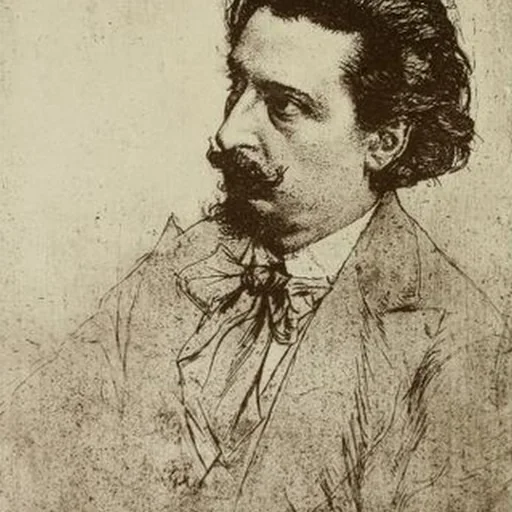
Willem Linnig the Younger (20 August 1842 in Antwerp – 3 September 1890 in Antwerp) was a Belgian painter and engraver who is best known for his history and genre scenes, landscapes and still lifes.