Artwork
Garden Festival at Diesdelle
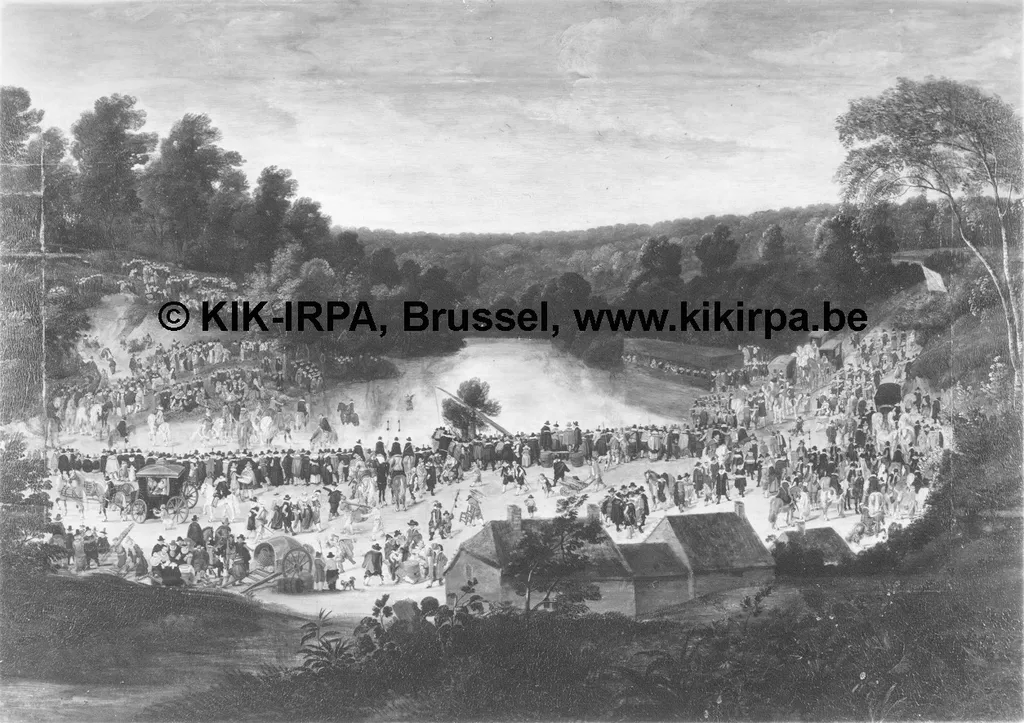
Garden Festival at Diesdelle is an oil painting by the Flemish Baroque painting artist Denis van Alsloot. It dates from 1608 and is held in the collection of the Royal Museum of Fine Arts Antwerp.
About this work
Overview
This piece exemplifies his role as a chronicler of regional customs, blending topographical detail with lively human activity.
Painted around 1608 by Denis van Alsloot, *Garden Festival at Diesdelle* is an oil-on-panel work capturing a seasonal celebration in a wooded estate near Brussels. Van Alsloot, a Brussels-based artist active in the late 16th and early 17th centuries, specialized in documenting local aristocratic gatherings within natural settings. This piece exemplifies his role as a chronicler of regional customs, blending topographical detail with lively human activity.
Subject & Meaning
The scene depicts a festive gathering in a cultivated garden, likely tied to a noble household’s seasonal event. Figures in period dress move among trees and structures, suggesting a blend of leisure and ritual. The presence of water and architecture implies a private estate, possibly Diesdelle, a known location near the Sonian Forest. The painting serves as a record of social life among the Brussels elite, emphasizing order, celebration, and the harmony between human activity and landscape.
Technique & Style
Van Alsloot employed fine, visible brushwork to render foliage, clothing, and architectural details with a sense of immediacy. His palette—dominated by muted greens, earthy browns, and soft grays—creates a naturalistic atmosphere. Light is carefully modulated to suggest depth, guiding the viewer’s eye from the foreground figures toward the receding trees. The composition balances structured elements like buildings with organic forms, reinforcing the harmony between cultivated space and wilderness.
History & Provenance
Created during van Alsloot’s tenure as a court painter for the Habsburg governors of the Southern Netherlands, the work likely originated as a commissioned record of a specific event. Its subject, Diesdelle, was a known estate in the Sonian Forest region, frequently visited by the nobility. The painting remained within regional collections for centuries, reflecting its local significance rather than broad international fame.
Context
Van Alsloot belonged to a group of Flemish artists known as the Sonian Forest school, who focused on the wooded landscapes surrounding Brussels. Their work emerged amid growing interest in secular, localized scenes during the early 17th century. Unlike grand historical or religious subjects, these paintings documented everyday aristocratic life, aligning with broader trends in Northern European art that valued observation over idealization.
Legacy
Though not widely known outside regional art histories, van Alsloot’s work contributed to the development of Flemish landscape painting as a genre rooted in real places and events. *Garden Festival at Diesdelle* remains a valuable document of early modern social customs and the visual culture of the Brussels court. His approach influenced later artists who sought to capture the quiet dignity of local life within natural settings.
Artist & collection
Artist
Denis van Alsloot or Denijs van Alsloot (c. 1570 – c. 1626) was a Flemish landscape and genre painter, draughtsman, and tapestry designer. He was employed as a court painter and worked for the local elite in Brussels.…

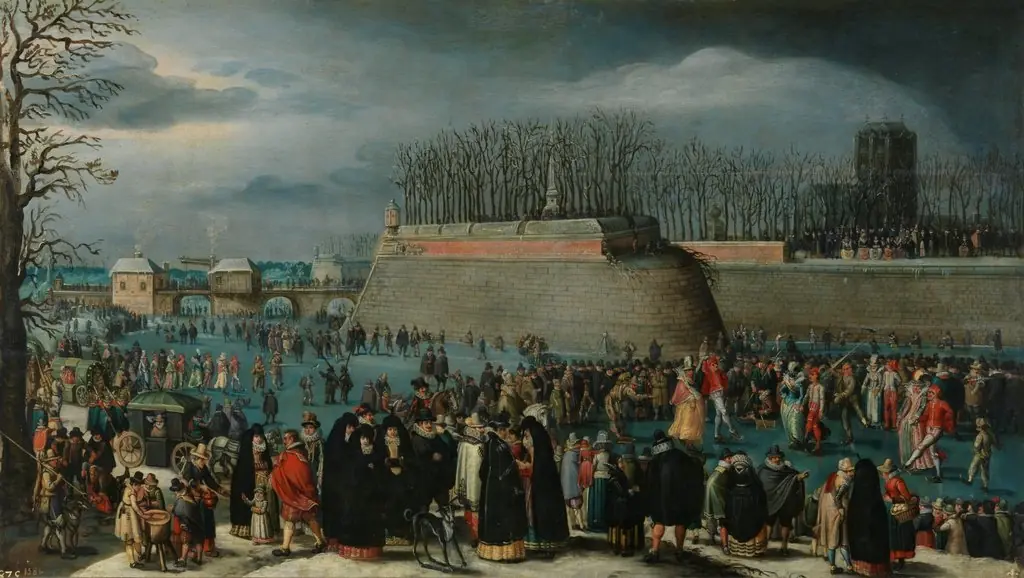 Skating Masquerade, or Carnival on Ice at the Kipdorppoort Moats in Antwerp
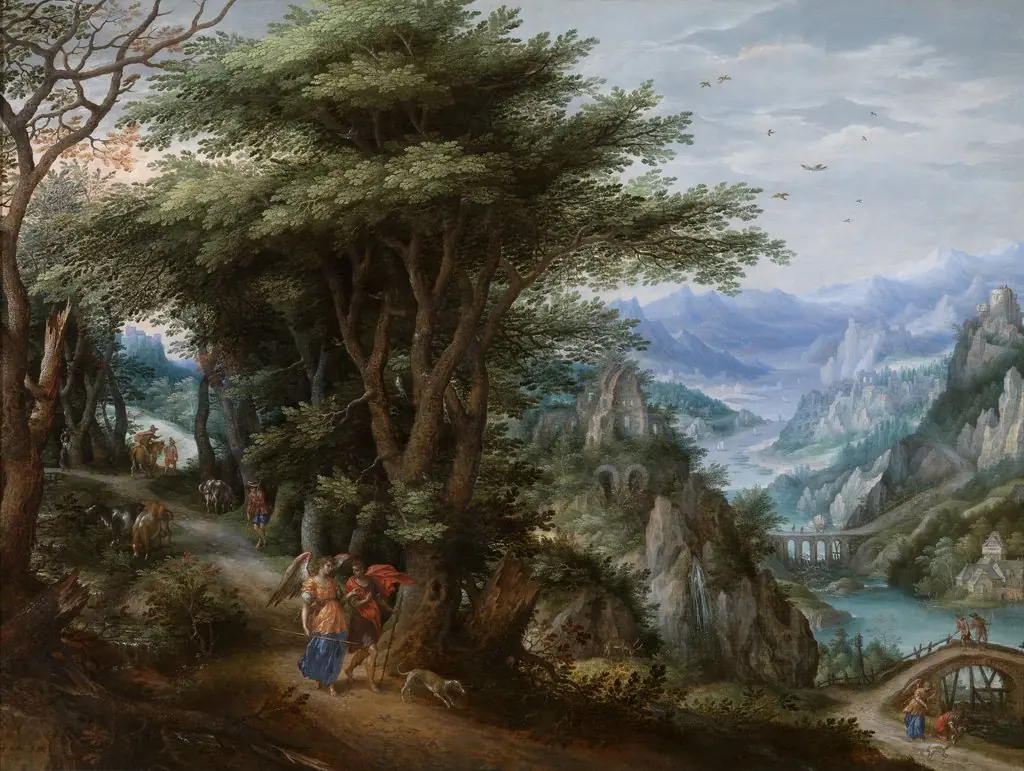 Landscape with Tobias and the Archangel Raphael
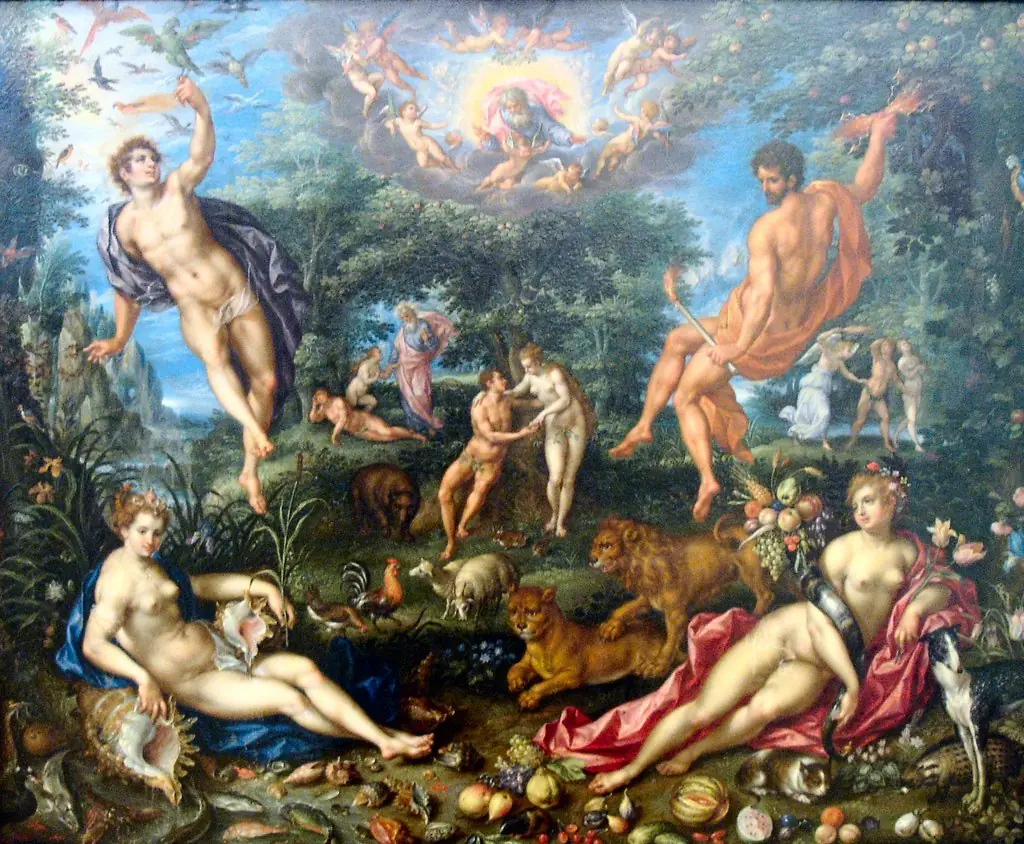 Paradise with the Four Elements
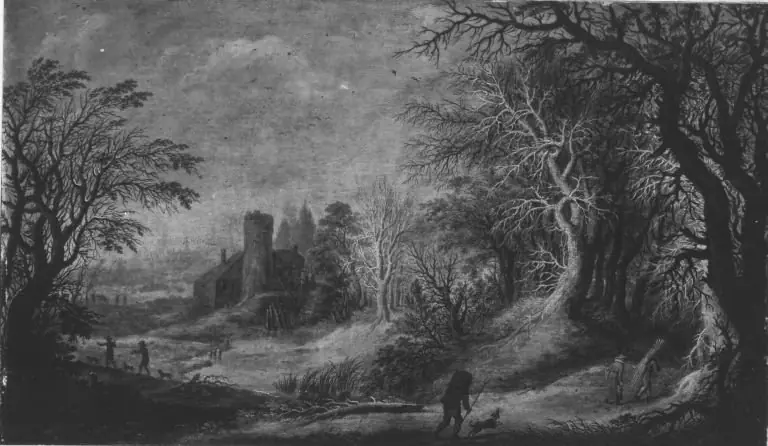 Winter landscape
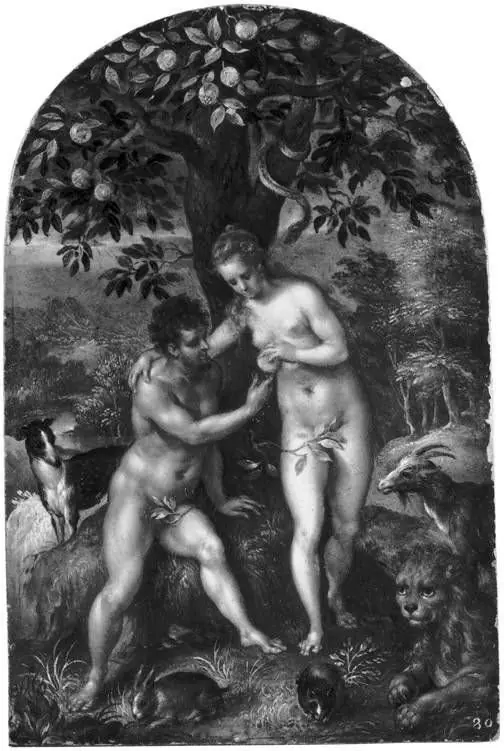 Adam and Eve
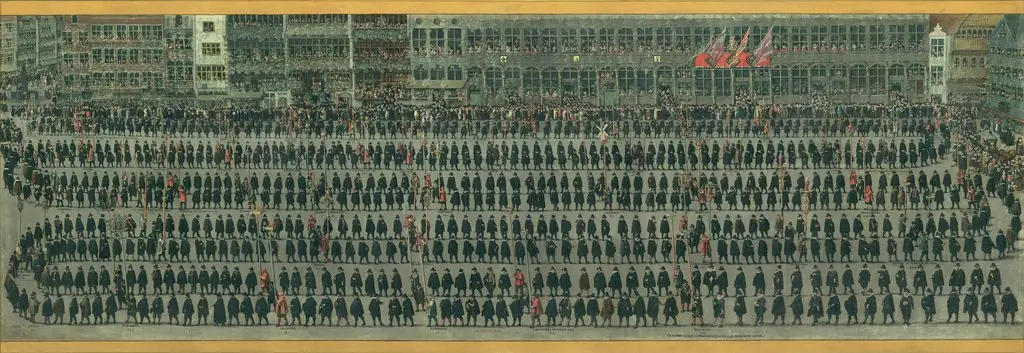 The Ommegang in Brussels: Part 1: Procession of Guilds
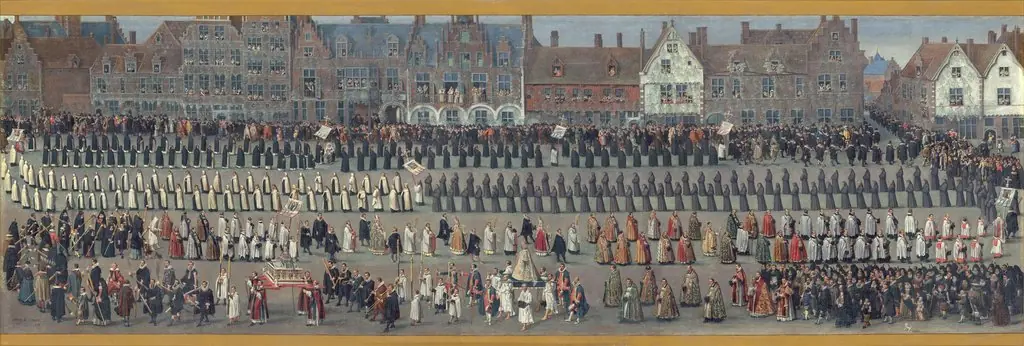 The Festival of the Ommegang in Brussels: the procession of Our Lady of Sablon
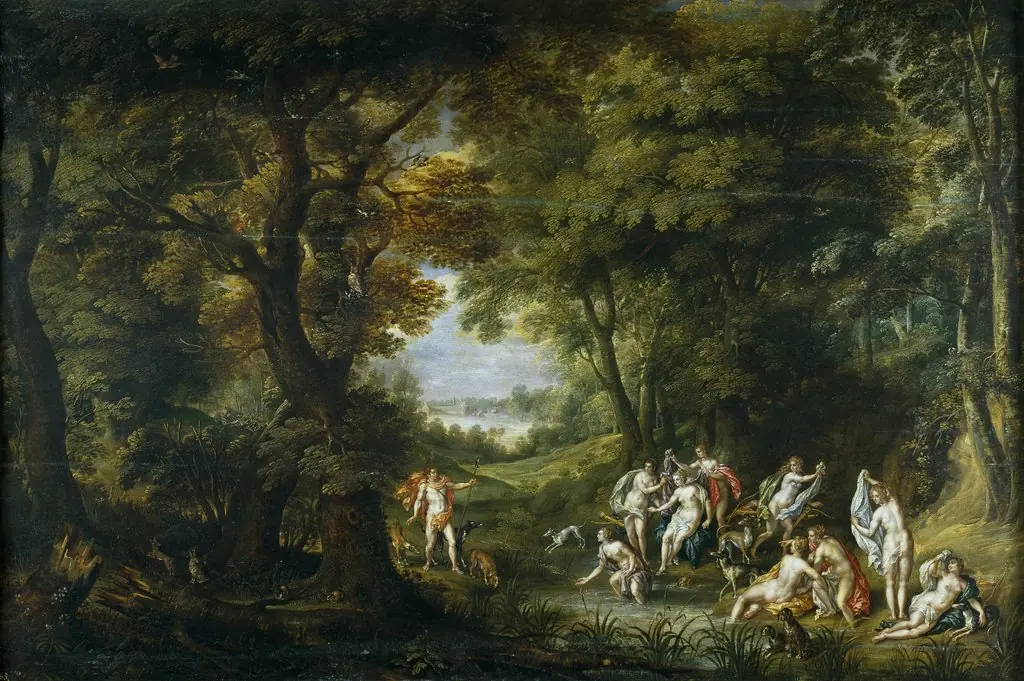 Landscape with Diana and Acteon
 Landscape
 The South-Arsenaalkaai in Antwerp in 1870
 The Ferry to Sint-Anna
 St Ambrose and Theodosius
 Public Water Pump on the Old Fish Market in Antwerp
 Minerva and the Muses in a Landscape
 Fishersman's Widow
 Sixteenth–Century Wooden Façade on Groenplaatsstraat in Antwerp
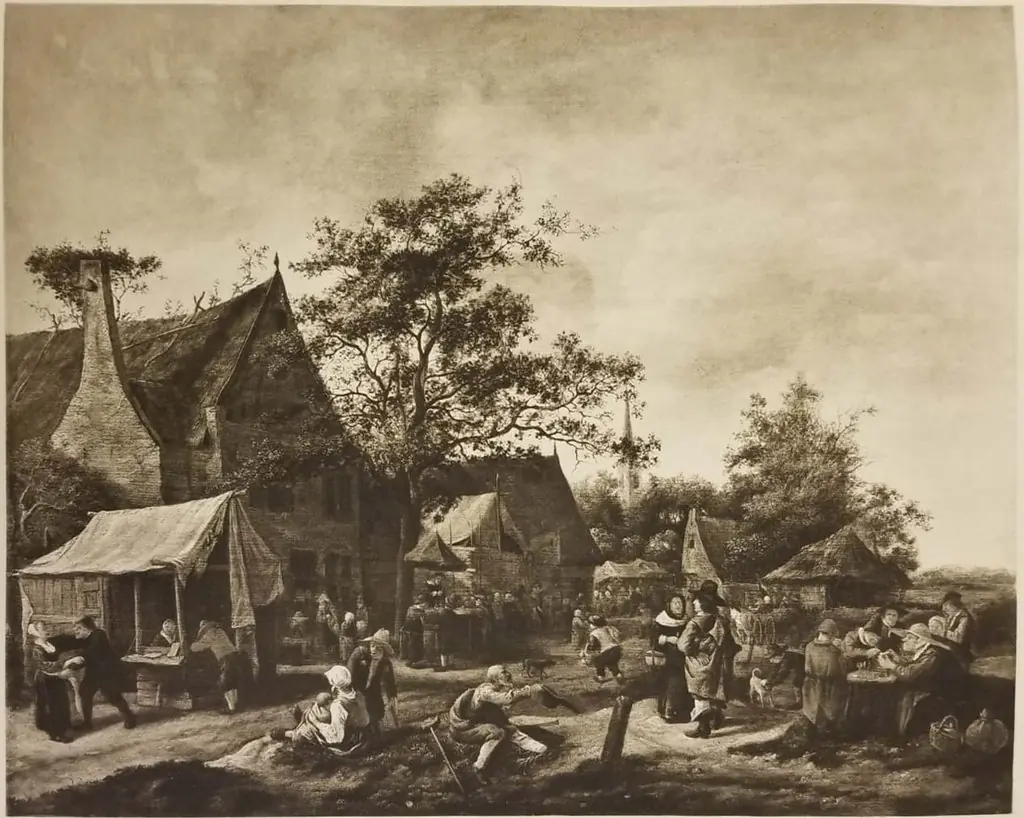 A Village Festival
 Market Scene
 Deer Hunting in America
 Bowers