Artwork
Portrait of a young man with plumed beret
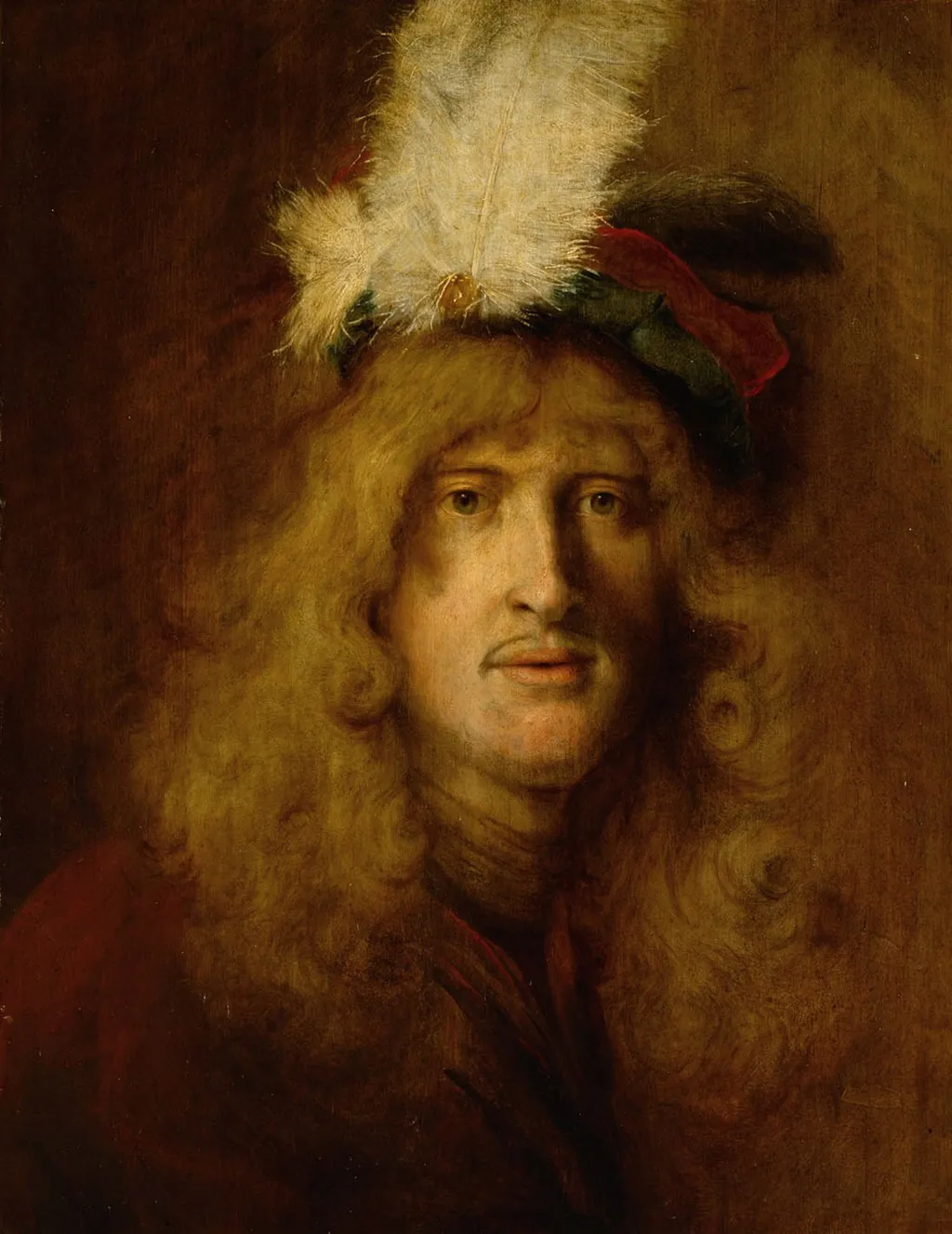
Portrait of a young man with plumed beret is an oil painting by the Flemish Baroque painting artist Christopher Paudiß. It dates from 1661 and is held in the collection of the Kunsthistorisches Museum.
About this work
Overview
This oil painting, completed in 1661, portrays a young man in a plumed beret, executed by Christoph Paudiß, a Bavarian artist trained in the Dutch tradition.
This oil painting, completed in 1661, portrays a young man in a plumed beret, executed by Christoph Paudiß, a Bavarian artist trained in the Dutch tradition. The work reflects the artist’s time in Upper Bavaria, where he spent his career after studying under Rembrandt. It is now held in the Kunsthistorisches Museum’s collection, representing a quiet example of mid-17th-century portraiture from the southern German region.
Subject & Meaning
The sitter is a young man with curly blond hair and a neatly trimmed mustache, dressed in modest but refined attire. His direct gaze and composed expression suggest dignity rather than ostentation. The plumed beret and red collar imply status without overt wealth, possibly indicating a minor noble or educated professional. The absence of symbols or setting leaves the focus on character and presence.
Technique & Style
Paudiß employs chiaroscuro to model the face with subtle gradations of light and shadow, enhancing the three-dimensionality of the features. The cheekbones catch a soft glow while the hollows beneath the eyes recede into muted darkness. The brushwork is restrained, avoiding theatricality; textures like fabric and feather are rendered with quiet precision, reflecting Rembrandt’s influence without imitation.
History & Provenance
Painted during Paudiß’s final years in Upper Bavaria, the portrait was likely commissioned locally. He died in 1666, and the work remained in regional collections before entering the Kunsthistorisches Museum. Its documented history is limited, but its stylistic consistency with other works from his late period supports its attribution and dating to 1661.
Context
In the 1660s, southern German artists like Paudiß absorbed Dutch realism while adapting it to local tastes. Unlike grand court portraits, this work reflects a more intimate, bourgeois aesthetic. The use of dark backgrounds and focused lighting aligns with broader Baroque trends, yet the restraint in gesture and detail distinguishes it from more flamboyant Flemish or Italian examples.
Legacy
Paudiß’s portrait stands as a modest but well-crafted example of regional Baroque portraiture. Though not widely known outside museum circles, it illustrates how Dutch techniques were localized in Bavaria. The painting contributes to understanding the spread of Rembrandt’s influence beyond the Netherlands and the quiet sophistication of provincial artistic practice in the late 17th century.
Artist & collection
Artist
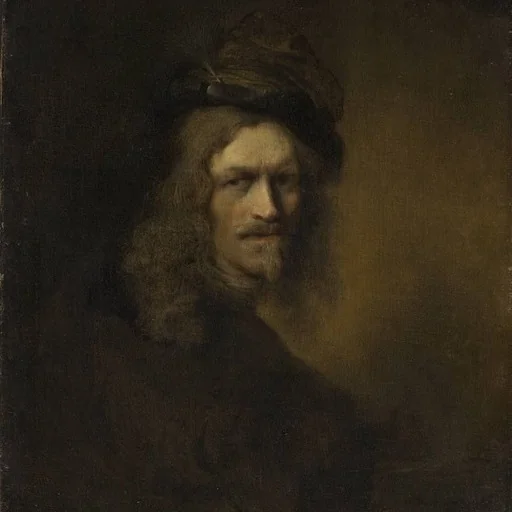
Christoph(er) Paudiß (1630 in Lower Saxony – 1666 in Freising, Upper Bavaria) was a Bavarian Baroque painter and a student of Rembrandt van Rijn.

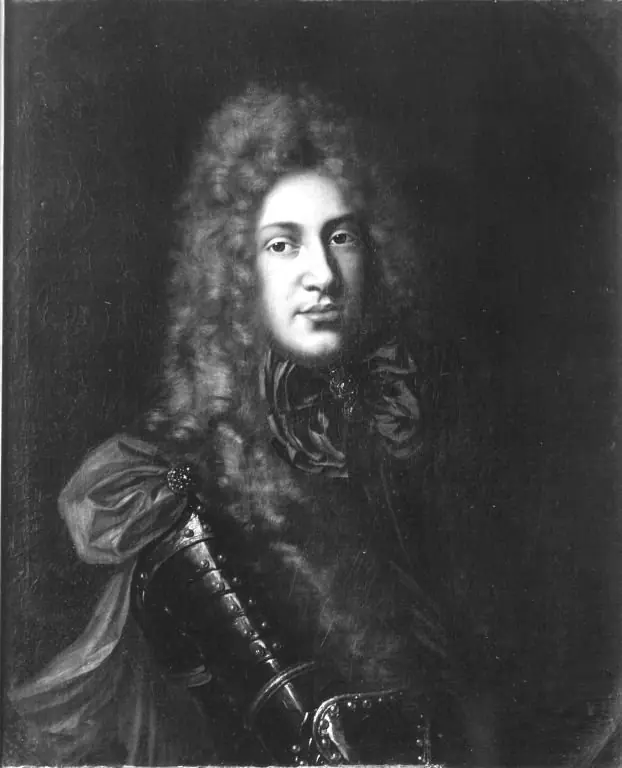 Fürstenbildnis
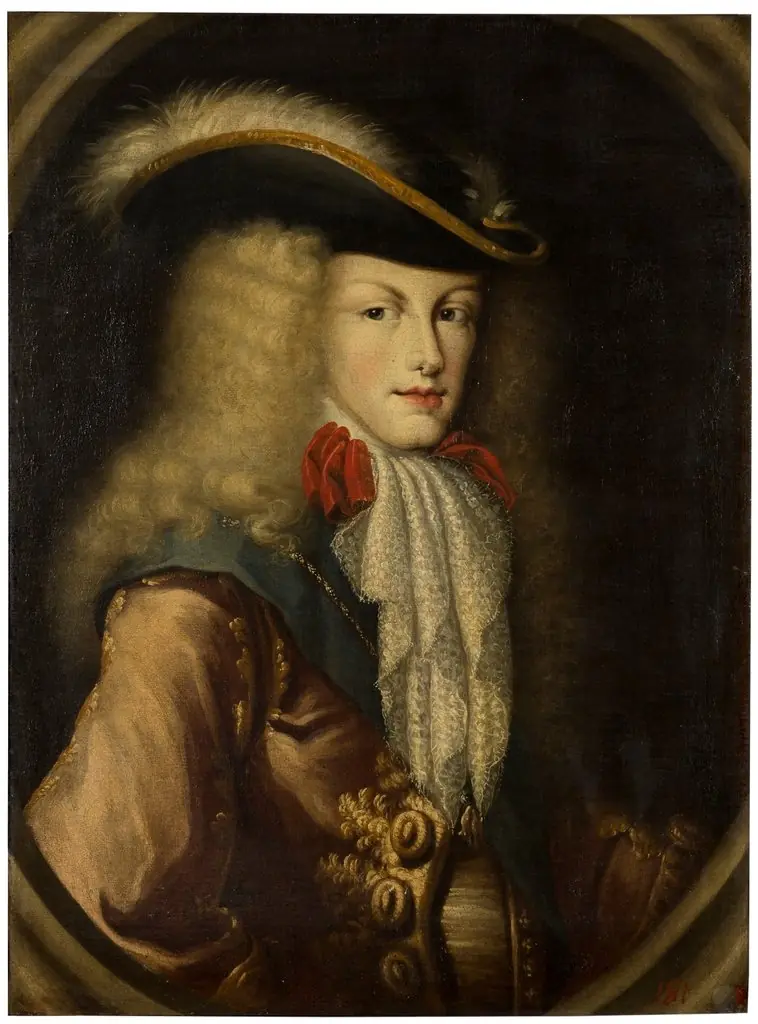 Philip V
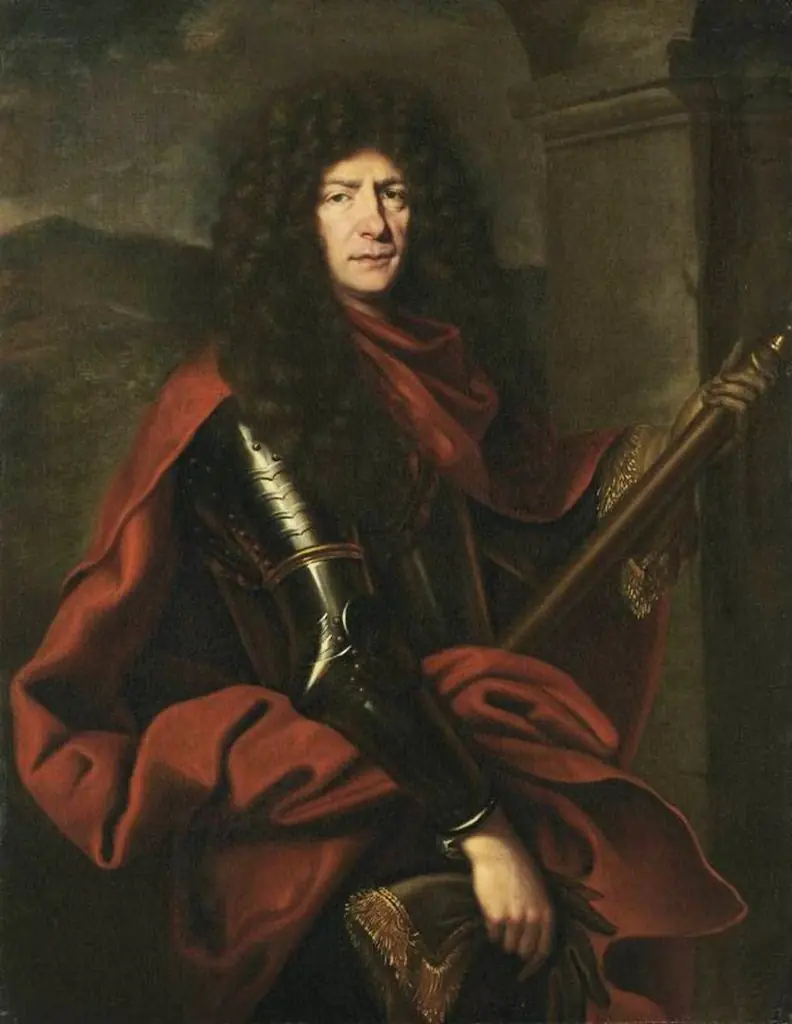 Bildnis des Christian II., Pfalzgrafen von Zweibrücken-Birkenfeld (1637-1717)
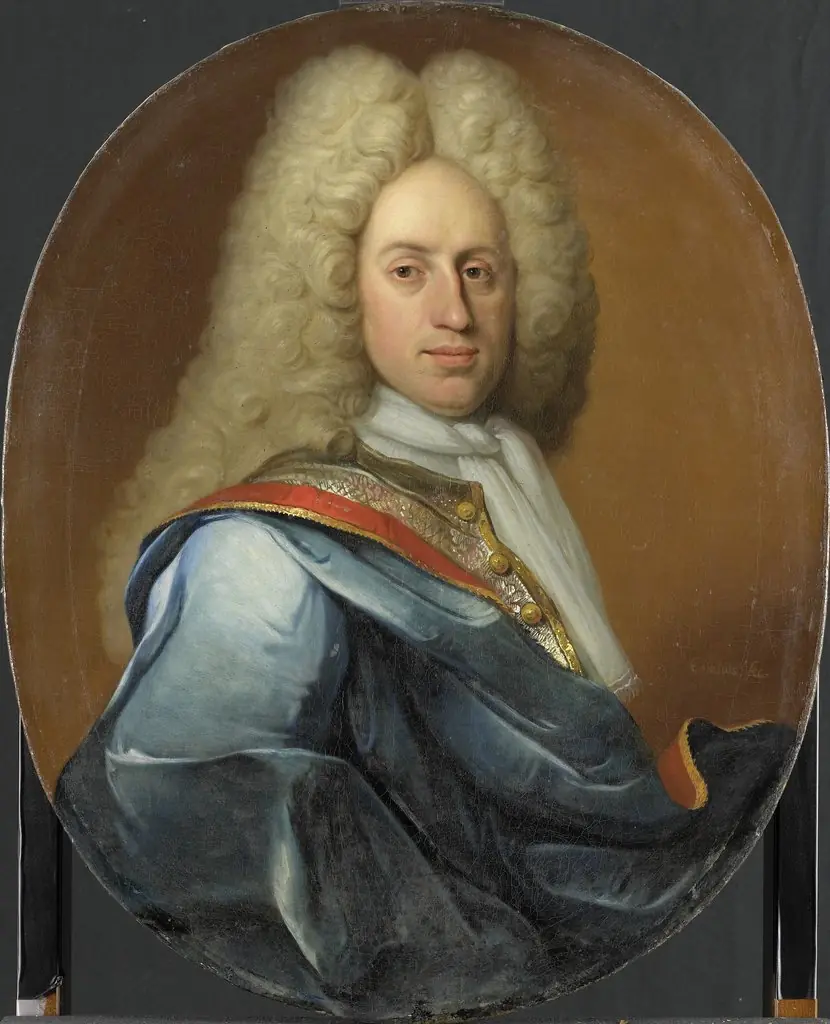 Portrait of Hieronymus Josephus Boudaen, Lord of St Laurens and Popkensburg
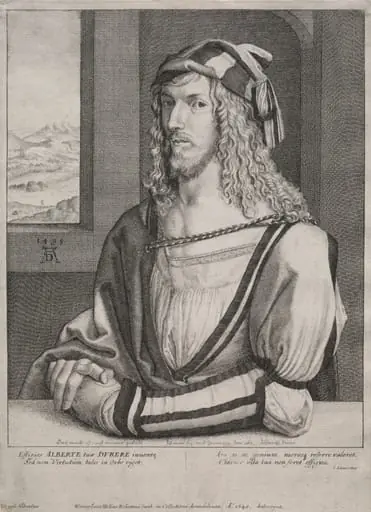 Portrait of Albrecht Dürer, at the age of 26
 Hieronymus Josephus Boudaen, Lord of St Laurens and Popkensburg
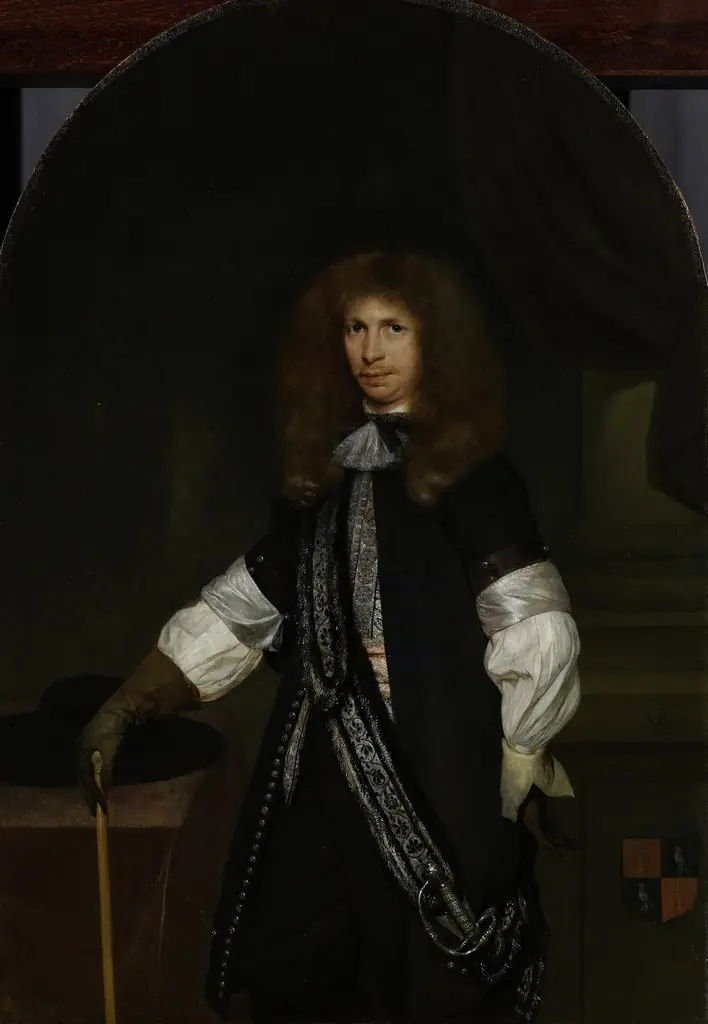 Portrait of Jacob de Graeff (1642-90), in the uniform of an officer
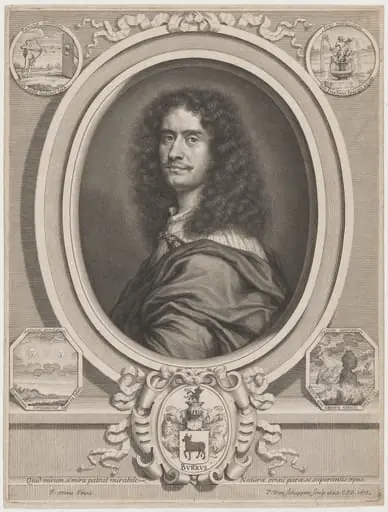 Portrait of a Man
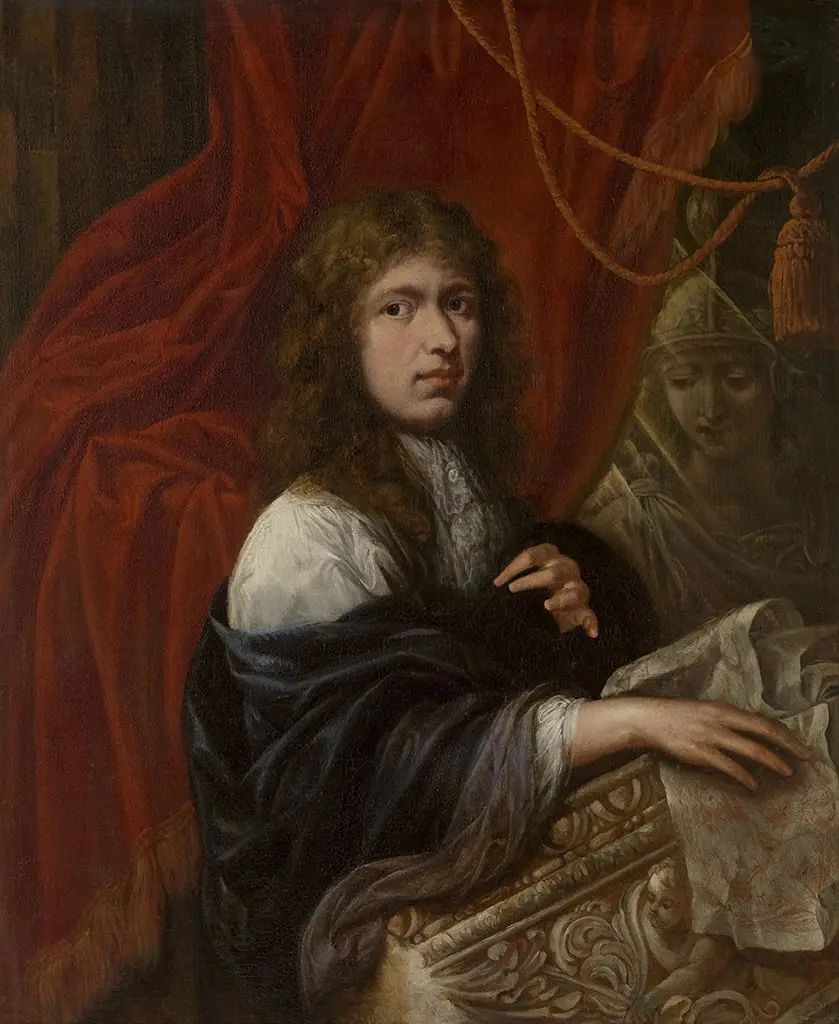 Self-Portrait
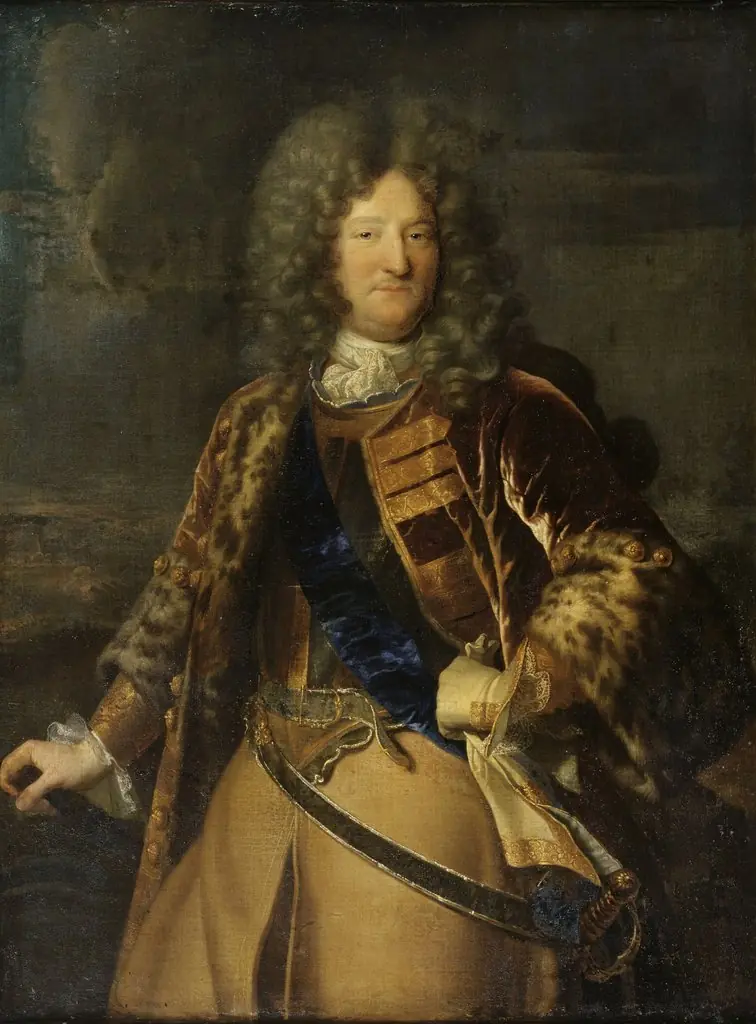 Porträt des Anne-Jules, Herzog von Noailles (1650-1708)
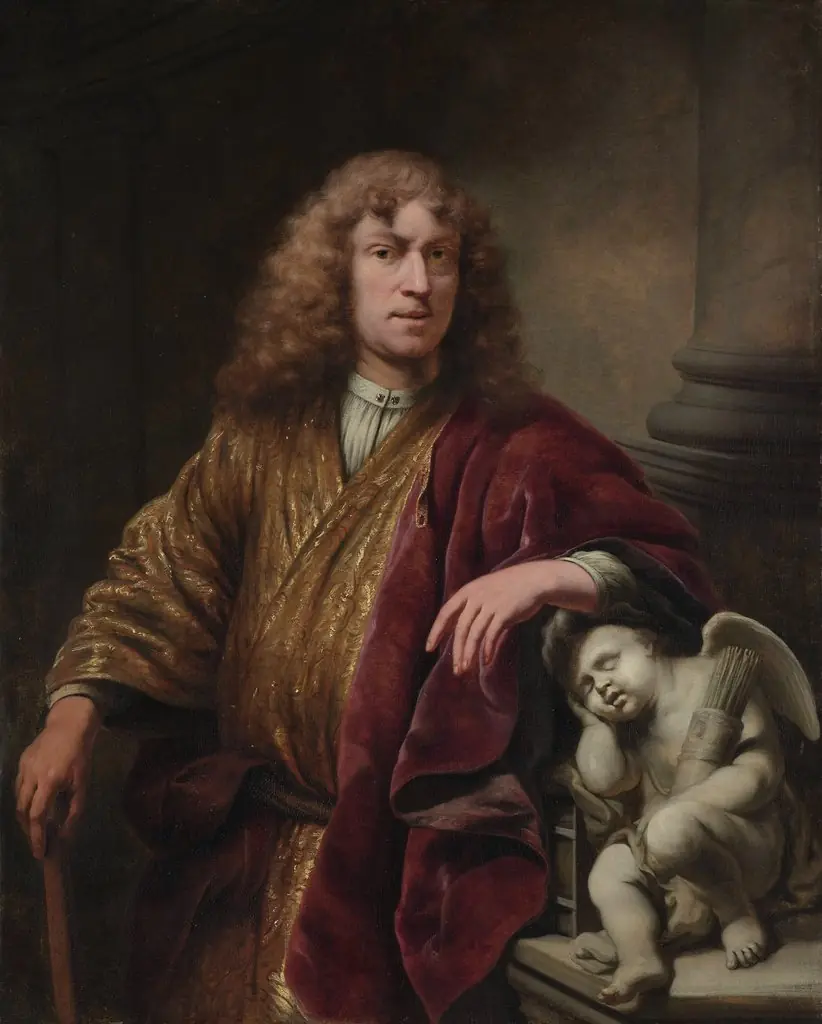 Self-portrait
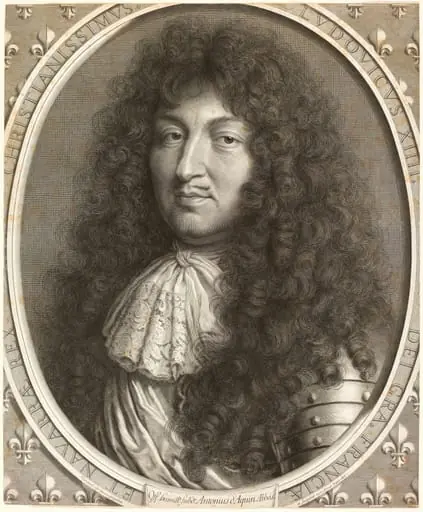 Louis XIV