Artwork
Head of a Young Woman
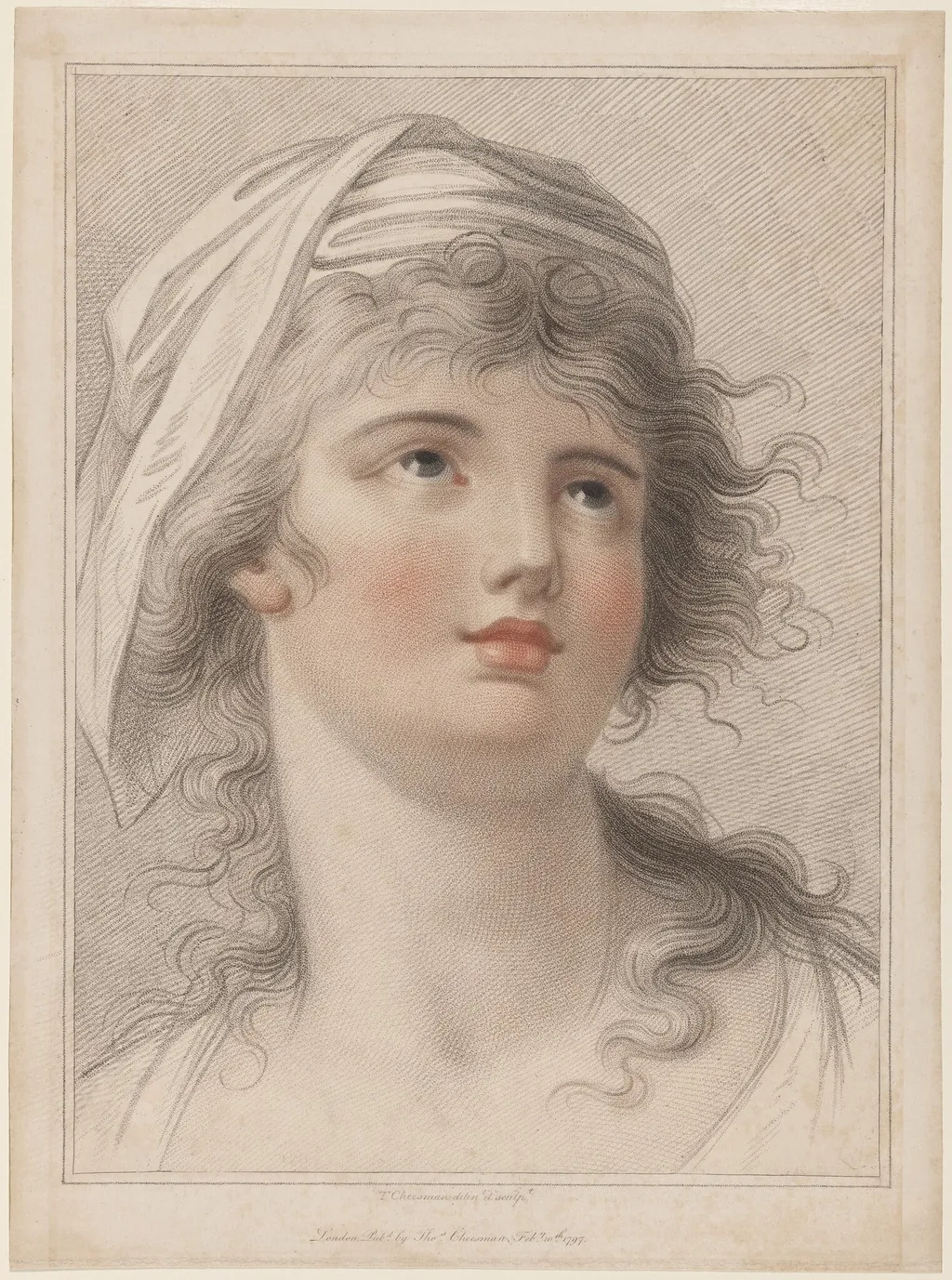
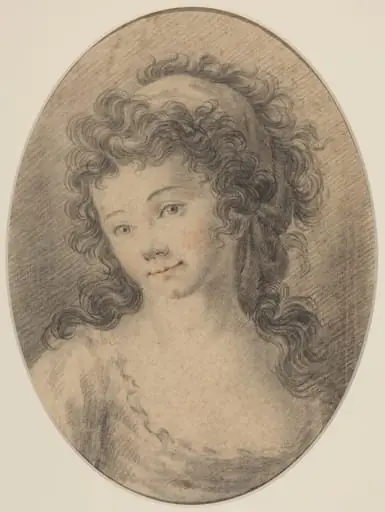
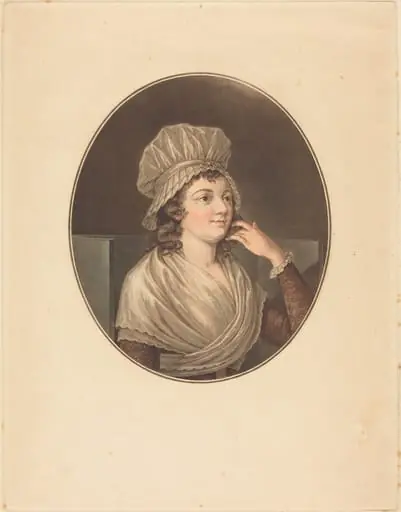
Head of a Young Woman is an ink print by the Romanticist artist Thomas Cheesman. It dates from 1797 and is held in the collection of the National Gallery of Art.
About this work
Overview
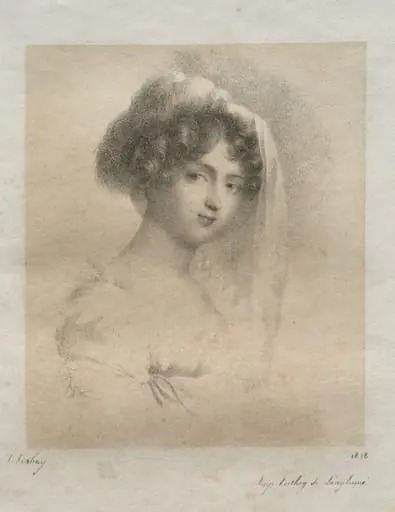
Created in 1797 by Thomas Cheesman, this print depicts a young woman’s head and shoulder in color stipple engraving on wove paper.
Created in 1797 by Thomas Cheesman, this print depicts a young woman’s head and shoulder in color stipple engraving on wove paper. The technique relies on tiny dots and fine lines to build tone and texture, mimicking the soft gradations of painted portraits. Though monochromatic, the work achieves a lifelike presence through careful modulation of light and shadow, typical of late 18th-century reproductive printmaking.
Subject & Meaning
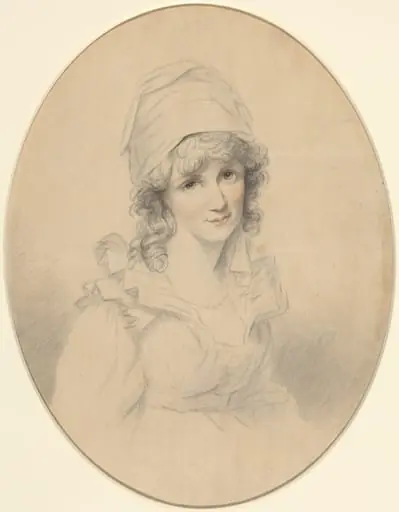
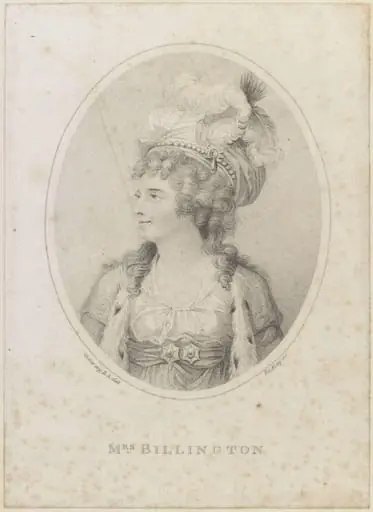
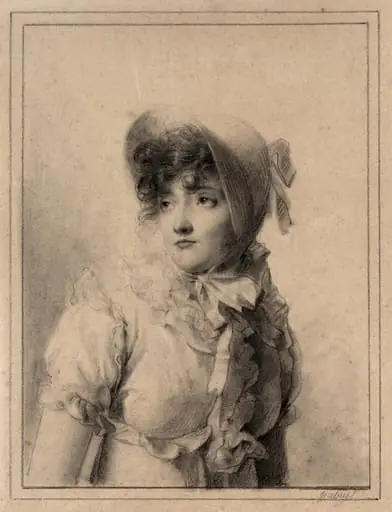
The subject is a young woman, her face turned slightly away, suggesting quiet introspection. Her hair is arranged in an elevated style, with loose curls framing her features, reflecting contemporary fashion. The focus on her facial expression and delicate contours emphasizes individuality rather than idealized beauty, aligning with emerging interests in personal character during the late Enlightenment.
Technique & Style
Cheesman employed stipple engraving, using a needle to create clusters of dots that form subtle tonal transitions. This method avoided bold outlines, allowing for a painterly effect without color. The rendering of the eyes and lips is particularly refined, with layered dots producing a sense of volume and skin texture. The technique was favored for its ability to reproduce the softness of portrait miniatures and oil paintings in printed form.
History & Provenance
The print was produced in 1797 during a period when stipple engraving was widely used to disseminate portraits to a growing middle-class audience. While the original sitter is unknown, such works often served as affordable alternatives to commissioned paintings. Cheesman, active in London, was known for his skill in translating portraiture into print, though few of his works carry detailed provenance records.
Context
In the late 1790s, reproductive prints like this one bridged the gap between elite portraiture and public visual culture. Stipple engraving was promoted as a refined, almost painterly medium, capable of capturing the subtleties of human expression. This work reflects broader trends in printmaking that valued technical precision and emotional restraint, mirroring aesthetic ideals of the time.
Legacy
Cheesman’s work exemplifies the technical achievements of late 18th-century printmaking, though he remains a lesser-known figure compared to contemporaries like William Blake or Francesco Bartolozzi. His use of stipple engraving contributed to the standardization of portrait reproduction, influencing how facial expression and texture were rendered in prints for decades before photography supplanted such methods.
Artist & collection