Artwork
Venus
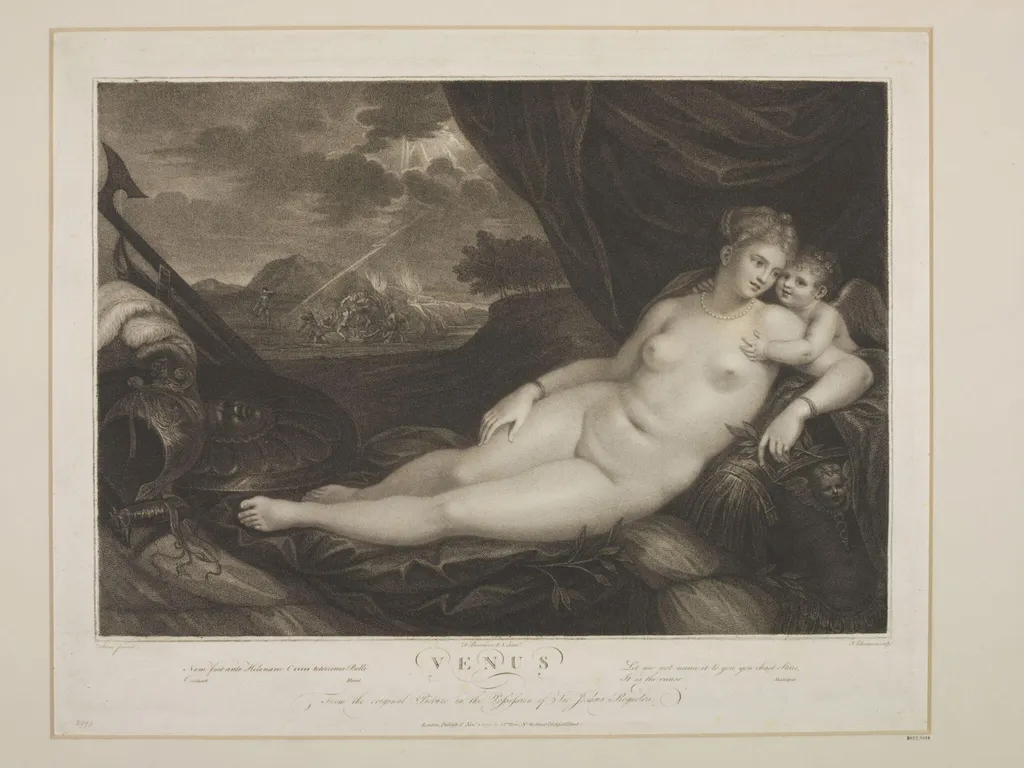
Venus is a print by Thomas Cheesman. It dates from 1850 and is held in the collection of the Victoria and Albert Museum.
About this work
Overview
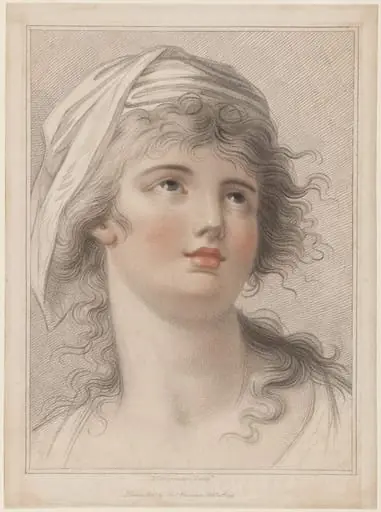
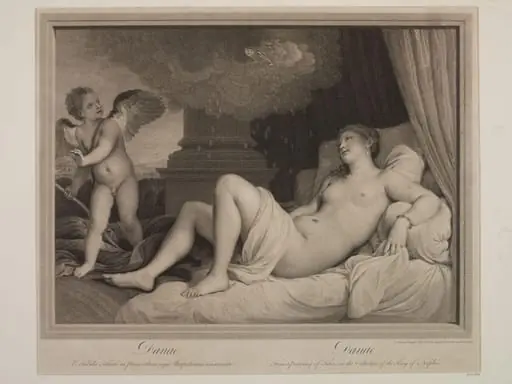
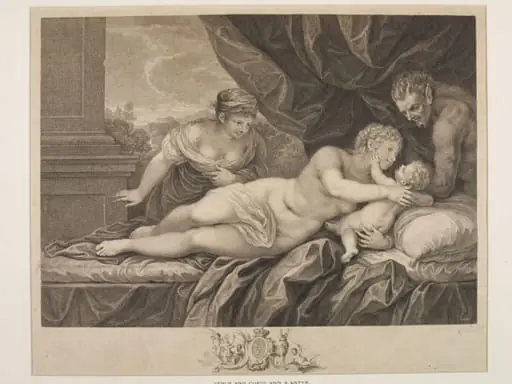
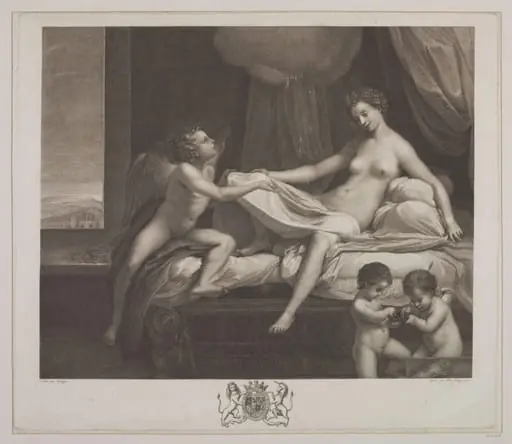
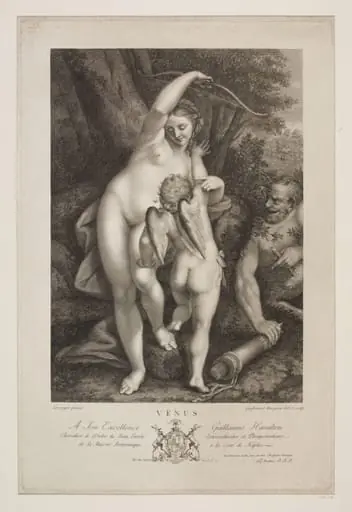
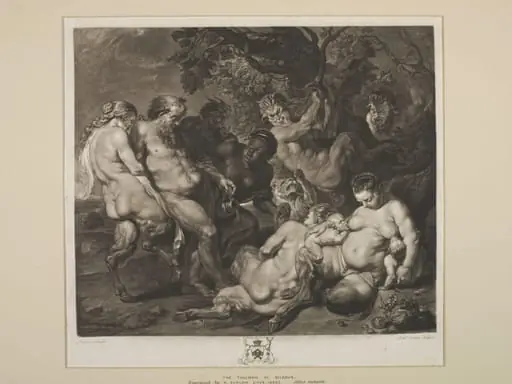
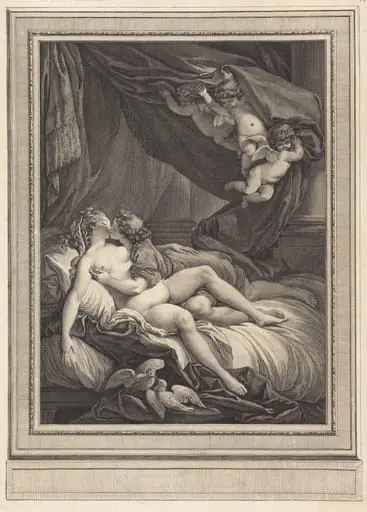
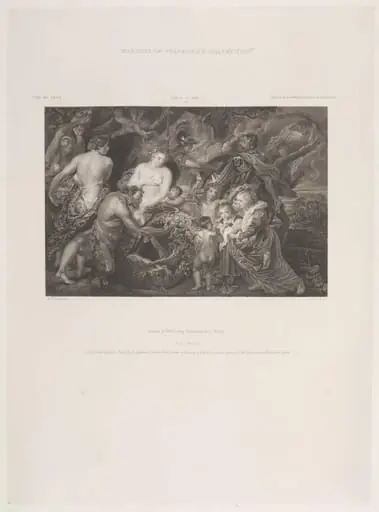
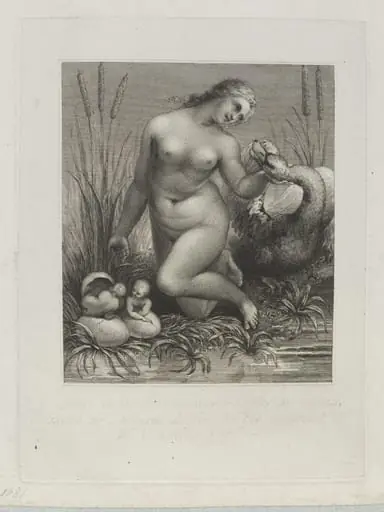
Created around 1850 by Thomas Cheesman, this print depicts the mythological figure Venus in a dramatic seascape. Produced as a reproductive engraving from an earlier painting, it was acquired by the Victoria and Albert Museum. The composition emphasizes emotional contrast between serene figures and turbulent nature, typical of mid-19th-century interpretive printmaking.
Subject & Meaning
Her calm demeanor contrasts with the stormy sea and distressed ships behind her, suggesting a divine presence presiding over human peril.
The central figure, identified as Venus, reclines with a child, evoking associations with maternal divinity and protection. Her calm demeanor contrasts with the stormy sea and distressed ships behind her, suggesting a divine presence presiding over human peril. The title invokes classical mythology, aligning the figure with Roman goddesses of love and sea-born origins, though the scene is not drawn from a specific myth.
Technique & Style
The print employs chiaroscuro to heighten emotional tension, using strong contrasts between light and shadow to model the figure and landscape. The woman’s form is softly illuminated, while the background recedes into dark, swirling clouds and choppy waters. This technique, adapted from earlier painted sources, prioritizes atmospheric drama over precise detail, characteristic of reproductive prints of the period.
History & Provenance
The print originates from a now-lost painting, reproduced by Cheesman as an engraved plate for wider distribution. It entered the Victoria and Albert Museum’s collection in the 19th century, likely as part of a broader effort to document British printmaking and its engagement with classical themes. No record of prior ownership or exhibition history beyond the museum’s acquisition is documented.
Context
In mid-19th-century Britain, mythological subjects remained popular in print culture, often used to convey moral or emotional narratives. Cheesman’s work reflects a trend of adapting academic paintings into accessible engravings for middle-class audiences. The pairing of serene femininity with natural chaos aligns with Romantic-era sensibilities, where nature’s power was both feared and revered.
Legacy
Though not widely known today, the print exemplifies how classical themes were reinterpreted through reproductive printmaking in the Victorian era. It survives as a record of artistic adaptation—transforming painted compositions into mass-produced images. Its preservation in the V&A underscores its role in documenting the visual culture of its time, rather than as a singular artistic achievement.
Artist & collection