Artwork
Pavilion of Eight Poems
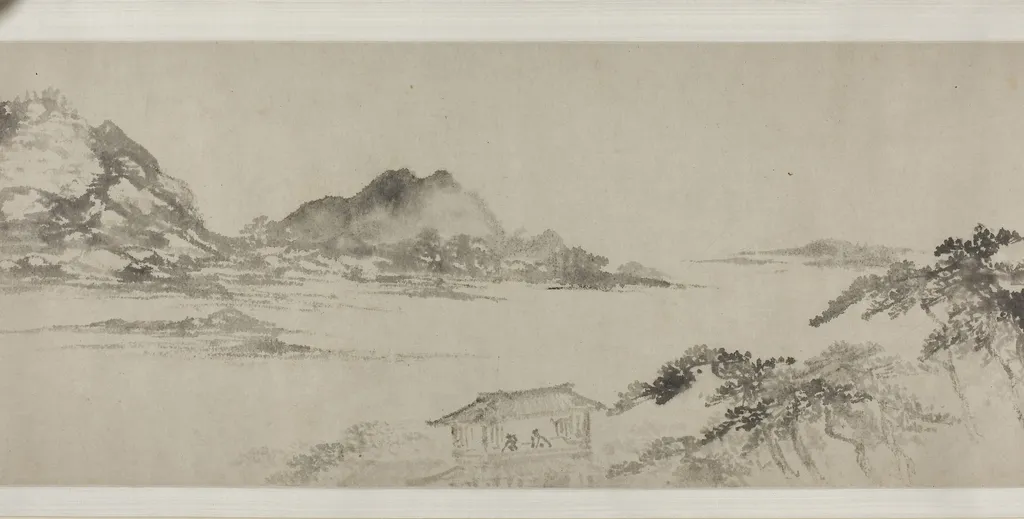
Pavilion of Eight Poems is an unspecified painting by the Ming dynasty painting artist Chen Chun. It dates from 1506 and is held in the collection of the Art Institute of Chicago.
About this work
Overview
The work presents a quiet, idealized landscape in which a modest pavilion sits amid trees and rock formations, suggesting a retreat for contemplation.
Pavilion of Eight Poems, painted by Chen Chun in 1506, is part of the Asian art collection at the Art Institute of Chicago. The work presents a quiet, idealized landscape in which a modest pavilion sits amid trees and rock formations, suggesting a retreat for contemplation. The composition balances natural elements with architectural presence, creating a harmonious scene typical of Ming‑period Chinese painting.
Subject & Meaning
The central structure, a small pavilion or temple, is positioned within a tranquil setting of mountains, foliage, and stone. Such a setting often symbolized scholarly retreat and poetic inspiration in Chinese culture, inviting viewers to imagine a space where literature and nature converge. The title’s reference to eight poems reinforces the idea of the pavilion as a venue for literary creation.
Technique & Style
Chen Chun employs a muted palette that recedes into atmospheric perspective, allowing distant peaks to dissolve into misty blues and grays. Brushwork combines delicate line work for foliage with broader washes for sky and water, a hallmark of literati landscape practice. The interplay of fine detail in the foreground and softened background creates depth without sacrificing the painting’s overall serenity.
History & Provenance
Created in the early 16th century, the painting entered the Art Institute of Chicago’s collection through acquisition in the 20th century, though specific purchase details remain limited. Its presence in a major American museum reflects the growing interest in Ming‑era Chinese art among Western institutions during that period.
Artist & collection


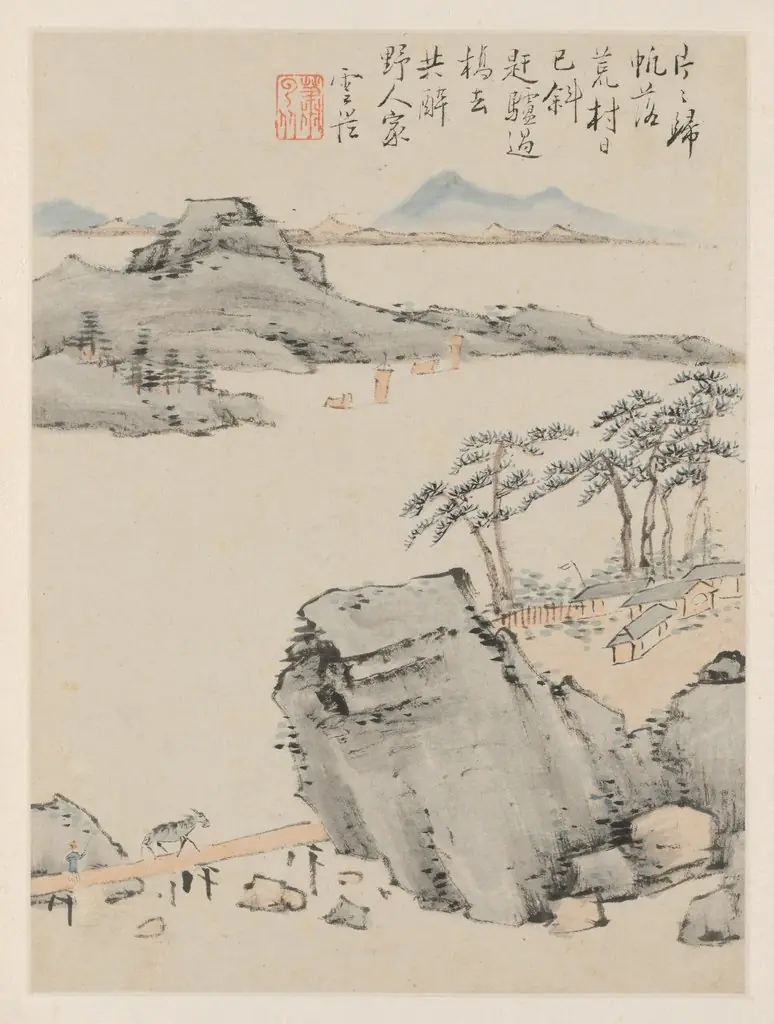 Album of Seasonal Landscapes, Leaf C (previous leaf 6)
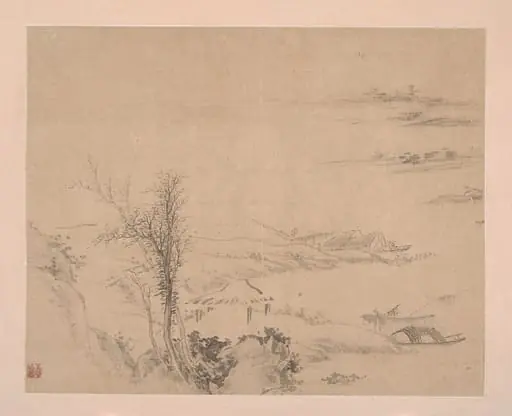 Untitled
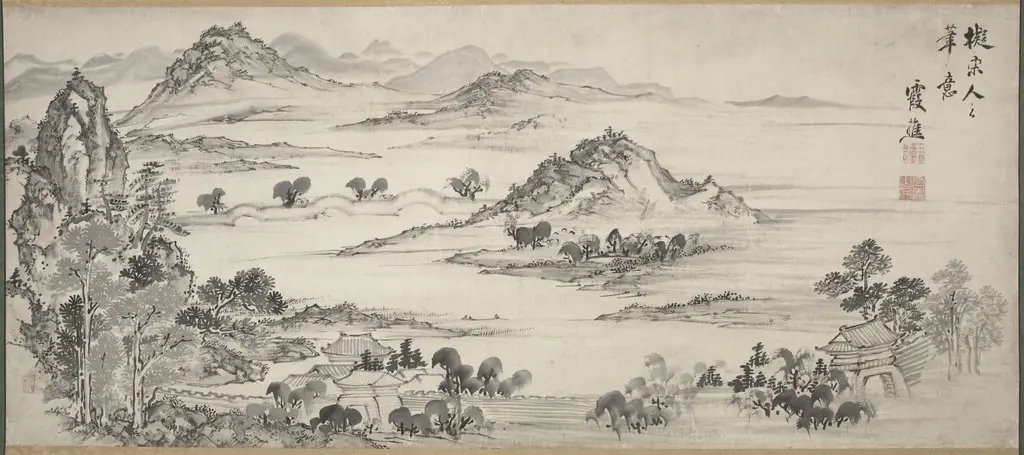 West Lake
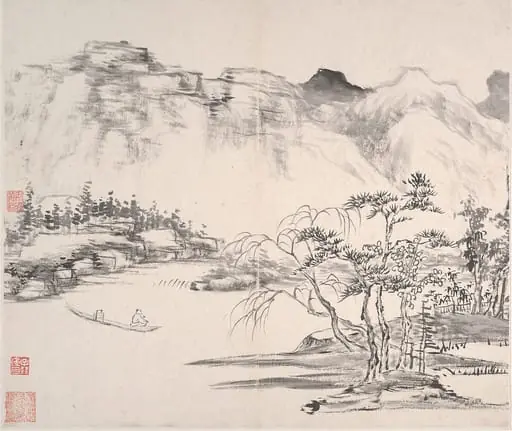 清 伊秉綬 山水 冊|Landscapes
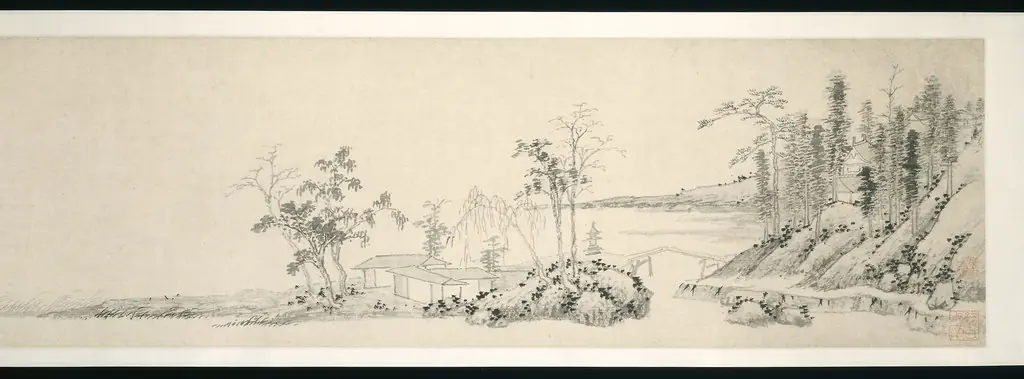 Return to Stone Lake
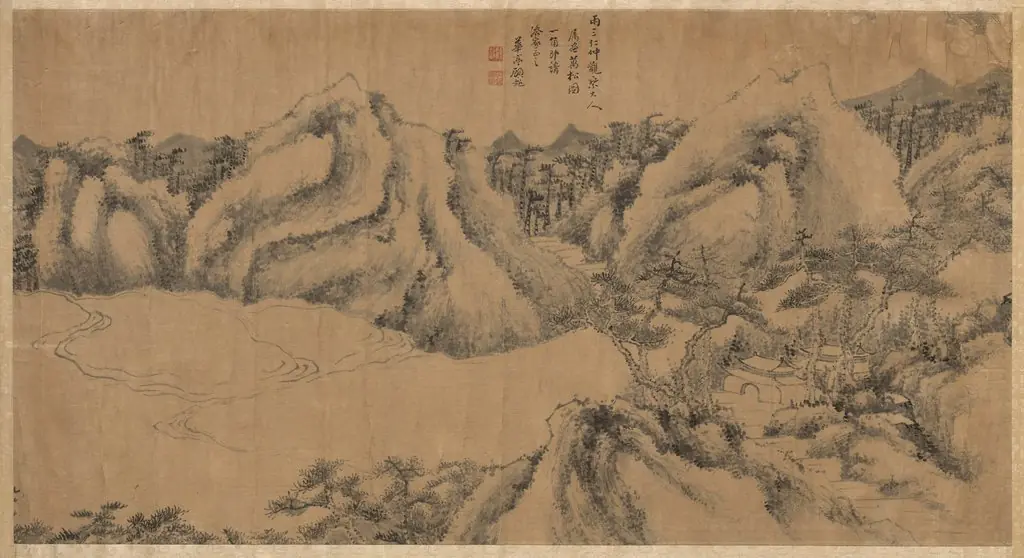 Pine-shaded Monastery on a Cloudy Mountain
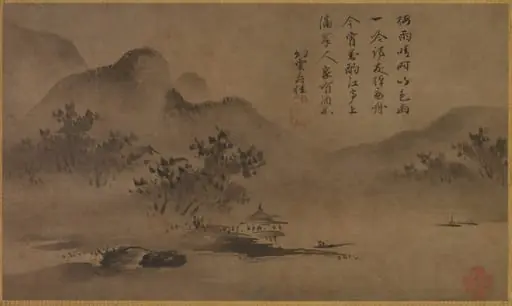 Landscape
 Pine-shaded Monastery on a Cloudy Mountain
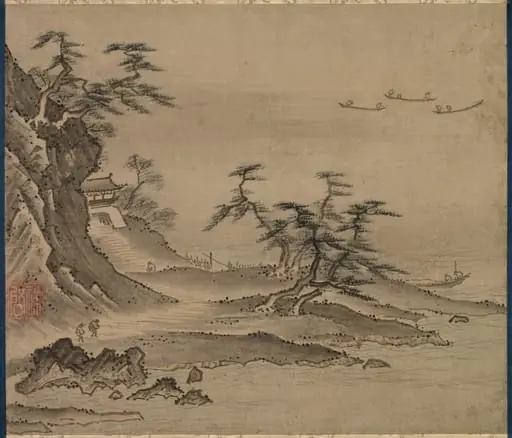 View of Xiao Xiang
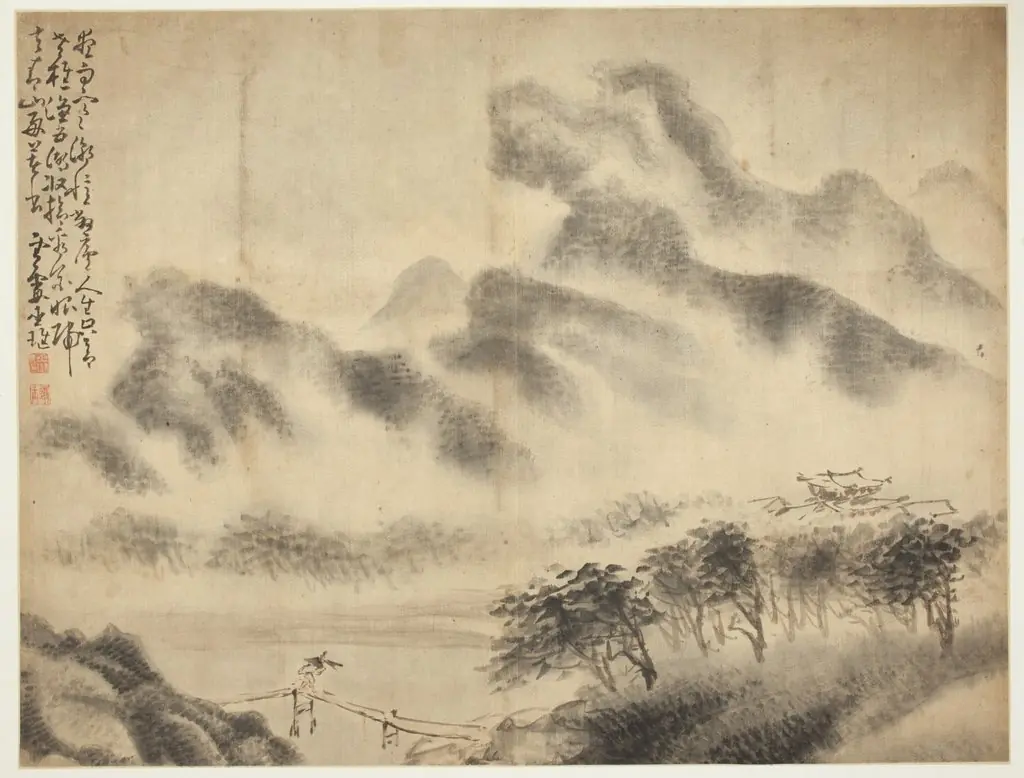 Landscapes and Figures: Landscape
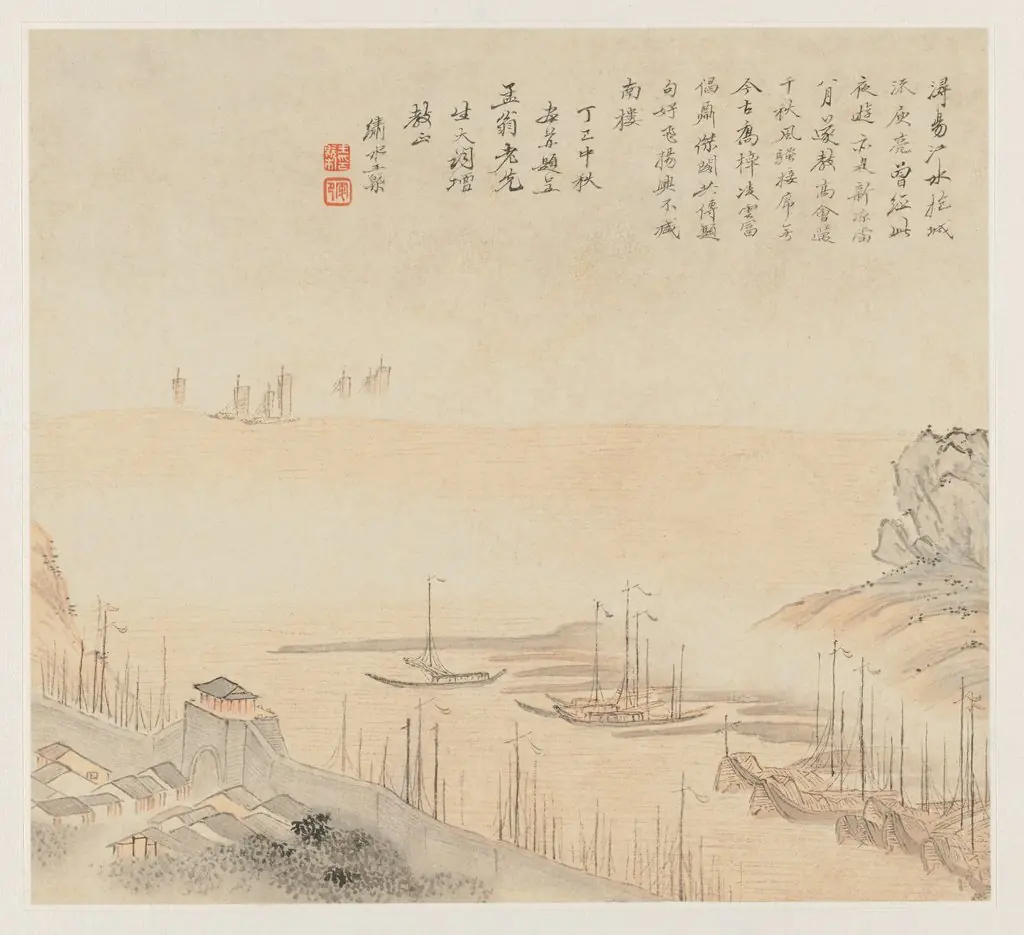 Album of Landscapes: Leaf 8
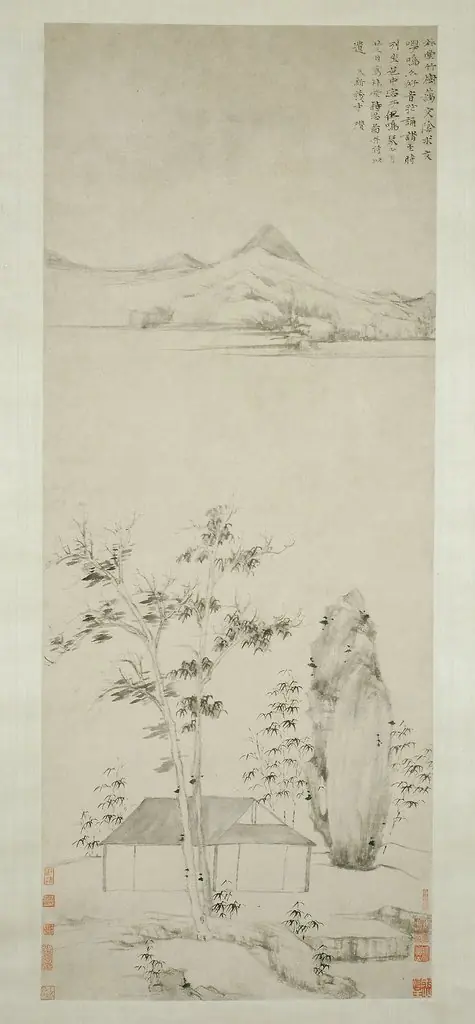 Poetic Thoughts in a Forest Pavilion