Artwork
Paintings after Ancient Masters
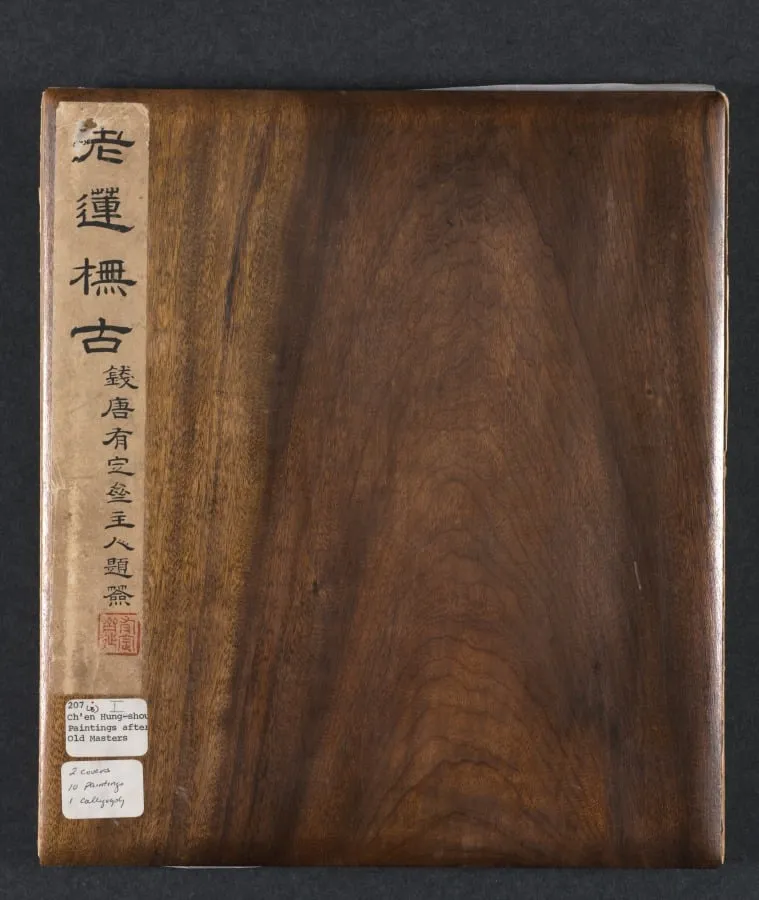
Paintings after Ancient Masters is an unspecified painting by the Ming dynasty painting artist Chen Hongshou. It dates from 1625 and is held in the collection of the Cleveland Museum of Art. The album comprises twenty small paintings that combine landscape, figure, and flower subjects.
About this work
The figures look stretched, like they’re from an earlier time, but the details feel fresh—no extra emotion, just sharp lines and careful brushstrokes.
You see a small album of twenty paintings: tiny trees, oddly tall people, and one quiet woman reading.
Chen Hongshou painted these late in life, when his style turned quirky and old-fashioned. The figures look stretched, like they’re from an earlier time, but the details feel fresh—no extra emotion, just sharp lines and careful brushstrokes.
If you like these, look up *china, ming dynasty (1368–1644)* for more paintings from the same era.
Overview
The album comprises twenty small paintings that combine landscape, figure, and flower subjects. Executed in Chen Hongshou’s later period, the works display his characteristic blend of antiquarian taste and meticulous detail, while avoiding overt sentimentality.
Subject & Meaning
Among the images is a solitary woman reading, a motif that appears rarely in Chen’s later albums. The miniature scale of the scenes—resembling garden rocks or bonsai—suggests a contemplative view of the world, reflecting the constrained circumstances of Ming‑era scholars and officials.
Technique & Style
Chen’s late style is marked by elongated, archaic figures rendered with precise, refined brushwork. The compositions are compact, with fine lines that emphasize form over narrative emotion, embodying his quirky, hyper‑refined aesthetic.
History & Provenance
Created toward the end of Chen Hongshou’s career, the album illustrates his mature artistic approach. The works have remained associated with his name, providing insight into the personal and cultural context of the declining Ming dynasty.
Context
The reduced scale and antiquarian references align with a broader Ming‑period trend among loyalist scholars who, facing political marginalization, turned to miniature, introspective art as a means of preserving cultural identity.
Artist & collection


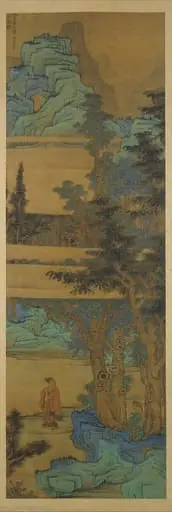 明 陳洪綬 樹下高士圖 軸|Scholar-recluse in blue-green landscape
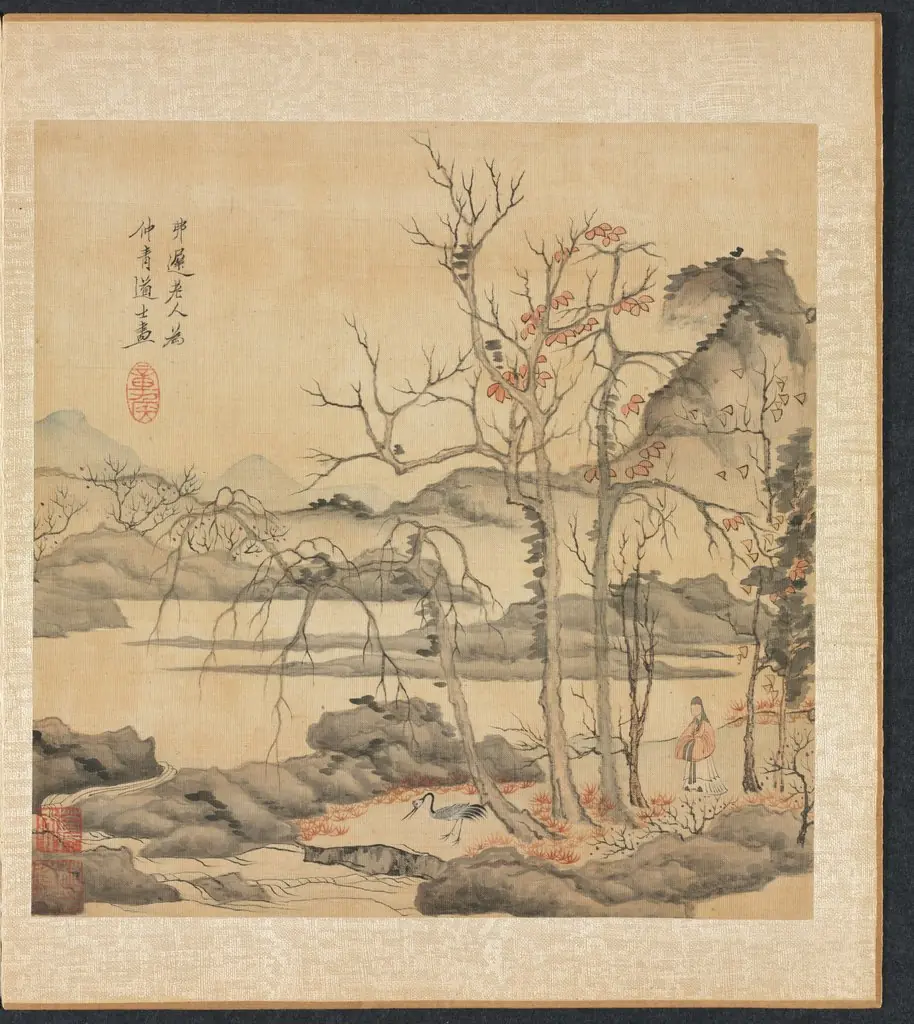 Paintings after Ancient Masters: Daoist and Crane in Autumn Landscape
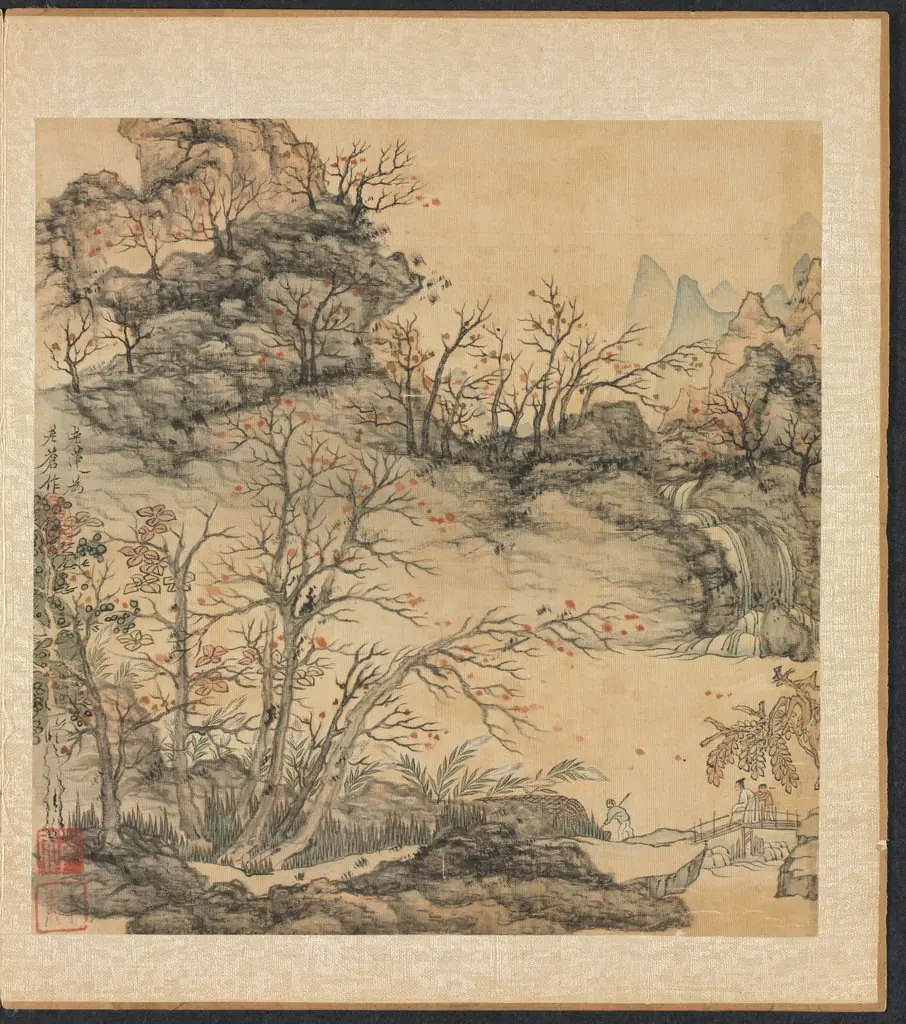 Paintings after Ancient Masters: Autumn Landscape
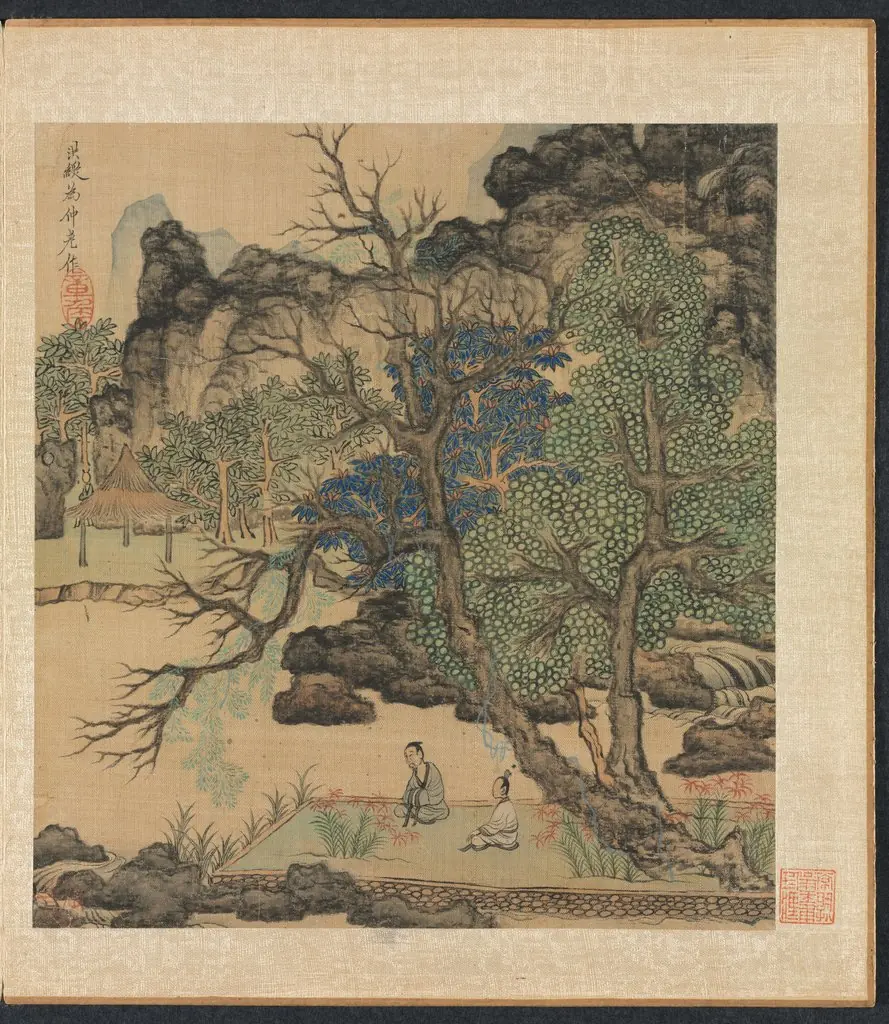 Paintings after Ancient Masters: Scholars in a Garden
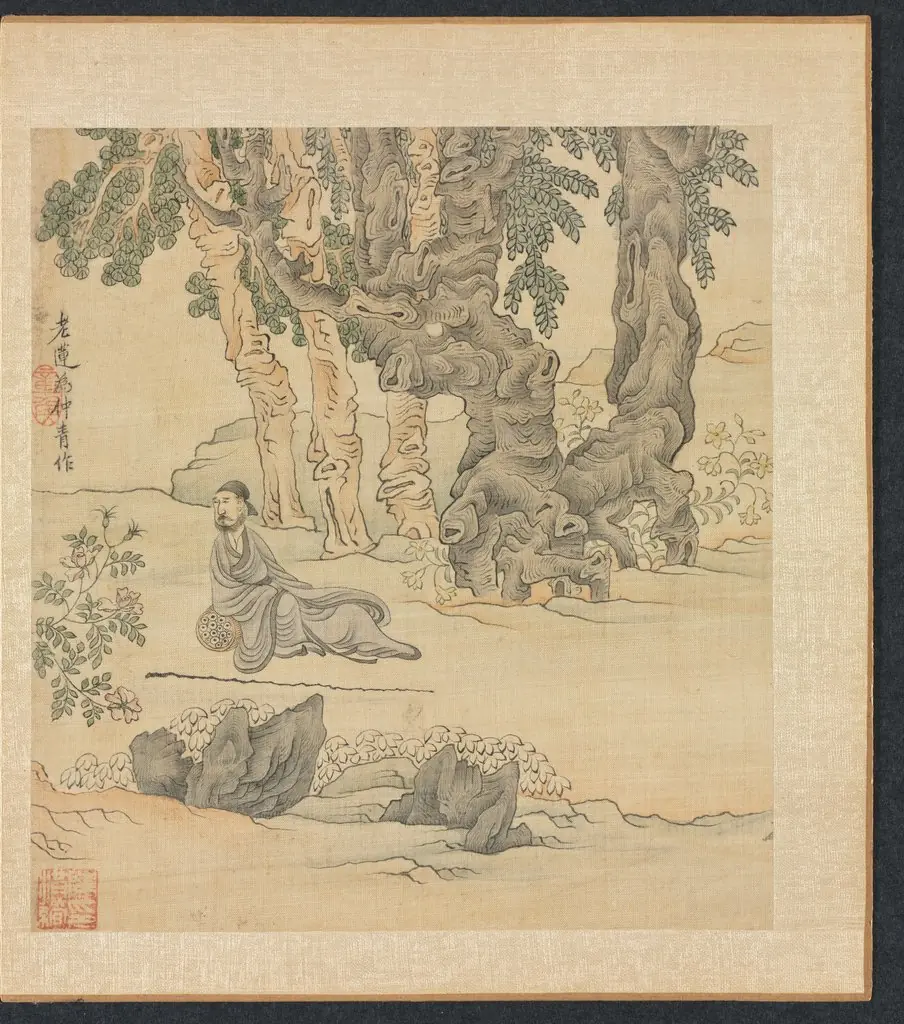 Paintings after Ancient Masters: Portrait of Zhongqing in a Landscape
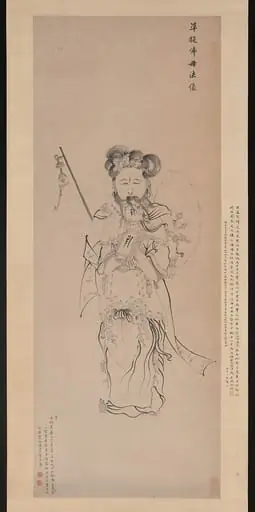 明 陳洪綬 準提佛母法像圖 軸|Bodhisattva Guanyin in the Form of the Buddha Mother
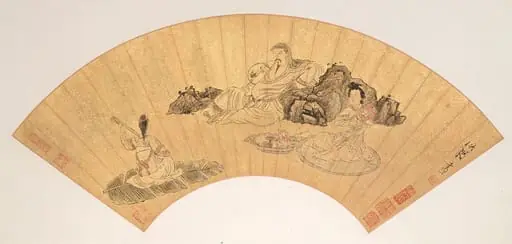 明 陳洪綬 山水花鳥人物圖 扇冊|Landscapes and Flowers
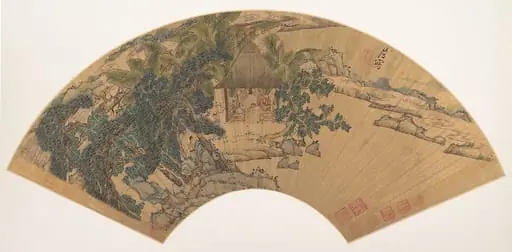 明 陳洪綬 山水圖 扇|Landscape
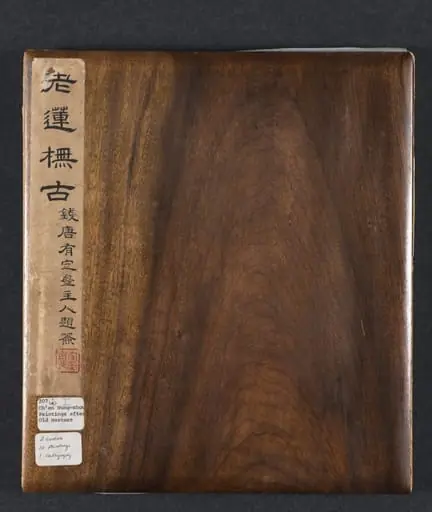 Paintings after Ancient Masters: Volume 1
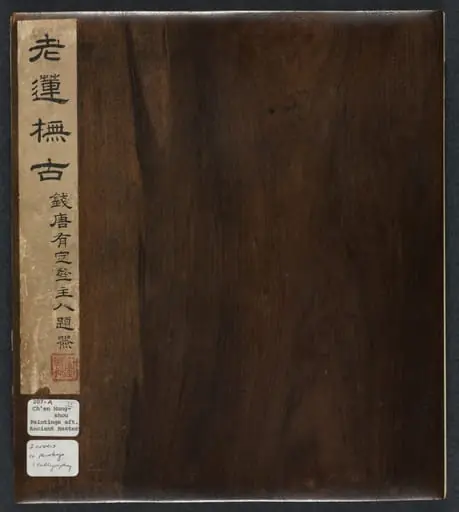 Paintings after Ancient Masters: Volume 2
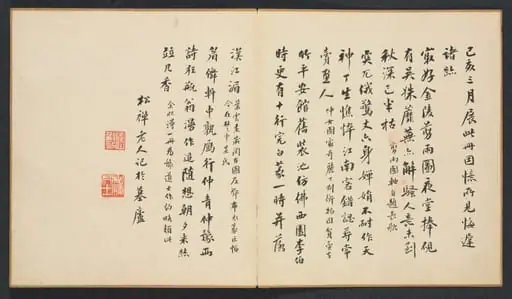 Paintings after Ancient Masters: Calligraphy
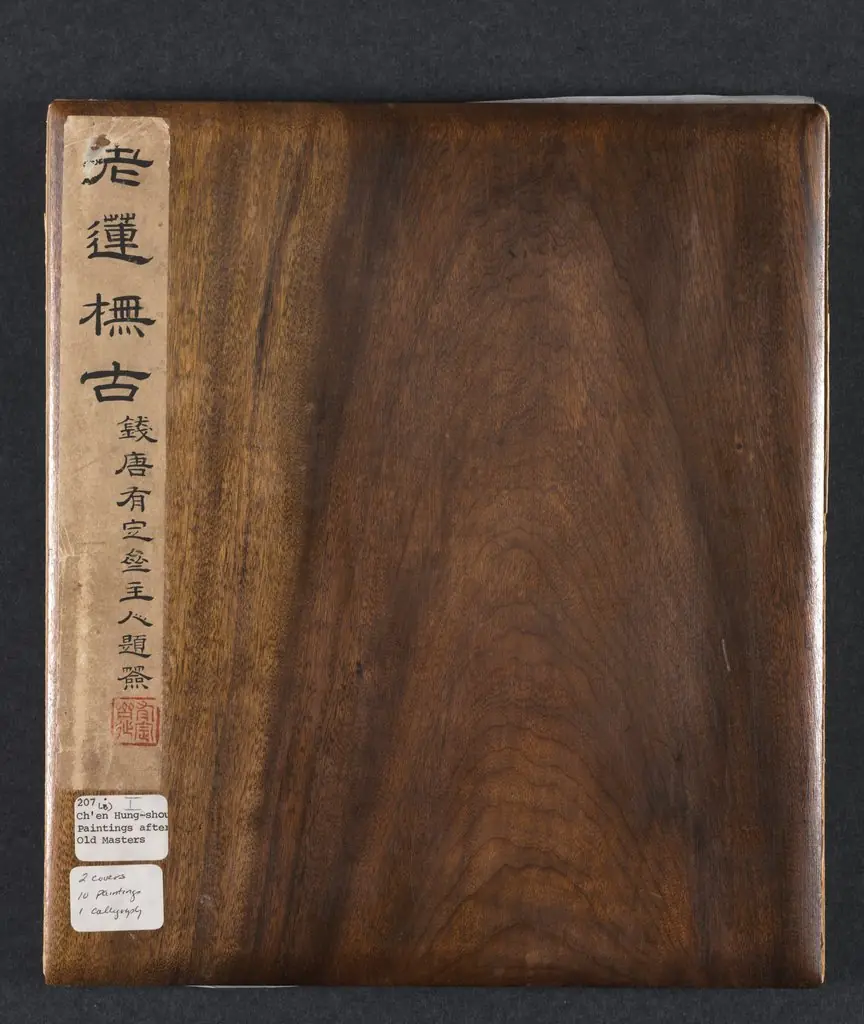 Paintings after Ancient Masters
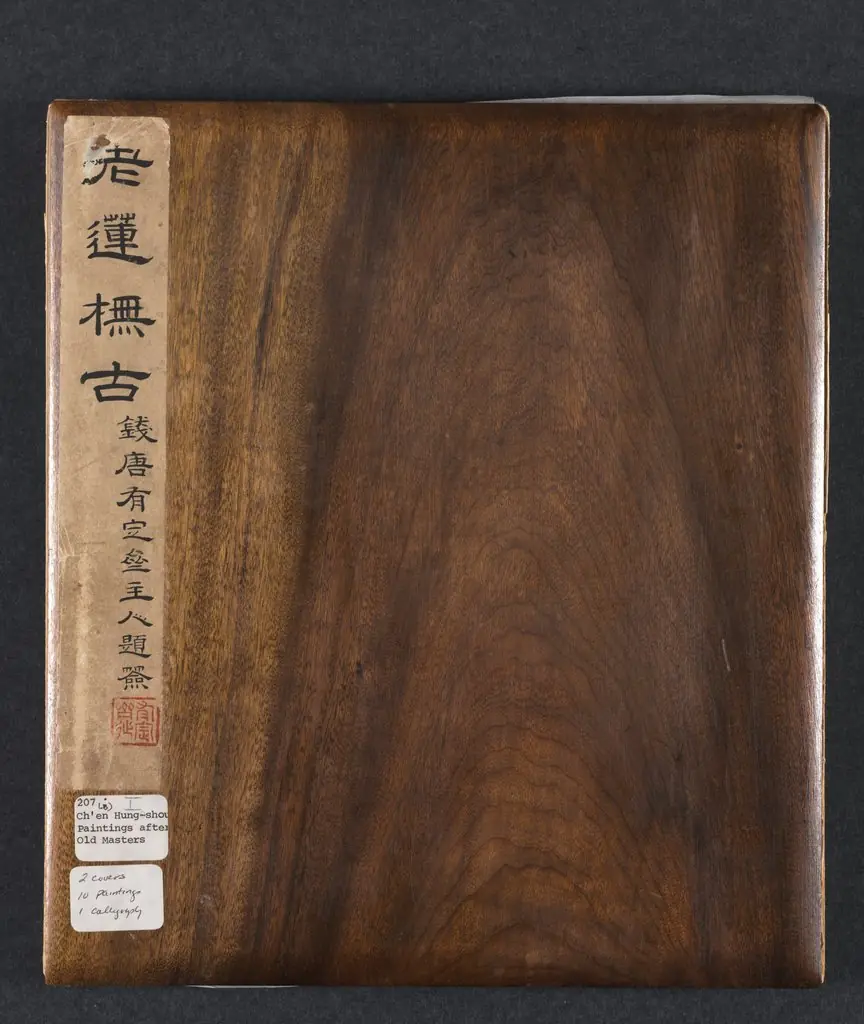 Paintings after Ancient Masters: Volume 1
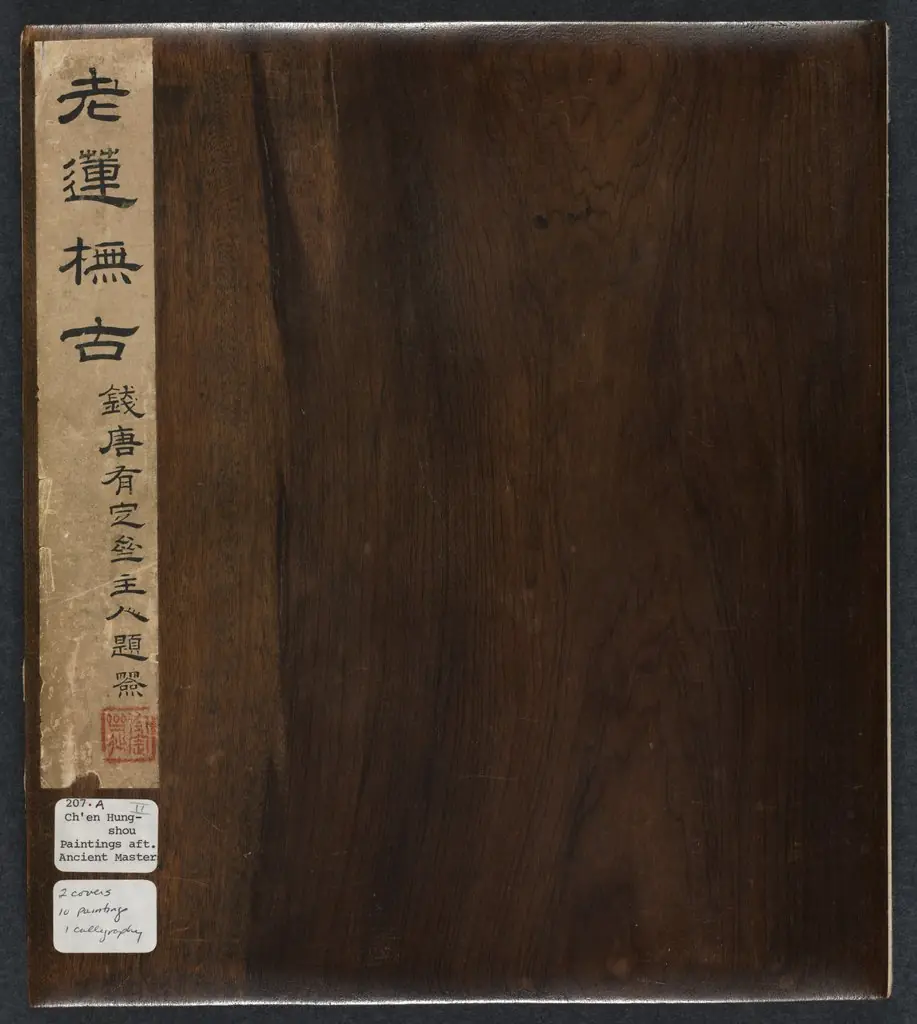 Paintings after Ancient Masters: Volume 2
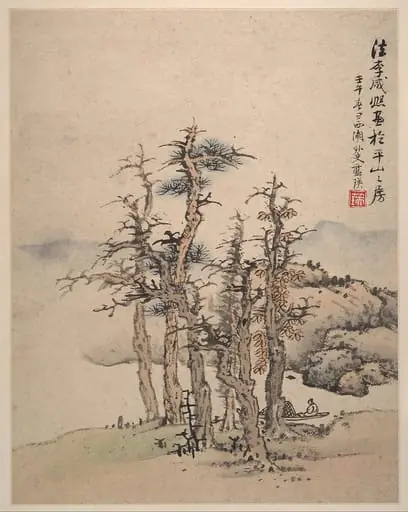 明 藍瑛 仿宋元山水圖 冊|Landscapes after Song and Yuan masters
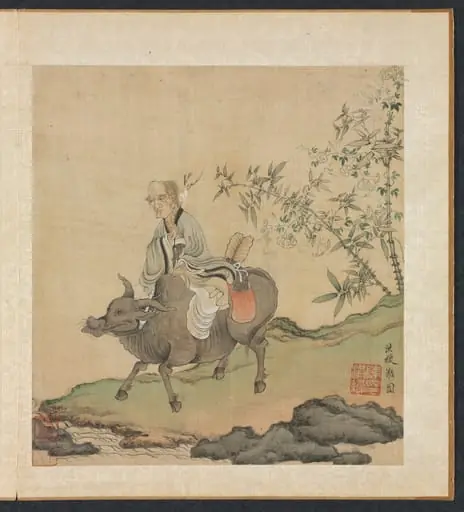 Paintings after Ancient Masters: Laozi Riding an Ox