Artwork
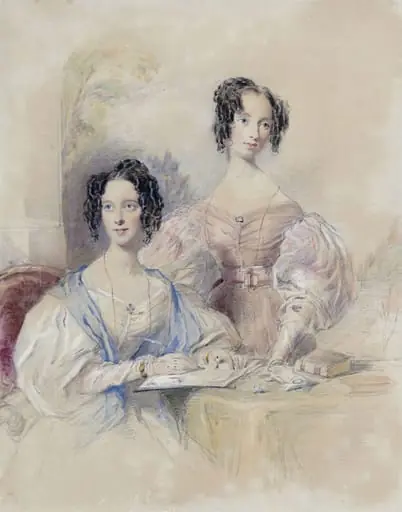
Two Women [recto]
![Two Women [recto], by Seth Wells Cheney, graphite, 1840](https://artifactworldgallery.com/img/seth-wells-cheney--two-women-recto--7bf98ab7c247bdd5-w1024.webp)
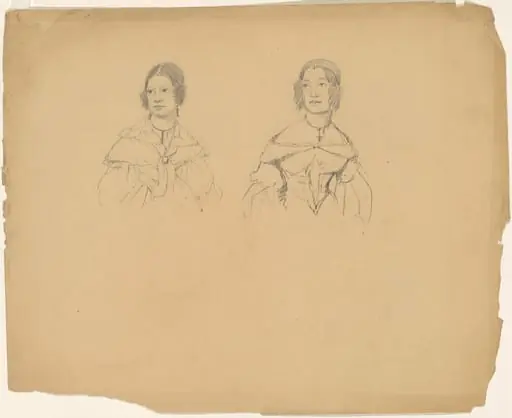
Two Women [recto] is a graphite drawing by the Romanticist artist Seth Wells Cheney. It dates from 1840 and is held in the collection of the National Gallery of Art.
About this work
Overview
Created around 1840 by Seth Wells Cheney, this ink wash and graphite drawing on wove paper captures a quiet moment between two women. The composition is intimate, with figures positioned close, heads tilted toward one another. The medium’s fluidity and the paper’s aged tone contribute to a sense of immediacy, as if the scene was recorded in passing rather than composed with deliberation.
Subject & Meaning
The two women appear engaged in a private exchange, their faces subtly turned to suggest whispered conversation. No narrative is overtly stated, but the closeness of their postures implies familiarity or emotional connection. Cheney avoids explicit detail, inviting viewers to infer the nature of their interaction through gesture and proximity rather than expression or setting.
Technique & Style
Cheney employed loose, rapid strokes in ink wash and graphite to suggest form without definition. Hair and fabric are indicated with minimal lines, while the watery ink blends softly into the paper’s yellowed surface. The absence of sharp contours and the emphasis on tone over outline reflect a spontaneous, observational approach, characteristic of preparatory sketches rather than finished works.
History & Provenance
The drawing is attributed to Seth Wells Cheney, an American artist active in the mid-19th century, known for his portraits and genre scenes.
The drawing is attributed to Seth Wells Cheney, an American artist active in the mid-19th century, known for his portraits and genre scenes. While specific ownership history is not documented here, the work aligns with his practice of capturing intimate moments in delicate media. Its survival as a standalone sheet suggests it was preserved for its expressive quality rather than as part of a larger project.
Context
In the 1840s, American artists increasingly turned to domestic and personal subjects, moving beyond formal portraiture. Cheney’s sketch reflects this shift, valuing quiet human interaction over grand narrative. The use of wash and graphite on paper was common among artists for studies, yet this piece stands out for its emotional restraint and sensitivity to light and form.
Legacy
Though not widely exhibited, this drawing exemplifies Cheney’s ability to convey psychological nuance through understated means. It contributes to a broader understanding of 19th-century American draftsmanship, where immediacy and subtlety were valued as much as technical precision. The work remains a quiet testament to the artist’s eye for unguarded human moments.
Artist & collection


![Self-Portrait [recto], by Seth Wells Cheney](https://artifactworldgallery.com/img/seth-wells-cheney--self-portrait-recto--f24f5e103b321eb5-w320.webp)
![Young Woman, Florence [recto], by Seth Wells Cheney](https://artifactworldgallery.com/img/seth-wells-cheney--young-woman-florence-recto--05fb201b0cc35006-w320.webp)
 Lady Maria Hooker When Miss Turner at Age Seventeen
 Charlotte and Julia Biggs
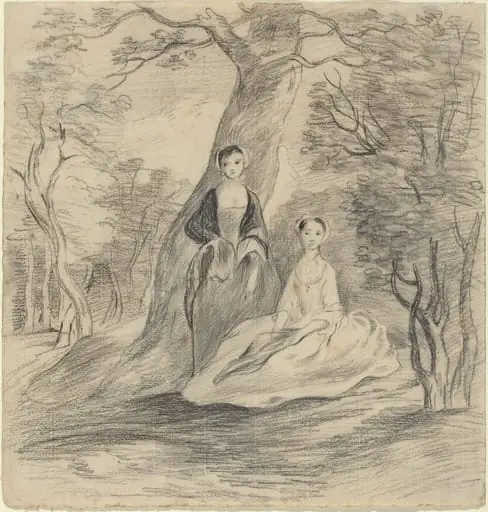 Two Girls in a Landscape
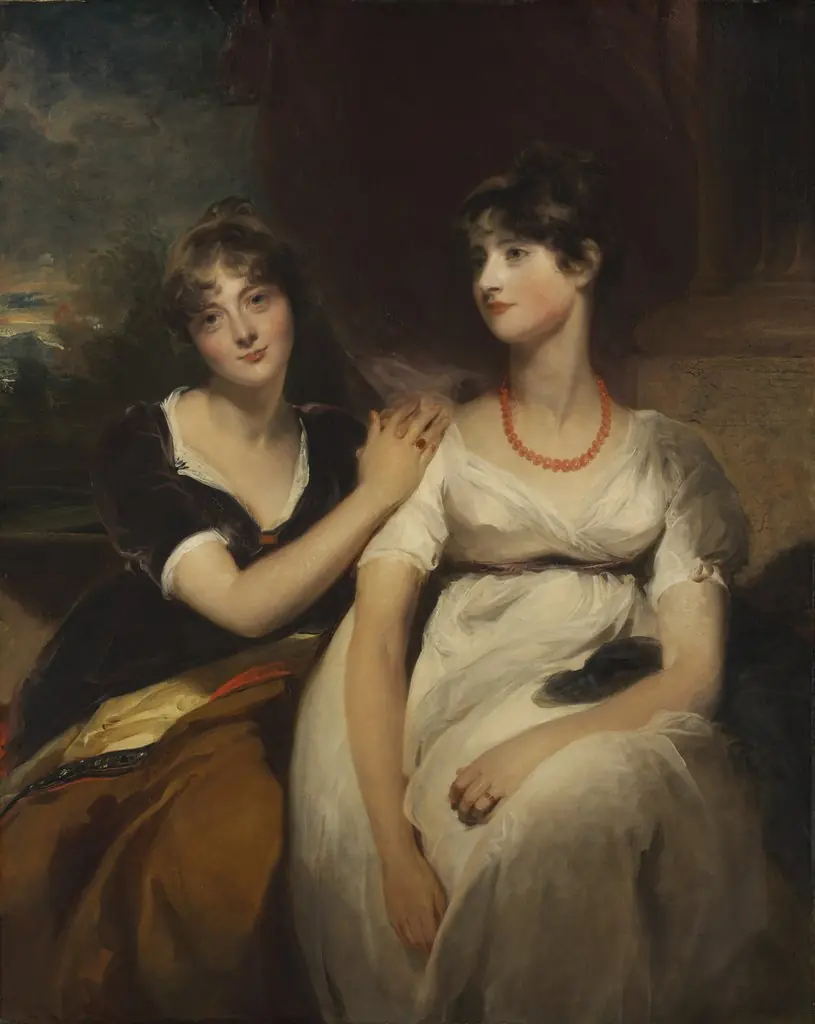 Portrait of Charlotte and Sarah Carteret-Hardy
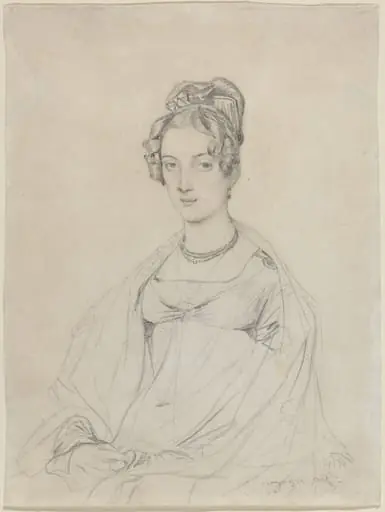 Mrs. Edward Dodwell
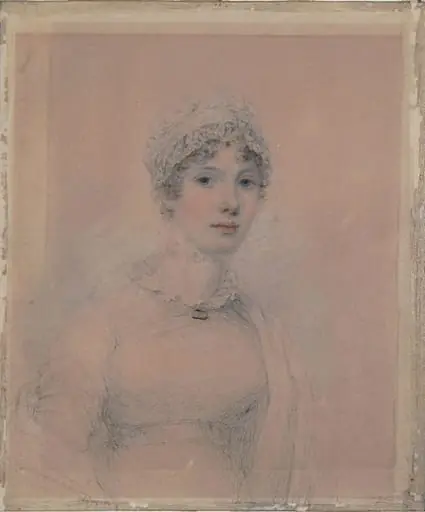 Portrait of a lady
 Madame Jerome Bonaparte (Elizabeth Patterson)
 The children of the 6th Lord Essex
 Rebecca Wetherill
 Giuseppina Massimi, Principessa Lancellotti di Lauro
 Mme. Horace Vernet
 Two Women