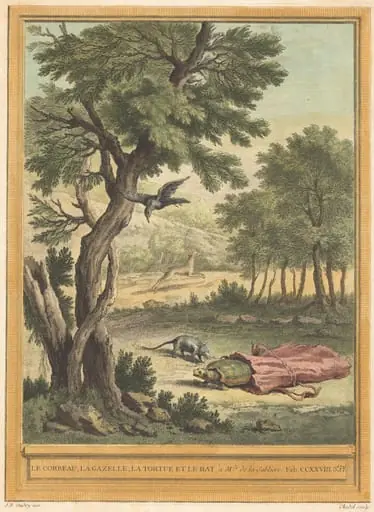
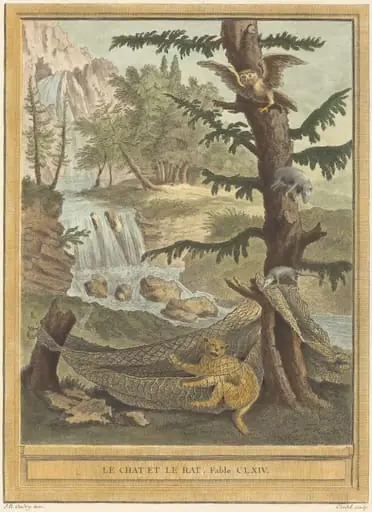
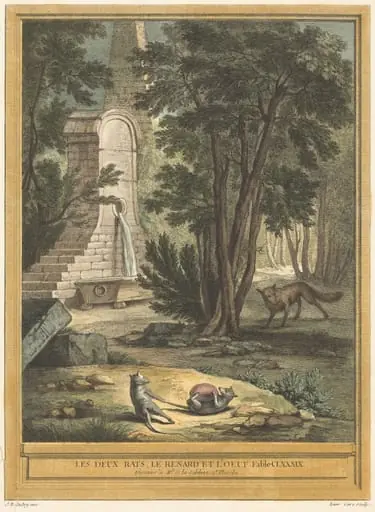
Artwork
Le corbeau, la gazelle, la tortue et le rat (The Crow, the Gazelle, the Tortoise, andthe Rat)
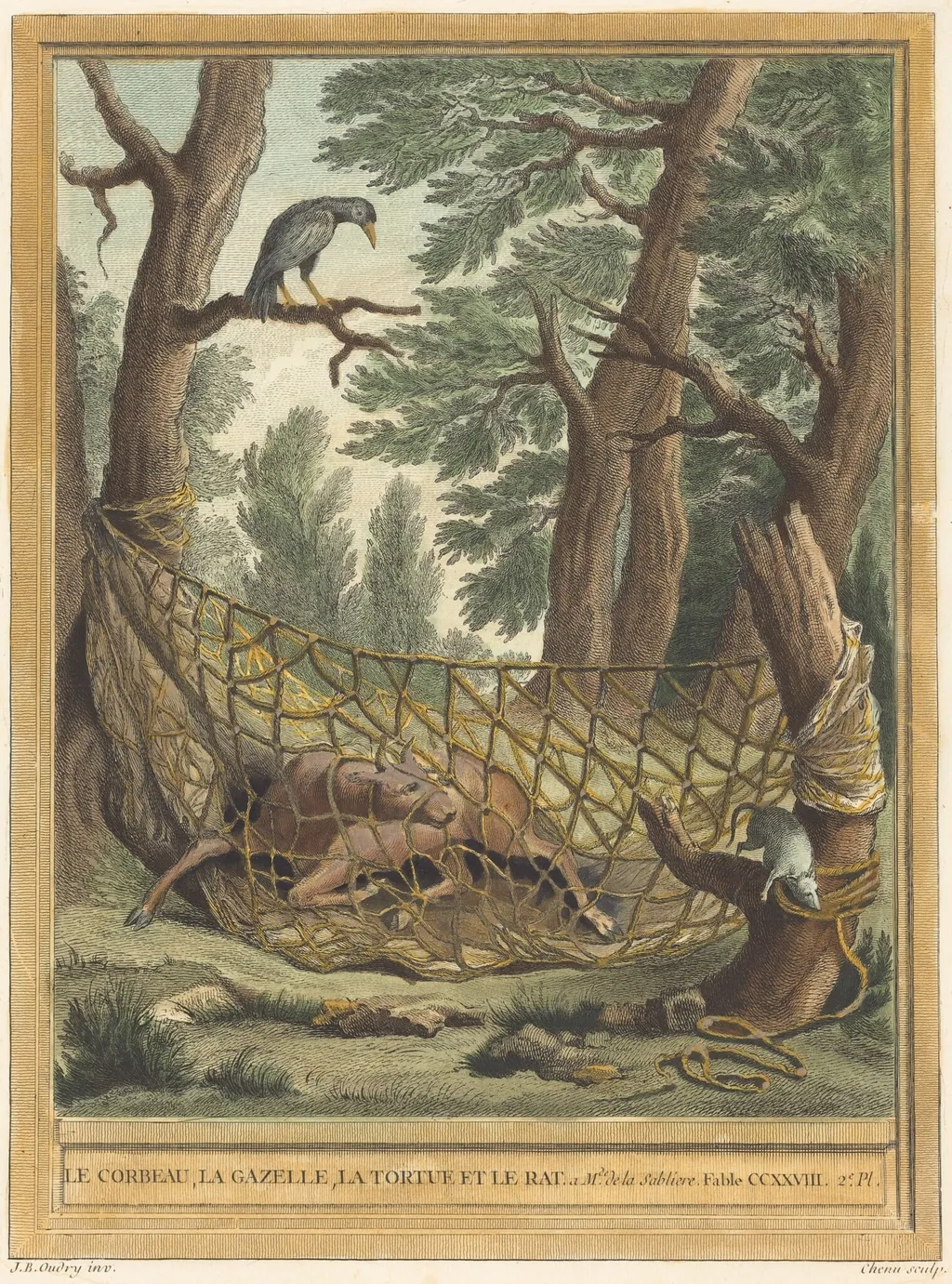
Le corbeau, la gazelle, la tortue et le rat (The Crow, the Gazelle, the Tortoise, andthe Rat) is an ink print by the Romanticist artist Pierre Chenu. It dates from 1759 and is held in the collection of the National Gallery of Art.
About this work
Overview
The composition centers on a crow perched above a gazelle, tortoise, and rat gathered near a woven fence.
Created in 1759 by Pierre Chenu, this hand-colored etching depicts four animals in a wooded setting. The composition centers on a crow perched above a gazelle, tortoise, and rat gathered near a woven fence. The scene is rendered with fine linear detail typical of etching, then enhanced with delicate brushwork to add subtle color and texture, distinguishing each creature and element of the landscape.
Subject & Meaning
The four animals—crow, gazelle, tortoise, and rat—are arranged in a narrative posture, suggesting a fable or moral tale. Their positioning and expressions imply interaction, though no human figures appear. The title explicitly names them, inviting interpretation as a symbolic grouping, possibly drawn from oral traditions or allegorical literature common in 18th-century Europe.
Technique & Style
Chenu employed etching to achieve precise, intricate lines defining foliage, fur, and the fence’s weave. The print was then manually colored with water-based pigments, adding muted greens, browns, and grays to enhance realism without overwhelming the underlying draftsmanship. The hand-coloring reflects a transitional practice between mechanical reproduction and artisanal finish, common in natural history prints of the period.
History & Provenance
The work originates from a series of animal studies produced by Chenu around the mid-1750s, likely intended for educational or decorative use. While no early ownership records are widely documented, its survival in institutional collections suggests it was valued for its botanical and zoological accuracy. The print’s modest scale and detail point to private or scholarly circulation rather than mass distribution.
Context
In mid-18th-century France, interest in natural history flourished alongside Enlightenment inquiry. Artists like Chenu contributed to this trend by illustrating fauna with scientific care, often blending observation with narrative. This print aligns with contemporaneous works that sought to document wildlife, sometimes embedding moral or philosophical undertones within seemingly simple animal groupings.
Legacy
Chenu’s etching remains a quiet example of pre-modern naturalist printmaking, valued for its restrained aesthetic and attention to biological form. Though not widely reproduced or celebrated in popular culture, it contributes to the broader archive of European animal imagery that informed both scientific illustration and artistic depictions of nature in the decades before Romanticism.
Artist & collection


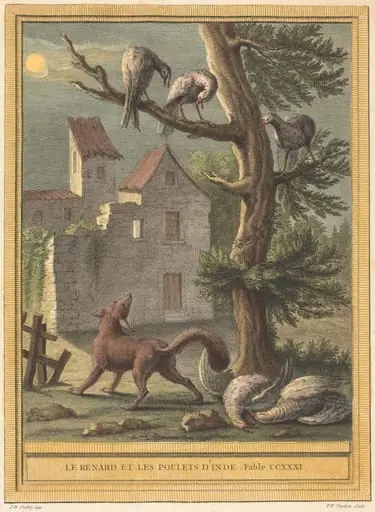 Le renard et les poulets d'Inde (The Fox and the Hens from India)
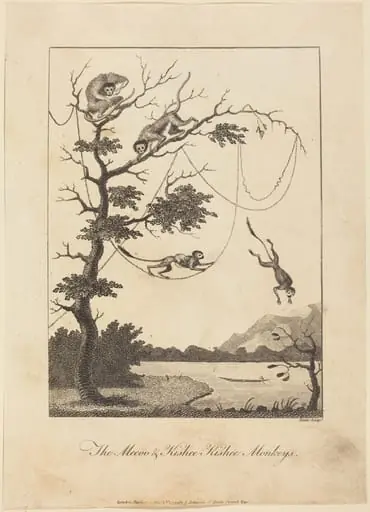 The Mecoo & Kisbee Kishee Monkeys
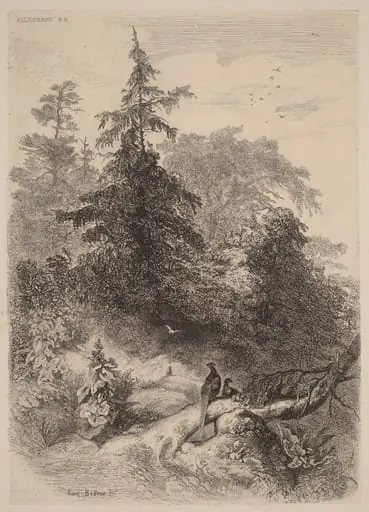 Les Faisans
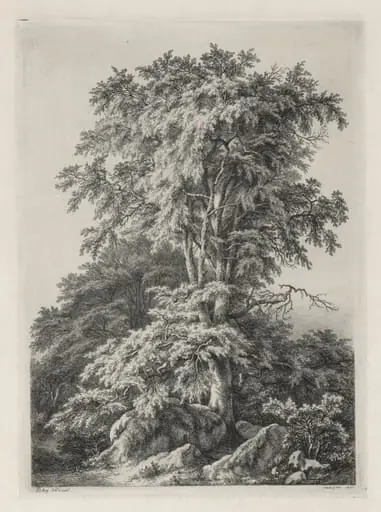 Studies Drawn and Engraved after Nature: The Beach, Fontainebleau (Études dessinées et Gravées D'après nature: Le hêtre, Fontainebleau)
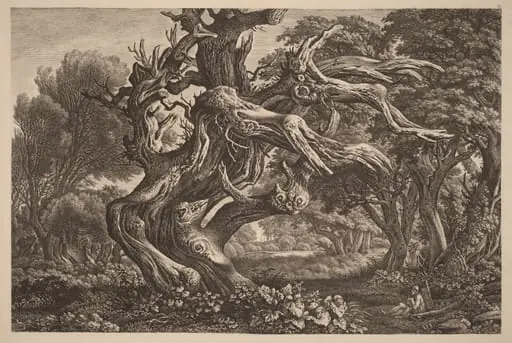 A Dead Oak Tree
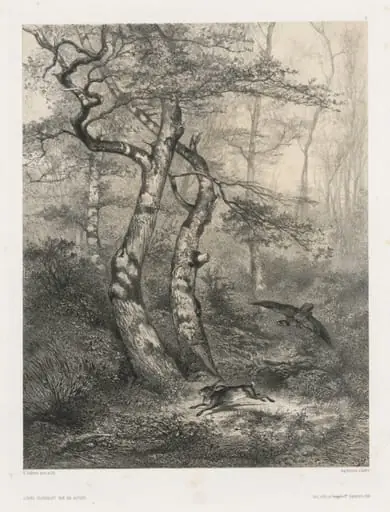 Hare Pursued by a Goshawk
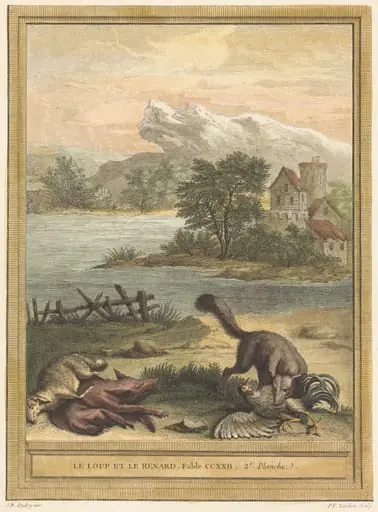 Le loup et le renard (The Wolf and the Fox)
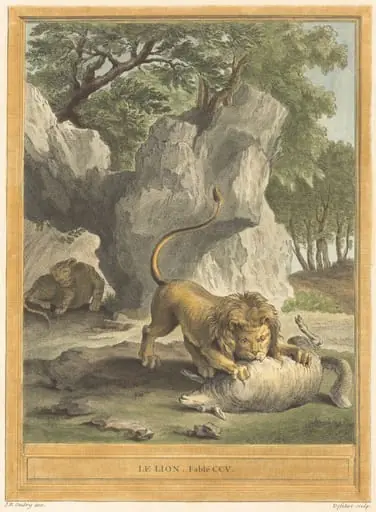 Le lion (The Lion)
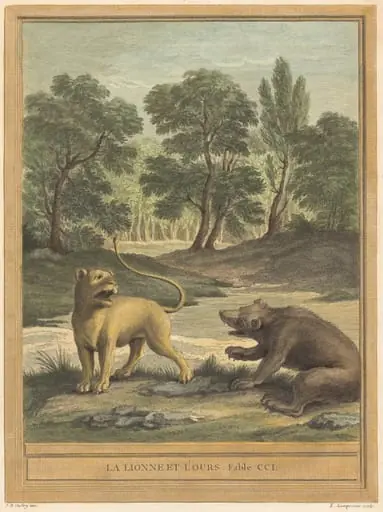 La lionne et l'ours (The Lion and the Bear)