Artwork
Antiquities of Dacca
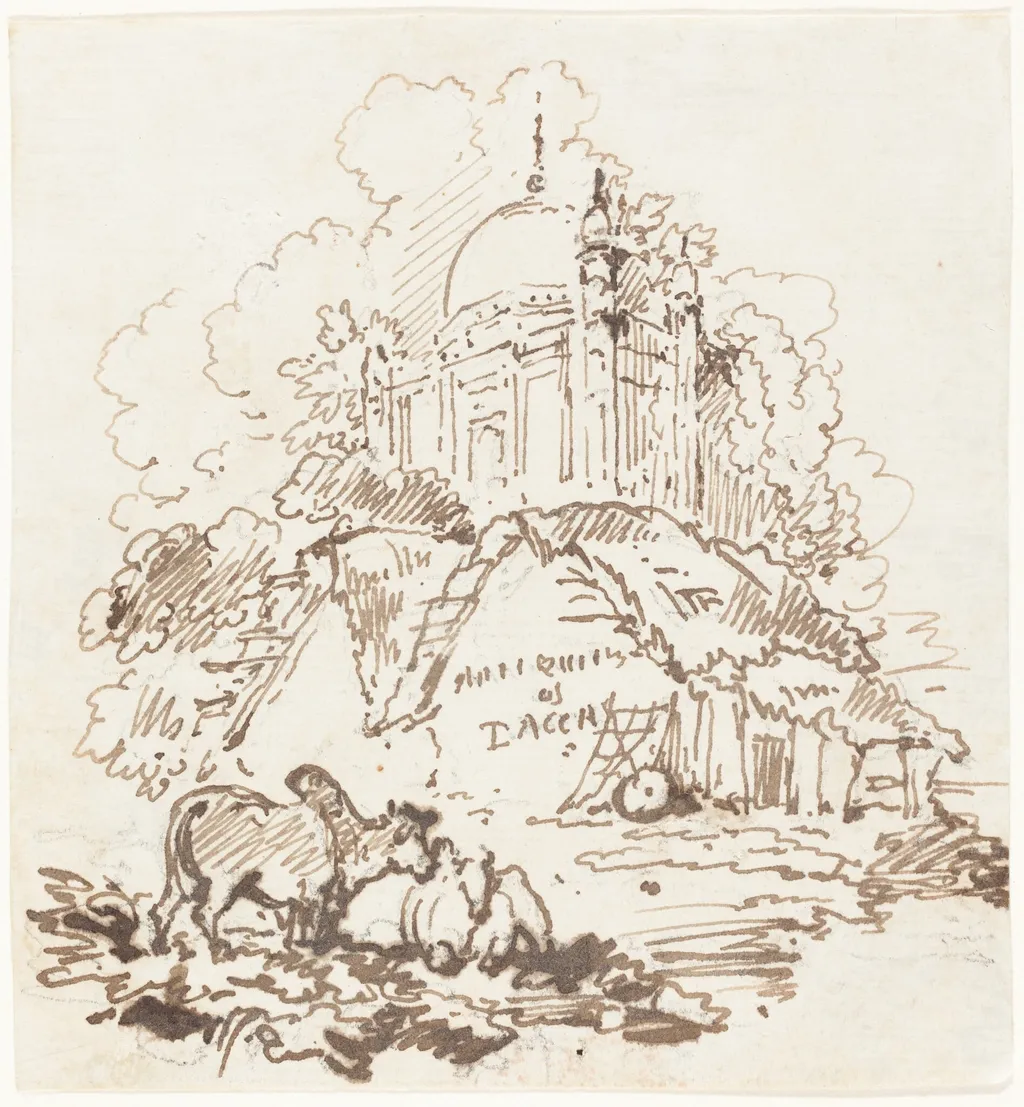
Antiquities of Dacca is an ink drawing by the Romanticist artist George Chinnery. It dates from 1820 and is held in the collection of the National Gallery of Art.
About this work
Overview
Antiquities of Dacca is a drawing created by George Chinnery in 1820, executed in pen and brown ink over graphite on laid paper. The work captures a bustling scene of everyday life, characterized by simple, quickly rendered figures and suggestive background elements.
Subject & Meaning
The drawing depicts a densely populated scene, with figures in various postures, set against faintly indicated architectural and possibly natural elements. The subject reflects Chinnery's practice of documenting local life during his Asian travels.
Technique & Style
Chinnery employed cross-hatching to achieve shading, resulting in a rough, sketchy appearance that conveys a sense of rapid execution. The simplicity of the figures, limited to outlines and shading, further emphasizes the drawing's observational and spontaneous nature.
History & Provenance
Created in 1820, the drawing is part of Chinnery's oeuvre from his time in Asia, specifically during his stint in the region that included India and southern China. Provenance details are not provided.
Context
Antiquities of Dacca situates itself within Chinnery's broader practice of capturing local scenes and architecture in Asia, reflecting the artist's interest in documenting everyday life in the regions he traveled through.
Legacy
While specific legacy details of *Antiquities of Dacca* are not provided, the work contributes to the broader understanding of Chinnery's observational drawing style and his depiction of Asian life in the early 19th century.
Artist & collection
Artist
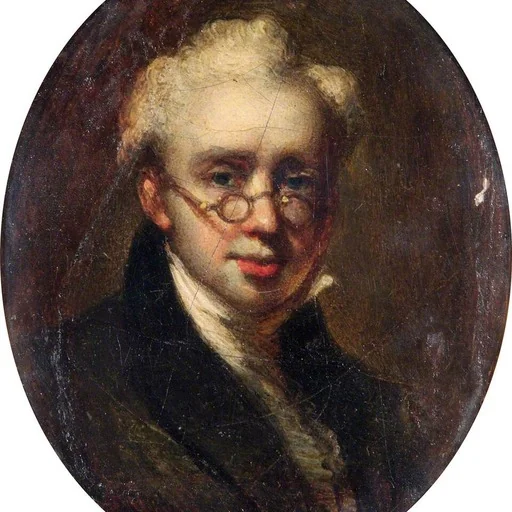
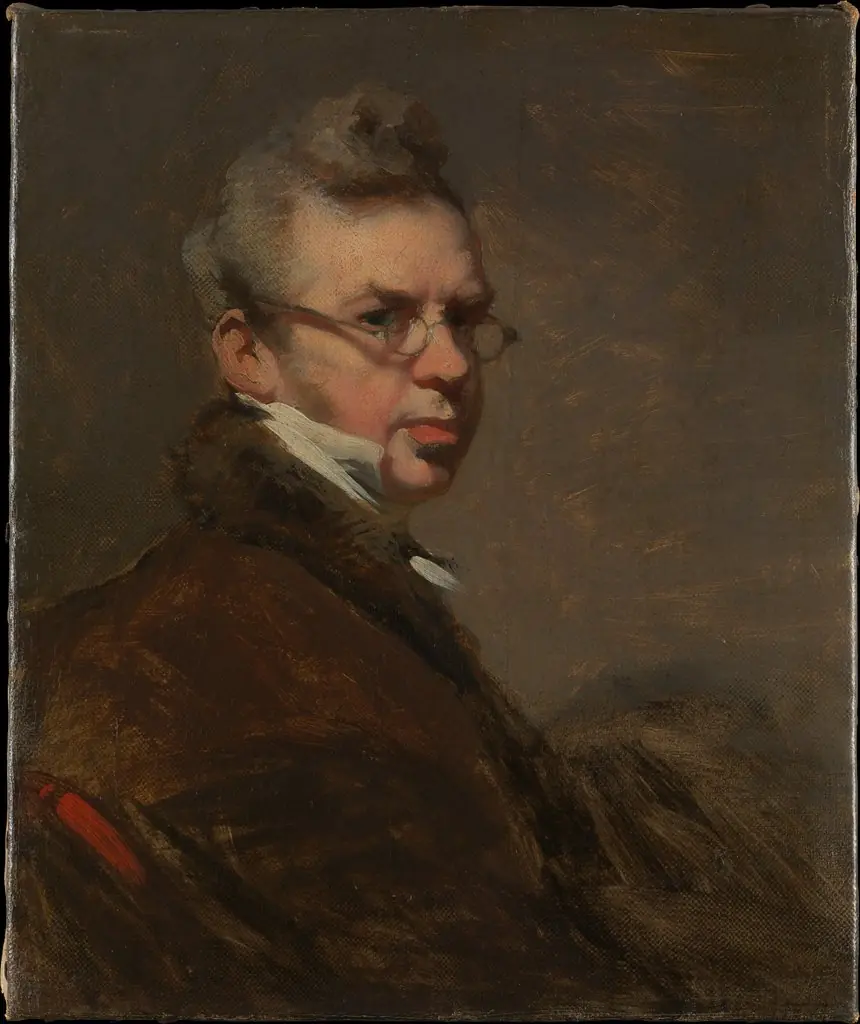
George Chinnery (Chinese: 錢納利; 5 January 1774 – 30 May 1852) was an English painter who spent most of his life in Asia, especially India and southern China.



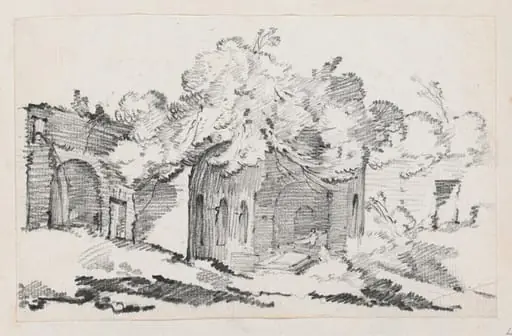 The Grotto of the Nymph Egeria
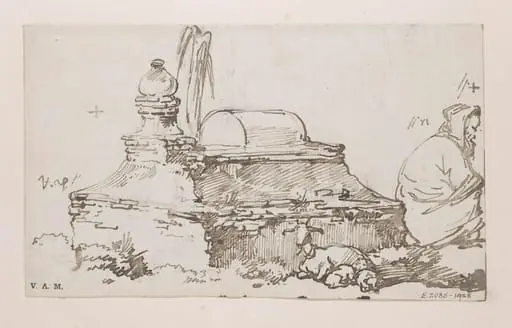 A boatwoman and a goat and kids by a Chinese tomb
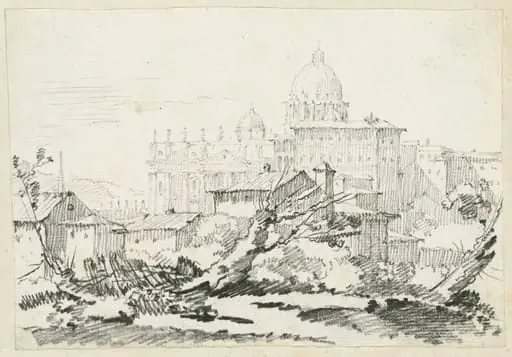 Saint Peter's Basilica and the Papal Palace
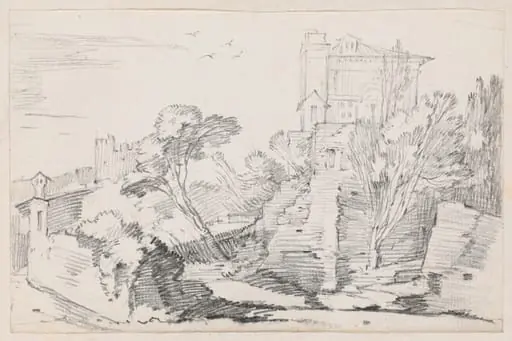 Casino Farnese on the Palatine Hill, Rome
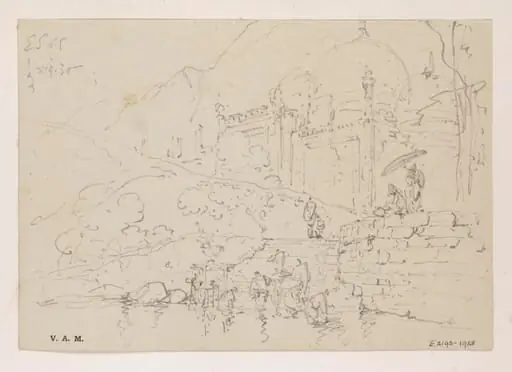 A domed tomb in India, with steps leading down to water
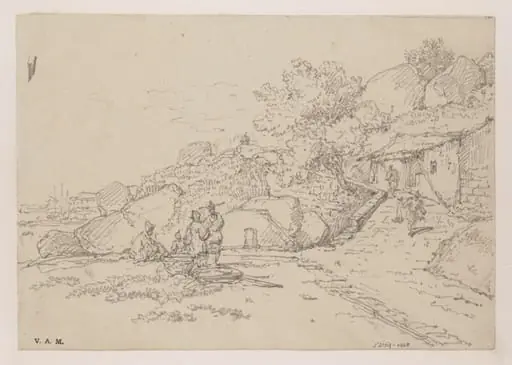 A small building on a rocky hillside, with a group of figures and the bay at left
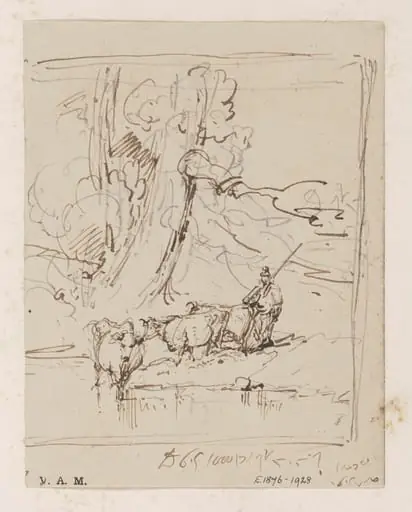 Chinese figures and animals
![A Village Scene in India [verso], by George Chinnery](https://artifactworldgallery.com/img/george-chinnery--a-village-scene-in-india-verso--a3b8d6327e2fa0d5-w320.webp) A Village Scene in India [verso]
A Village Scene in India [verso]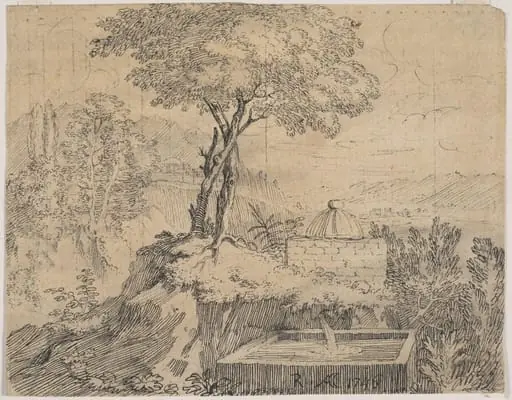 Landscape near Rome, with a cistern in the foreground
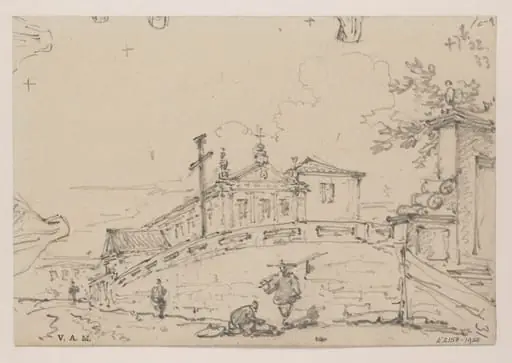 A church in Macau
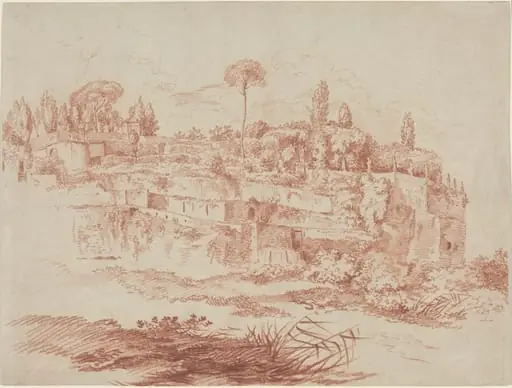 Gardens of the Villa Mattei
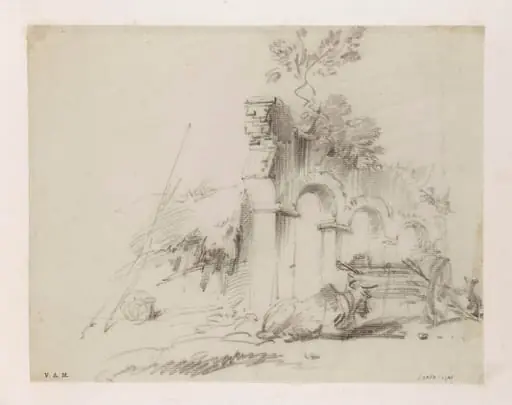 An ox and cart by a ruined building, Bengal