Artwork
Village huts, Bengal
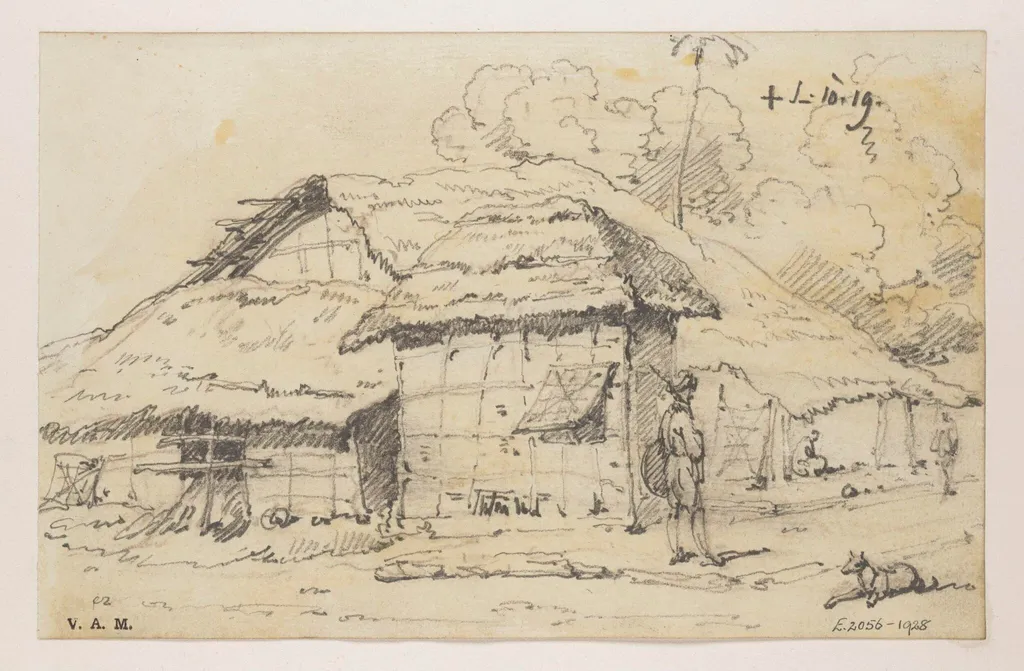
Village huts, Bengal is a drawing by the Romanticist artist George Chinnery. It dates from 8 and is held in the collection of the Victoria and Albert Museum.
About this work
Overview
This soft‑pencil drawing depicts a modest Bengal village scene, featuring a cluster of thatched huts, a village watchman seated beneath a tree, a dog at his feet, and a child passing by. The composition captures a quiet moment of everyday rural life.
Subject & Meaning
The work focuses on ordinary villagers rather than grand narratives, emphasizing the routine presence of the chowkidar, his companion animal, and the movement of a child, thereby highlighting the social fabric and daily rhythms of a Bengal settlement.
Technique & Style
Executed in delicate pencil, the drawing employs swift, confident strokes that convey both form and atmosphere. The handling of light and shadow suggests a subtle chiaroscuro, reminiscent of the tonal sensitivity found in the works of earlier European masters, yet applied to an Indian context.
History & Provenance
Created by George Chinnery, who spent many years in India producing sketches of local life, the piece reflects his long‑term engagement with the subcontinent. It is currently held in the collection of the Victoria and Albert Museum.
Context
Chinnery’s oeuvre is characterized by a focus on everyday scenes rather than monumental events, aligning his practice with a broader 19th‑century interest in documenting colonial environments through direct observation.
Own this work as a print
Artist & collection
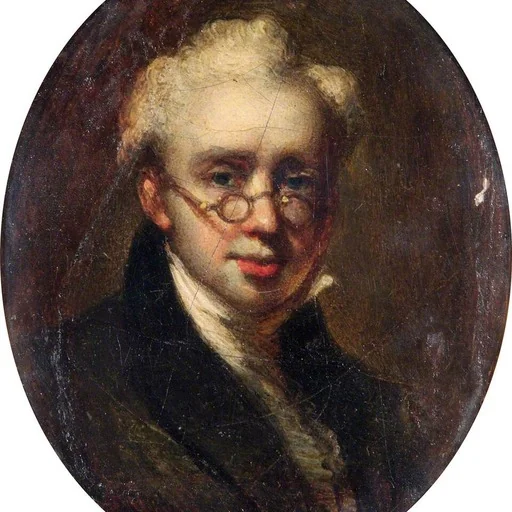
Artist
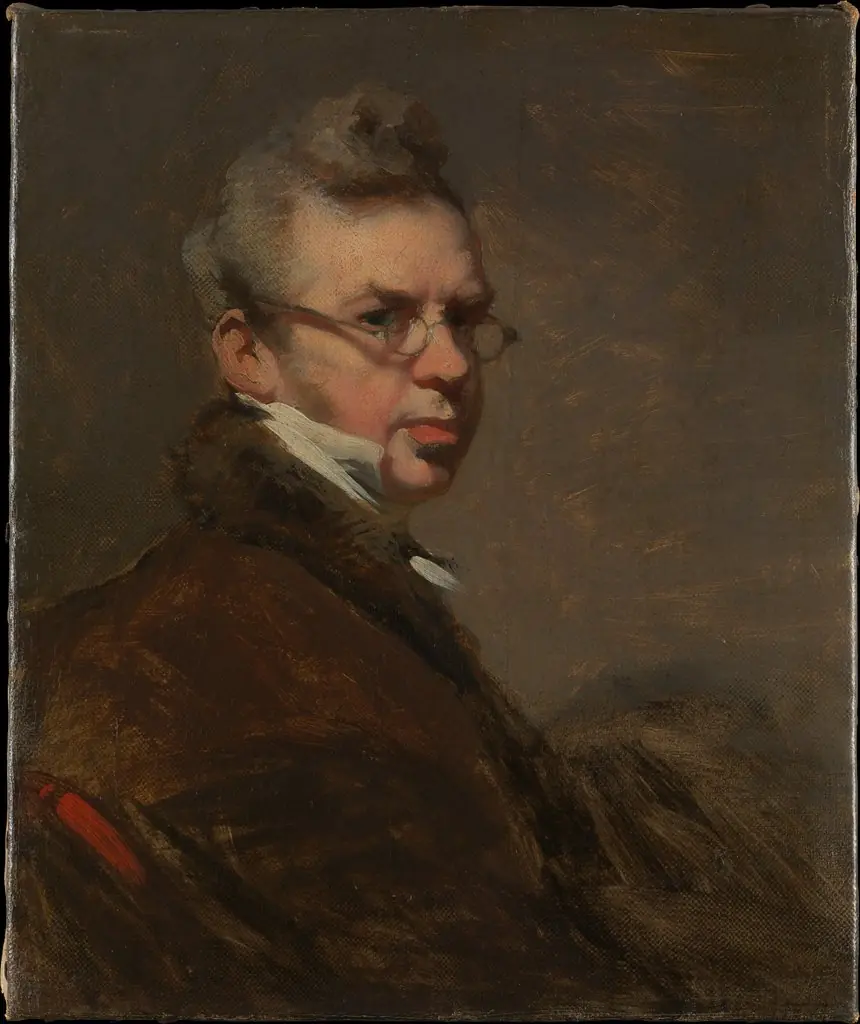
George Chinnery (Chinese: 錢納利; 5 January 1774 – 30 May 1852) was an English painter who spent most of his life in Asia, especially India and southern China.


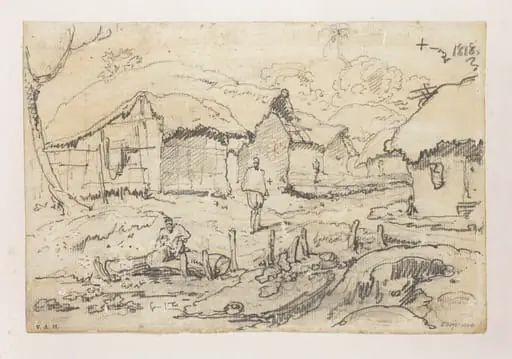 A village street, Bengal
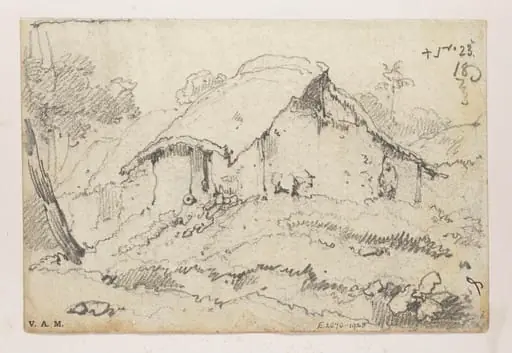 A village dwelling, Bengal
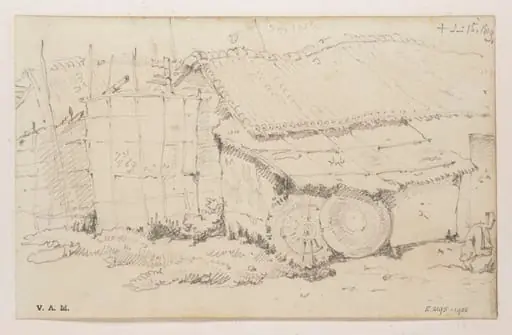 Thatched village dwellings, Bengal
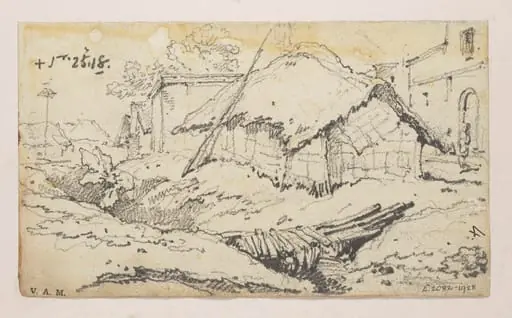 An Indian village
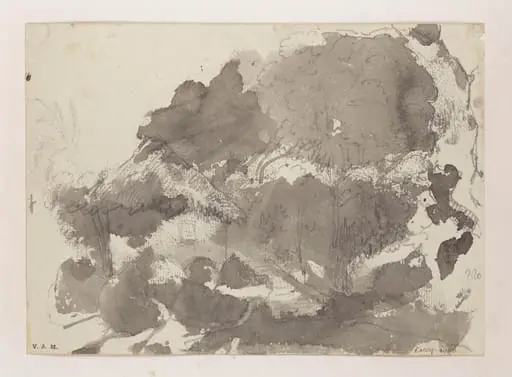 A thatched dwelling amid trees, Bengal
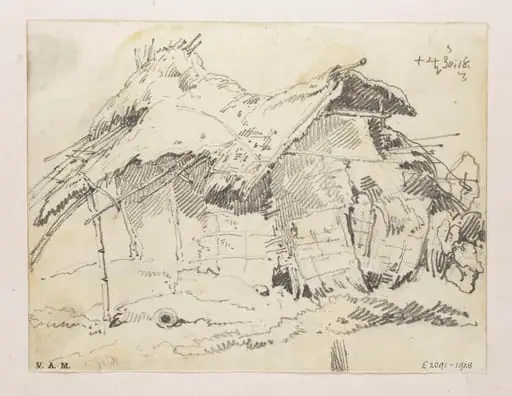 A dilapidated Indian village dwelling
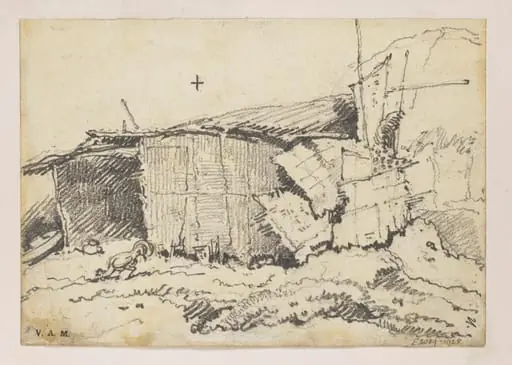 Indian village dwellings
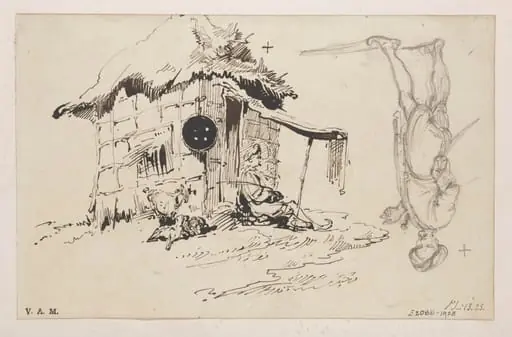 A chowkidar, or village watchman, by his hut
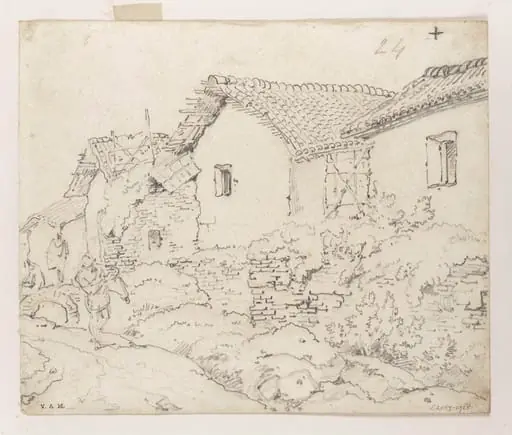 A village street, Bengal
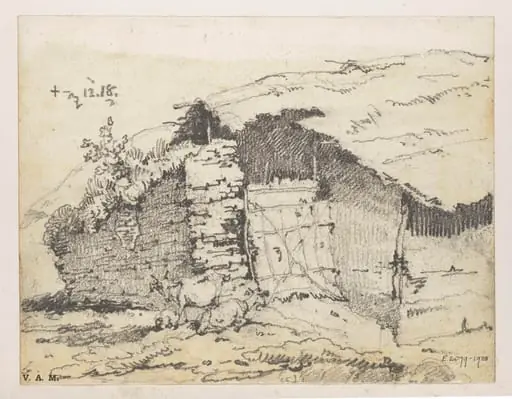 A Bengal village hut
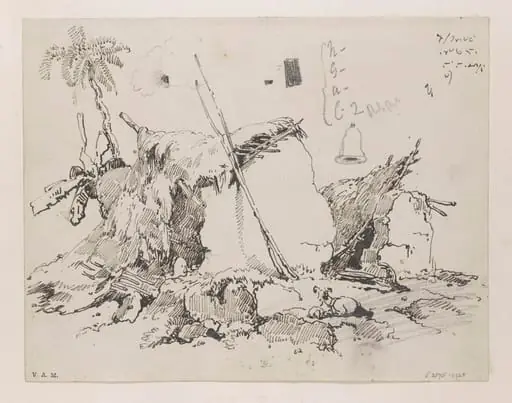 Ruinous village dwellings, Bengal
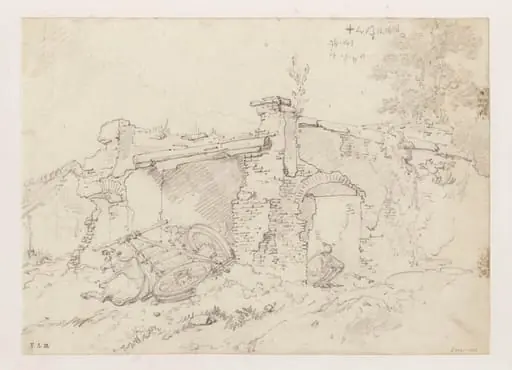 A ruined building in Bengal, with a figure and an ox and cart