Artwork
Idris
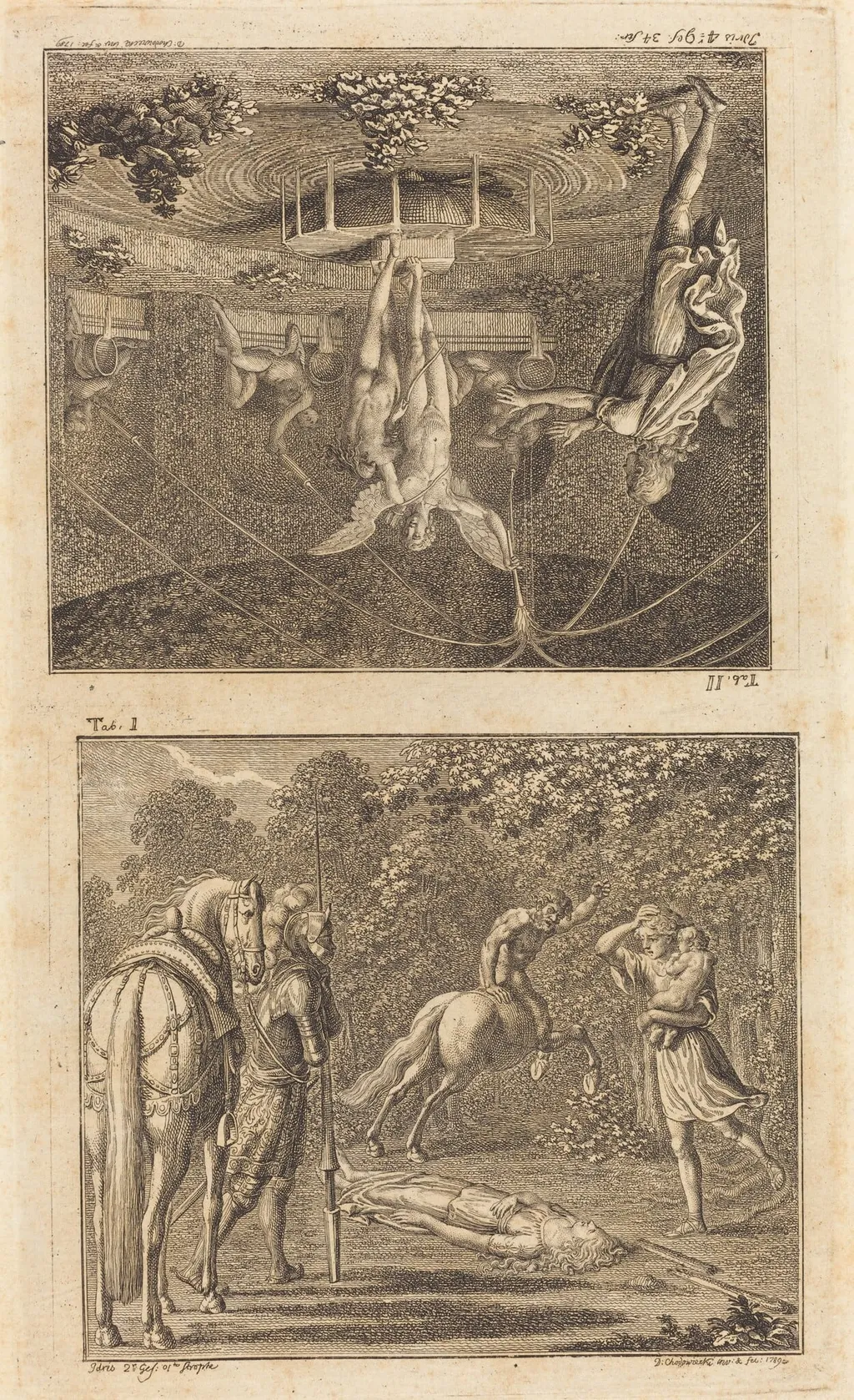
Idris is an ink print by the Romanticist artist Daniel Nikolaus Chodowiecki. It dates from 1789 and is held in the collection of the National Gallery of Art.
About this work
Overview
Idris is an etching created by Daniel Nikolaus Chodowiecki in 1789. A prominent German painter and printmaker, Chodowiecki was known for his etchings and later directed the Berlin Academy of Art.
Subject & Meaning
The print juxtaposes two contrasting scenes vertically. The upper scene depicts a dramatic, violent crucifixion on an X-shaped cross amidst flames and chaotic lines. In contrast, the lower scene presents a serene moment with a knight on horseback, a fallen man, and a kneeling figure holding a branch, suggesting a narrative of conflict and resolution or contrasting states.
Technique & Style
Executed in etching, Idris showcases Chodowiecki's proficiency in 18th-century printmaking techniques. The medium allowed for the detailed, expressive rendering of contrasting textures and atmospheres in the two scenes.
History & Provenance
Created in 1789 during Chodowiecki's tenure in Berlin, where he would later lead the Berlin Academy of Art. Specific provenance details are not provided.
Context
Part of a tradition where etchings were used to convey emotionally charged narratives, Idris reflects the artistic practices of late 18th-century Europe, where printmaking served as a vehicle for storytelling.
Artist & collection
Artist
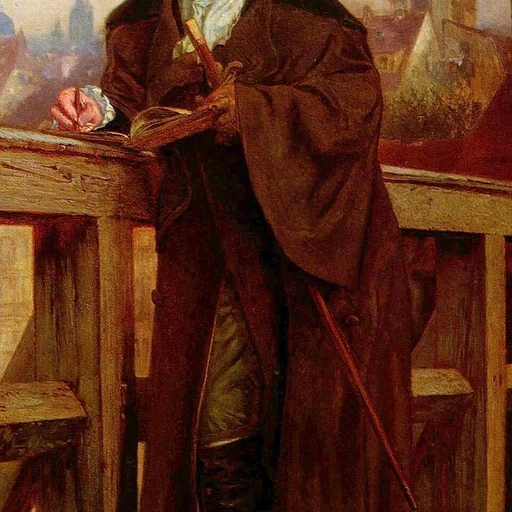
Daniel Niklaus Chodowiecki (16 October 1726 – 7 February 1801) was a German painter and printmaker of Huguenot and Polish ancestry, who is most famous as an etcher.

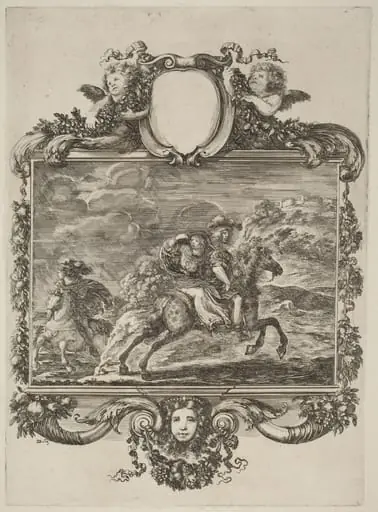 Clovis and Clotilda
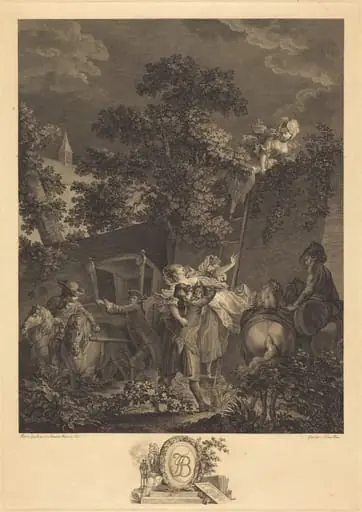 L'enlevement nocturne
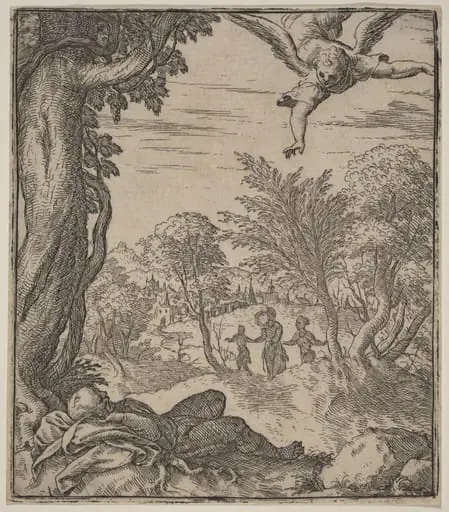 The Angel Appearing to Joseph
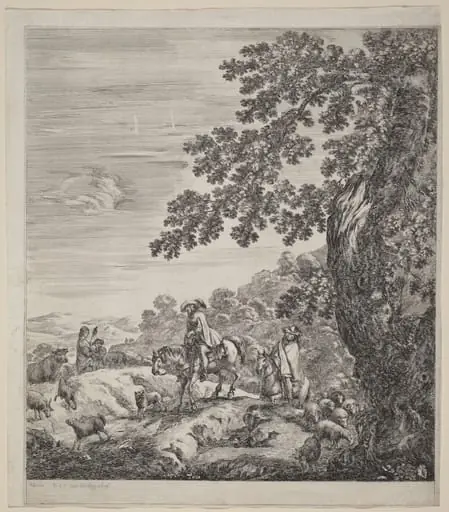 Two Riders Passing Near a Herd of Animals
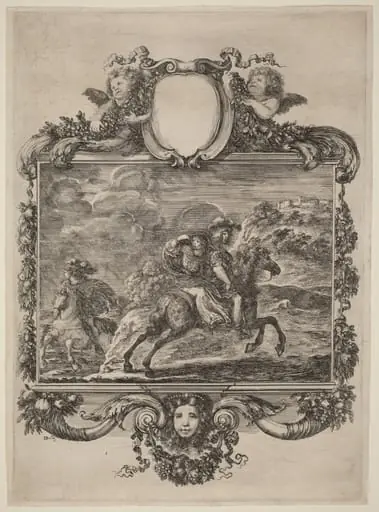 Clovis and Clotilda
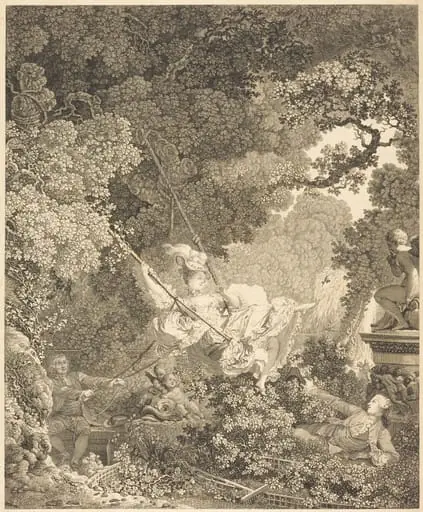 Les Hazards heureux de l'Escarpolettes (The Swing)
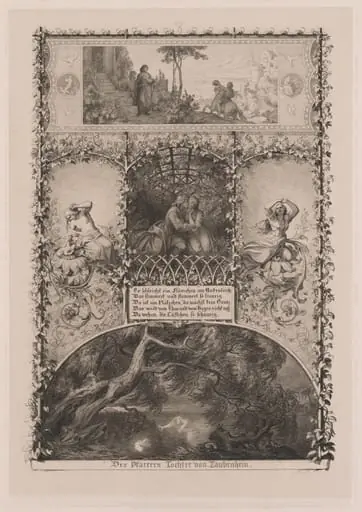 Des Pfarrers Tochter von Taubenhein (The Parson's Daughter from Taubenhain)
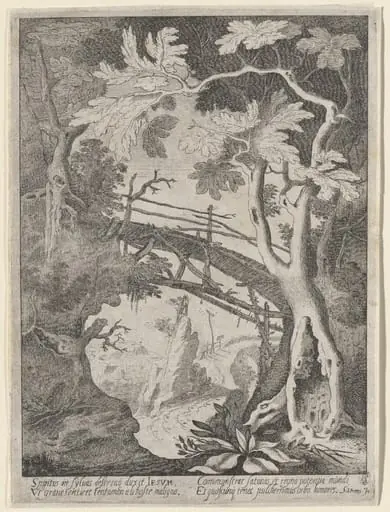 A Rocky Landscape with the Temptation of Christ
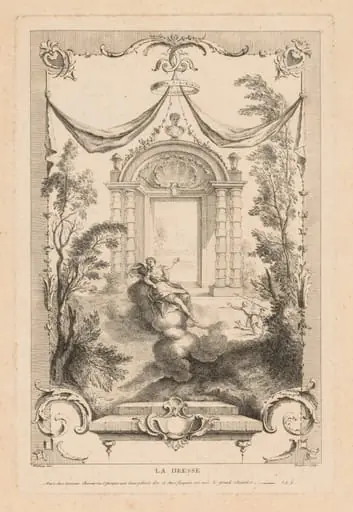 The Goddess, Diana on the Clouds
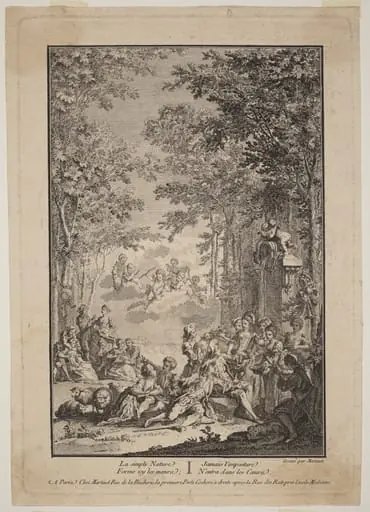 La simple Nature
 Satyrs and Putti Playing with Animals
 On y court plus d'un danger