Artwork
The Blind Man's Game
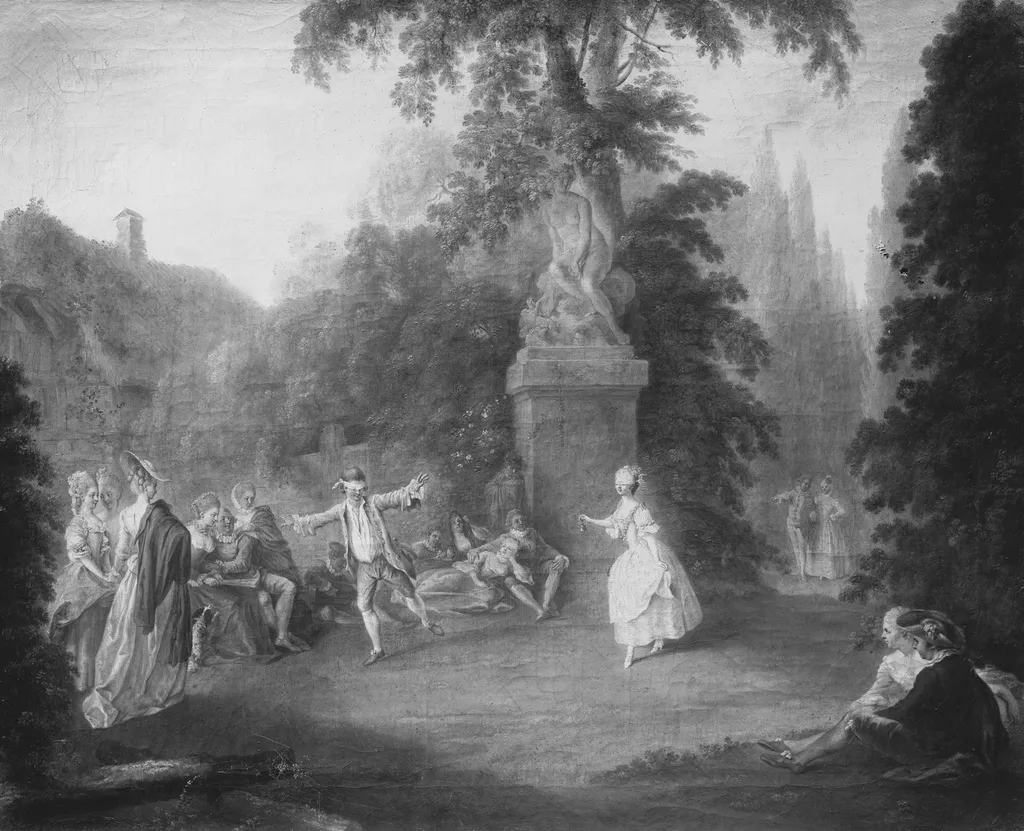
The Blind Man's Game is an oil painting by the Rococo painting artist Daniel Nikolaus Chodowiecki. It dates from 1768 and is held in the collection of the Gemäldegalerie Berlin.
About this work
Overview
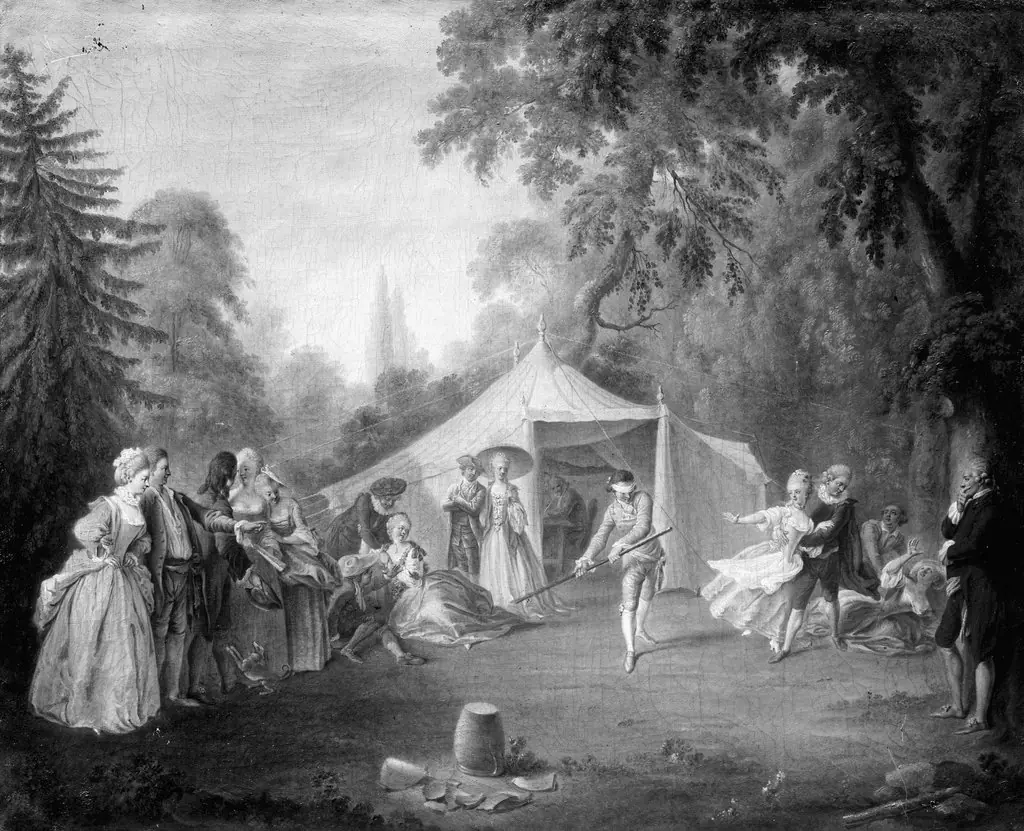
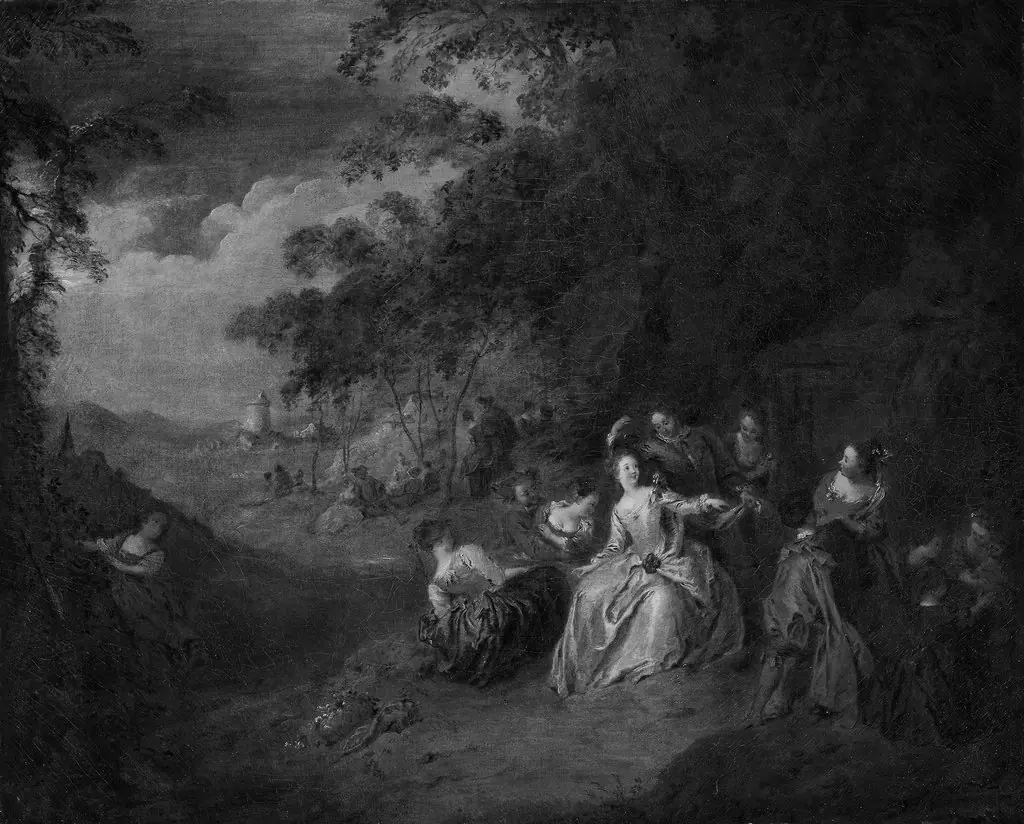
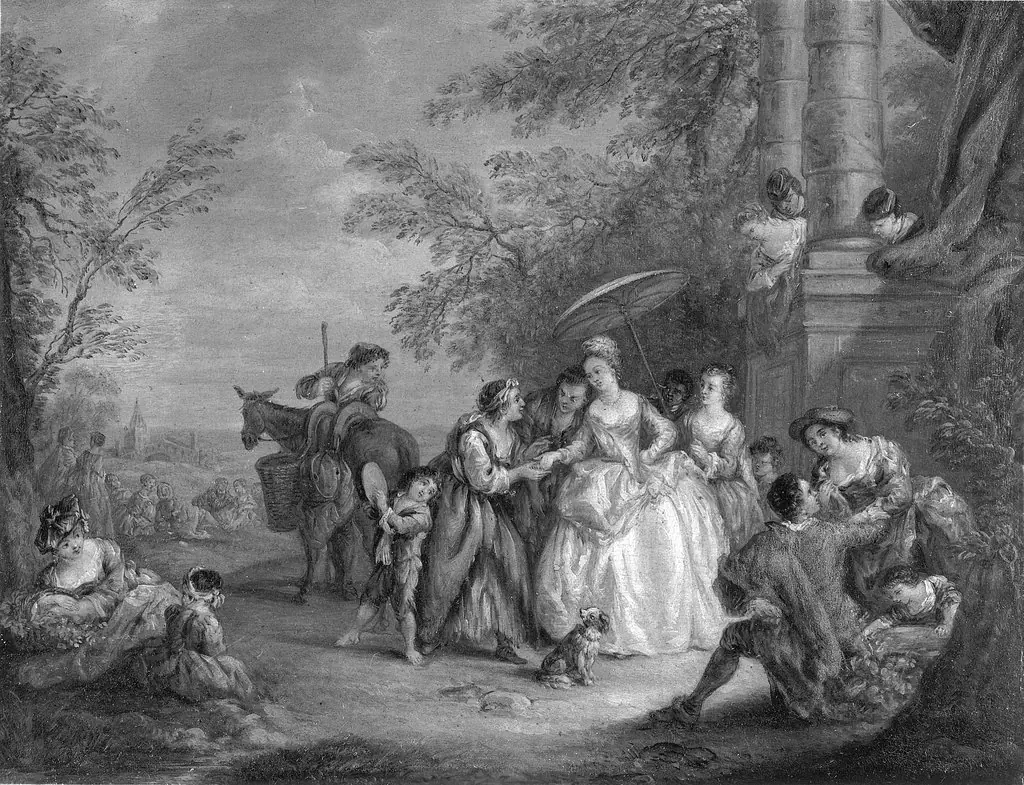
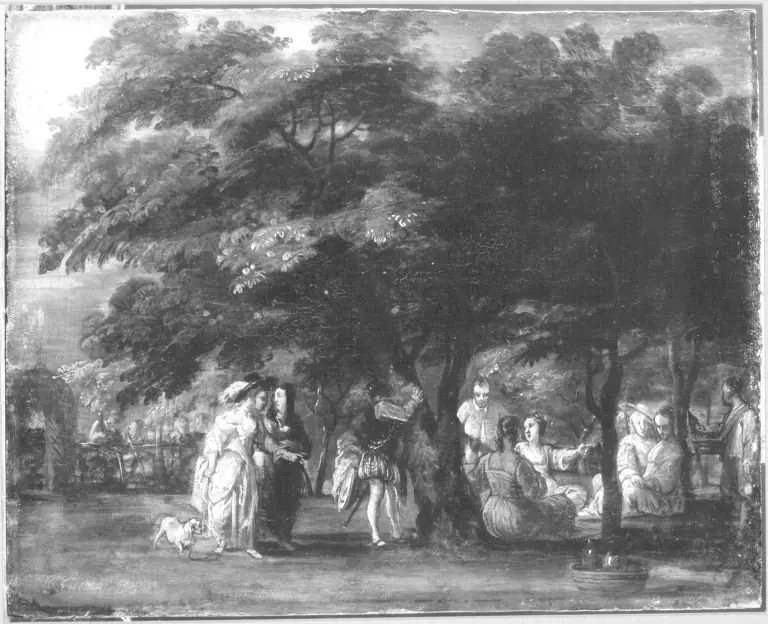
Created in 1768, *The Blind Man’s Game* is an oil painting by Daniel Nikolaus Chodowiecki, a German artist of Huguenot and Polish heritage. Executed in the Rococo style, the work is part of the collection of the Gemäldegalerie in Berlin and illustrates a lively outdoor gathering centered on a blindfolded participant.
Subject & Meaning
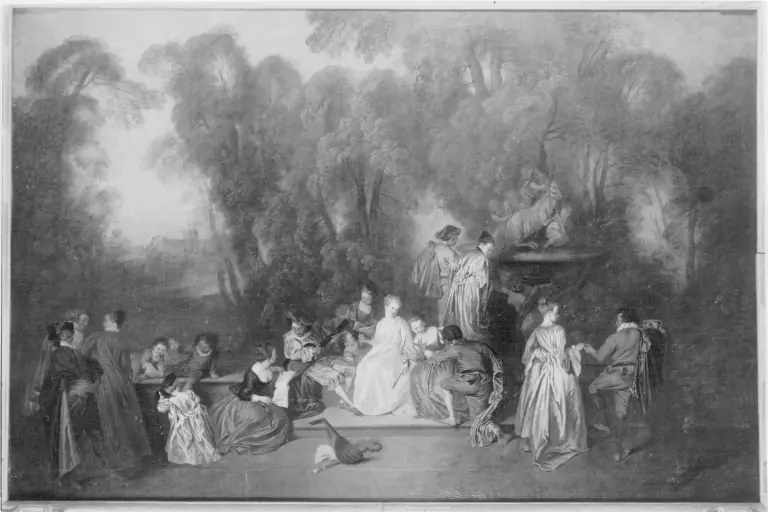
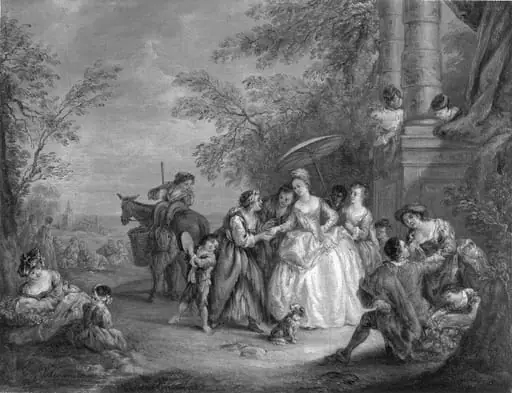
The composition shows a group of elegantly dressed figures surrounding a blindfolded man in 18th‑century attire, his arms outstretched as if attempting to catch an unseen object. The scene conveys a sense of playful amusement, suggesting a social pastime or a metaphorical commentary on chance and perception.
Technique & Style
Chodowiecki employs pronounced chiaroscuro, juxtaposing illuminated figures against a darker background to create depth and visual drama. The Rococo influence appears in the lightness of the palette, the fluid brushwork, and the informal, festive atmosphere of the gathering.
History & Provenance
Although best known for his etchings, Chodowiecki painted this work during his Berlin period, where he later served as director of the Berlin Academy of Art. The painting entered the Gemäldegalerie’s holdings as part of its 19th‑century acquisitions of German Rococo art.
Context
The painting reflects the 18th‑century European fascination with games of chance and social interaction among the aristocracy. The inclusion of a nude statue in the background alludes to classical motifs common in Rococo garden settings, reinforcing the period’s blend of leisure and classical reference.
Own this work as a print
Artist & collection
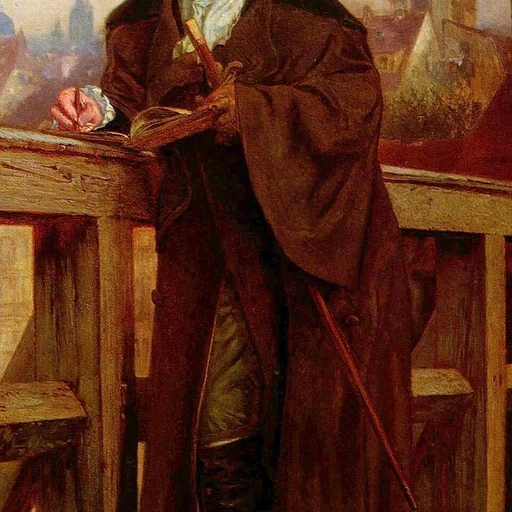
Artist
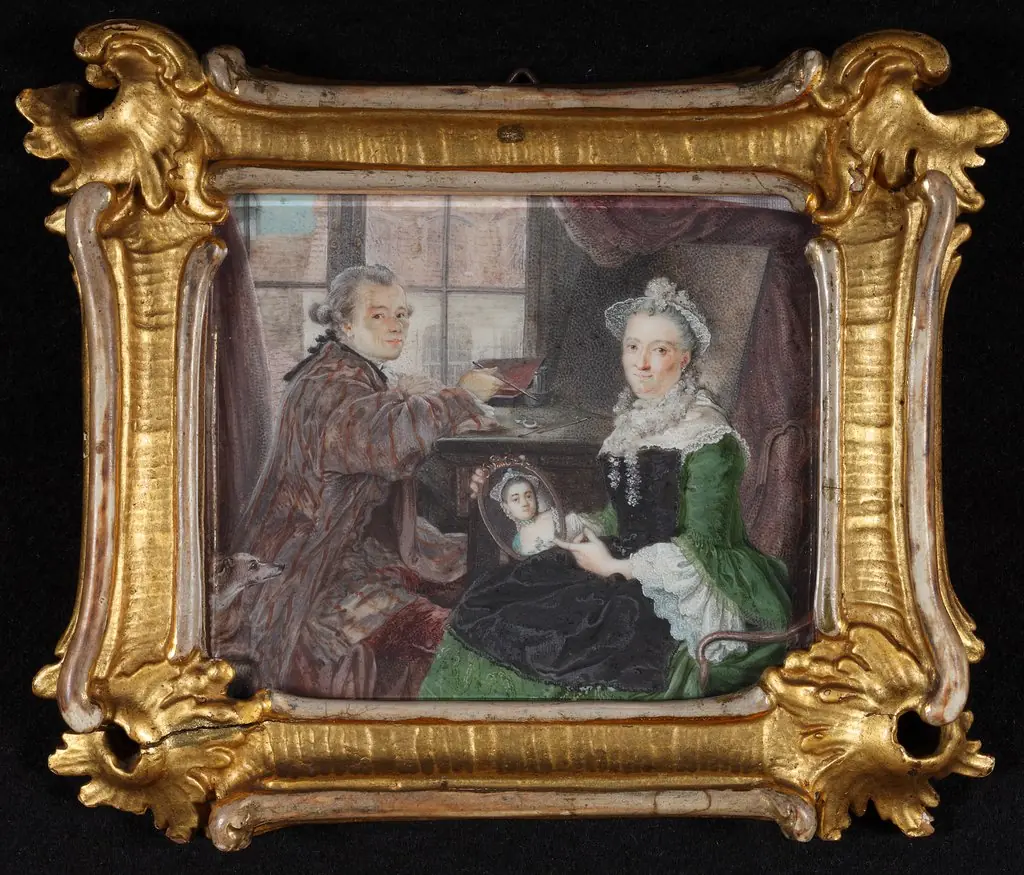
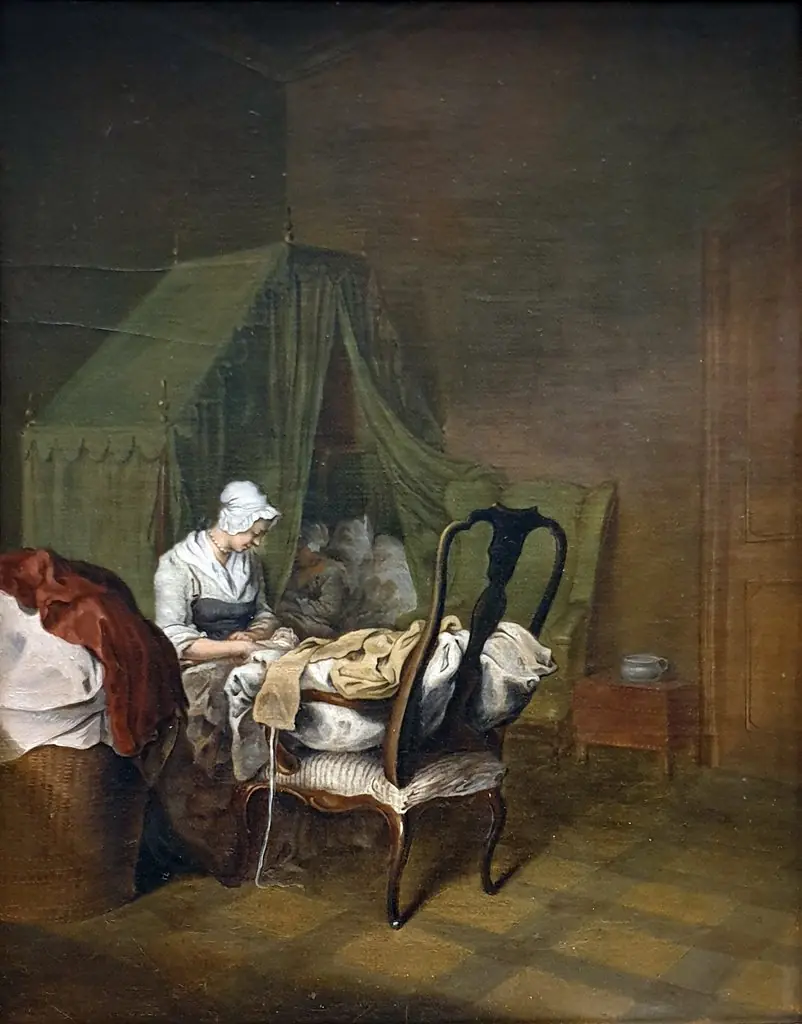
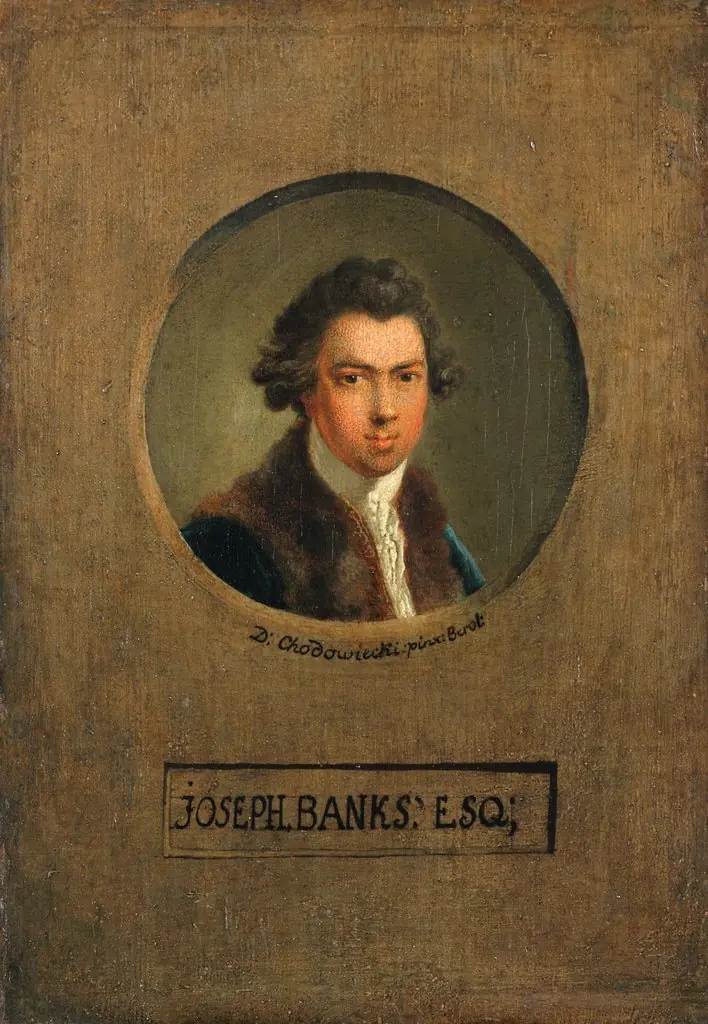
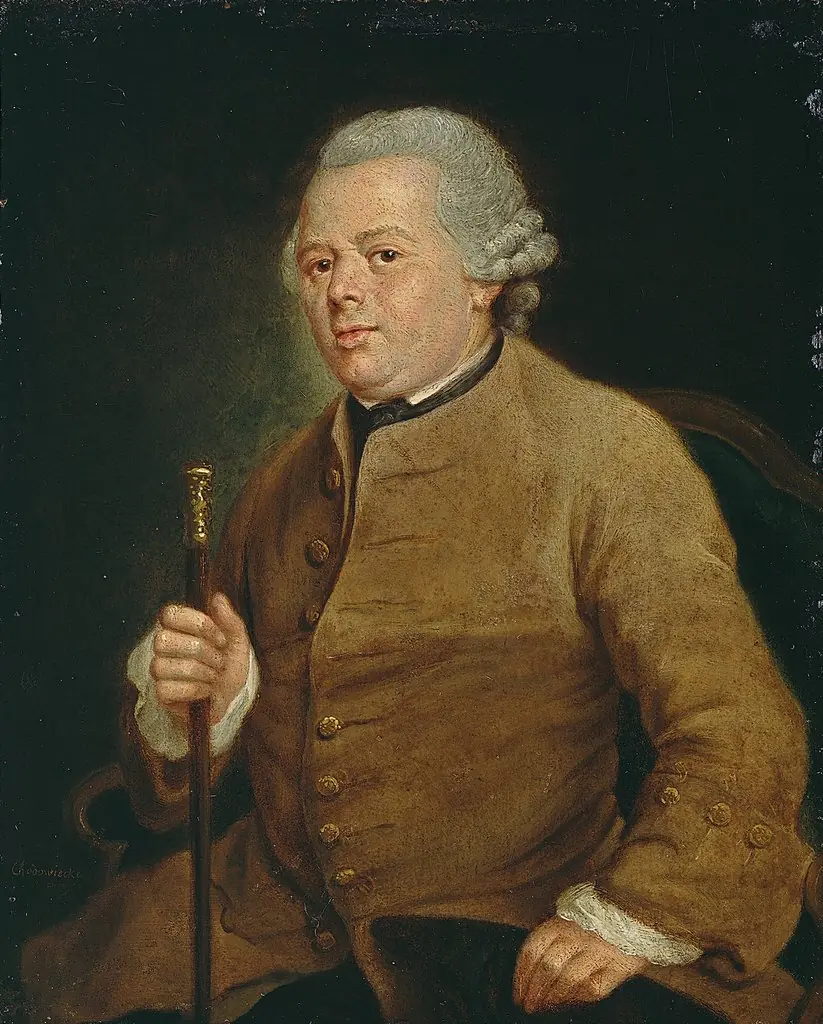
Daniel Niklaus Chodowiecki (16 October 1726 – 7 February 1801) was a German painter and printmaker of Huguenot and Polish ancestry, who is most famous as an etcher.