Artwork
The History of the United States
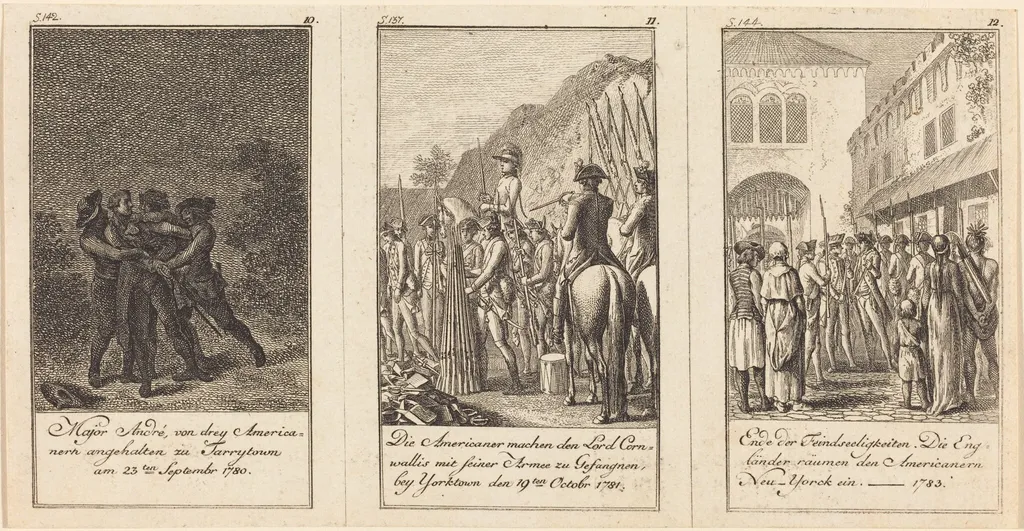
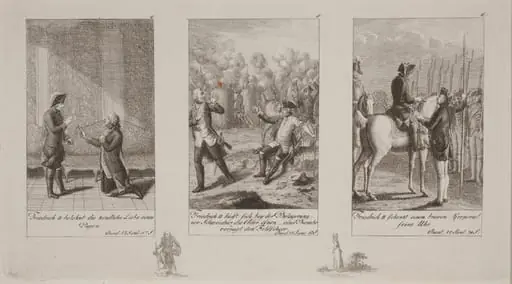
The History of the United States is an ink print by the Romanticist artist Daniel Nikolaus Chodowiecki. It dates from 1784 and is held in the collection of the National Gallery of Art.
About this work
Overview
A German artist of Huguenot and Polish heritage, Chodowiecki produced this work in Berlin, where he served as director of the Academy of Art.
Created in 1784 by Daniel Nikolaus Chodowiecki, *The History of the United States* is a single sheet bearing three distinct etchings drawn from one copper plate. A German artist of Huguenot and Polish heritage, Chodowiecki produced this work in Berlin, where he served as director of the Academy of Art. The print combines multiple narrative scenes into a unified composition, reflecting his mastery of fine-line etching and his interest in historical storytelling through printmaking.
Subject & Meaning
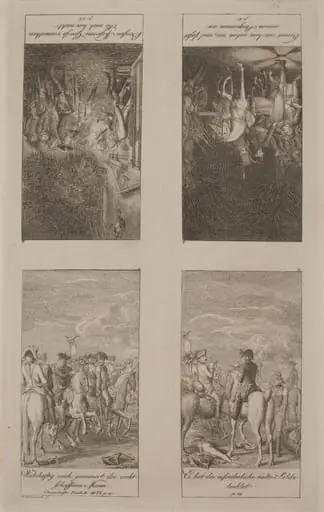
The three panels depict unrelated vignettes: a physical altercation between two men, a mounted group gathered before a structure, and a cluster of figures assembled near a building. Though titled with reference to the United States, the scenes lack specific American historical markers. The work appears to use the title symbolically, perhaps commenting on broader themes of conflict, community, and authority rather than documenting actual events in the new republic.
Technique & Style
Chodowiecki employed fine, precise etching lines to render intricate textures in clothing, architecture, and landscape. The monochrome palette enhances the tonal contrasts and detailed surfaces typical of 18th-century printmaking. Each panel is framed within the same sheet, allowing visual continuity while maintaining narrative separation. The figures wear period-appropriate attire, and the buildings suggest European architectural styles, reinforcing the work’s non-literal engagement with its title.
History & Provenance
The print was produced in Berlin during Chodowiecki’s tenure at the Academy of Art, where he was influential in promoting print culture. No definitive record of its early ownership exists, but it likely circulated among intellectual and artistic circles in Germany. Its creation in 1784 places it in the immediate aftermath of American independence, suggesting it was made in response to transatlantic political developments rather than as a direct commemoration.
Context
Chodowiecki’s work emerged during a period of intense European interest in the American Revolution, though his imagery does not align with official American iconography. The etchings reflect a broader European tradition of allegorical and anecdotal printmaking, where historical themes were often interpreted loosely. The title may have been chosen to capitalize on the novelty of the United States, rather than to convey a specific political message.
Legacy
Though not widely exhibited or studied today, the print exemplifies Chodowiecki’s role in bridging narrative art and print reproduction in Enlightenment Europe. It stands as a testament to how distant political events were absorbed into visual culture through symbolic, rather than documentary, means. The work remains a quiet example of how printmakers engaged with global affairs without adhering to nationalistic narratives.
Artist & collection
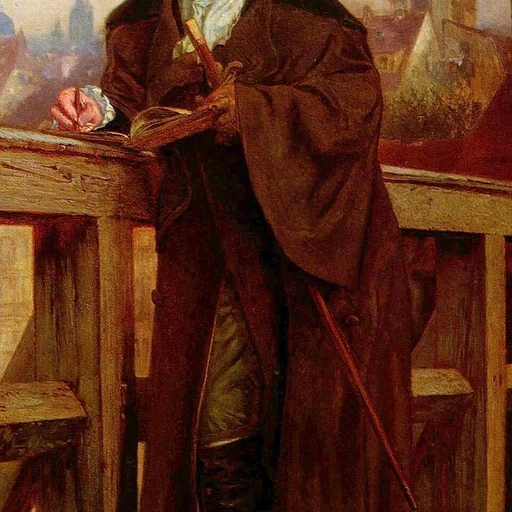
Artist
Daniel Niklaus Chodowiecki (16 October 1726 – 7 February 1801) was a German painter and printmaker of Huguenot and Polish ancestry, who is most famous as an etcher.