Artwork
An old Man in 17th-century Dress
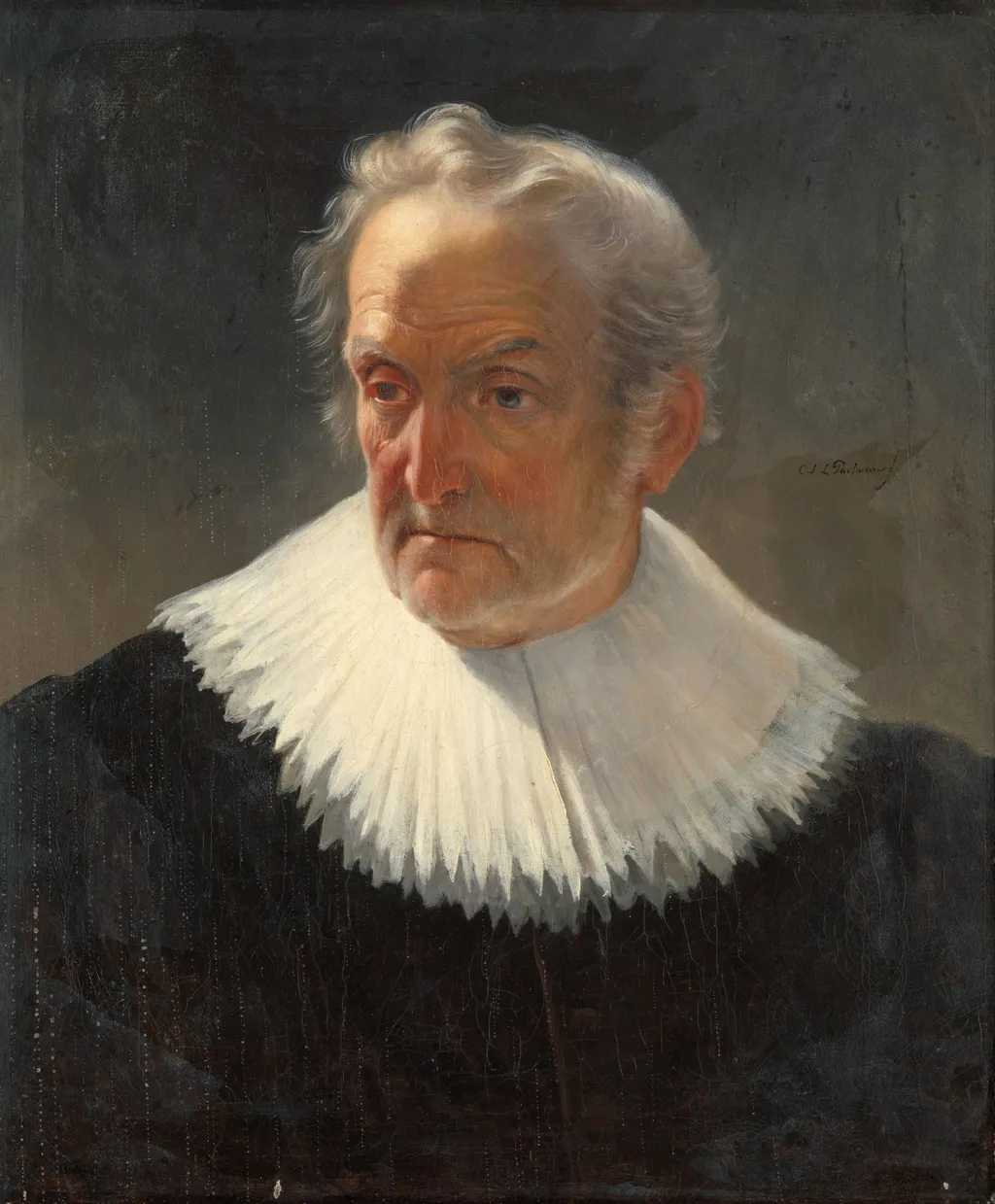
An old Man in 17th-century Dress is an unspecified painting by the Biedermeier artist Christiaan Julius Lodewijk Portman. It dates from 1849 and is held in the collection of the Rijksmuseum.
About this work
Overview
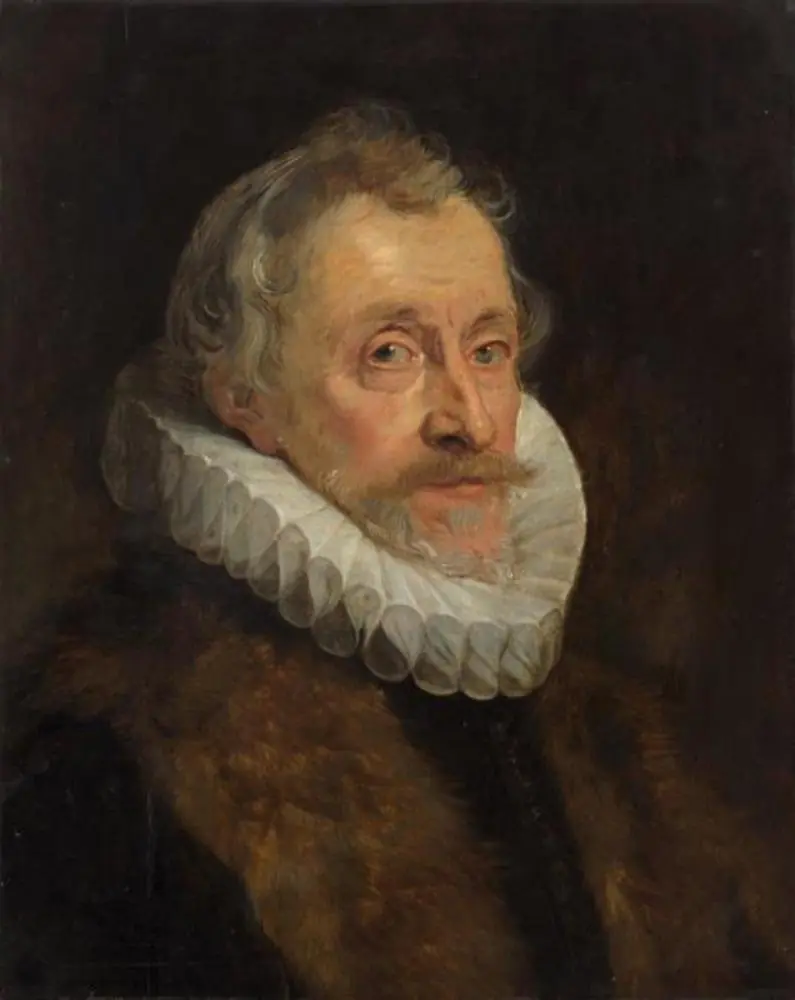
The work presents a half‑length portrait of an elderly gentleman dressed in attire typical of the seventeenth century. He wears a crisp white collar beneath a dark coat, and his visage is angled slightly toward the left. Although executed in the nineteenth century, the composition deliberately evokes the visual language of earlier Dutch portraiture.
Subject & Meaning
The sitter is an aged male figure, identifiable by the fine lines that mark his face and the dignified posture of his shoulders. The modest turn of his head suggests contemplation, while the period costume situates him within a historical narrative, perhaps alluding to the virtues of experience and continuity across generations.
Technique & Style
Rendered with a subdued palette, the painting employs gentle modeling of flesh tones, allowing wrinkles and shadows to dissolve into soft transitions rather than stark contrasts. This approach mirrors the tonal delicacy characteristic of seventeenth‑century Dutch masters, yet the brushwork retains a nineteenth‑century sensibility, indicating a conscious stylistic homage.
History & Provenance
Created in the 1800s, the piece functions as a retrospective exercise, likely intended as a study or tribute to earlier portrait conventions. Its deliberate historicism reflects a broader nineteenth‑century fascination with the past, a trend observable in many collections that juxtapose contemporary works with older visual vocabularies.
Own this work as a print
Artist & collection
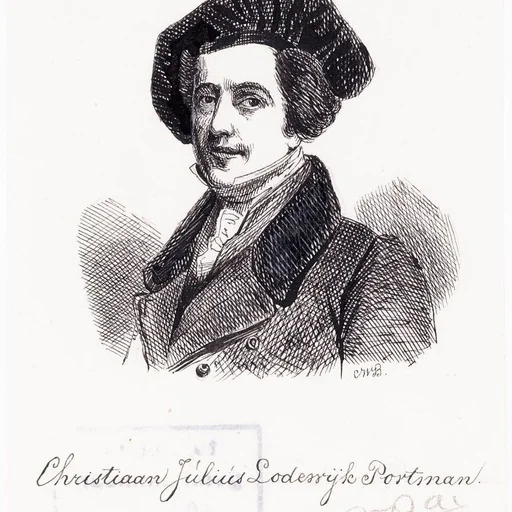
Artist
Christiaan Julius Lodewijk Portman
Christiaan Julius Lodewijk Portman (1799–1868) was an artist, born in Amsterdam.

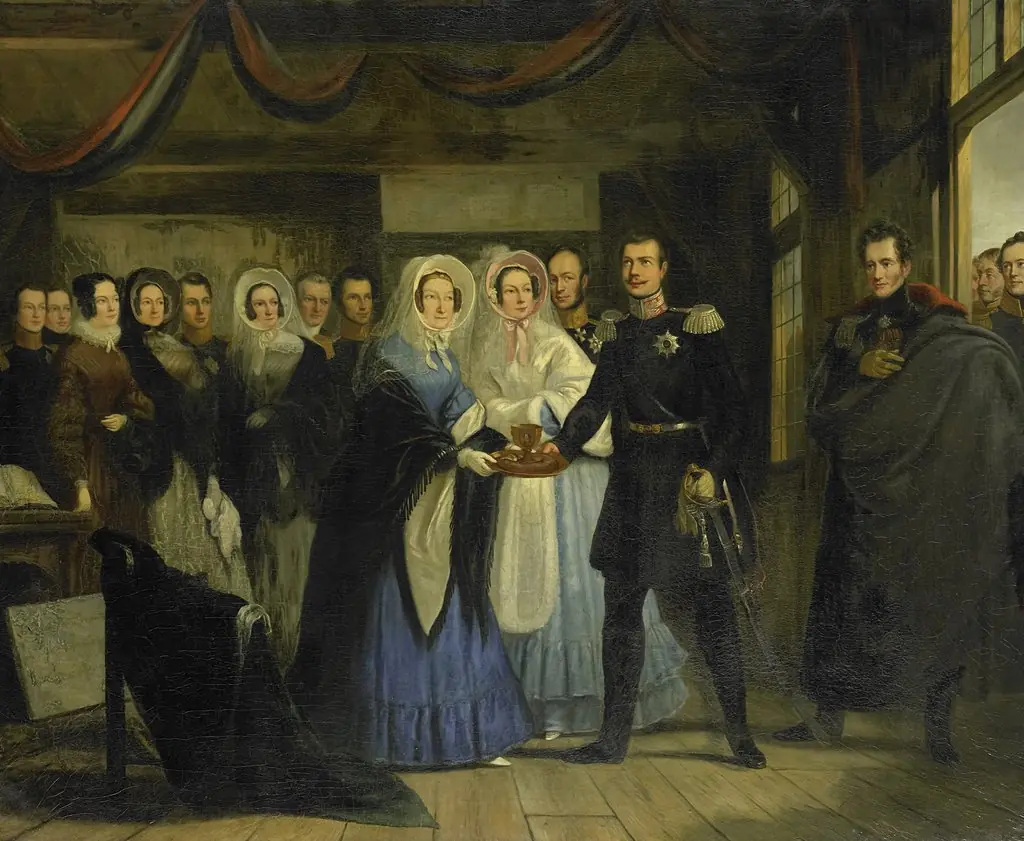 The Princess of Orange Receiving Alexander II (1818-1881), Grand Duke and Heir to the Throne of Russia, in the Czar Peter's House in Zaandam, 17 April 1839
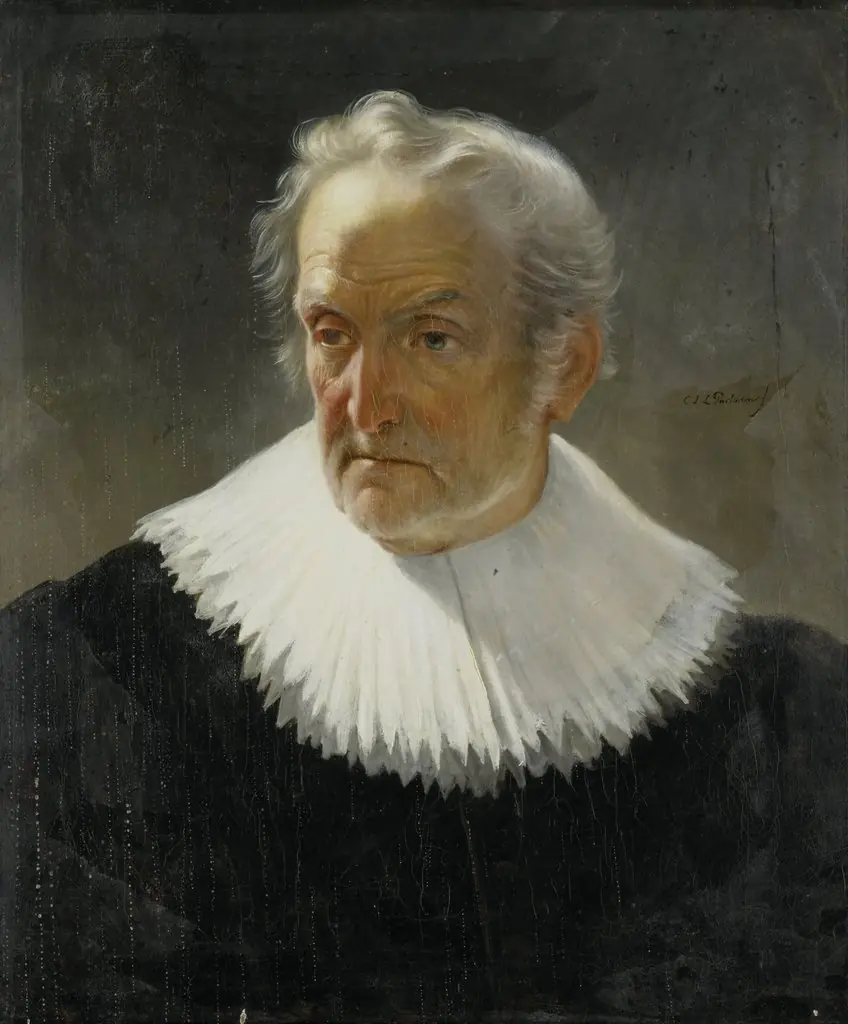 An old Man in 17th-century Dress
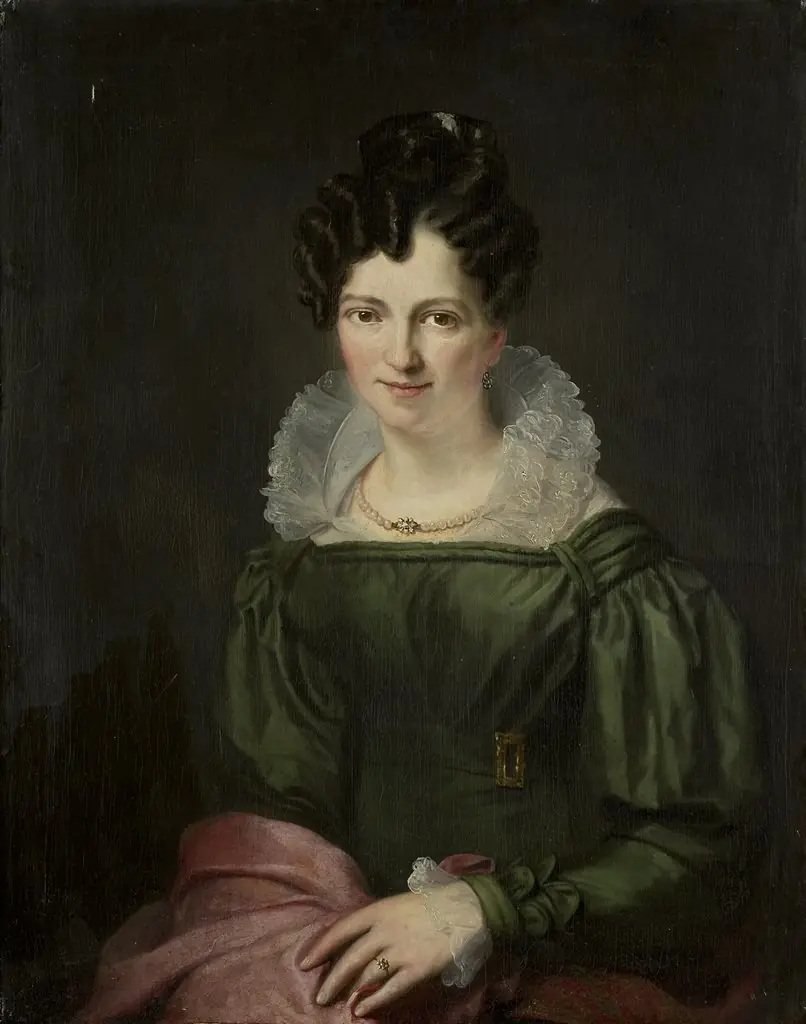 Portrait of Maria Christina Nijssen, Wife of Anthonie van der Hout
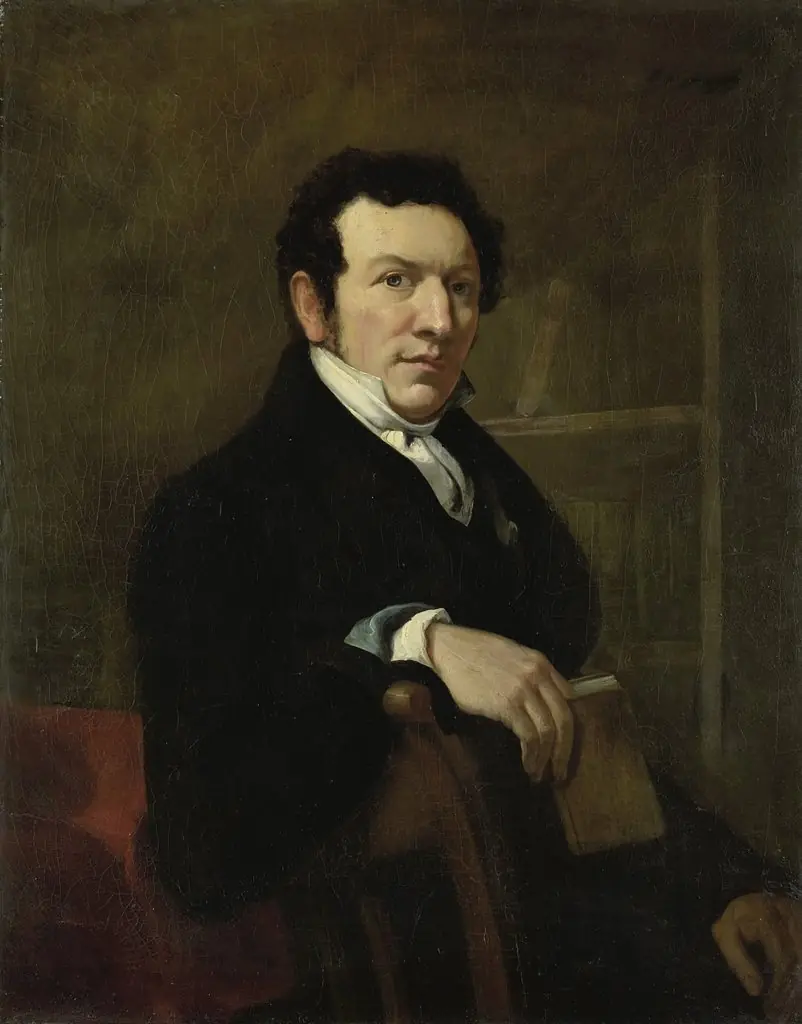 Portrait of Anthonie van der Hout
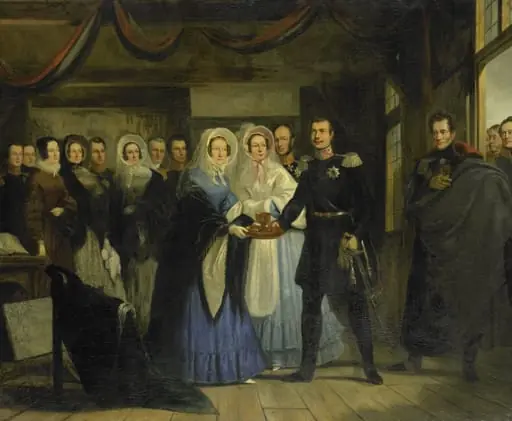 The Princess of Orange Receiving Alexander II (1818-1881), Grand Duke and Heir to the Throne of Russia, in the Czar Peter's House in Zaandam, 17 April 1839
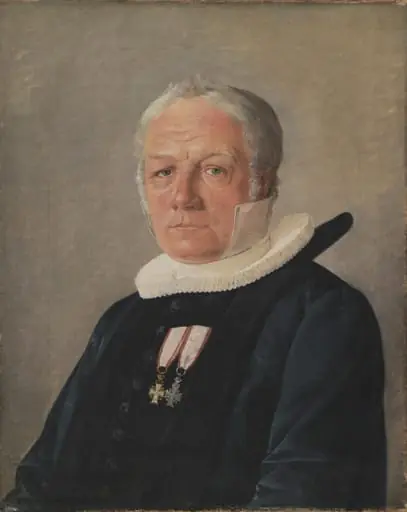 P.H. Mønster, Rural Dean in Sorø, later Bishop of Aarhus
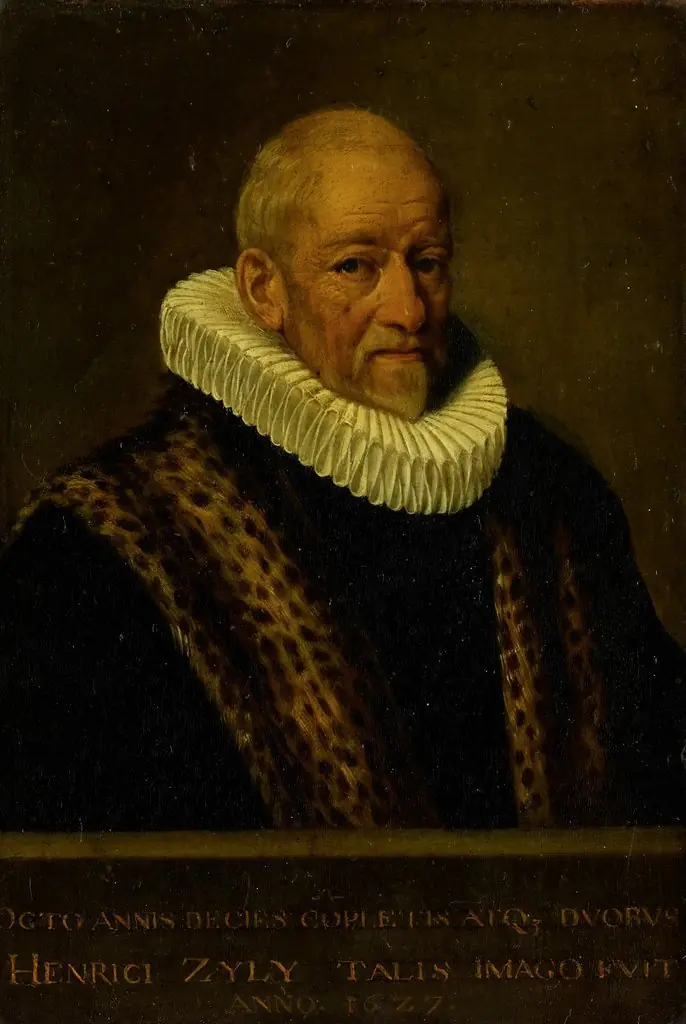 Portrait of Henricus van Zijl (1545-1627)
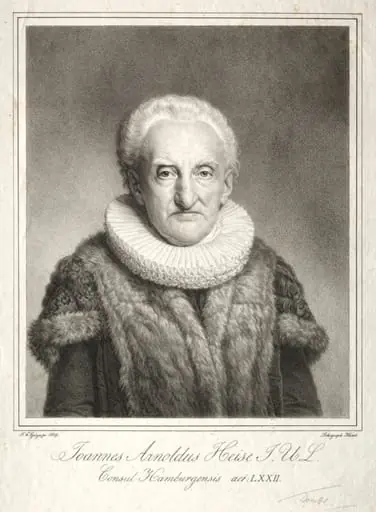 Johann Arnold Heise
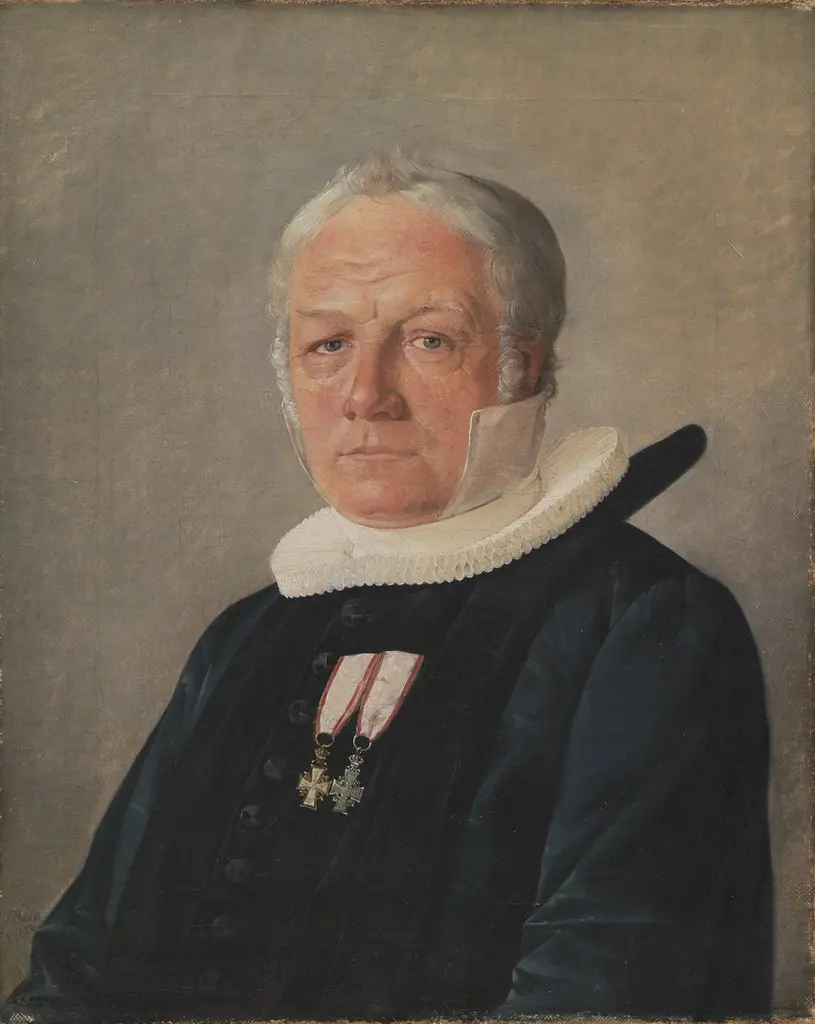 Amtsprovst i Sorø, senere biskop i Århus, P.H. Mønster
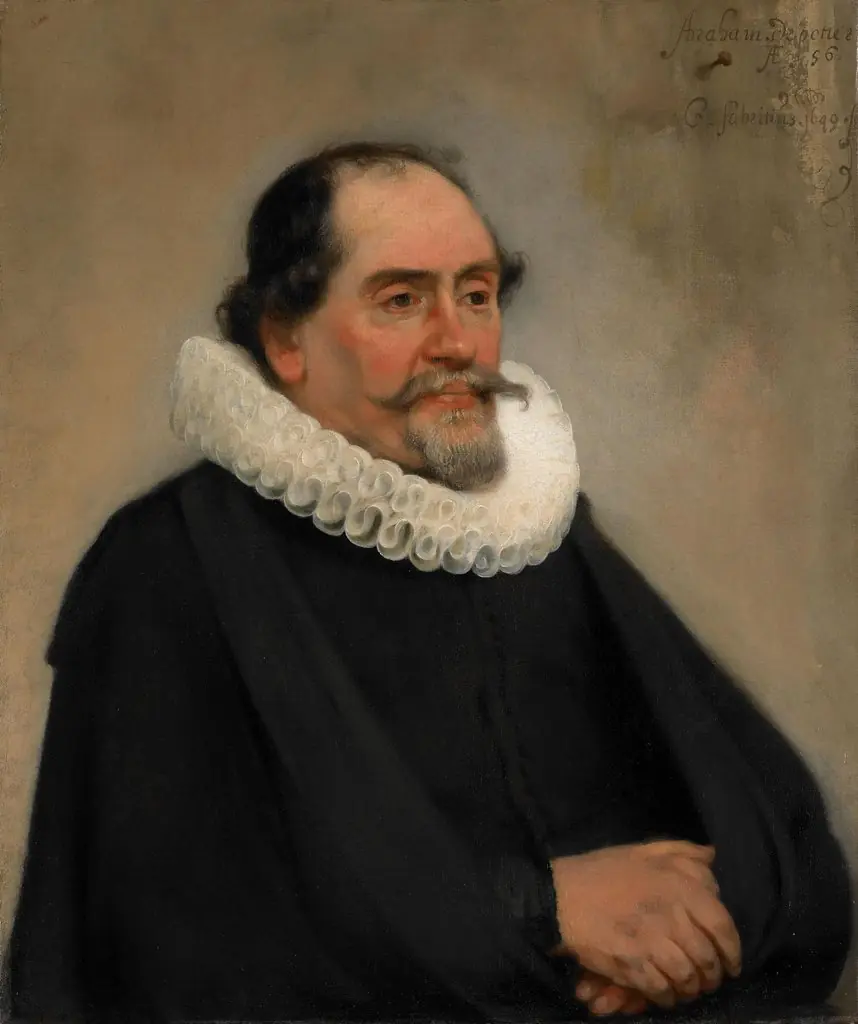 Portrait of Abraham de Potter
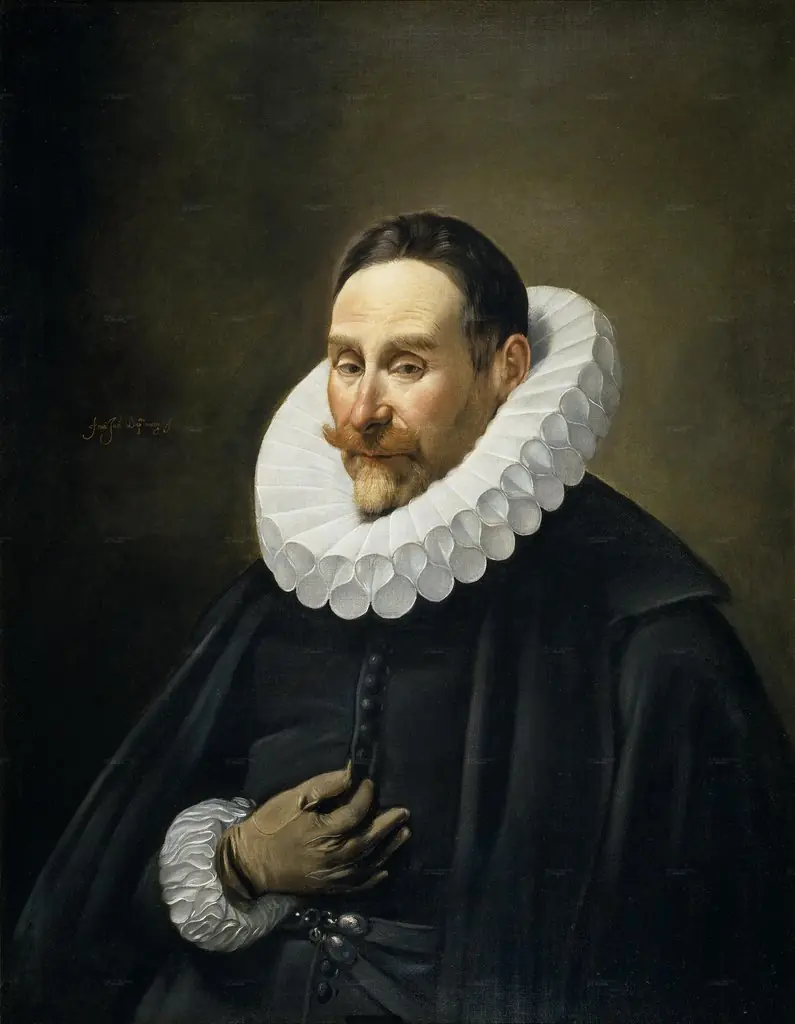 Portrait of a Gentleman
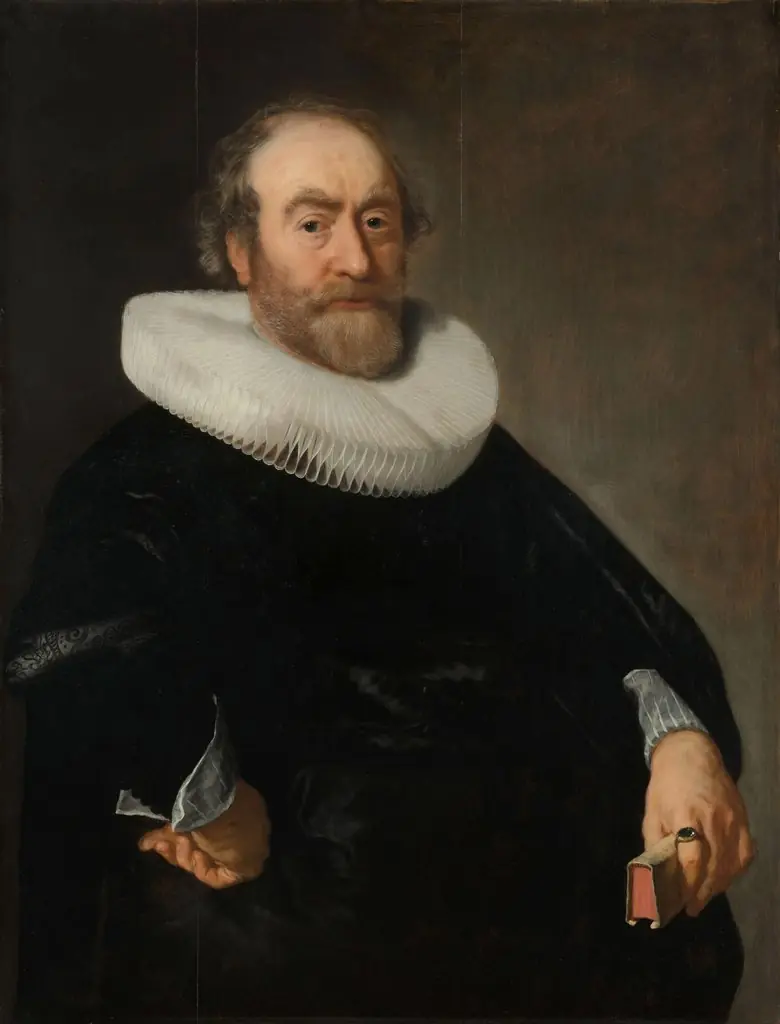 Portrait of Andries Bicker
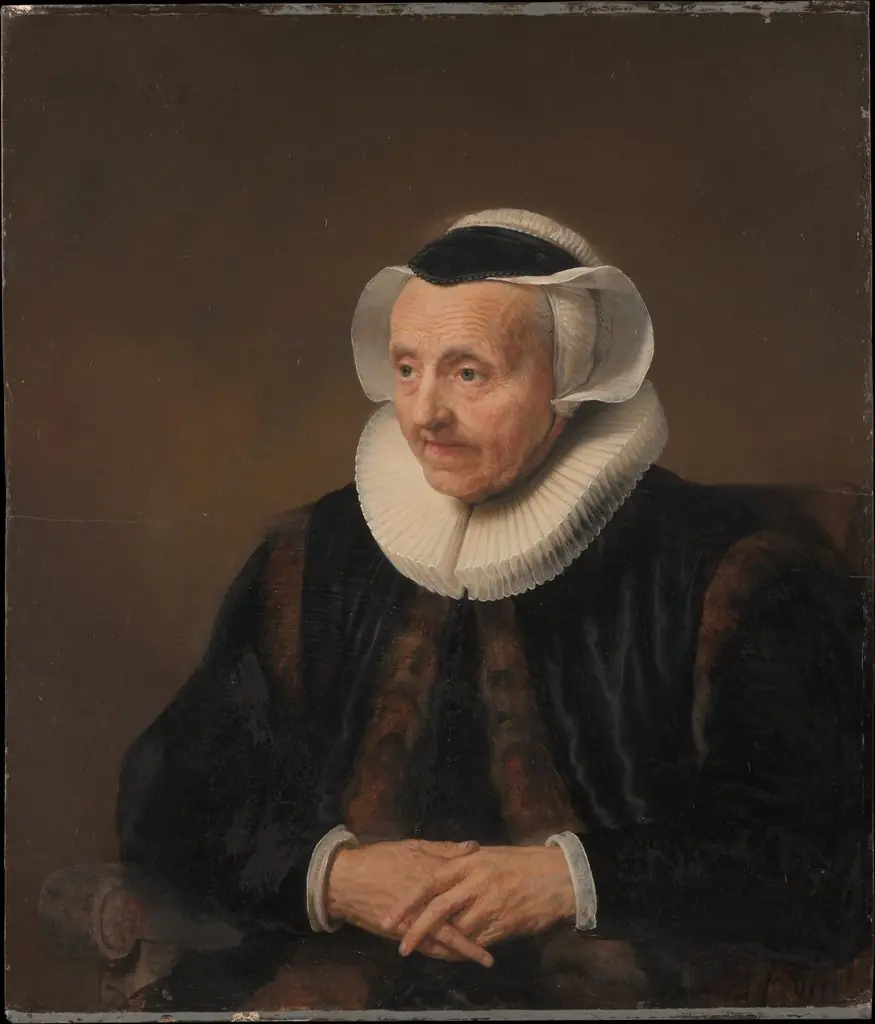 Portrait of an Old Woman
 Portrait of Cornelis Jansz Hartigsvelt, Director of the Rotterdam Chamber of the Dutch East India Company, elected 1639
 Man in a Fur Wrap and Pleated Collar