Artwork
The Princess of Orange Receiving Alexander II (1818-1881), Grand Duke and Heir to the Throne of Russia, in the Czar Peter's House in Zaandam, 17 April 1839
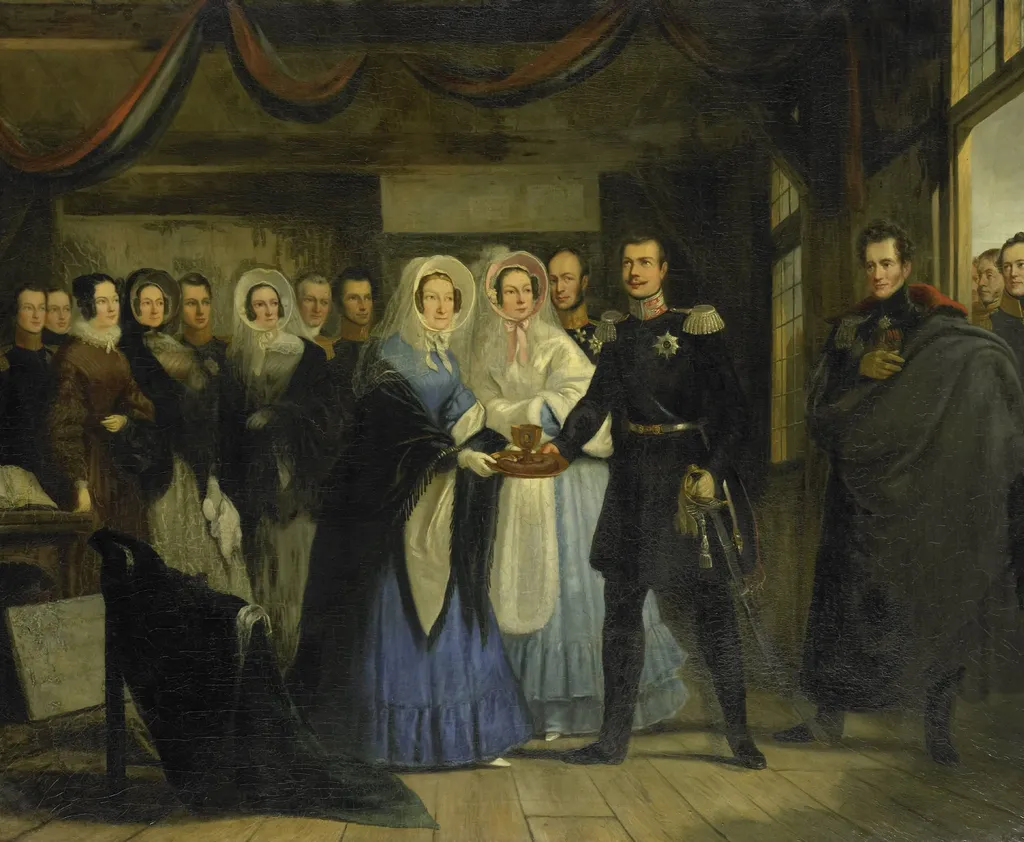
The Princess of Orange Receiving Alexander II (1818-1881), Grand Duke and Heir to the Throne of Russia, in the Czar Peter's House in Zaandam, 17 April 1839 is an unspecified painting by the Biedermeier artist Christiaan Julius Lodewijk Portman. It dates from 1840 and is held in the collection of the Rijksmuseum. The canvas records a diplomatic reception held on 17 April 1839 at the Czar Peter House in Zaandam.
About this work
You see a formal room where a princess in a blue gown hands a tray of bread and salt to a young Russian grand duke.
This was a real meeting in 1839. The bread shaped like a turban and the salt dish were a Russian welcome ritual—like shaking hands with food. The artist included every person by name, almost like a photo caption.
If you like paintings of royal meetings, visit the Rijksmuseum.
Overview
The composition captures the formal atmosphere of the occasion, with numerous members of the Dutch and Russian courts positioned around the central exchange.
The canvas records a diplomatic reception held on 17 April 1839 at the Czar Peter House in Zaandam. Princess Anna Paulowna of Orange, dressed in blue, presents a ceremonial tray of bread shaped like a turban and a salt vessel to the visiting Russian Grand Duke Alexander II, heir to the Russian throne. The composition captures the formal atmosphere of the occasion, with numerous members of the Dutch and Russian courts positioned around the central exchange.
Subject & Meaning
The offering of bread and salt follows a traditional Russian hospitality ritual, symbolising goodwill and the hope for a lasting alliance. By depicting this gesture, the painting emphasizes the political significance of the meeting between the Dutch royal family and the future Russian emperor, underscoring mutual respect and the intention of friendly relations.
Technique & Style
Rendered in a detailed, narrative style, the work combines precise portraiture with a spacious interior setting. The artist employs a restrained palette of muted tones for the surroundings, allowing the blue gown of the princess and the gold‑toned ceremonial objects to stand out. Fine brushwork delineates individual faces, creating a quasi‑documentary record of the participants.
History & Provenance
The scene portrays a real encounter that took place in 1839, shortly after Alexander II’s visit to the Netherlands. The painting lists each figure present, from Prince Willem Alexander Frederik to Baron Mackay, effectively serving as a visual roster. Its provenance traces back to the Dutch royal collection, where it has been retained as a historical record of 19th‑century diplomatic exchanges.
Context
During the early nineteenth century, royal marriages and state visits were central to European diplomacy. Princess Anna Paulowna, herself a Russian princess by birth, acted as a cultural bridge between the two courts. The inclusion of both Dutch princes and Russian officials reflects the intertwined nature of dynastic politics and the importance of ceremonial protocol in fostering international ties.
Own this work as a print
Artist & collection
Artist
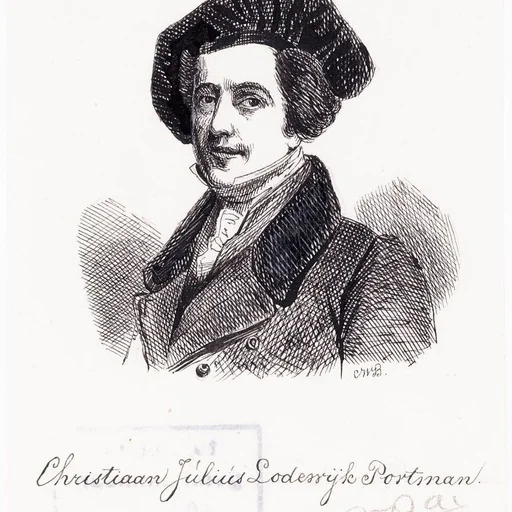
Christiaan Julius Lodewijk Portman
Christiaan Julius Lodewijk Portman (1799–1868) was an artist, born in Amsterdam.

 The Princess of Orange Receiving Alexander II (1818-1881), Grand Duke and Heir to the Throne of Russia, in the Czar Peter's House in Zaandam, 17 April 1839
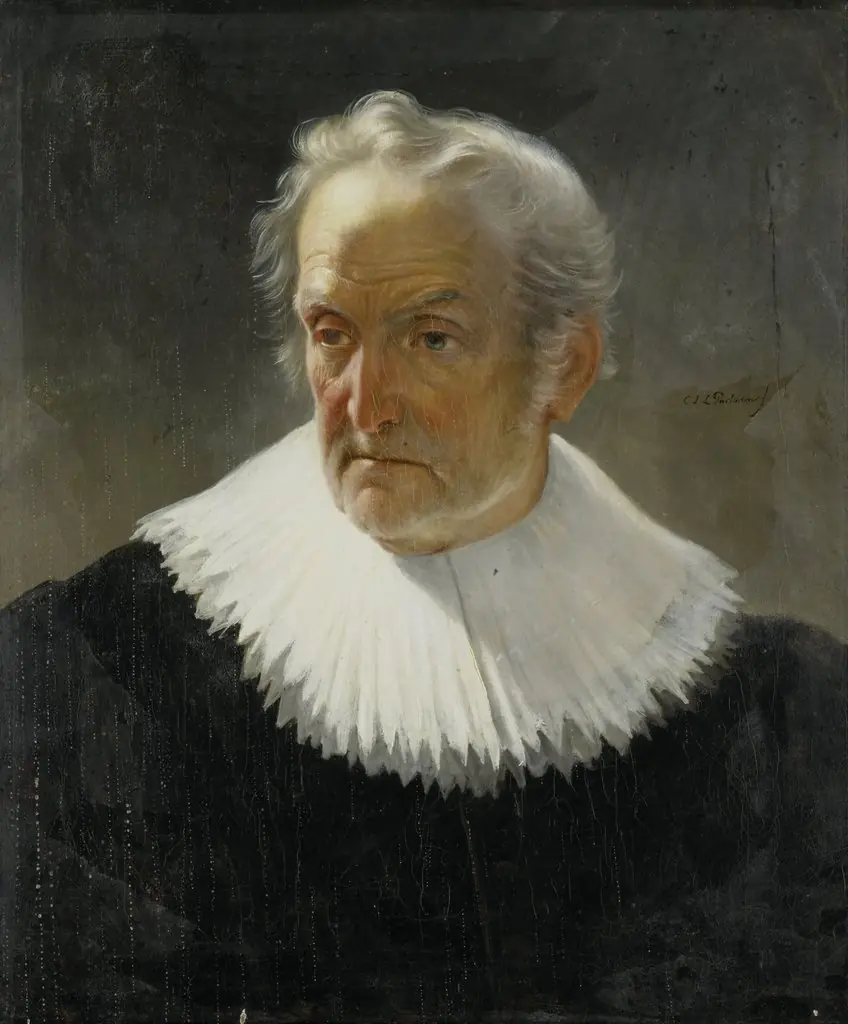 An old Man in 17th-century Dress
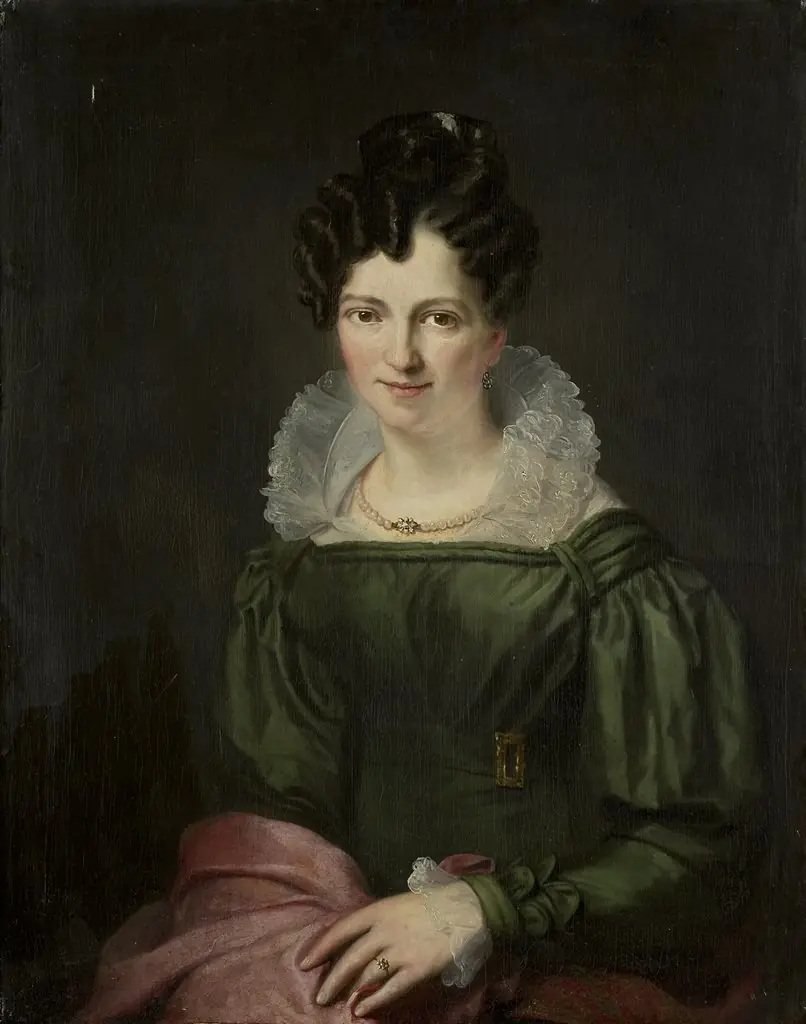 Portrait of Maria Christina Nijssen, Wife of Anthonie van der Hout
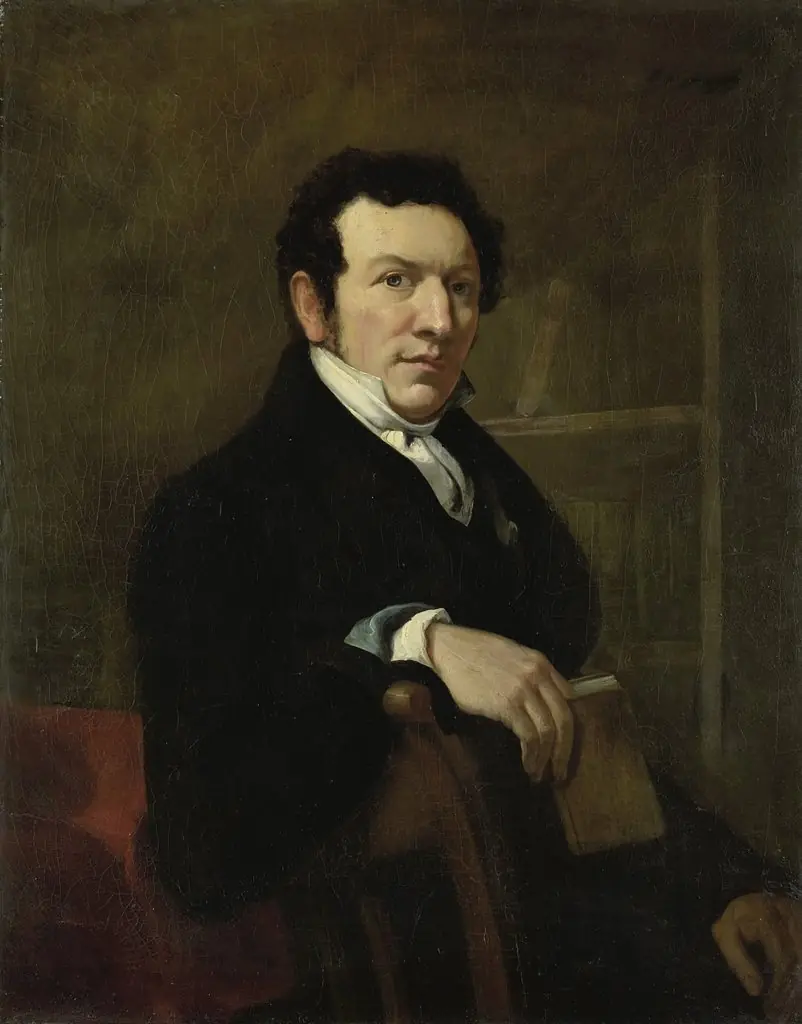 Portrait of Anthonie van der Hout
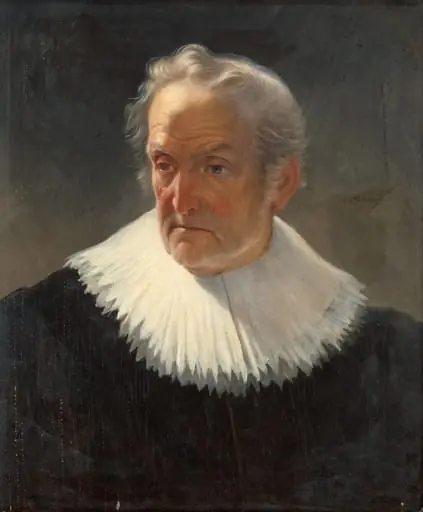 An old Man in 17th-century Dress
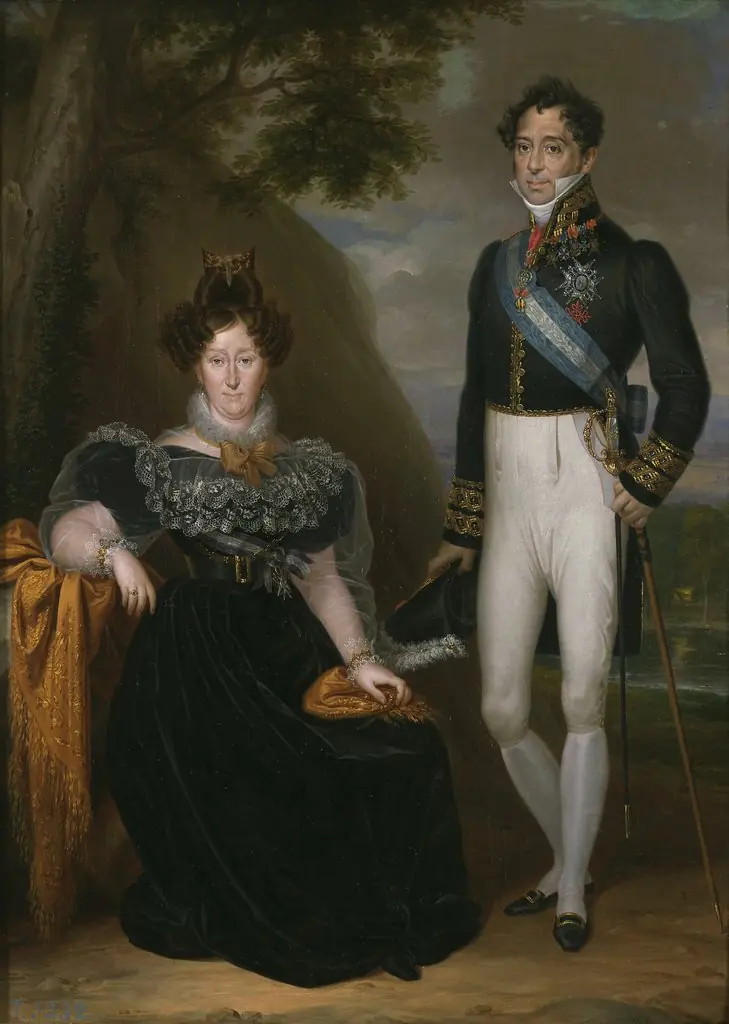 The Duke and Duchess of San Fernando de Quiroga
 Marie-Louise of Austria Bidding Farewell to her Family in Vienna
 Louis XVIII Receiving the Duke of Angoulême on His Return from the Spanish Campaign
 Portrait of Duke of Saxe-Altenburg Joseph's Family
 An Unidentified Historical Subject
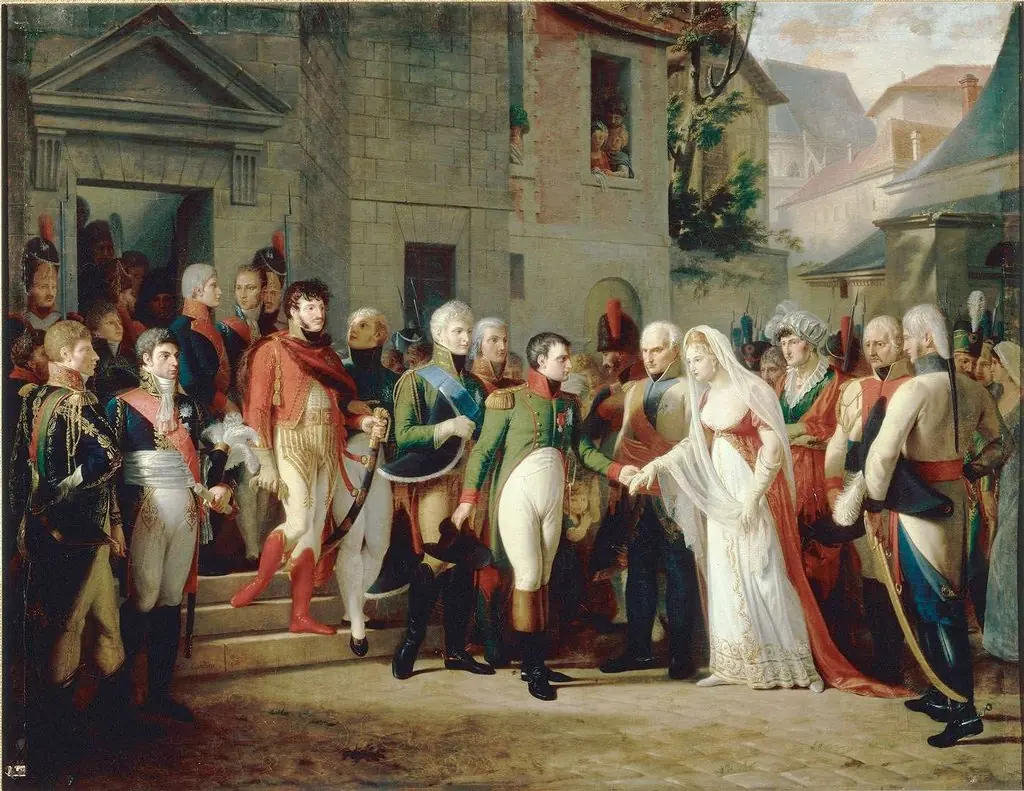 Napoleon I receives the Queen of Prussia in Tilsitt
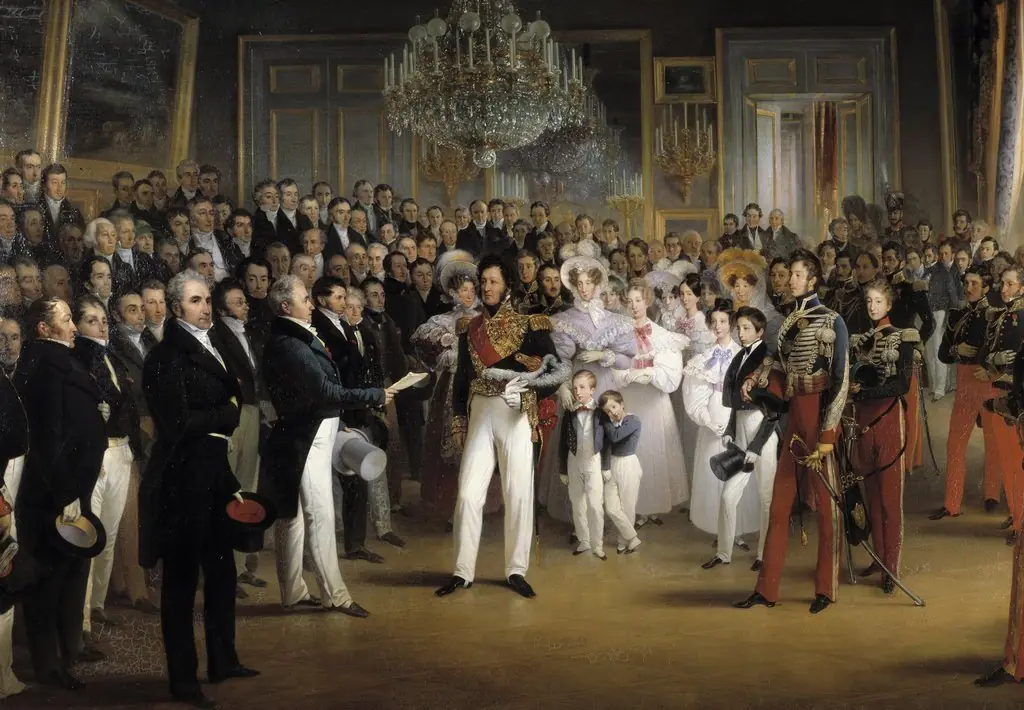 The Chamber of Deputies Received at the Palais-Royal by the Duke of Orleans
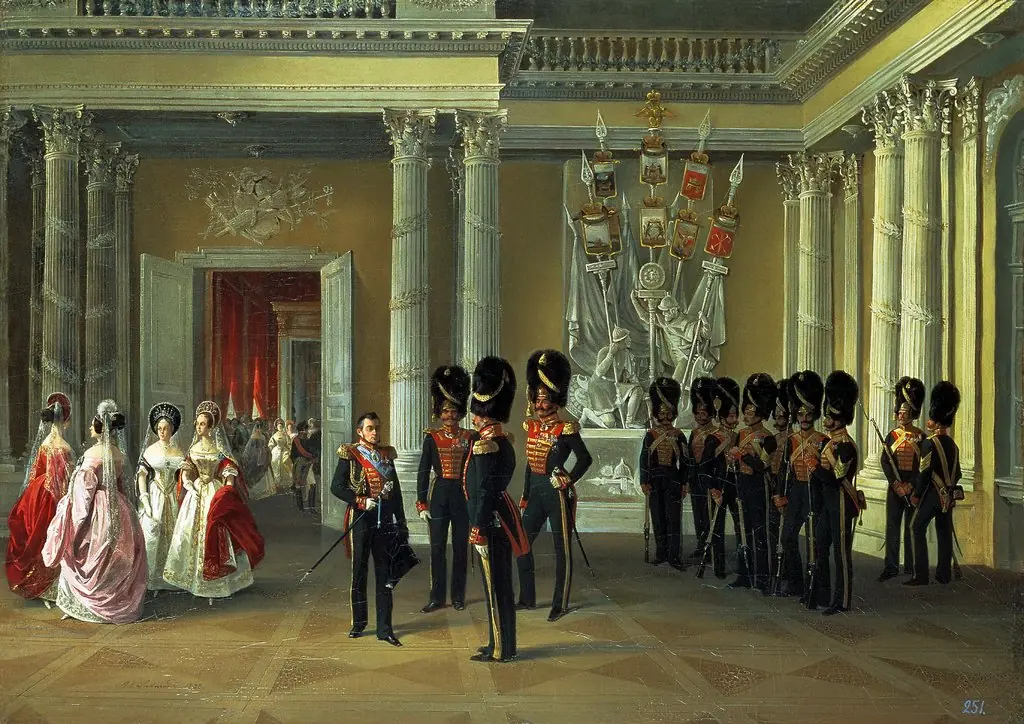 Part of the White (Armorial) Hall in the Winter Palace
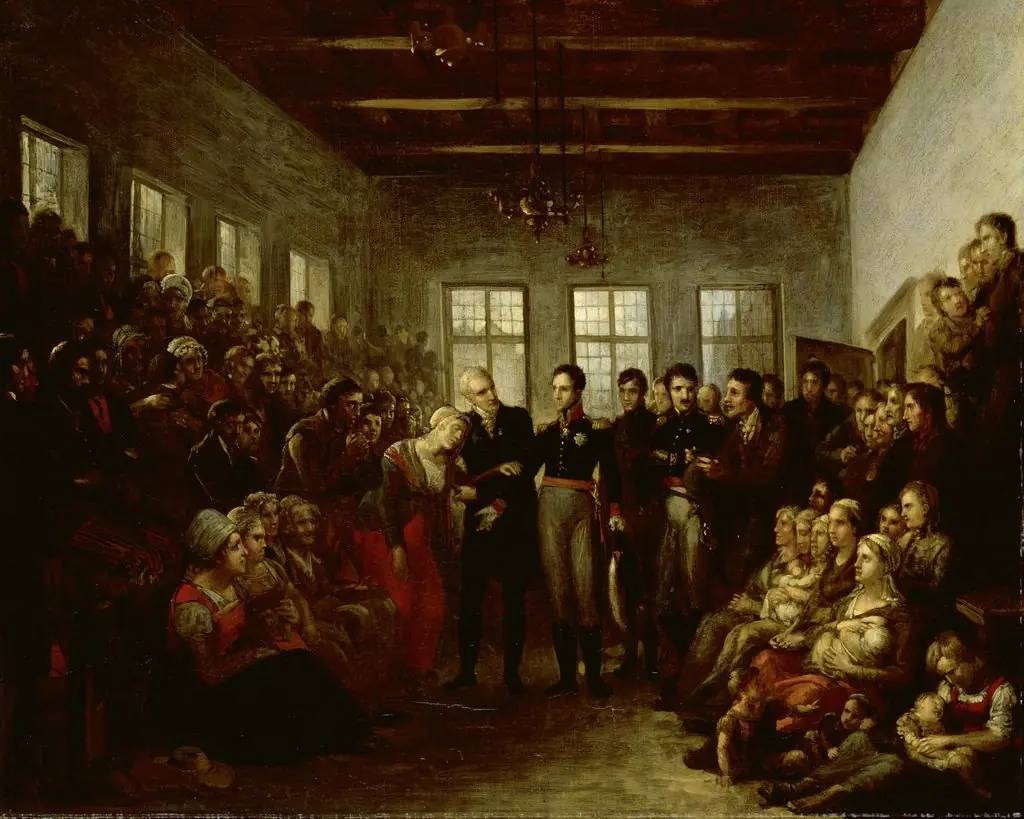 The Prince of Orange Visititing Flood Victims at the Almoners Orphanage, Amsterdam, on 14 February 1825
 The Coronation of the Quintana
 Triumvirate Assuming Power in the Name of the Prince of Orange, 21 November 1813