Artwork
Cecilie Lønborg, gift 1830 med skibsintendant Theodor Emil Ludvigsen
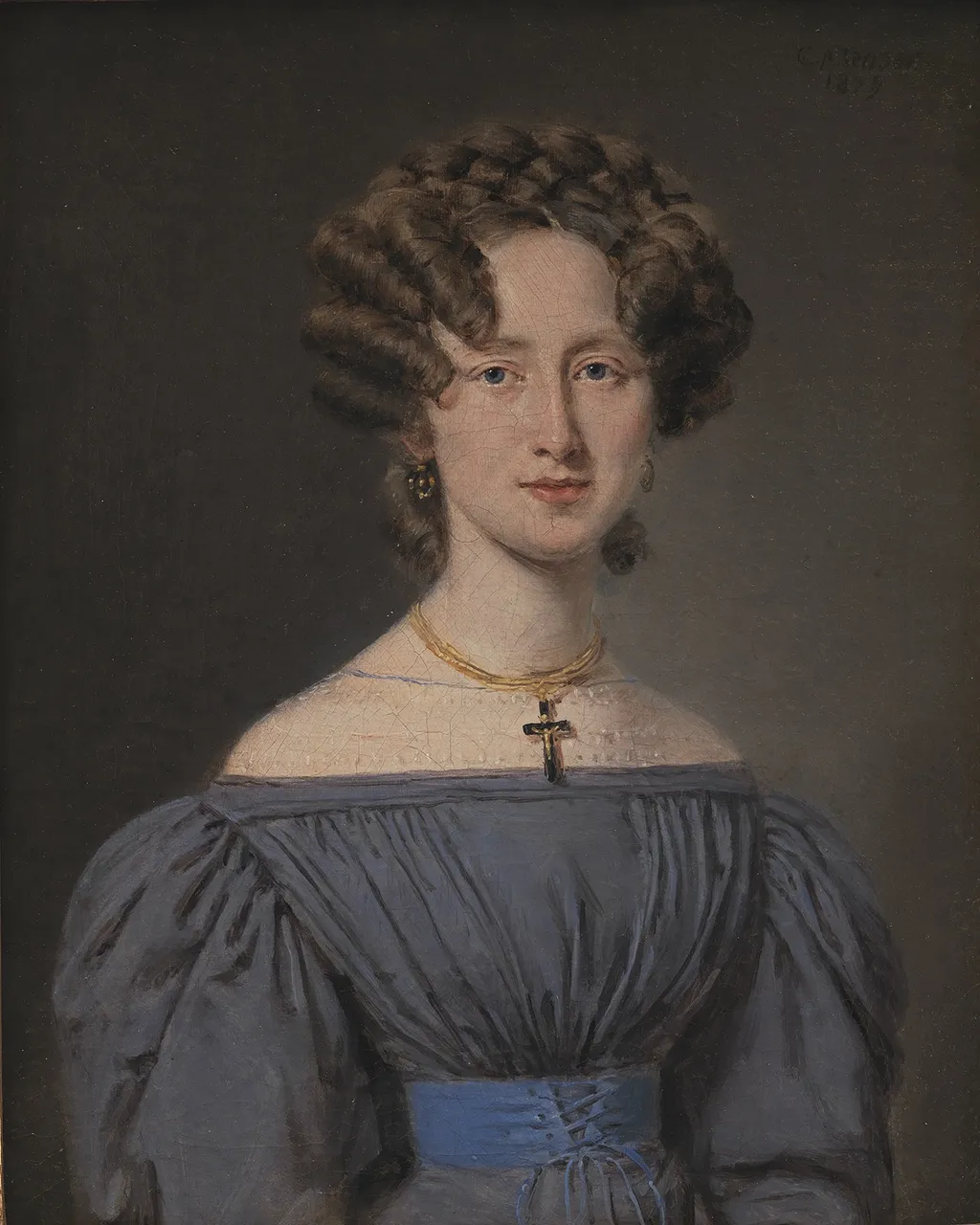
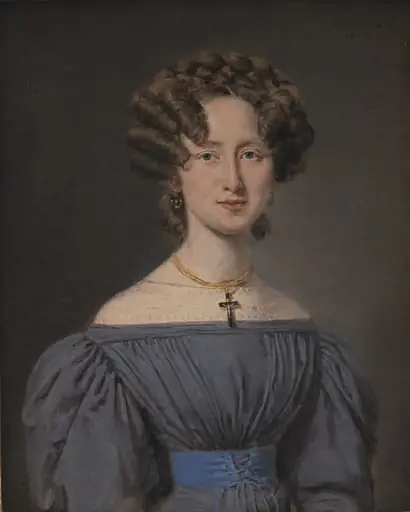
Cecilie Lønborg, gift 1830 med skibsintendant Theodor Emil Ludvigsen is an oil painting by the Realist artist Christian Albrecht Jensen. It dates from 1829 and is held in the collection of the Statens Museum for Kunst.
About this work
This portrait painting depicts a woman with curly brown hair, adorned with a blue dress featuring a wide neckline and puffy sleeves.
This portrait painting depicts a woman with curly brown hair, adorned with a blue dress featuring a wide neckline and puffy sleeves. A blue sash cinches at her waist, and she wears a gold necklace with a cross pendant, complemented by gold earrings. The background is a dark brown color.
The woman's attire and hairstyle suggest a formal setting, possibly from the early 19th century. Her expression is calm and introspective, inviting the viewer to ponder her thoughts.
To explore more works by the artist behind this portrait, look up Christian Albrecht Jensen.
Overview
Painted in 1829 by Danish artist Christian Albrecht Jensen, this oil portrait captures Cecilie Lønborg shortly before her marriage to Theodor Emil Ludvigsen in 1830. Jensen, known for his precise and restrained portraiture during the Danish Golden Age, rendered her with quiet dignity. The work is part of the collection at Statens Museum for Kunst, reflecting his focus on documenting the social elite of early 19th-century Denmark through intimate, lifelike depictions.
Subject & Meaning
Cecilie Lønborg is portrayed not as a symbol of status alone, but as an individual poised at a threshold—between single life and marriage. Her composed gaze and subdued expression suggest contemplation rather than celebration. The modest yet refined attire and jewelry indicate her social standing without overt display, aligning with the era’s values of restrained elegance. The painting serves as a personal record, anchoring her identity within the social fabric of the time.
Technique & Style
Jensen employed a smooth, controlled brushwork typical of his mature style, emphasizing texture in fabric and subtle shifts in skin tone. The dark brown background isolates the figure, drawing attention to the blue dress and gold accents, which are rendered with careful attention to light and shadow. The composition is balanced and frontal, avoiding theatricality. His realism avoids idealization, favoring a quiet authenticity that reflects the Danish Golden Age’s preference for psychological depth over ornament.
History & Provenance
The painting entered the collection of Statens Museum for Kunst in the 19th century, likely through state acquisition or donation from the subject’s family. It has remained in public custody since, with no record of significant ownership changes. Its preservation reflects institutional interest in documenting the cultural and social history of Denmark’s elite during the early 1800s, even as Jensen himself remained outside the official artistic establishment.
Context
In the late 1820s, Denmark’s portraiture scene was shaped by a growing middle class and bureaucratic elite who sought to document their identities through art. Jensen, though not state-commissioned, became a preferred painter among these circles. His works, including this one, reflect a shift from aristocratic grandeur to personal, domestic dignity. The marriage depicted here coincided with Denmark’s broader societal transition toward civil professionalism and domestic values.
Legacy
Though Jensen never received major official honors, his portraits remain key references for understanding Danish social history. This painting, like others in his oeuvre, offers a window into the quiet lives of non-noble individuals who shaped the nation’s cultural landscape. Its continued presence in a national museum affirms its value as a historical document, preserving not just a face, but a moment in time.
Own this work as a print
Artist & collection
Artist
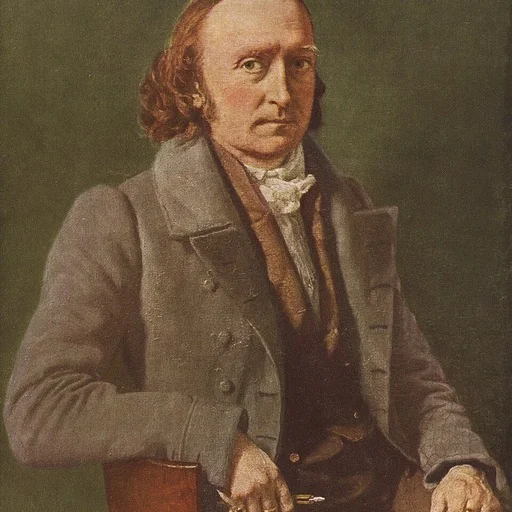
Christian Albrecht Jensen (26 June 1792 – 13 July 1870) was a Danish painter who specialised in portrait painting and was active during the Danish Golden Age.

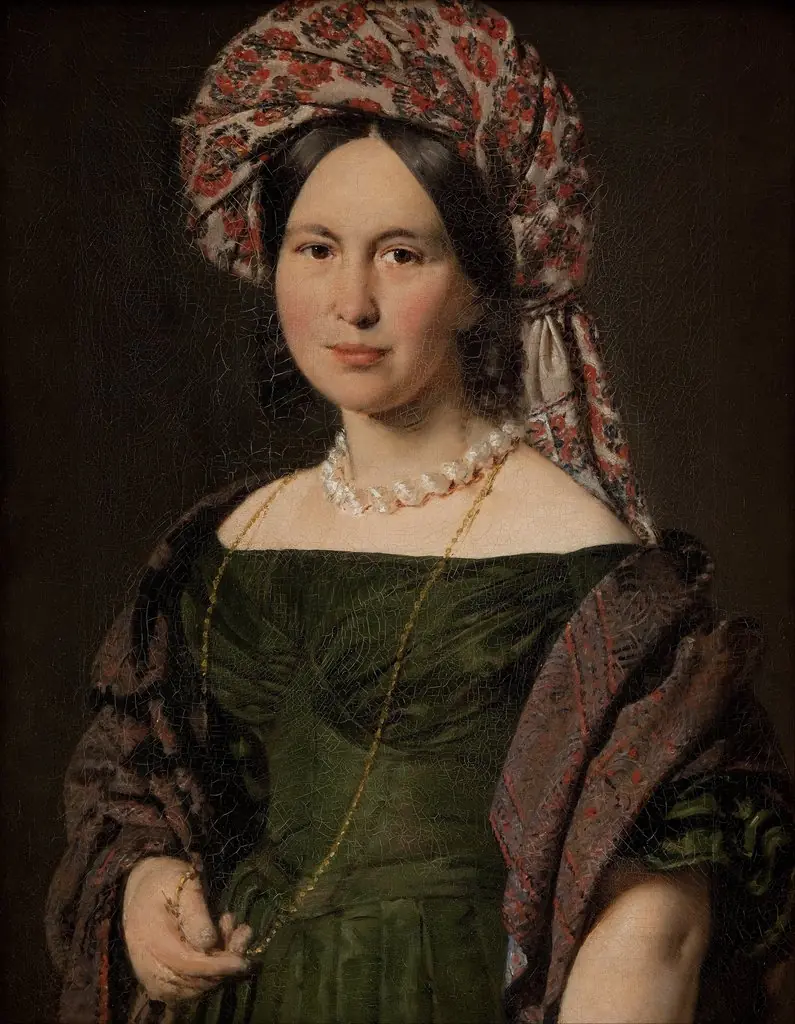 Portrait of Cathrine Jensen, née Lorenzen, the Artist's Wife Wearing a Turban
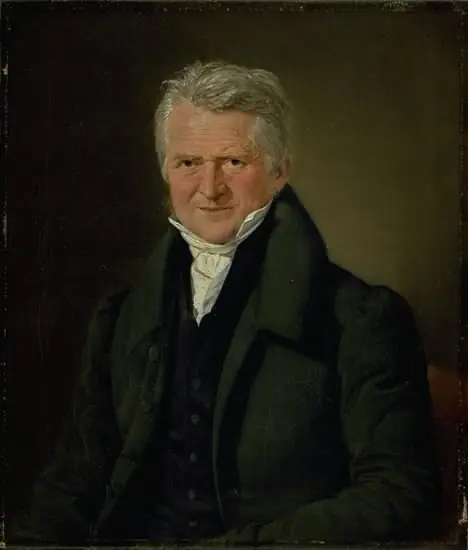 The Painter C.W. Eckersberg
 Portræt af Søren Nicolaus Johan Bloch, rektor ved Roskilde Kathedralskole
 Fabriksdirektør Ole Jørgen Rawert
 Peter Hiort Lorenzen, slesvigsk stænderdeputeret, kunstnerens svoger
 The Theologian Andreas Gottlob Rudelbach
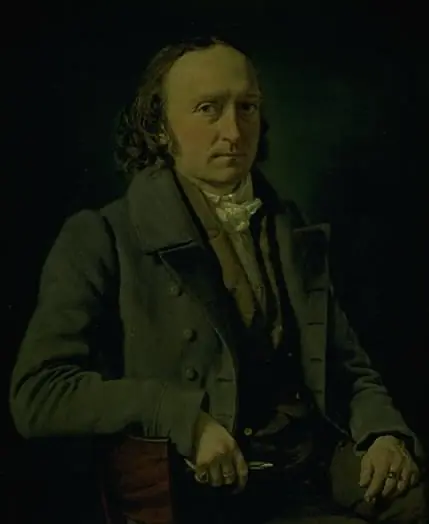 Self-Portrait
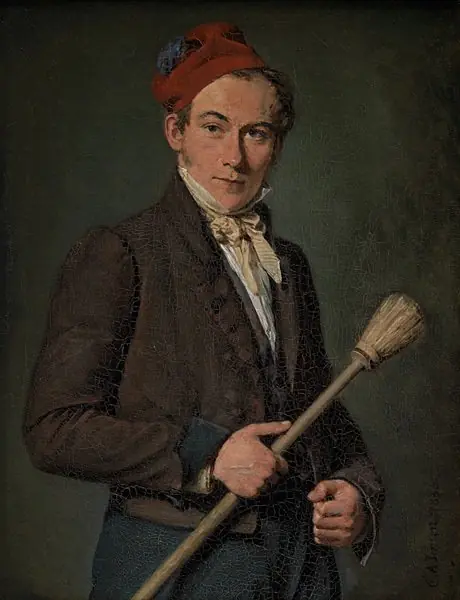 The Scene-Painter Troels Lund
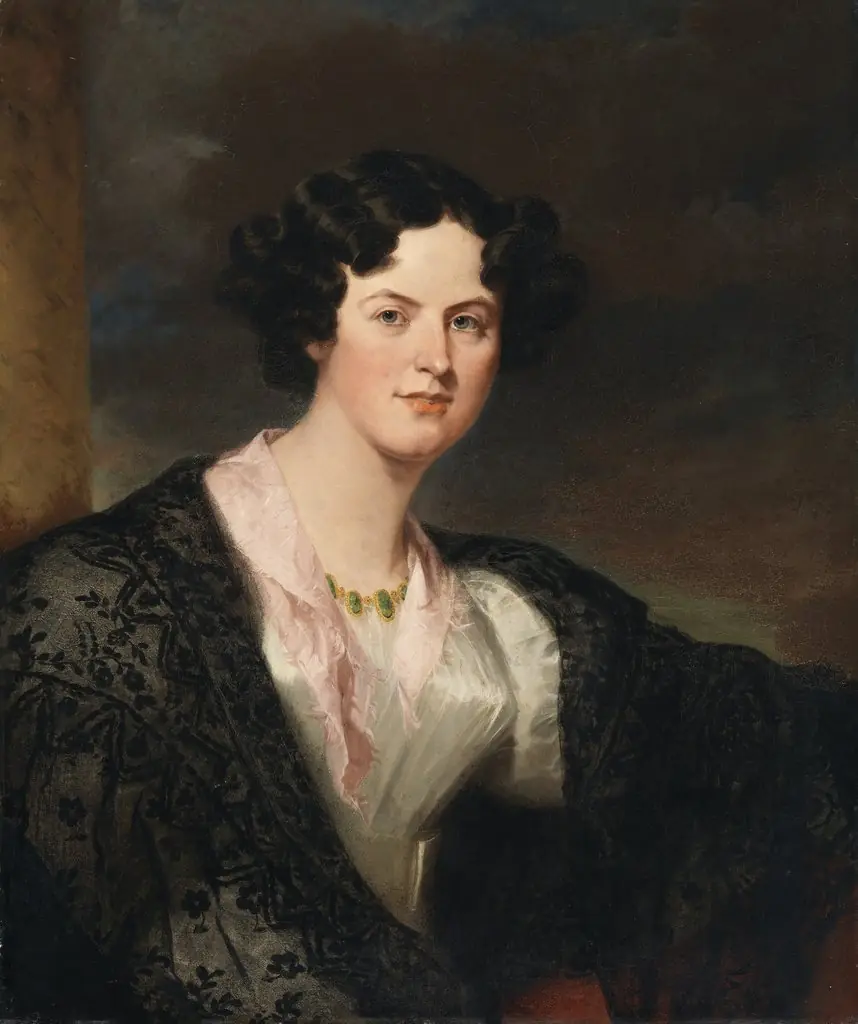 Portrait of Mrs Clementson
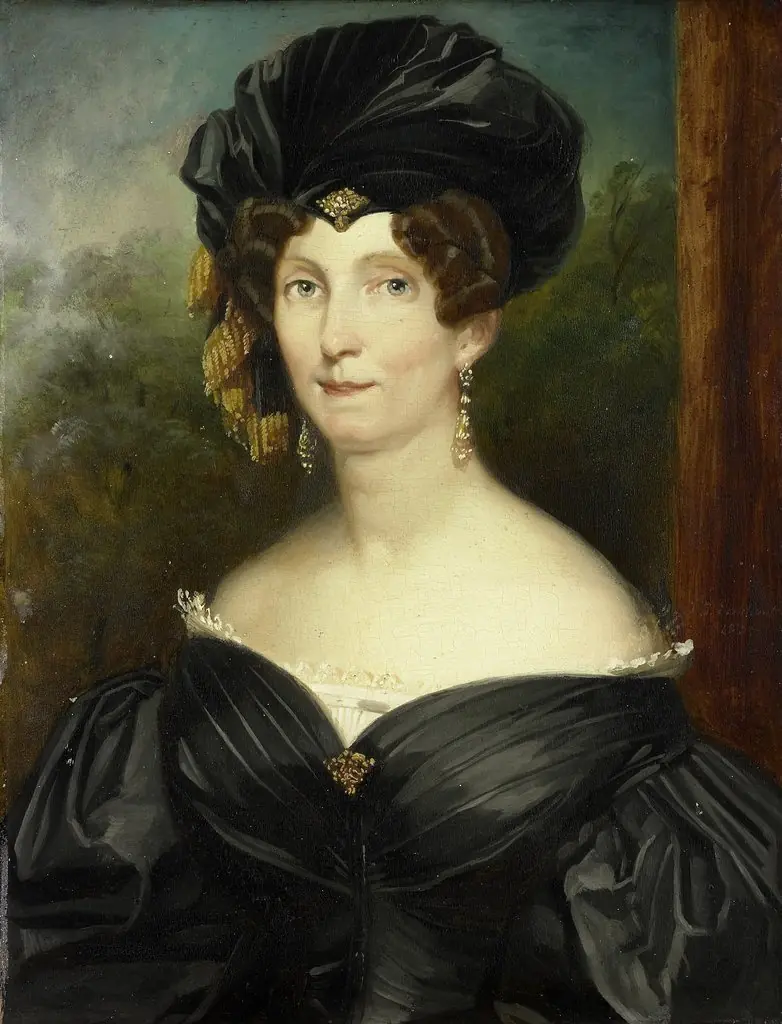 Portrait of Petronella de Lange, Wife of Theodorus Frederik van Capellen
 Portrait of a young Woman
 Delphine Gay
 Portrait of a lady in a blue dress
 Mrs. Daniel Embury (Emma Catherine Manley)
 Portrait of a lady
 Natalia Pushkina
 Pilar Gandiola
 Therese Rockert
 Sophie Stramboe
 Cecilie Lønborg, gift 1830 med skibsintendant Theodor Emil Ludvigsen