Artwork
Therese Rockert
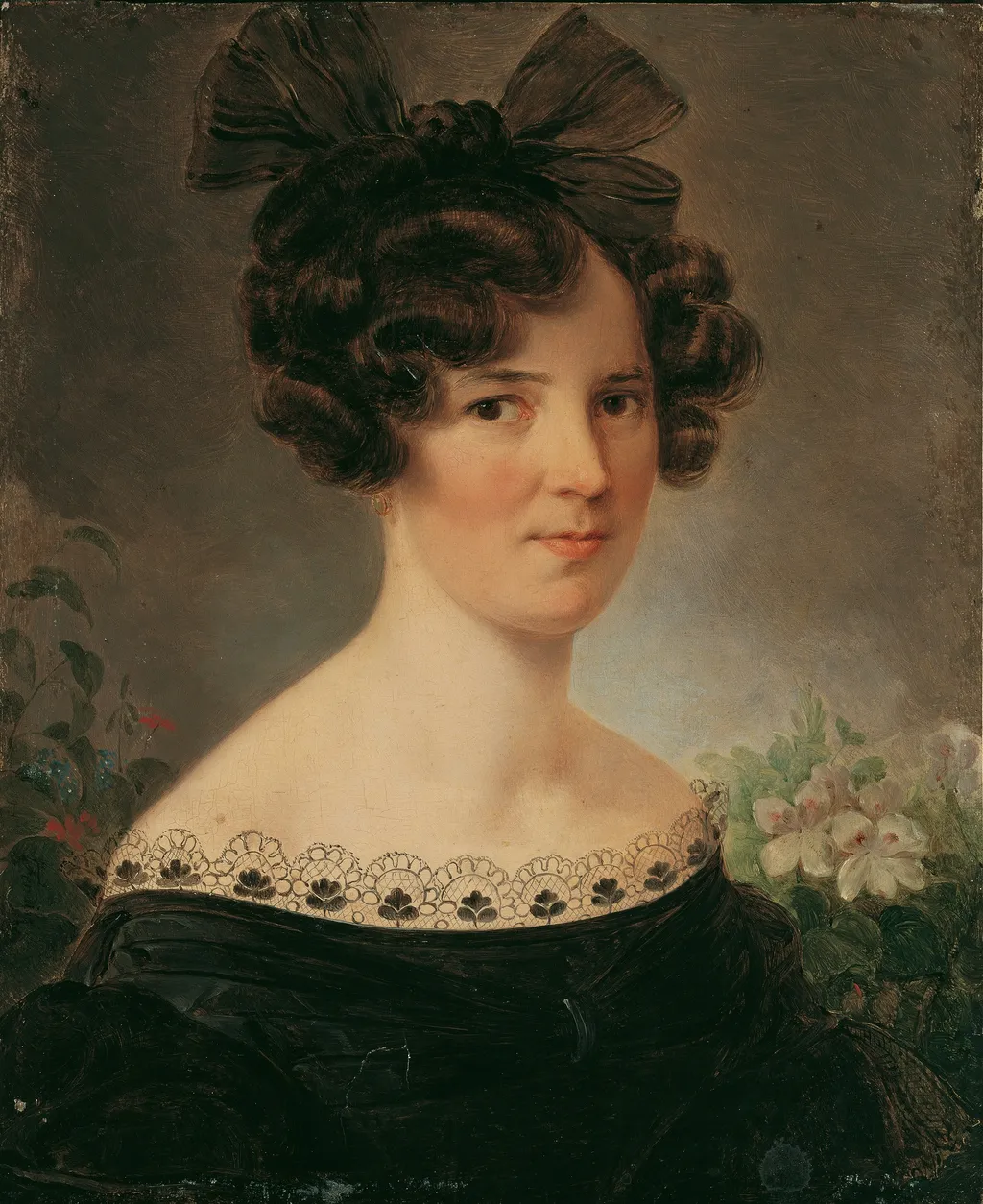
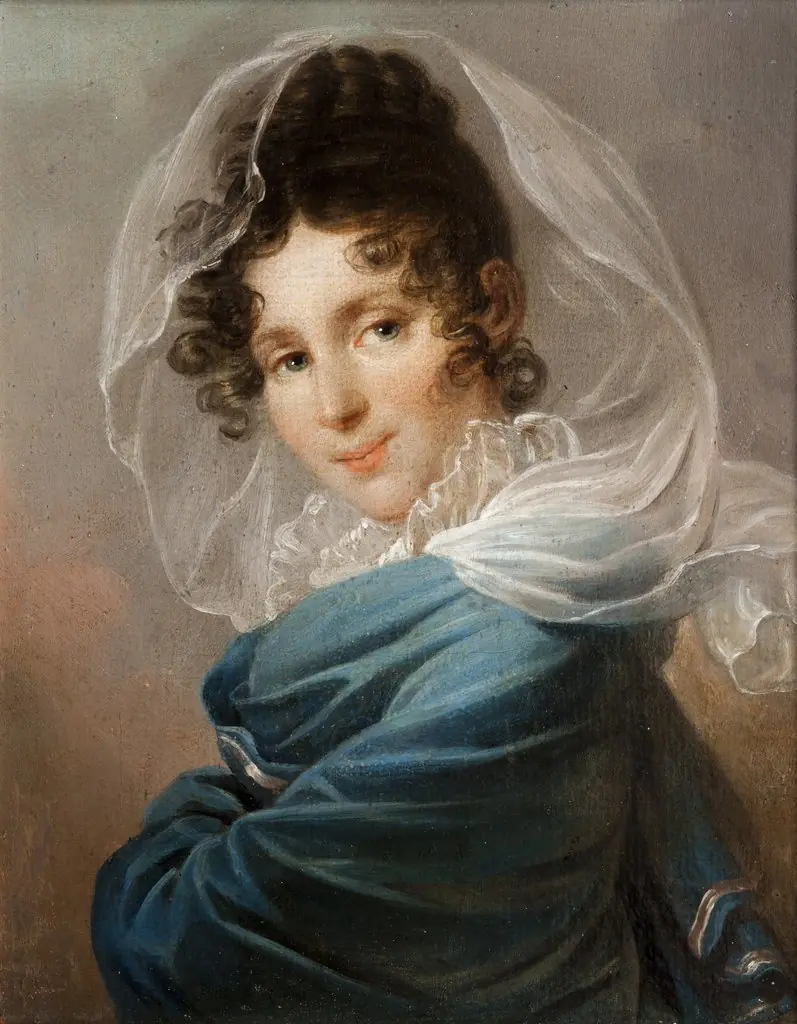
Therese Rockert is an oil painting by the Biedermeier artist Peter Fendi. It dates from 1829 and is held in the collection of the Kunsthistorisches Museum.
About this work
Overview
Fendi, known for his precision in portraiture and graphic arts, captured a private moment of dignified stillness.
Painted in 1829 by Austrian artist Peter Fendi, *Therese Rockert* is an oil portrait that reflects the quiet introspection characteristic of the Biedermeier era. Fendi, known for his precision in portraiture and graphic arts, captured a private moment of dignified stillness. The work is part of the Kunsthistorisches Museum’s collection, where it stands as an example of middle-class domestic portraiture from early 19th-century Vienna.
Subject & Meaning
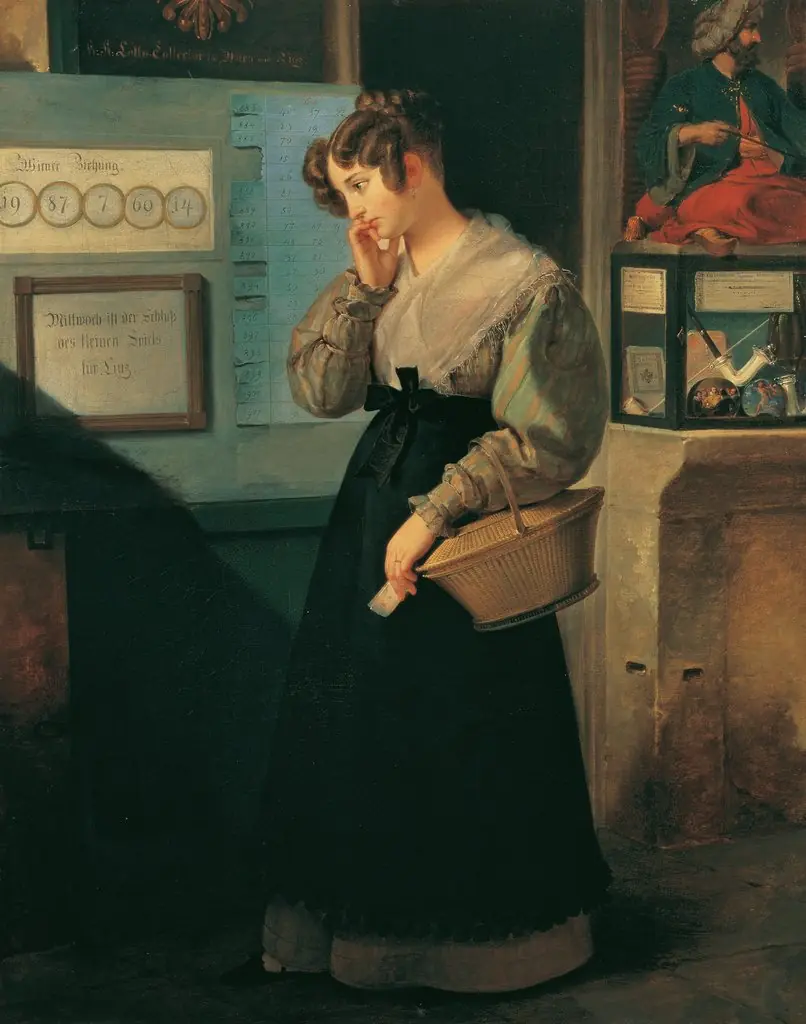
The subject, Therese Rockert, is portrayed with composed stillness, her gaze turned slightly away, suggesting a moment of private reflection. Her attire—a black dress with lace trim and a prominent bow—signals modest elegance, typical of bourgeois women of the time. The floral arrangements flanking her may symbolize transience or personal adornment, reinforcing the painting’s focus on restrained beauty rather than grandeur.
Technique & Style
Fendi employed fine brushwork to render the textures of lace, silk, and hair with subtle detail, avoiding theatricality. The gray background isolates the figure, directing attention to her form and clothing. Soft lighting enhances the delicacy of the lace collar and the smoothness of her skin, while the composition remains balanced and uncluttered, embodying the Biedermeier preference for calm, intimate realism over dramatic expression.
History & Provenance
Created during Fendi’s tenure as a court painter, the portrait was likely commissioned by Rockert’s family or associates within Vienna’s cultural circles. It entered the Kunsthistorisches Museum’s holdings in the 19th century, preserved as part of a broader collection documenting Austrian domestic life. Its continuous institutional custody ensures its preservation and scholarly accessibility.
Context
The Biedermeier period emerged after the Napoleonic Wars, favoring domestic tranquility over political spectacle. Portraits like this one reflected the values of Vienna’s emerging middle class: order, modesty, and emotional restraint. Fendi’s work aligned with this ethos, shifting focus from aristocratic grandeur to the quiet dignity of everyday individuals, particularly women in private settings.
Legacy
Though not widely exhibited outside Austria, *Therese Rockert* remains a representative example of Biedermeier portraiture. It contributes to the understanding of how visual culture in early 19th-century Austria encoded social norms through subtle details of dress and posture. Fendi’s approach influenced later generations of Austrian painters who continued to explore intimate, non-heroic subjects with technical precision.
Own this work as a print
Artist & collection
Artist
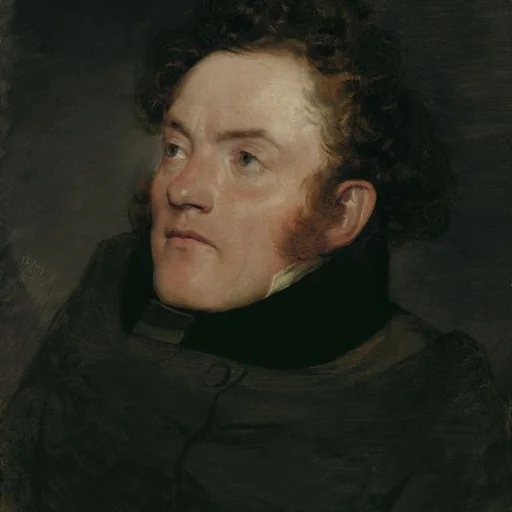
Peter Fendi (4 September 1796 – 28 August 1842) was an Austrian court painter, portrait and genre painter, engraver, and lithographer. He was one of the leading artists of the Biedermeier period.

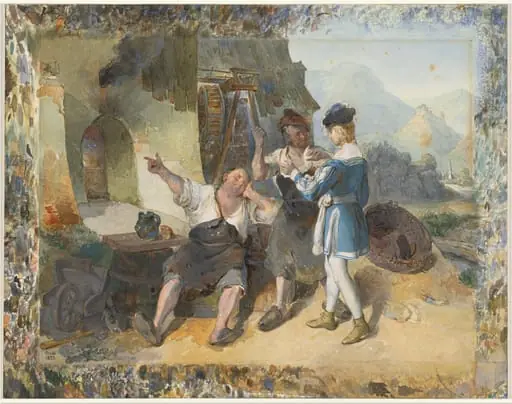
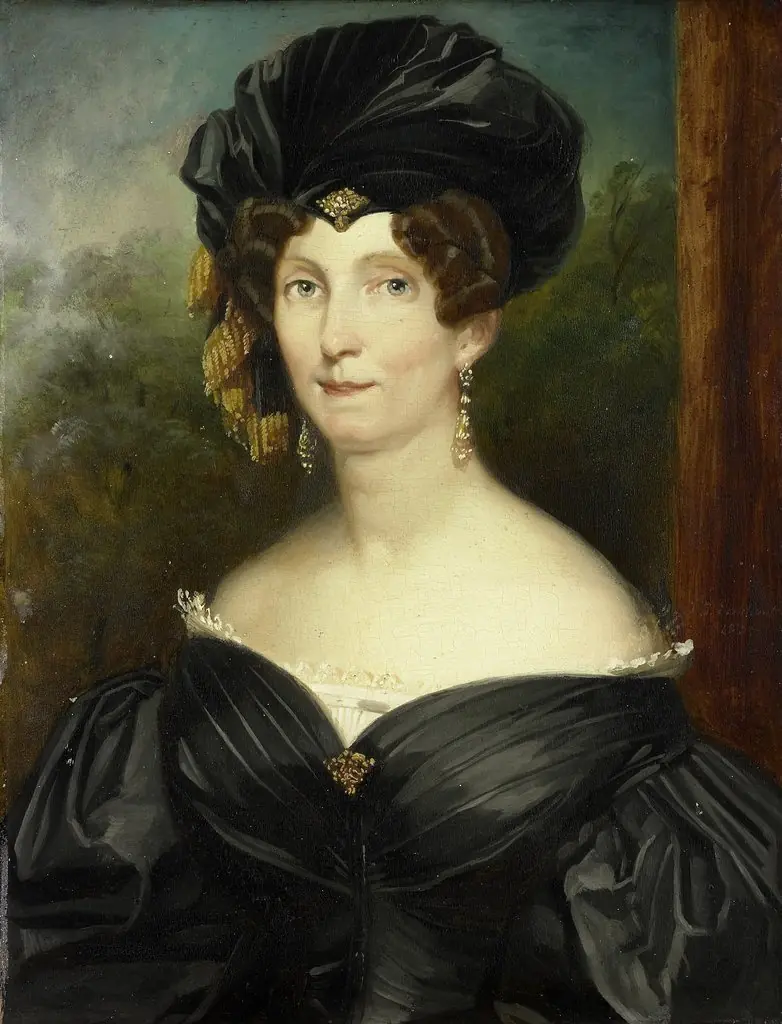 Portrait of Petronella de Lange, Wife of Theodorus Frederik van Capellen
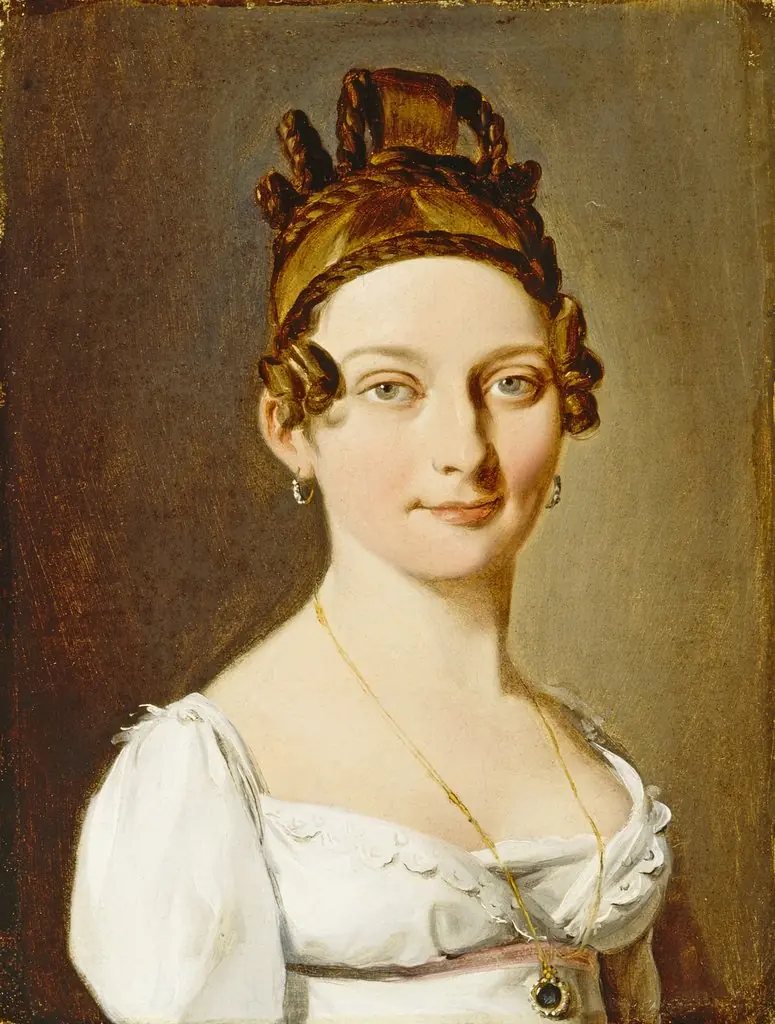 Portrait of a Lady
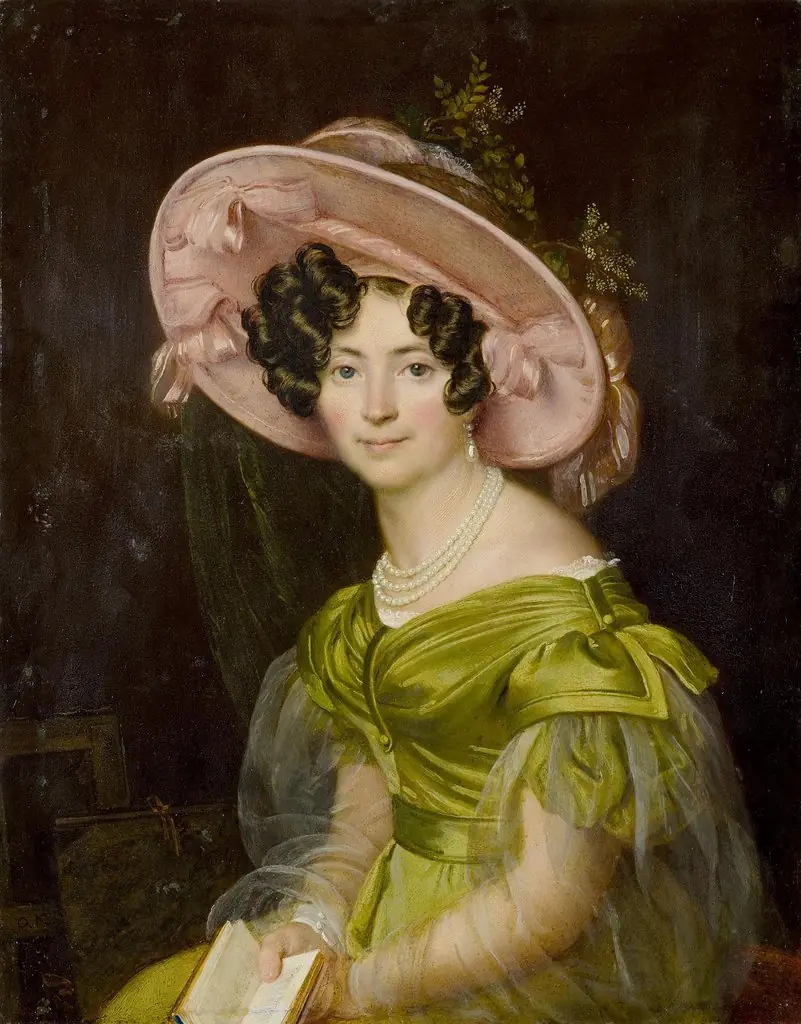 Portrait of Zinaida Volkonskaya
 Portrait of Maria Christina Nijssen, Wife of Anthonie van der Hout
 Portrait of a lady
 Portrait of a Woman from the Schmidt Family
 Portrait of Mrs Clementson
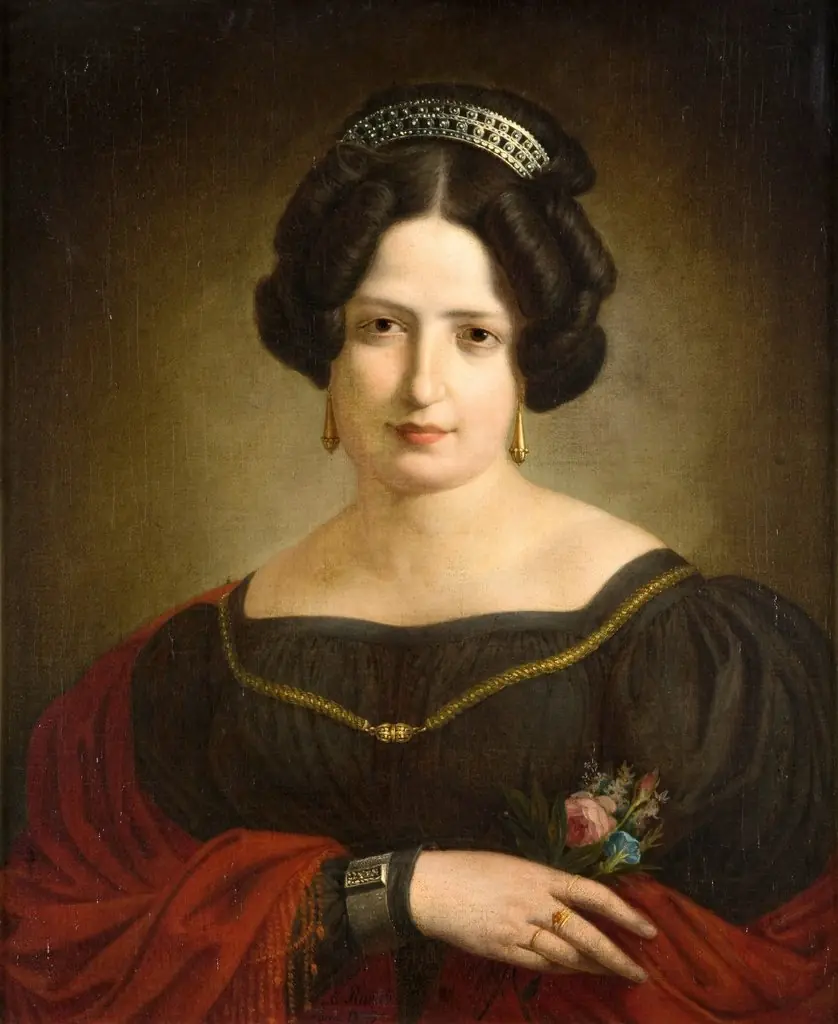 Portrait of Wife Antonina
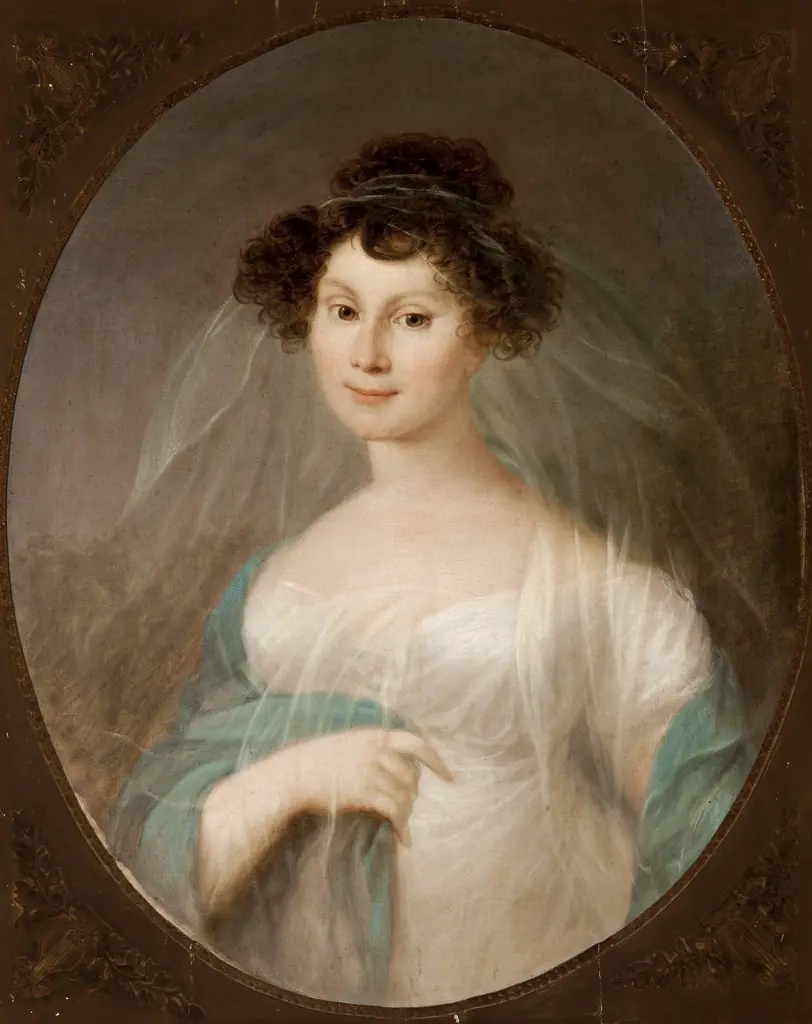 Portrait of Teresa Woydzina née Kuźnicz, Wife of the President of Warsaw
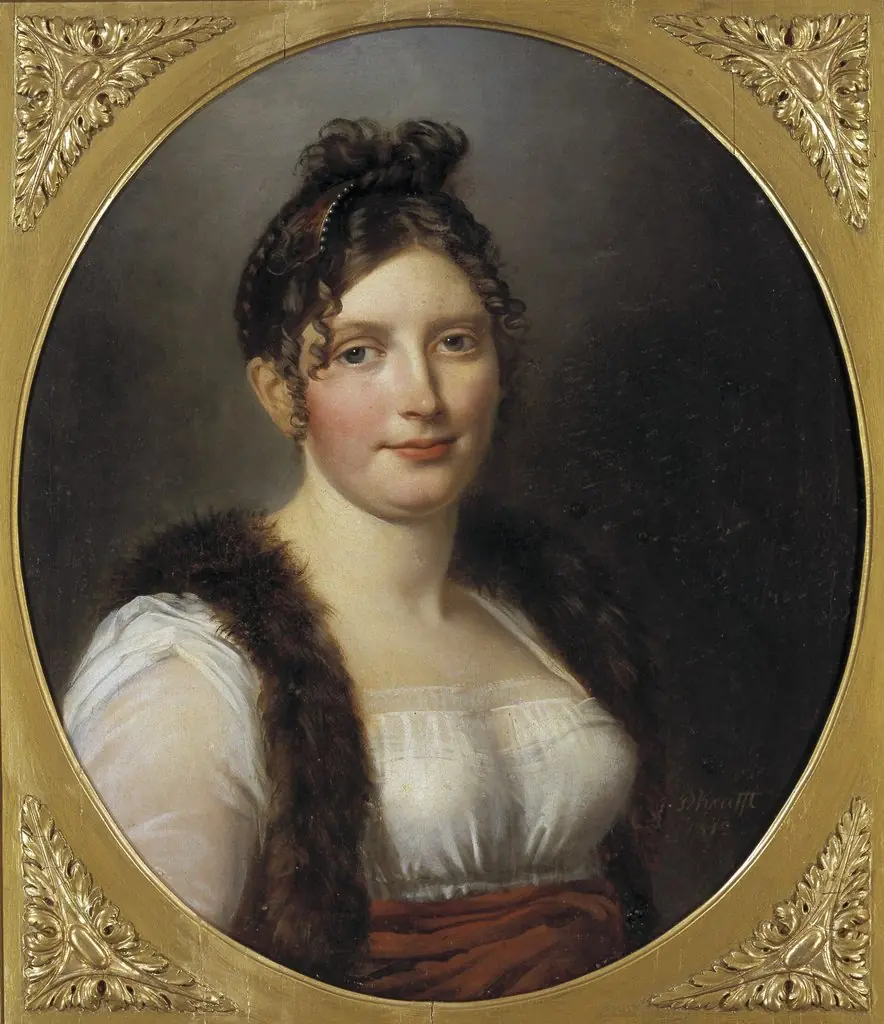 Catharina Charlotta Bågh (1777-1816), gift med friherre Pehr Erik Skjöldebrand
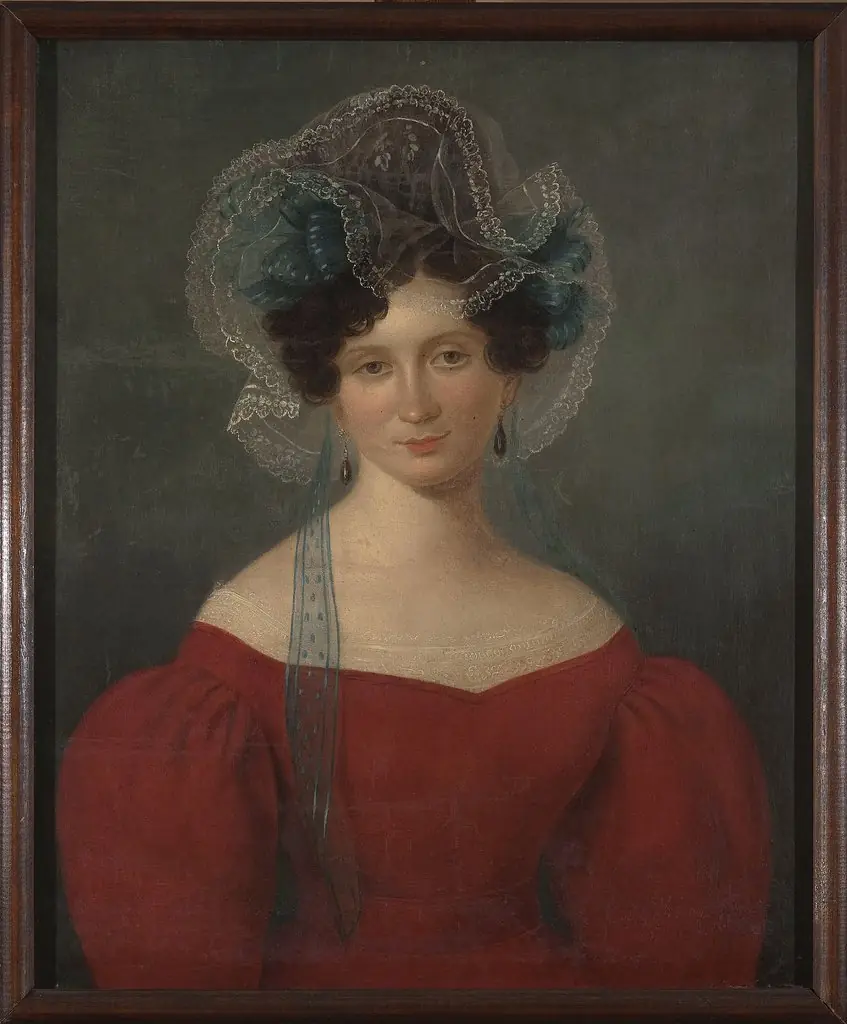 Portrait of a lady in a red dress
 Portrait of Tekla Osławska