Artwork
Portrait of Mrs. Pauline Hagen
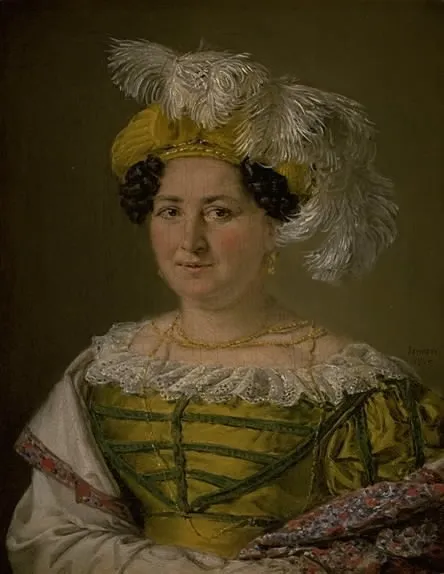
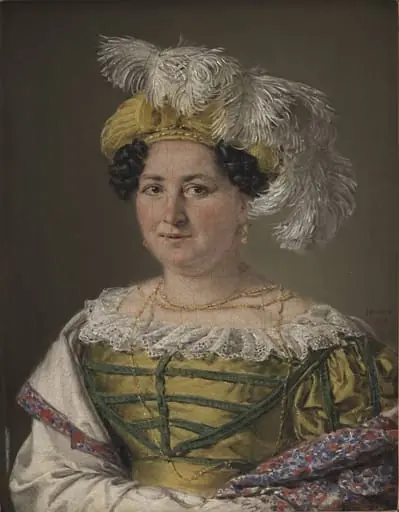
Portrait of Mrs. Pauline Hagen is an oil painting by the Biedermeier artist Christian Albrecht Jensen. It dates from 1825 and is held in the collection of the Statens Museum for Kunst. Portrait of Mrs.
About this work
Overview
Portrait of Mrs. Pauline Hagen is an 1825 oil painting by Christian Albrecht Jensen, a prolific Danish portraitist of the Danish Golden Age. The work exemplifies the Biedermeier style, emphasizing intimate domesticity.
Subject & Meaning
The subject, Mrs. Pauline Hagen, is portrayed in a state of calm contemplation, her non-smiling, steady expression conveying a sense of quiet dignity. Her attire—a green and black striped dress with lace trim, a pearl necklace, and a distinctive white feathered hat with yellow band and dark flowers—suggests a focus on personal, everyday elegance rather than grandeur.
Technique & Style
Jensen employs soft, smoothly blended brushwork, particularly noticeable on the subject's face, to create a sense of depth and serenity. The plain, dark background, juxtaposed with the subject's illuminated form, utilizes chiaroscuro to enhance the overall sense of volume and highlight the sitter.
History & Provenance
Created in 1825, the portrait is now part of the collection at Statens Museum for Kunst, testifying to its significance within Danish artistic heritage.
Context
As part of the Biedermeier movement, the painting reflects the era's preference for intimate, domestic subjects, contrasting with more grandiose themes prevalent in other contemporary artistic movements.
Legacy
While specific lasting impacts of *Portrait of Mrs. Pauline Hagen* on broader art historical trends are not prominently documented, it remains a characteristic example of Jensen's oeuvre and the Biedermeier style, contributing to the visual record of everyday life during the Danish Golden Age.
Artist & collection
Artist
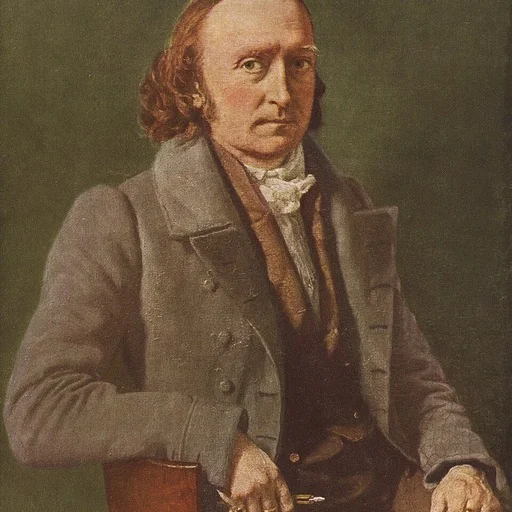
Christian Albrecht Jensen (26 June 1792 – 13 July 1870) was a Danish painter who specialised in portrait painting and was active during the Danish Golden Age.

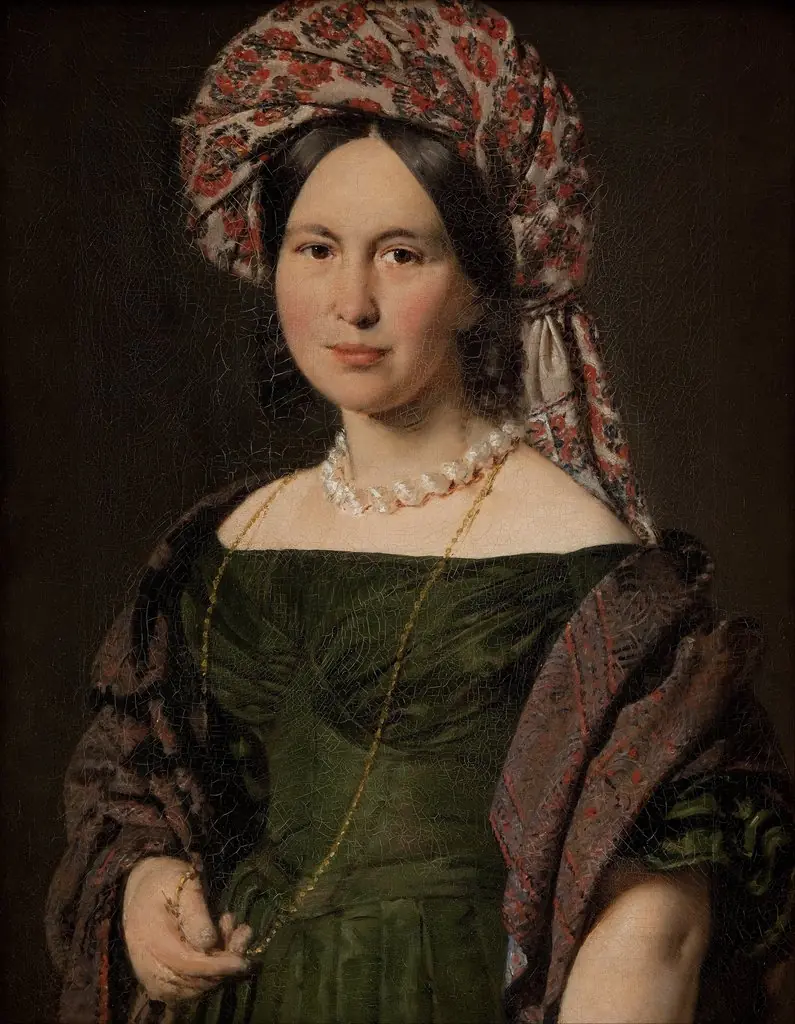 Portrait of Cathrine Jensen, née Lorenzen, the Artist's Wife Wearing a Turban
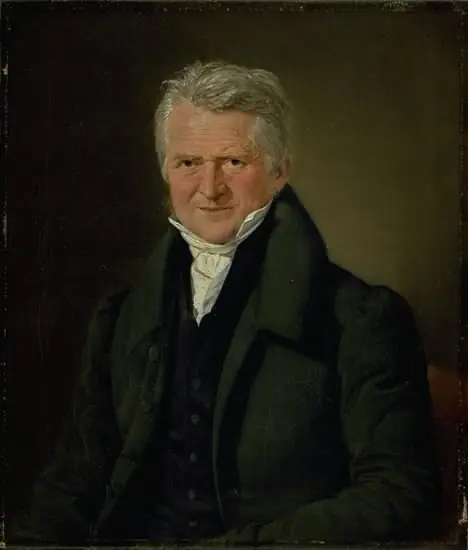 The Painter C.W. Eckersberg
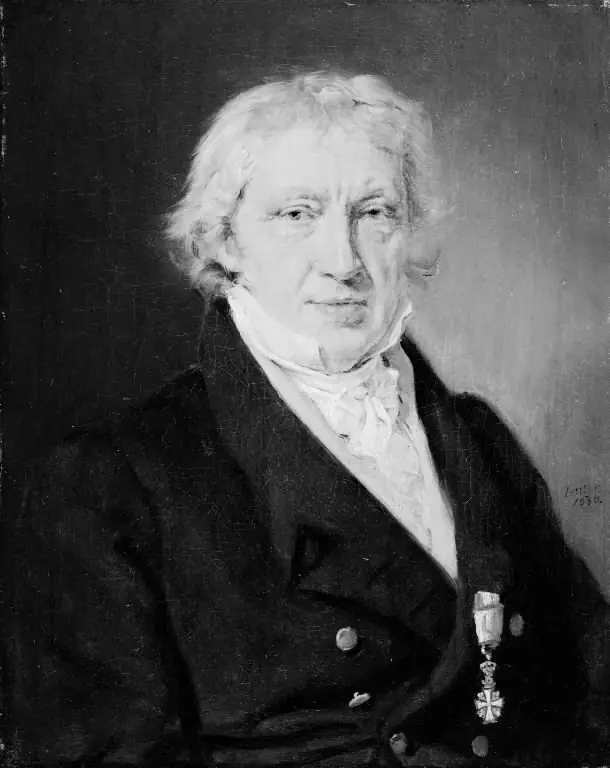 Portræt af Søren Nicolaus Johan Bloch, rektor ved Roskilde Kathedralskole
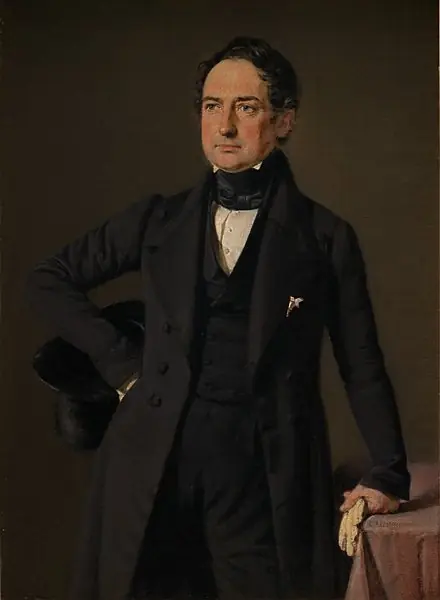 Fabriksdirektør Ole Jørgen Rawert
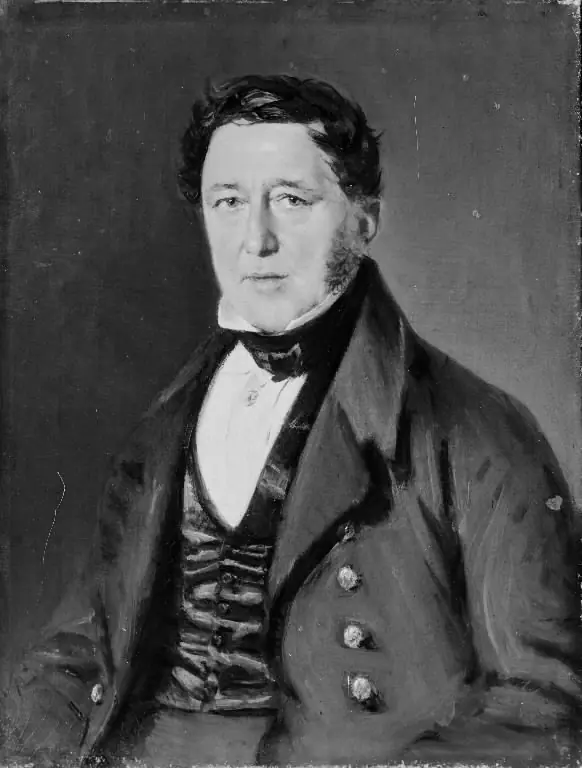 Peter Hiort Lorenzen, slesvigsk stænderdeputeret, kunstnerens svoger
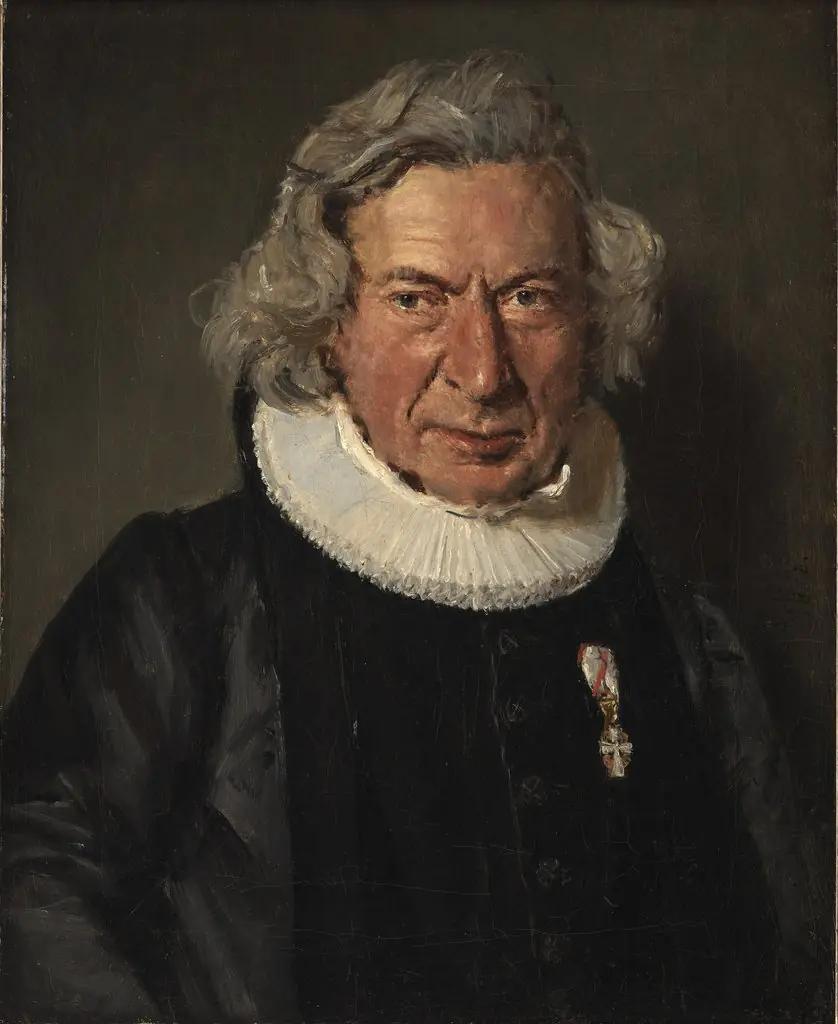 The Theologian Andreas Gottlob Rudelbach
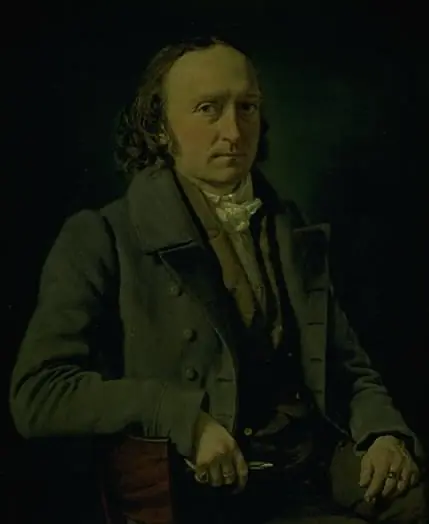 Self-Portrait
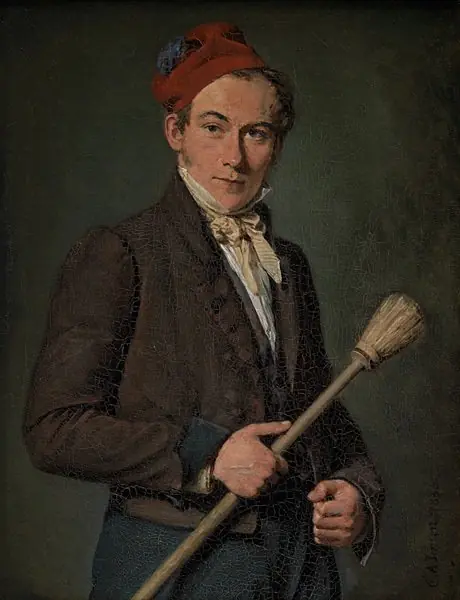 The Scene-Painter Troels Lund
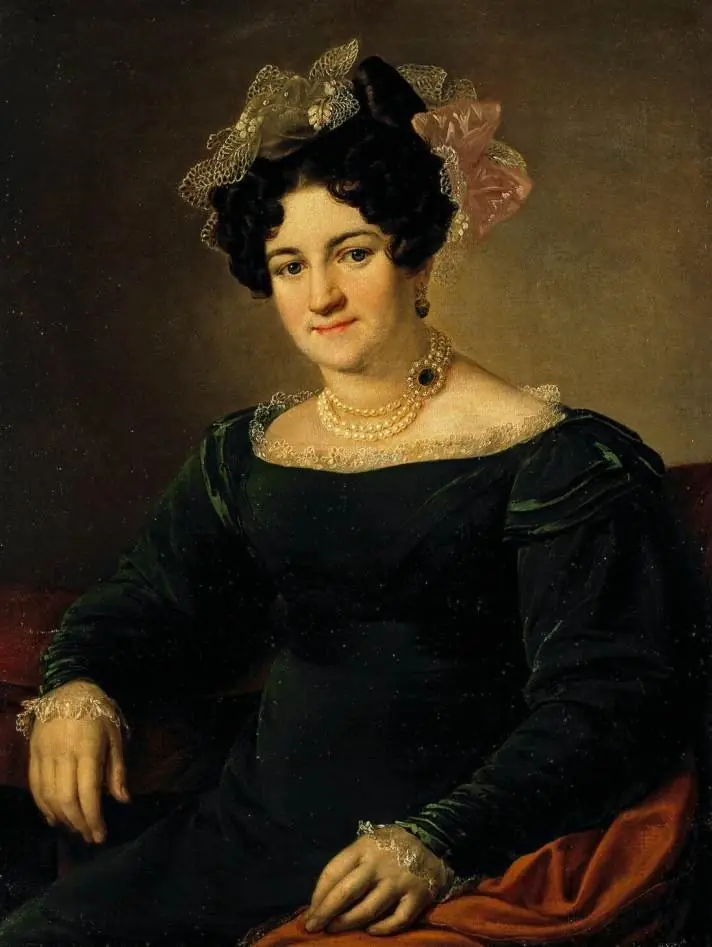 Portrait of P.I. Sapoznikova
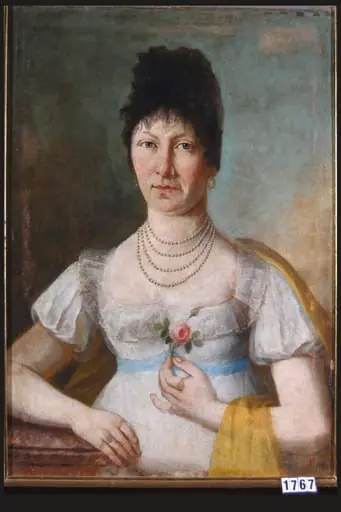 Portret de femeie
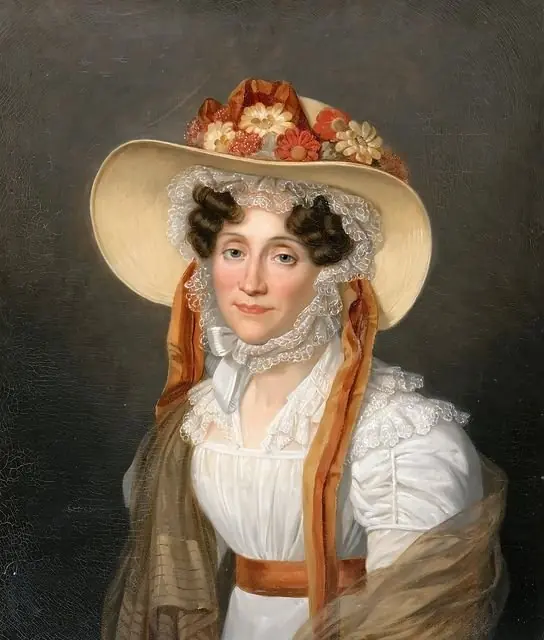 Portrait of Adélaide d'Orléans
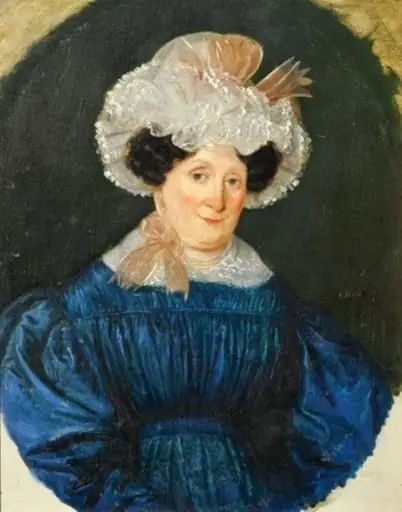 Marea clucereasă Maria Oteteleșanu
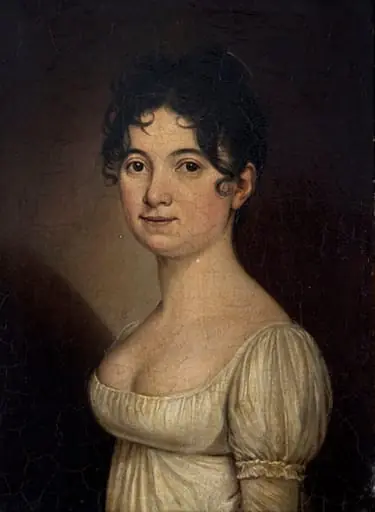 Mama
Mama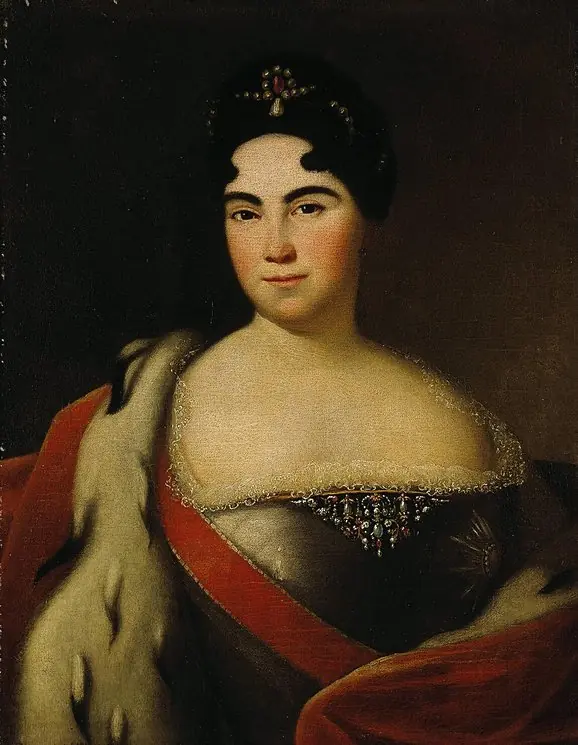 Portrait of Catherine I
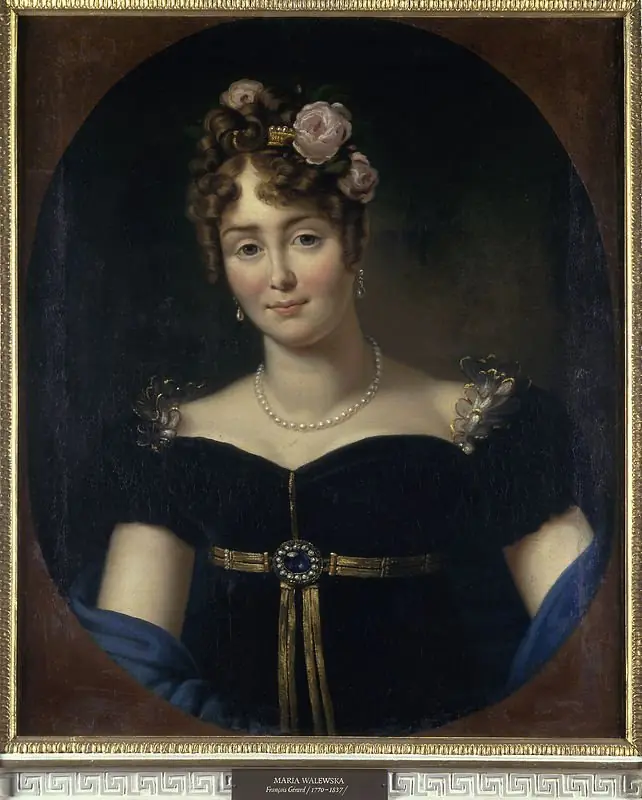 Portrait of Maria Walewska (1786–1817)
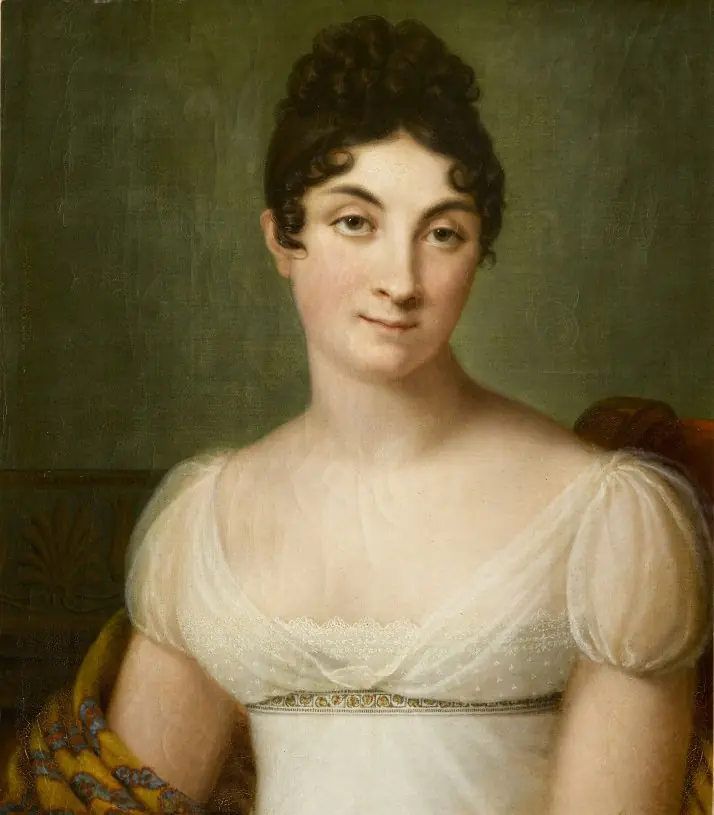 Portrait de Claire Élisabeth de Vergennes, Comtesse de Rémusat
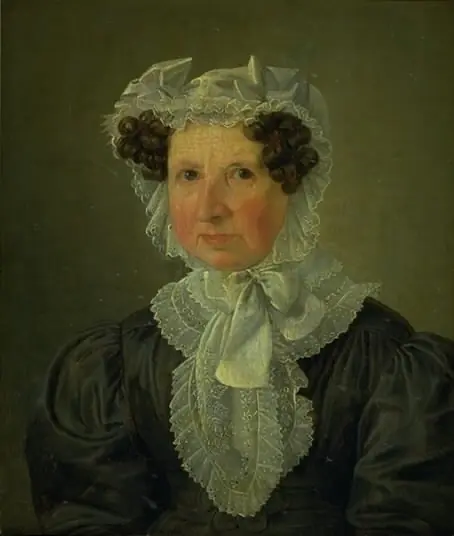 Portræt af jomfru Nissen
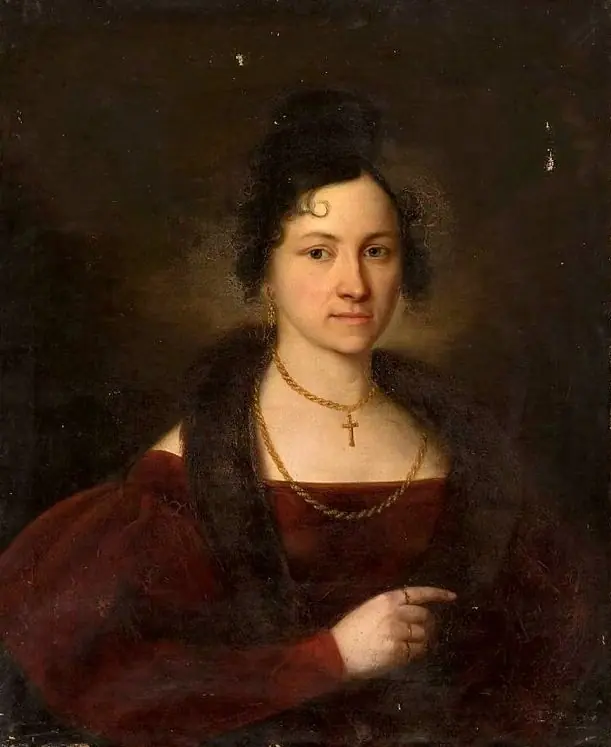 Portrait of Konstancja Narbutt
 Portrait of a Woman
 Portrait of Mrs. Pauline Hagen