Artwork
Portrait of Maria Walewska (1786–1817)
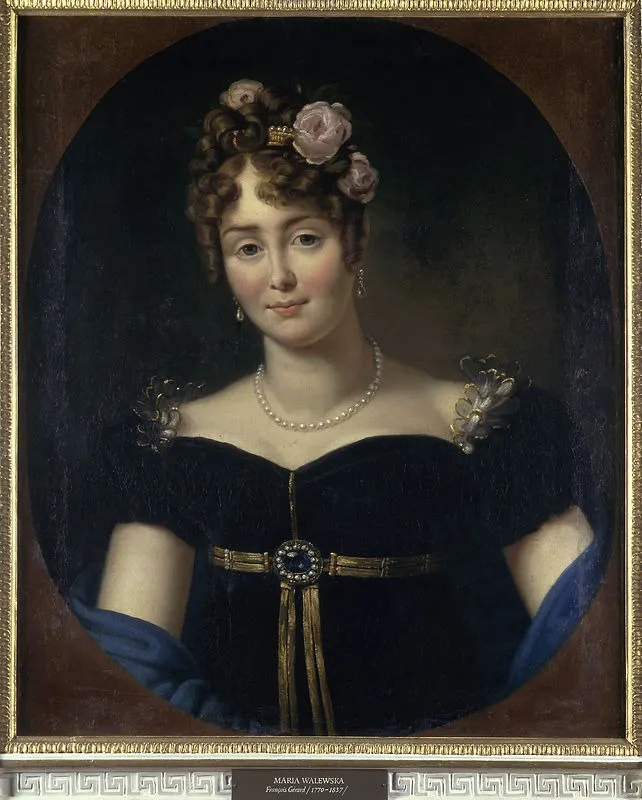
Portrait of Maria Walewska (1786–1817) is an oil painting by the Neoclassicist artist François Gérard. It dates from 1813 and is held in the collection of the National Museum in Warsaw.
About this work
Overview
Gérard, trained under Jacques-Louis David, was a prominent figure in French portraiture during the Napoleonic era and the subsequent Bourbon restoration.
Painted around 1813 by François Gérard, this oil portrait captures Maria Walewska, a Polish noblewoman with close ties to Napoleon Bonaparte. Gérard, trained under Jacques-Louis David, was a prominent figure in French portraiture during the Napoleonic era and the subsequent Bourbon restoration. The work reflects his position as a favored artist of the imperial court and remains part of the National Museum in Warsaw’s permanent collection.
Subject & Meaning
Maria Walewska is depicted with composed dignity, her direct gaze and restrained posture conveying quiet authority. Her attire and adornments—pearl necklace, blue-stone brooch, and floral headpiece—signal her aristocratic standing, though the painting avoids overt symbolism of power. Rather than emphasizing her role as Napoleon’s mistress, the portrait presents her as a figure of refined nobility, aligning with the era’s preference for dignified individuality over political narrative.
Technique & Style
Gérard employed smooth, controlled brushwork characteristic of Neoclassicism, rendering fabric and skin with subtle gradations of light. The dark blue gown contrasts softly with the muted background, drawing focus to the sitter’s form and jewelry. The composition is balanced and symmetrical, with no extraneous detail, reflecting the period’s emphasis on clarity and restraint. The simple carved frame complements the painting’s understated elegance.
History & Provenance
Commissioned during the height of Napoleon’s influence in Poland, the portrait was likely created to affirm Walewska’s social position amid political upheaval. After her death in 1817, the painting remained in family hands before entering the National Museum in Warsaw’s collection. Its preservation there underscores its significance as a cultural artifact linking Polish nobility to the broader Napoleonic world.
Context
In early 19th-century Europe, portraiture served as both personal record and political statement. Gérard’s depiction of Walewska aligns with the trend of portraying women of influence through grace and decorum rather than overt power. Her connection to Napoleon made her a figure of interest, yet the portrait avoids sensationalism, instead reflecting the Neoclassical ideal of calm virtue and aristocratic poise.
Legacy
The portrait endures as a representative example of French Neoclassical portraiture produced for European aristocracy. It preserves the visual language of status and refinement favored by court artists of the time. While Walewska’s personal history is well documented, the painting’s lasting value lies in its quiet embodiment of an era’s aesthetic and social ideals, rather than its biographical associations.
Artist & collection
Artist
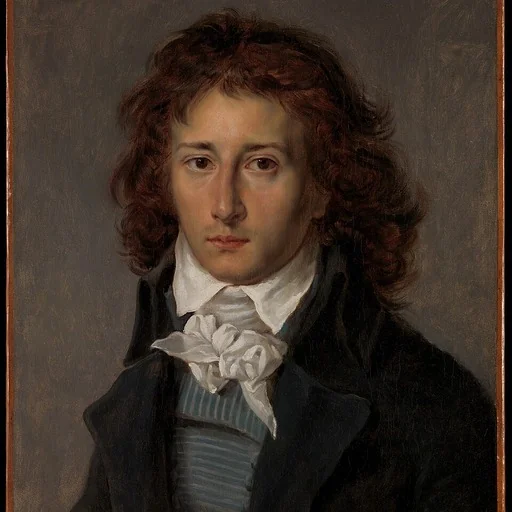
François Pascal Simon Gérard (French pronunciation: , 4 May 1770 – 11 January 1837), titled as Baron Gérard in 1809, was a French painter.

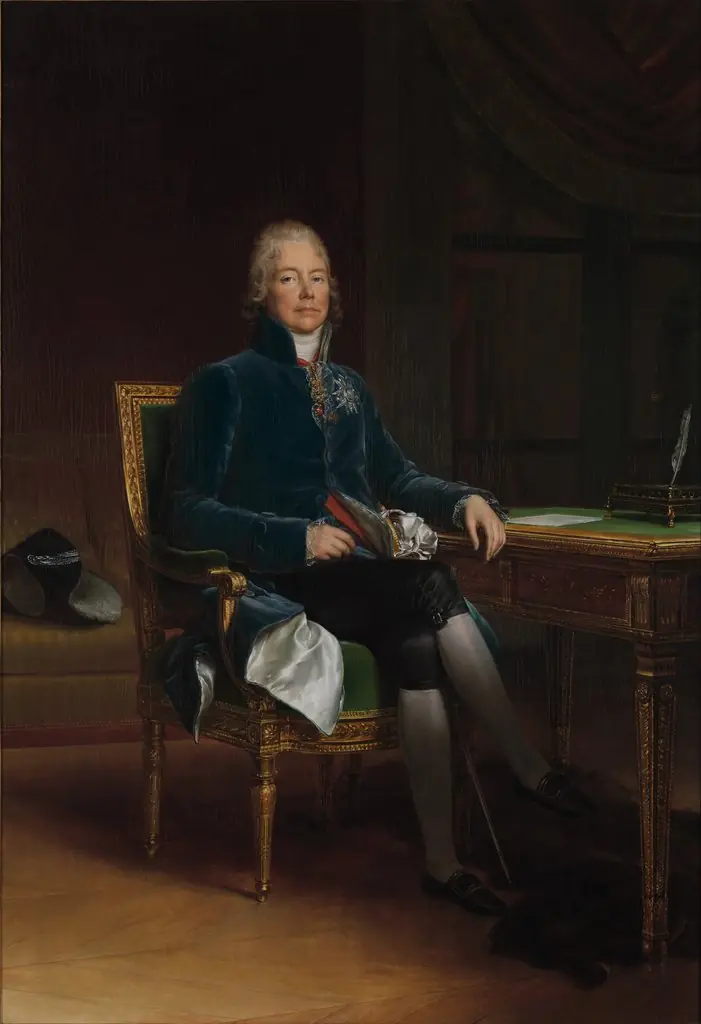 Charles Maurice de Talleyrand Périgord (1754–1838), Prince de Bénévent
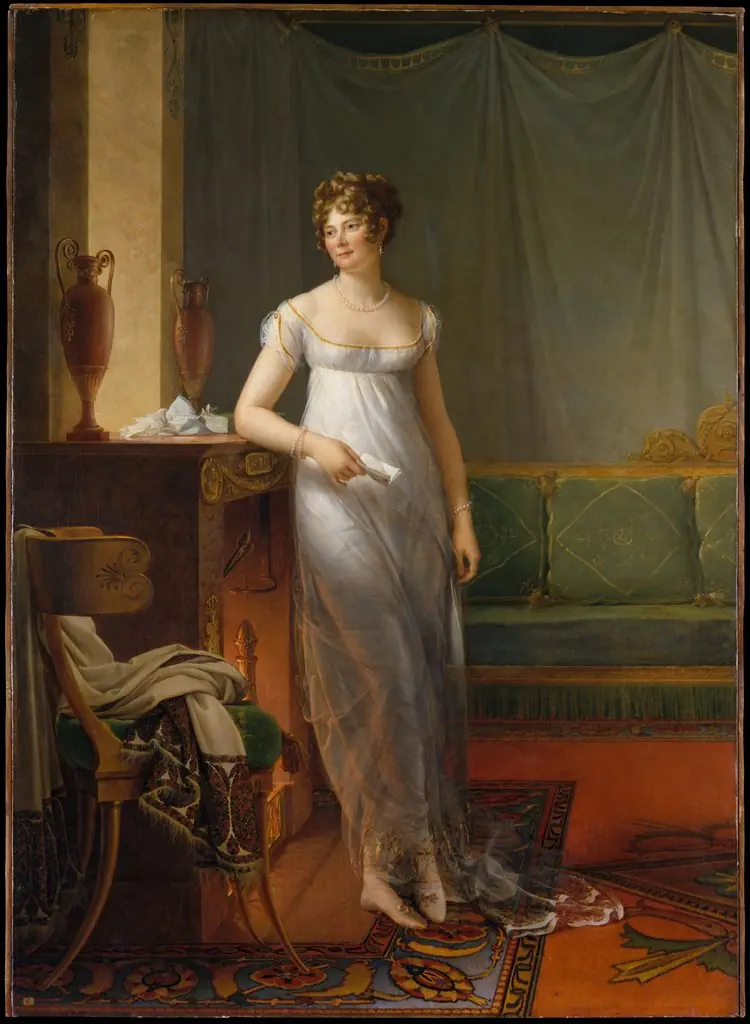 Madame Charles Maurice de Talleyrand Périgord (1761–1835)
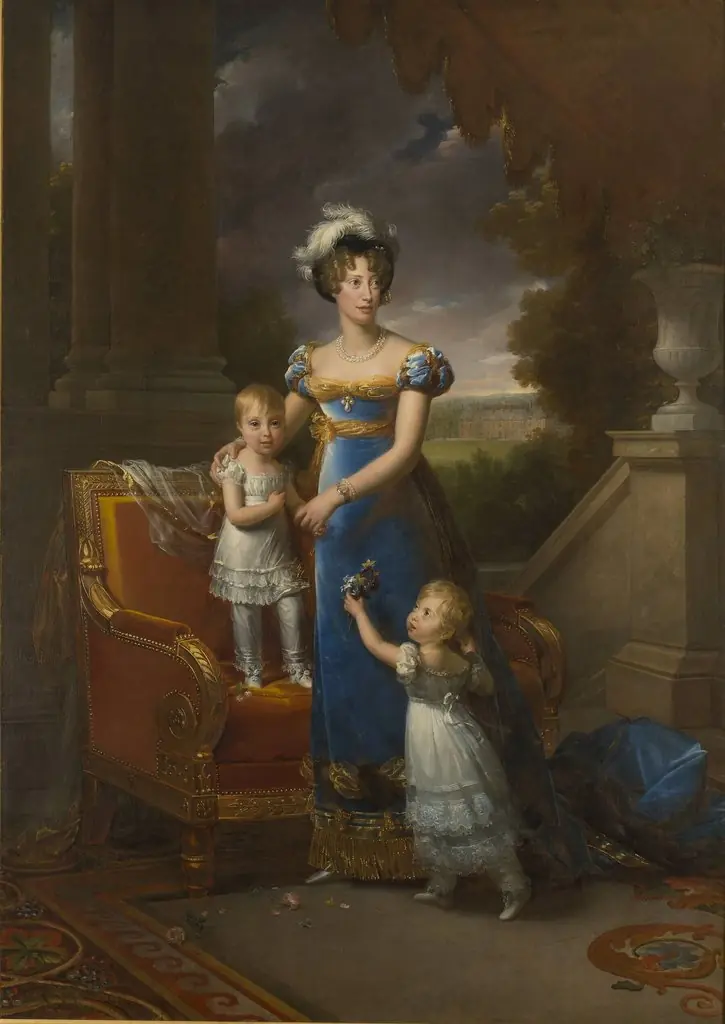 The Duchess of Berry and her Children
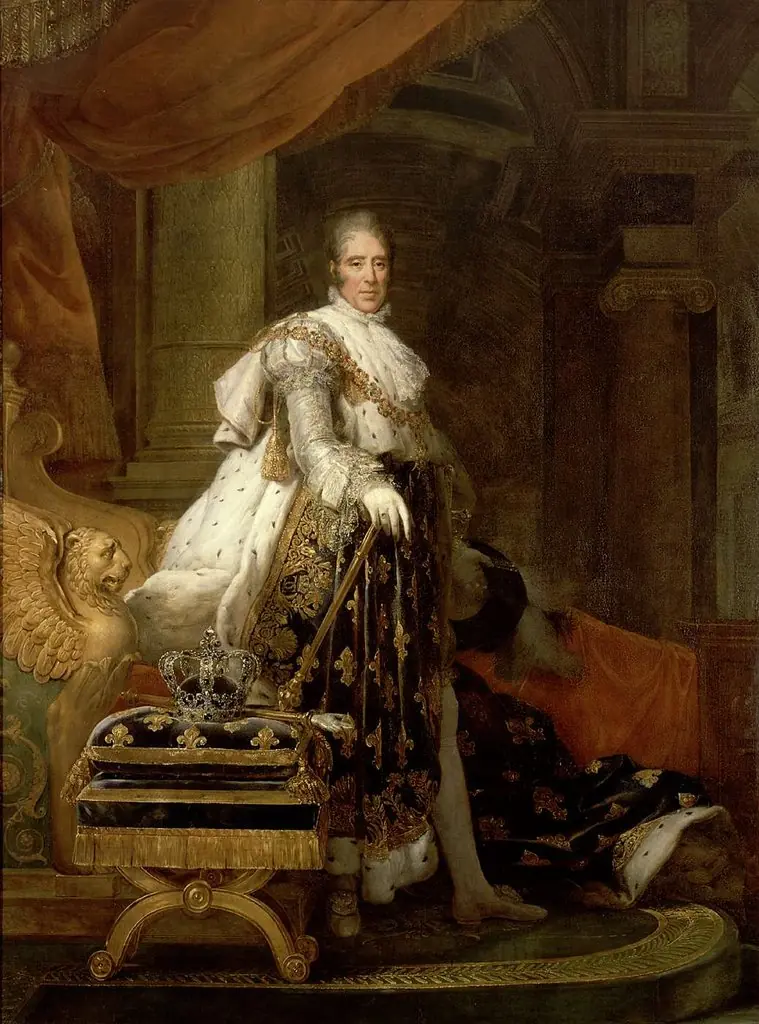 Charles X of France
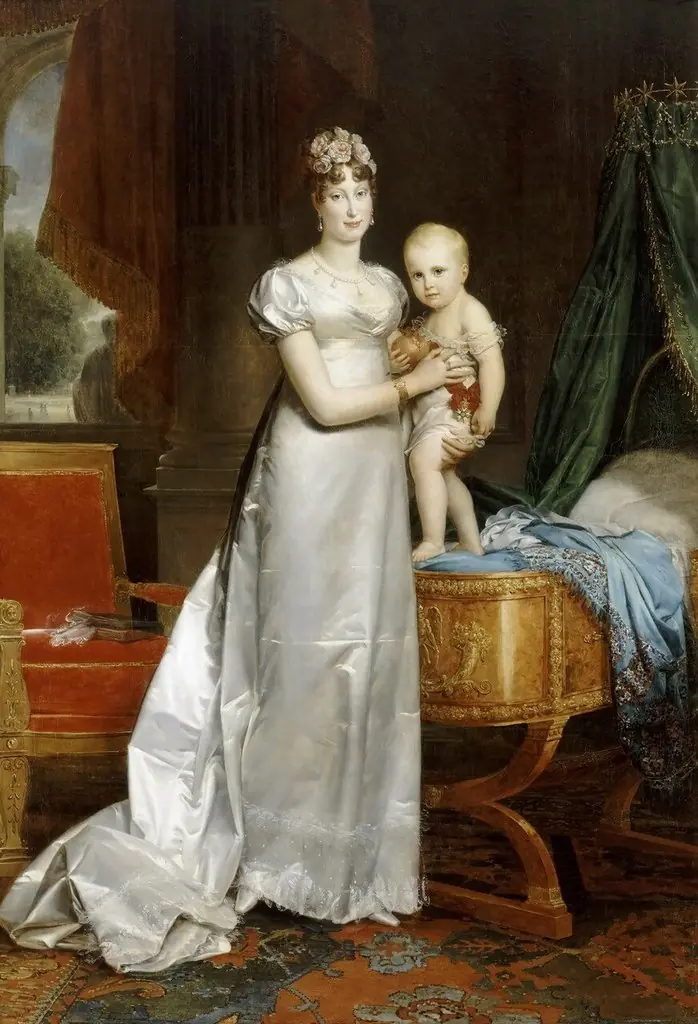 Marie-Louise, Empress of the French, and the Roi de Rome
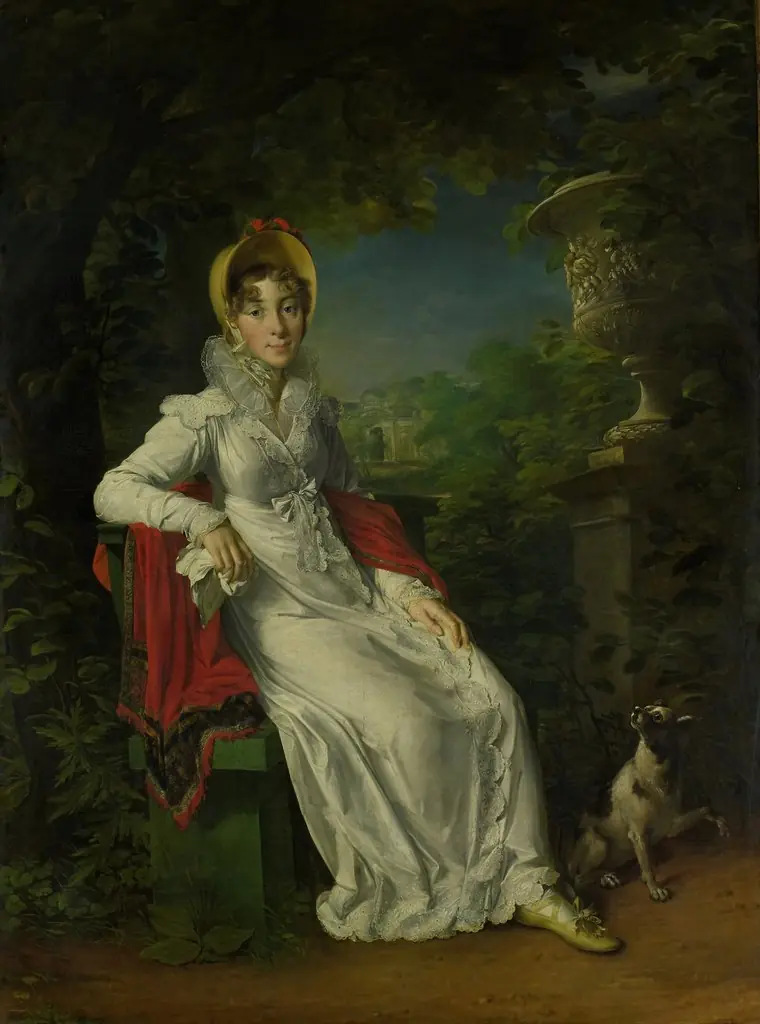 Portrait of Marie Caroline Ferdinande Louise de Naples, Wife of Charles Ferdinand, Duke de Berry, in the Park de Bagatelle in the Bois de Boulogne, Paris
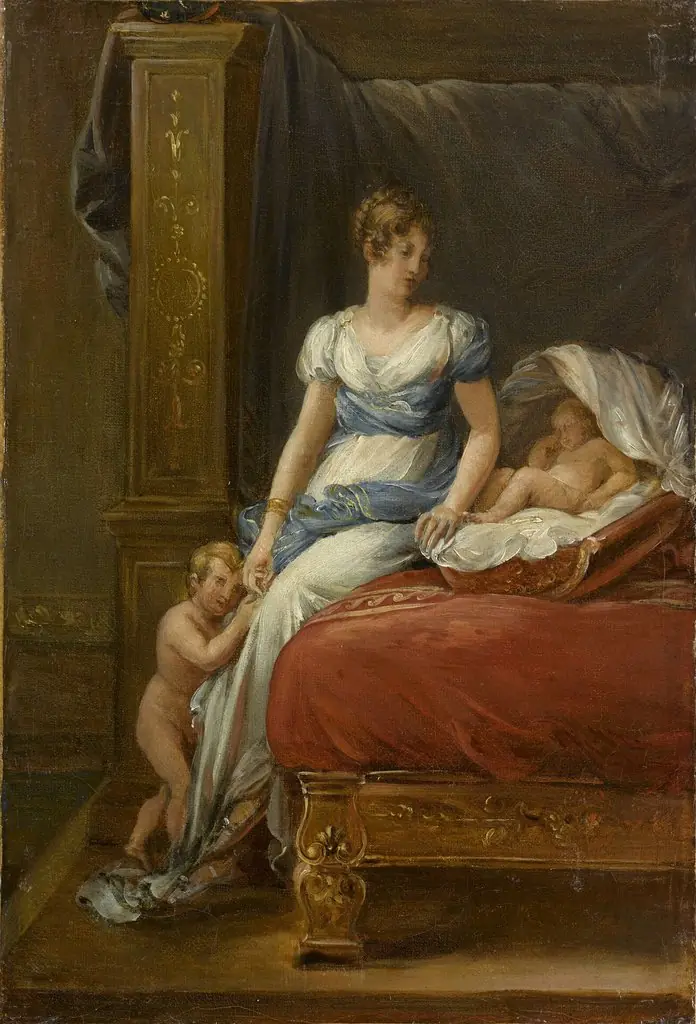 Marie-Annunciade-Caroline Bonaparte, Queen of Naples and her children
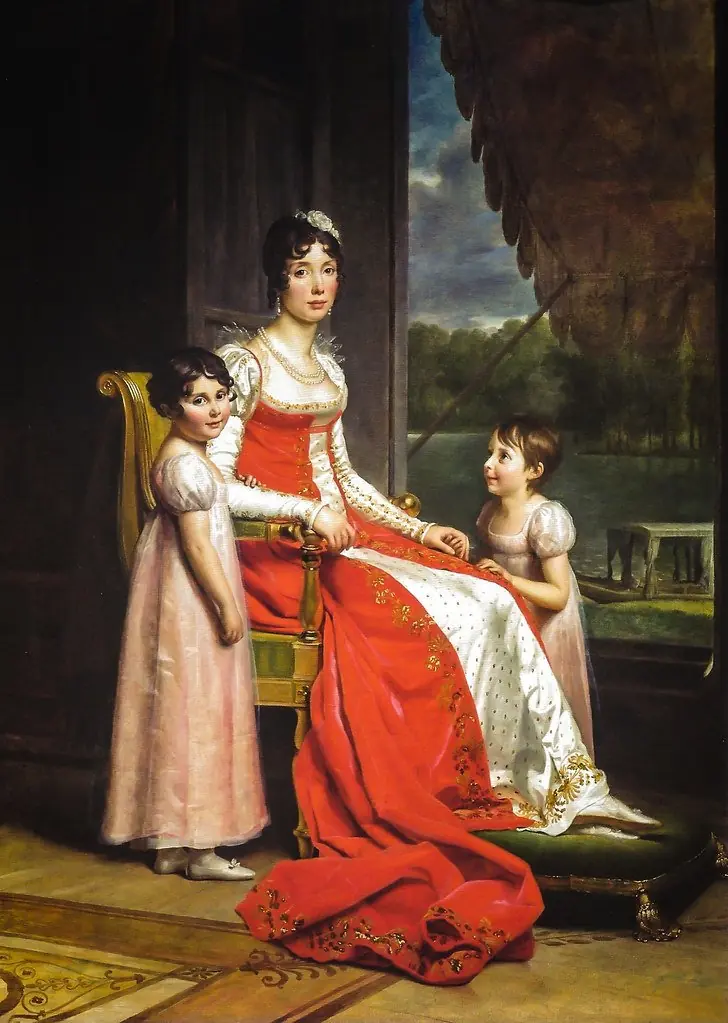 Julie Bonaparte as Queen of Spain with her Daughters, Zénaïde and Charlotte
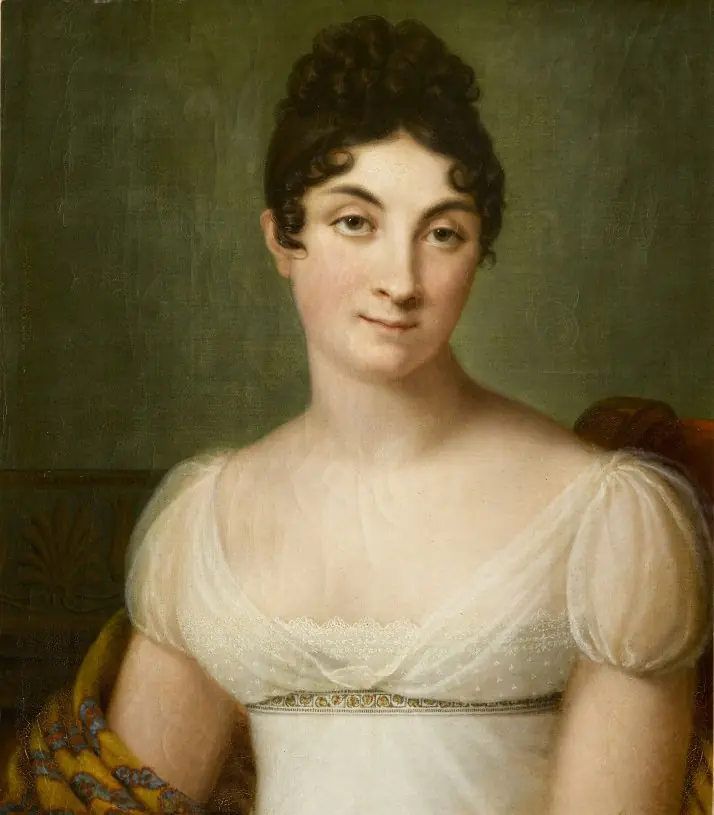 Portrait de Claire Élisabeth de Vergennes, Comtesse de Rémusat
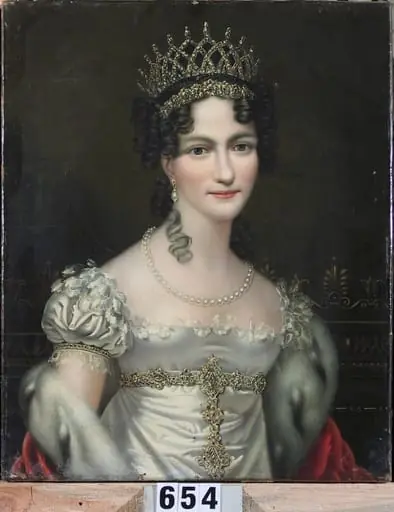 Carolina Augusta, soția împăratului austriac Franz I
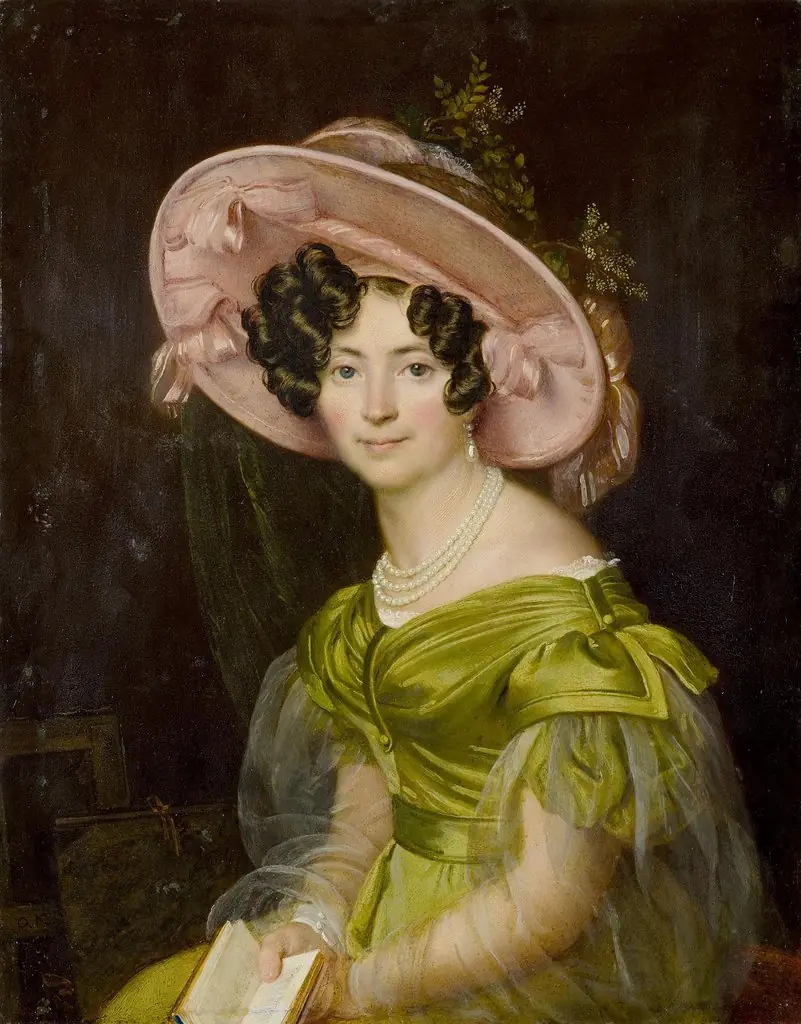 Portrait of Zinaida Volkonskaya
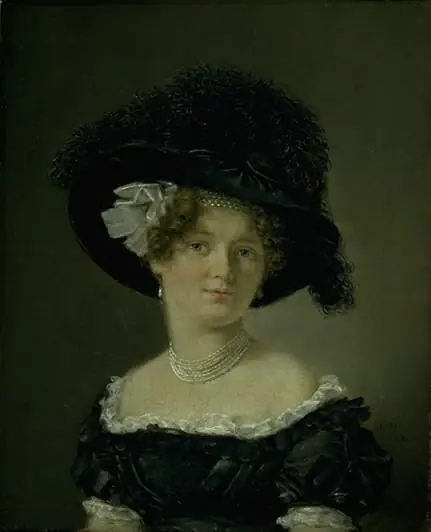 Mathilde Theresia von Irgens-Bergh, née Holsten, Wife of Mathias Friis von Irgens-Bergh
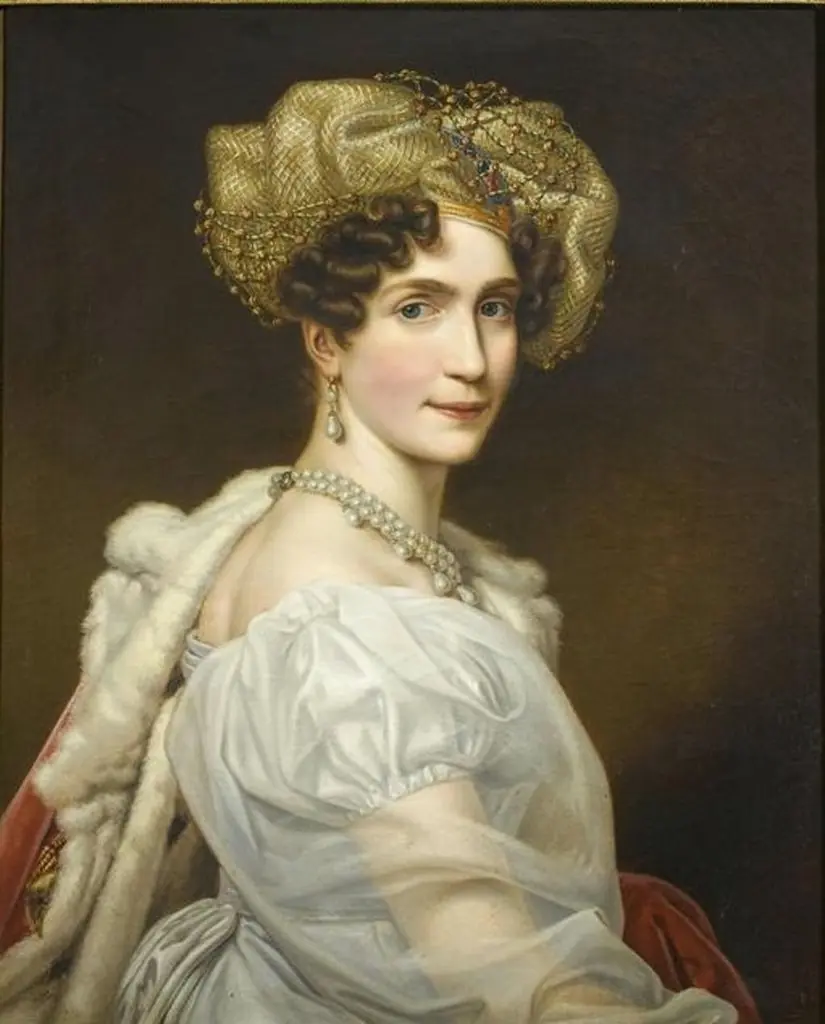 Augusta of Bavaria, Duchess of Leuchtenberg
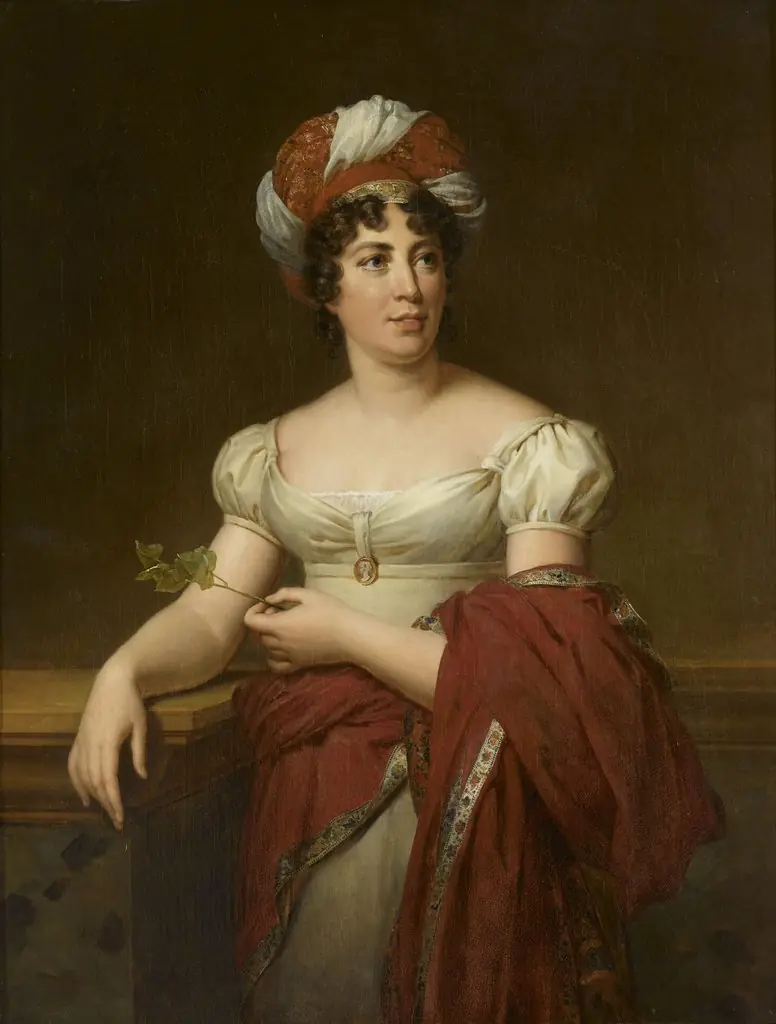 Portrait of Mme de Staël
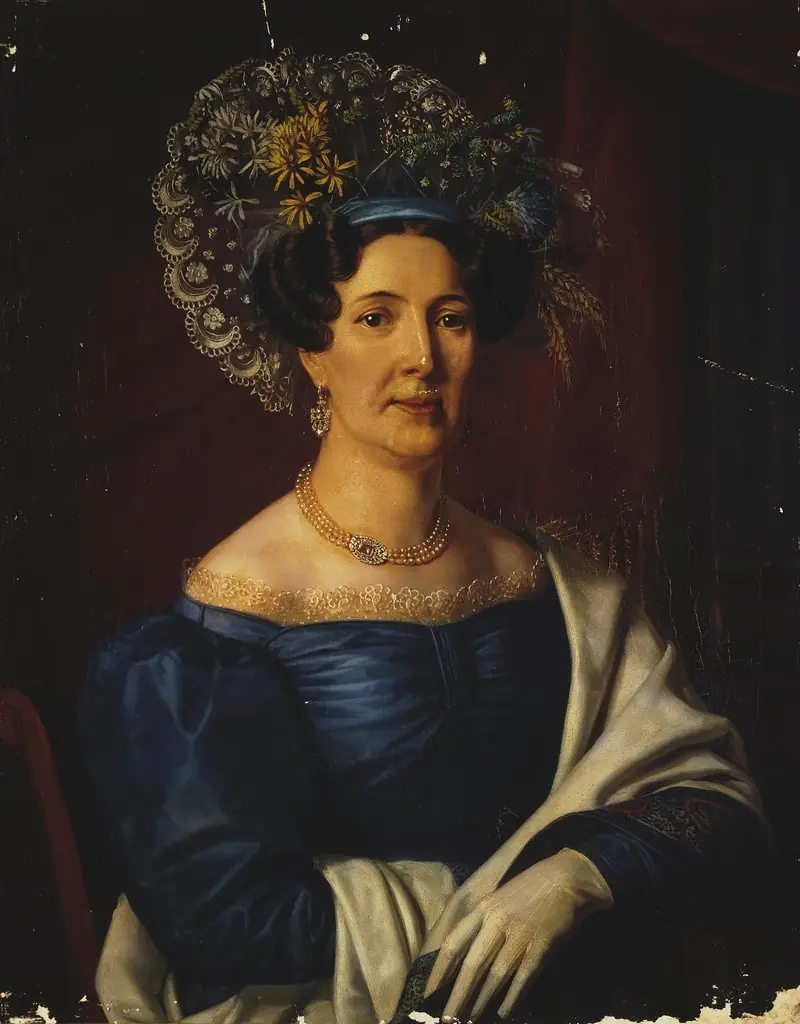 Portrait of Anna Babkina
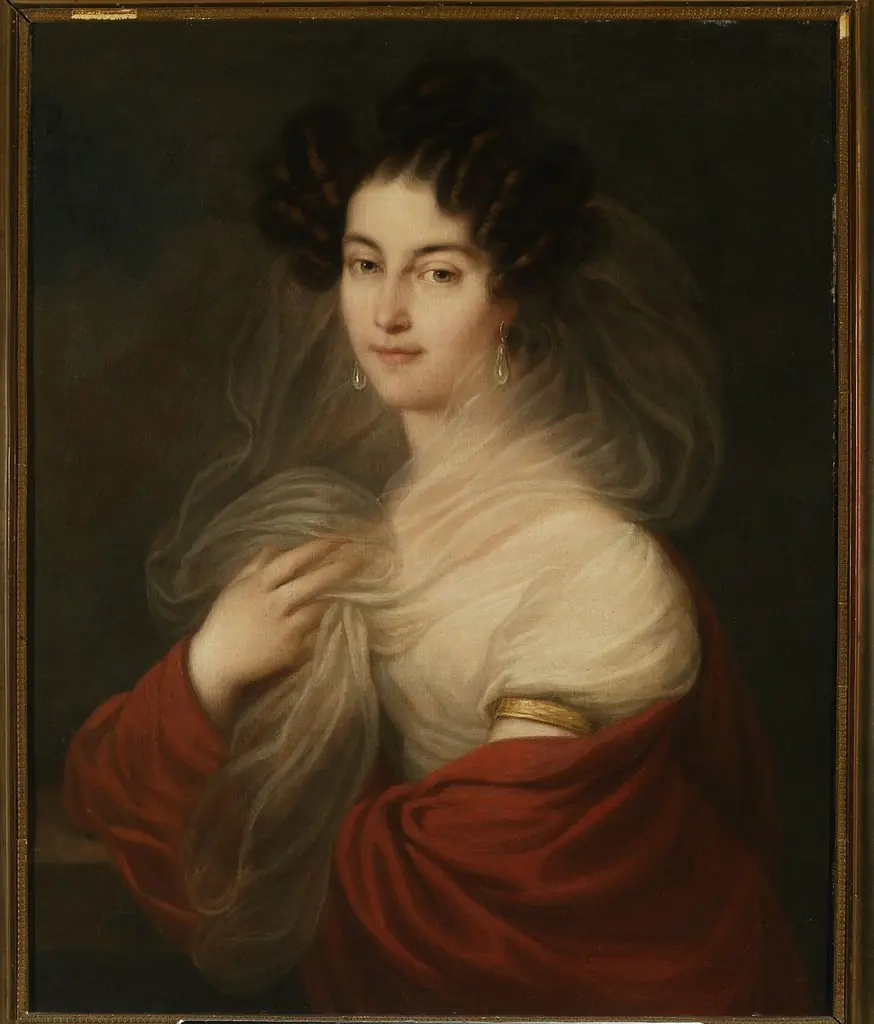 Portrait of Celina Radziwiłł née Sulistrowska (1805–1836)
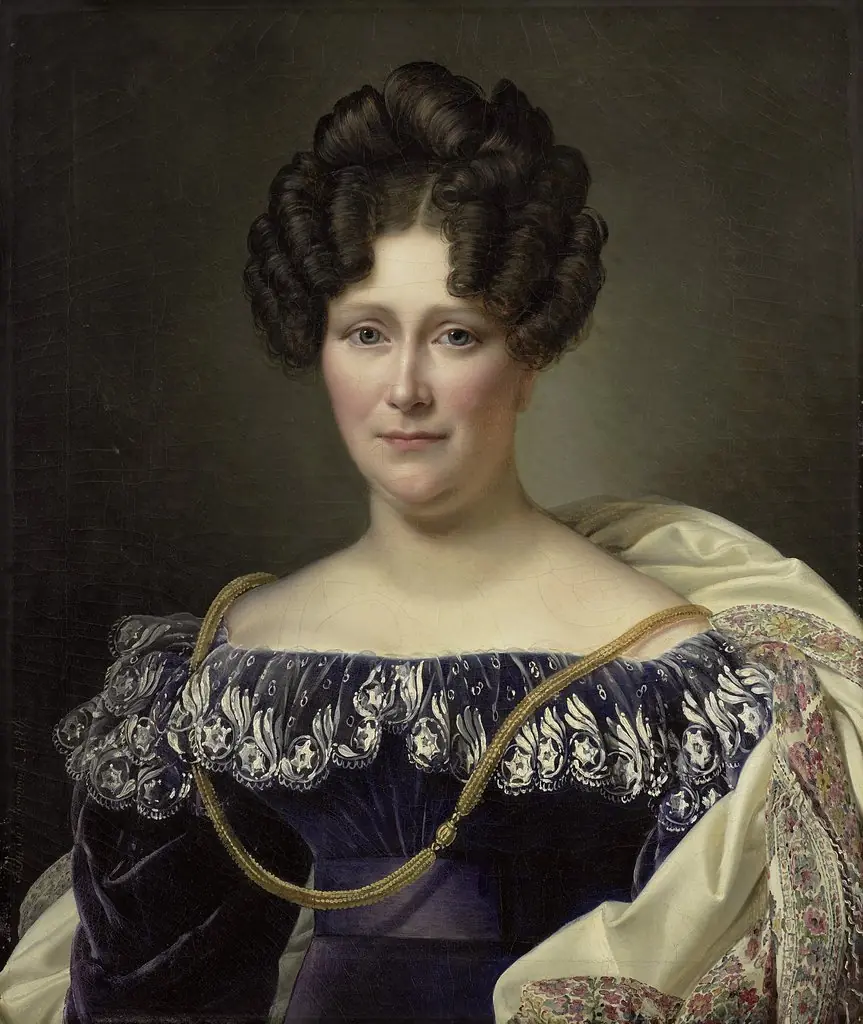 Portrait of Johanna Henriette Engelen, second Wife of Daniel Francis Schas
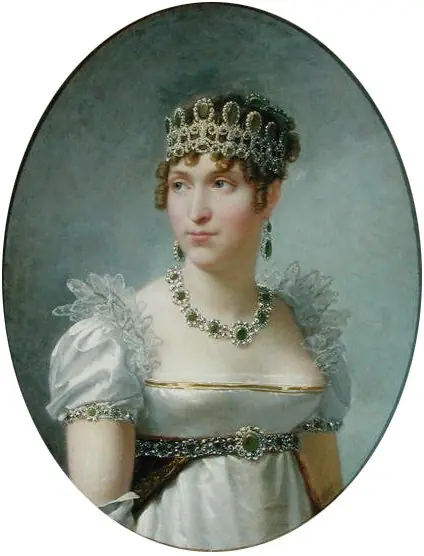 Hortense de Beauharnais, Queen of Holland
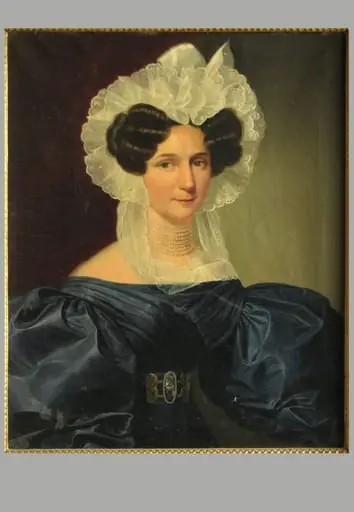 Maria Streidlin (în registrul inventar: Portret de femeie). Pandant: Portret de bărbat
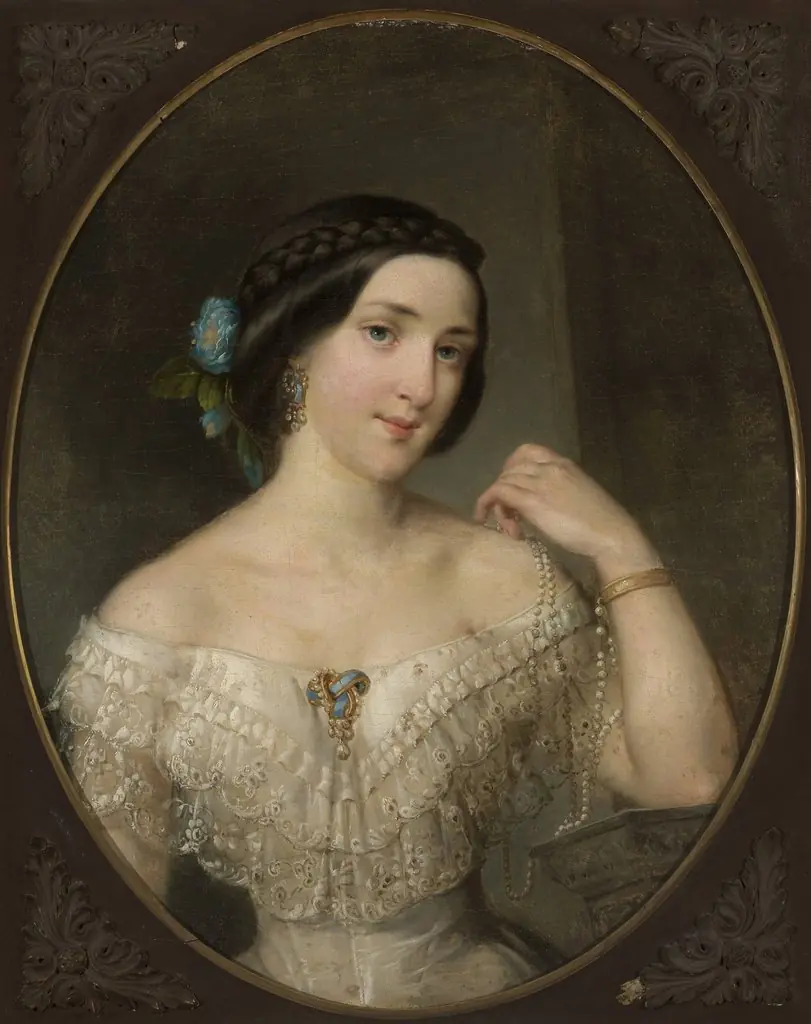 Portrait of Maria Ludwika Blumenfeld née Kobyłecka