Artwork
Den pantsatte Bondedreng, II akt, 8. scene
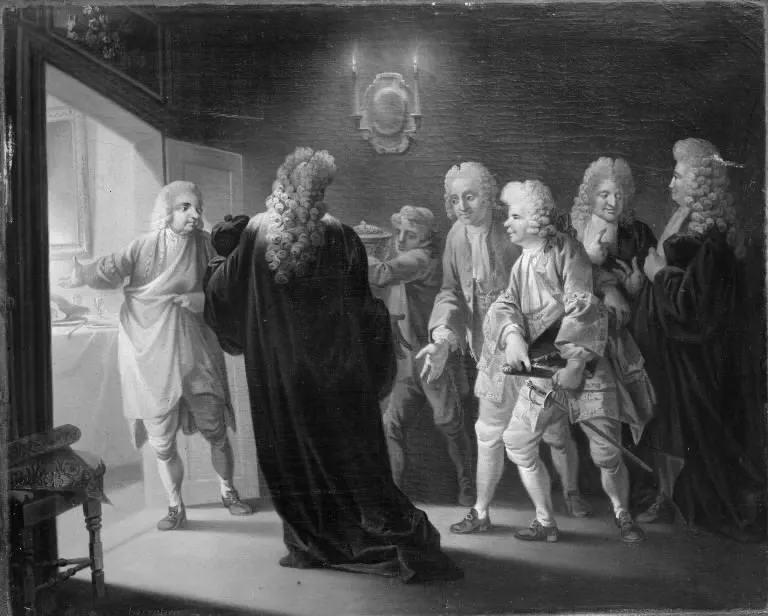
Den pantsatte Bondedreng, II akt, 8. scene is an oil painting by Christian August Lorentzen. It dates from 1813 and is held in the collection of the Statens Museum for Kunst.
About this work
Overview
Painted in 1813 by Christian August Lorentzen, this oil work depicts a scene from the second act, eighth scene of a Danish play. It is part of the permanent collection at Statens Museum for Kunst in Copenhagen. The composition centers on a solemn gathering of men in period attire, arranged around a figure in dark robes, suggesting a moment of legal or moral judgment within a domestic interior.
Subject & Meaning
The scene portrays a rural laborer, dressed in peasant clothing, being addressed by a group of townsmen in formal 18th-century dress. The central figure in dark robes may represent a magistrate or official. The gathering implies a moment of social confrontation, possibly a legal proceeding or moral reckoning, reflecting tensions between rural and urban classes in early 19th-century Denmark.
Technique & Style
Lorentzen employs chiaroscuro to define forms and direct attention toward the central figure, using sharp contrasts between light and shadow to model faces and fabrics. The lighting isolates the accused peasant, enhancing the psychological weight of the moment. The room’s mirror and table suggest realism, grounding the scene in a tangible, everyday space rather than an idealized setting.
History & Provenance
Created in 1813, the painting was acquired by the Danish state and has remained in the collection of Statens Museum for Kunst since its founding. It was likely produced during a period when Danish artists were turning toward national themes and contemporary social narratives, moving away from mythological or historical subjects common in earlier decades.
Context
This work emerged during a time of cultural introspection in Denmark, following the loss of Norway and economic hardship after the Napoleonic Wars. Artists like Lorentzen began documenting ordinary Danish life and social hierarchies. The painting reflects a broader interest in civic morality and class dynamics, aligning with emerging national identity through visual storytelling.
Legacy
While not widely exhibited outside Denmark, the painting is recognized as an early example of social realism in Danish art. It influenced later generations of artists who sought to portray everyday life with psychological nuance. Lorentzen’s use of domestic interiors and ordinary figures helped pave the way for the Danish Golden Age’s focus on intimate, truthful scenes.
Artist & collection
Artist
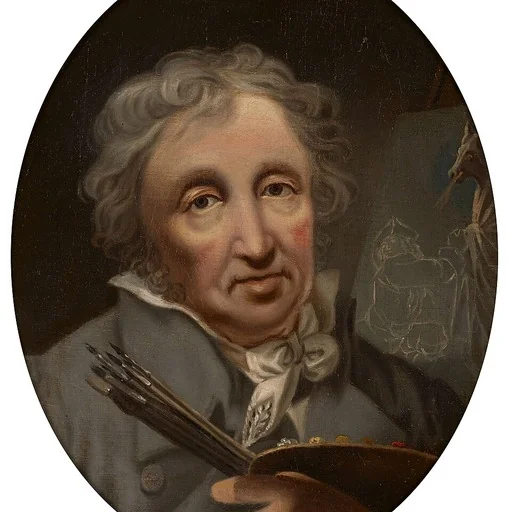
Christian August Lorentzen (1749–1828) was an artist, born in Sønderborg.

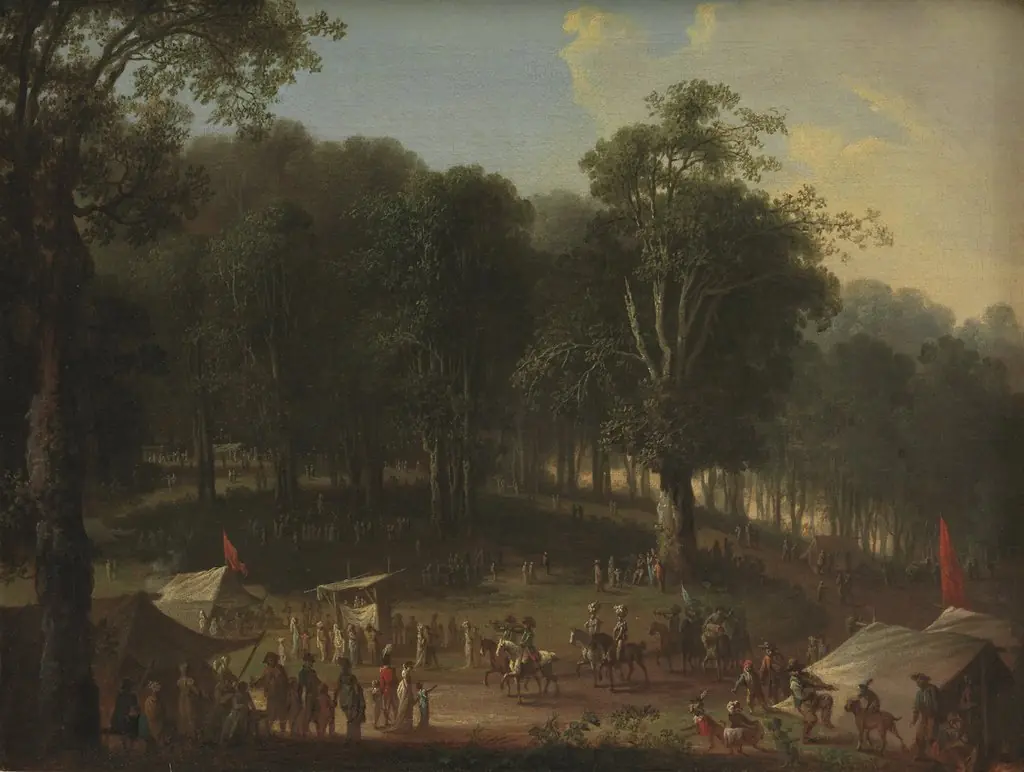 A Troup of Performers Arriving at the Fair at Dyrehavsbakken Near the Deer Park, North of Copenhagen
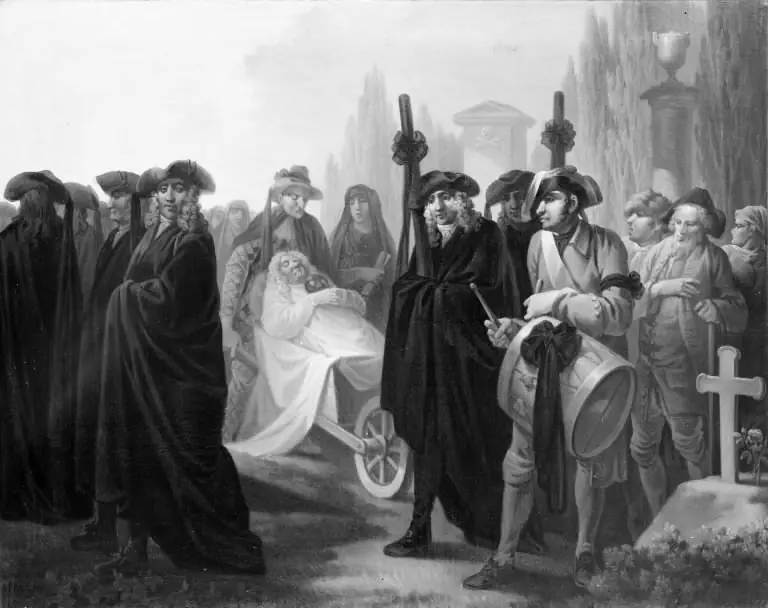 Den danske Comedies Ligbegængelse, 5. scene
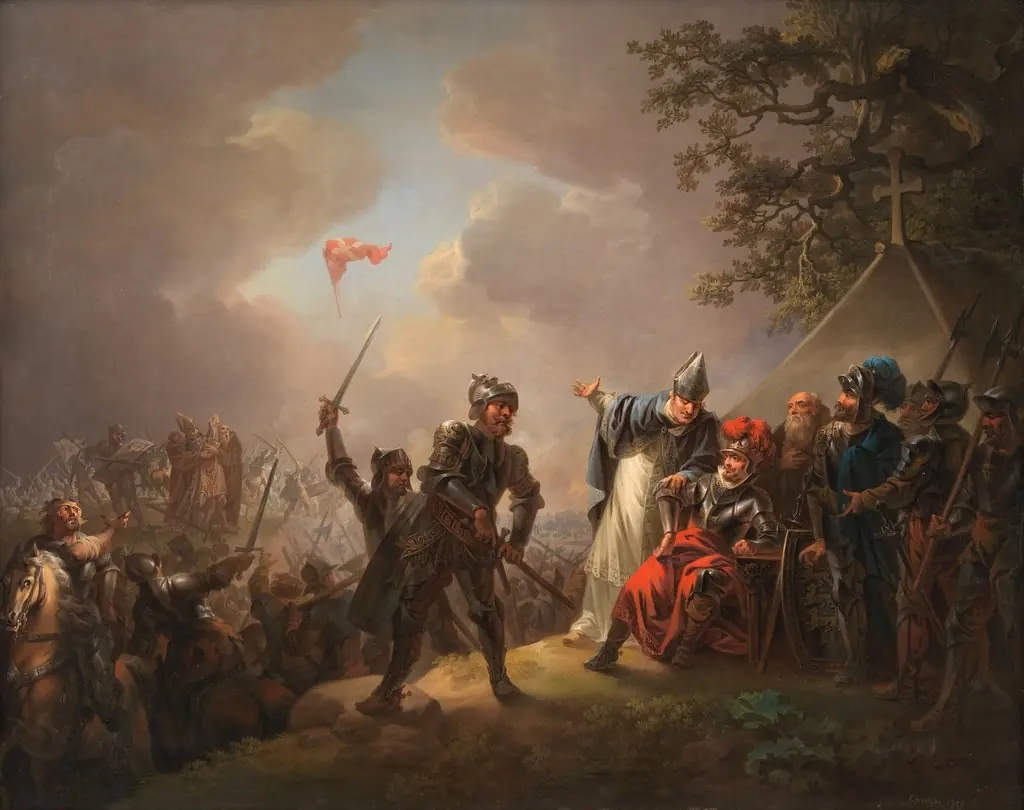 The Legend of the Danish Flag (the Dannebrog) Falling from the Heavens during the Battle of Lyndanise in Estonia in 1219
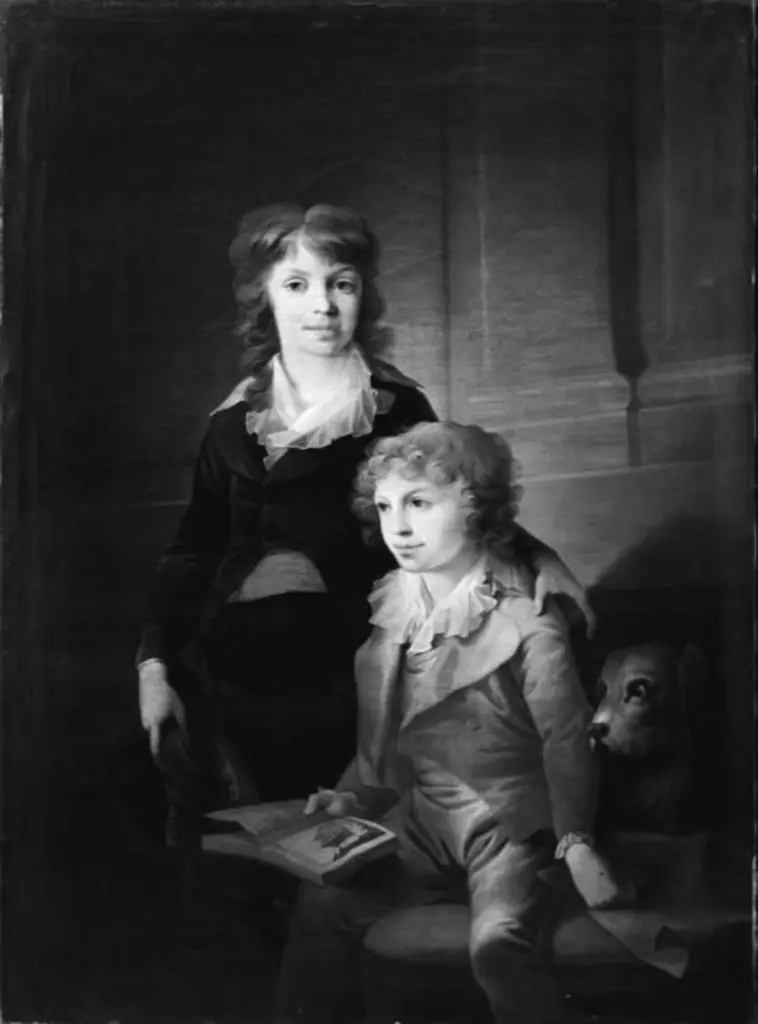 To ynglinge med en hund
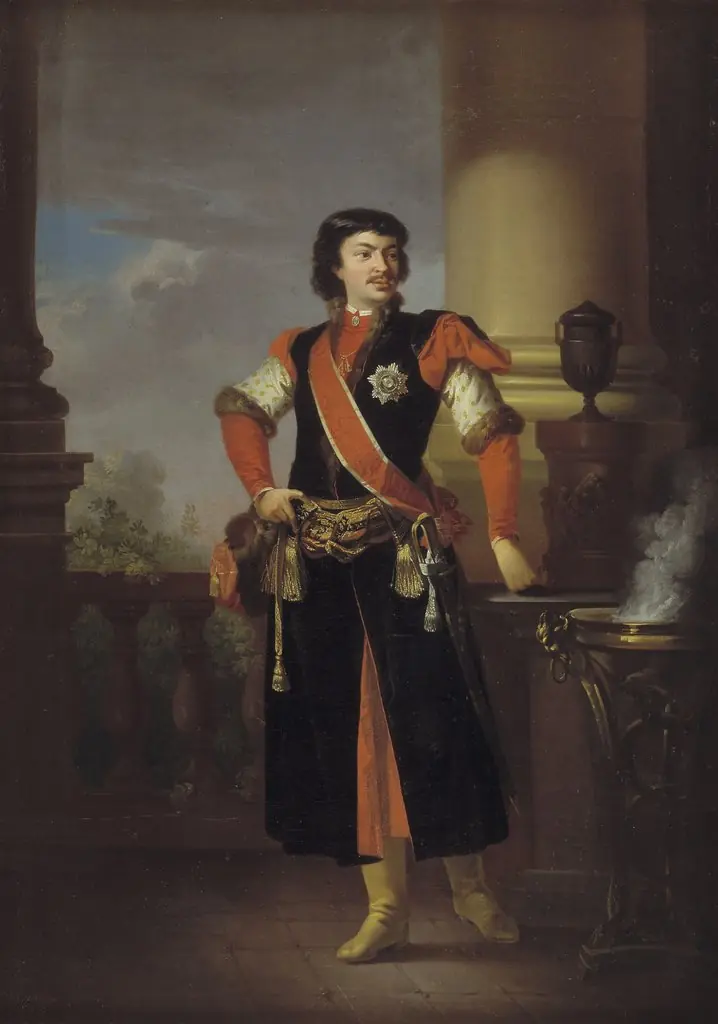 Portrait of Count Rzewuski, Polish Ambassador to Denmark
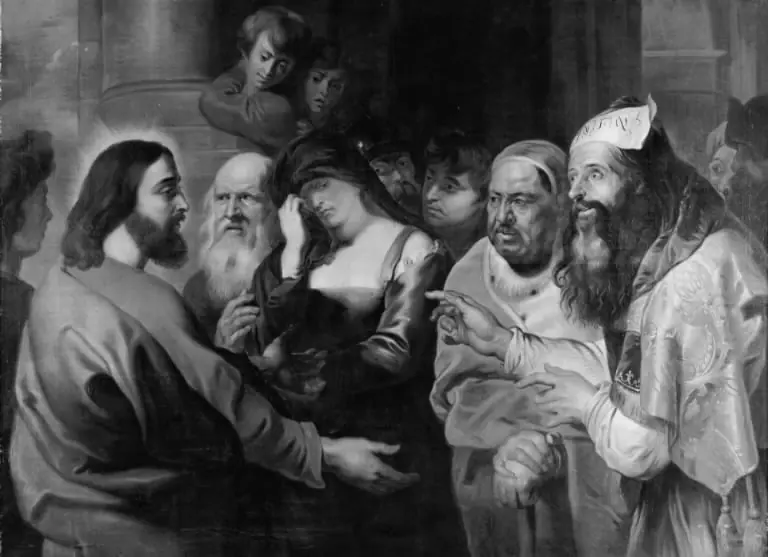 Kristus og synderinden
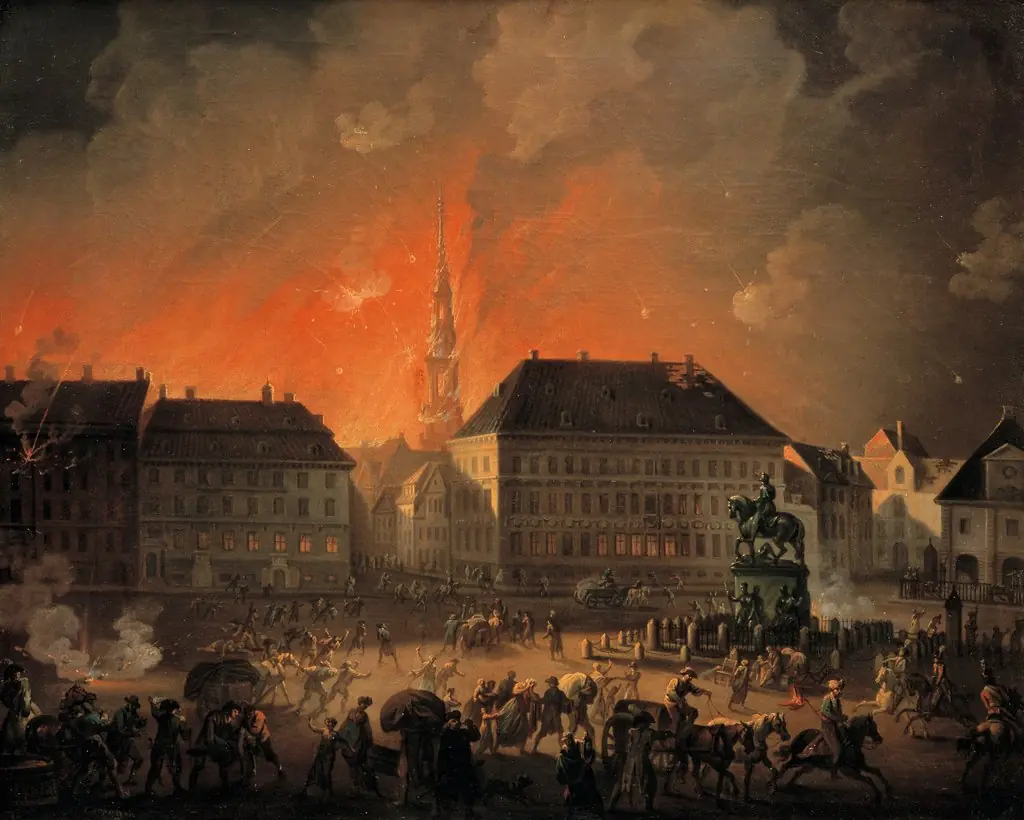 The Most Terrible Night. View of Kongens Nytorv in Copenhagen During the English Bombardement of Copenhagen at Night between 4 and 5 September 1807
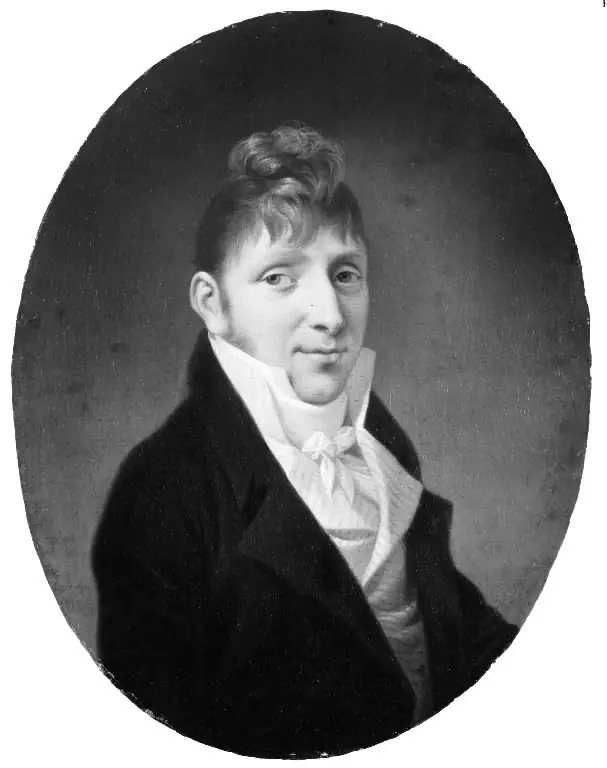 Mandsportræt
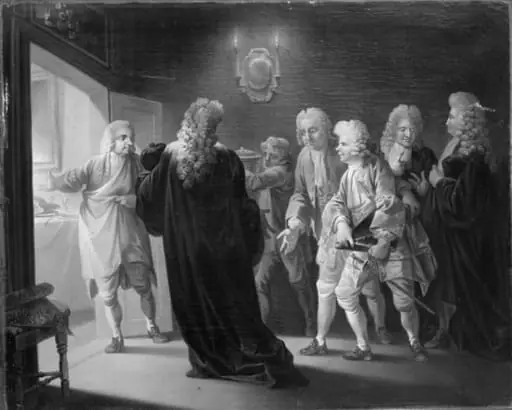 Den pantsatte Bondedreng, II akt, 8. scene
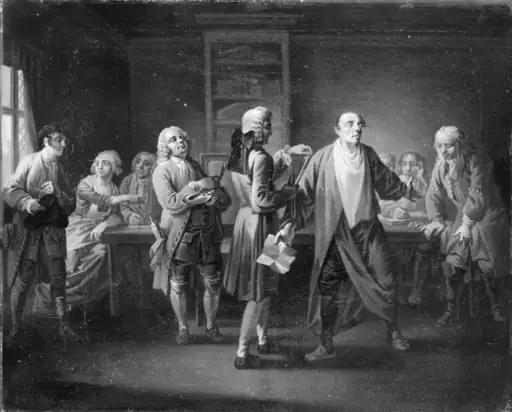 Den Stundesløse, I akt, 6. scene
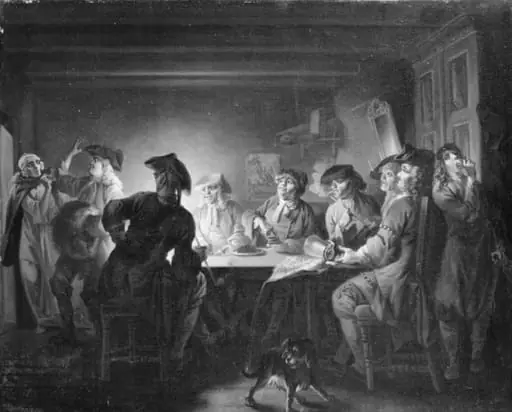 Den politiske Kandestøber, II akt, 2. scene
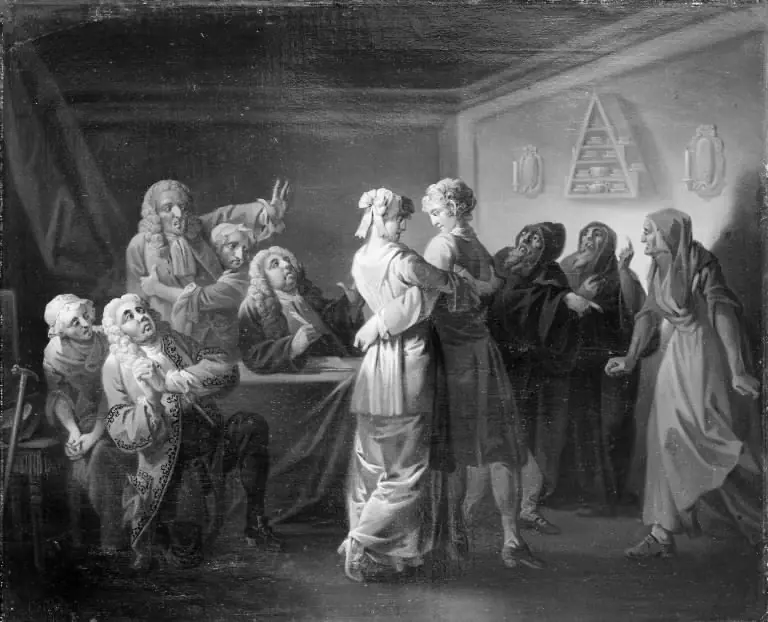 Pernilles korte Frøkenstand, III akt, 7. scene
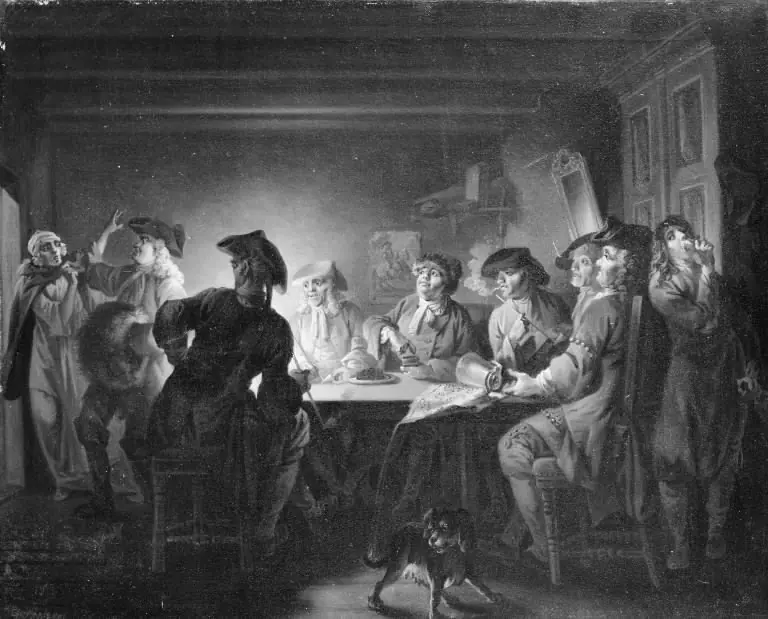 Den politiske Kandestøber, II akt, 2. scene
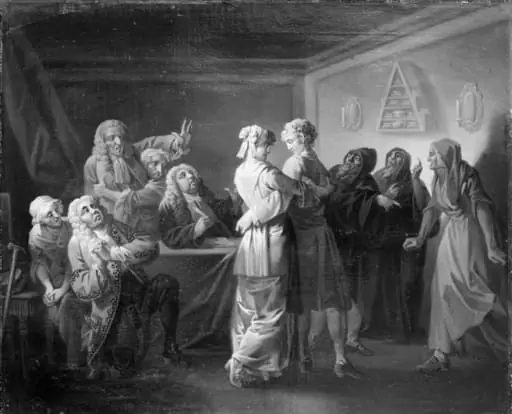 Pernilles korte Frøkenstand, III akt, 7. scene
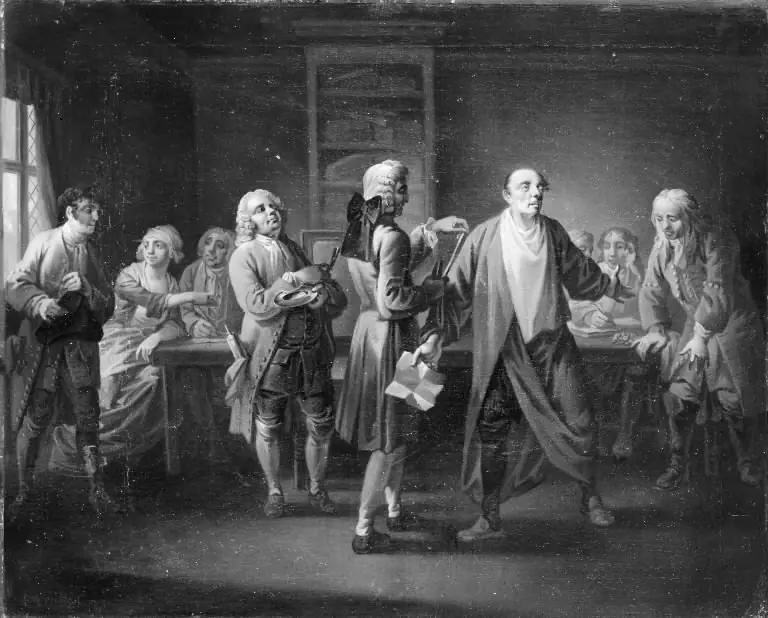 Den Stundesløse, I akt, 6. scene
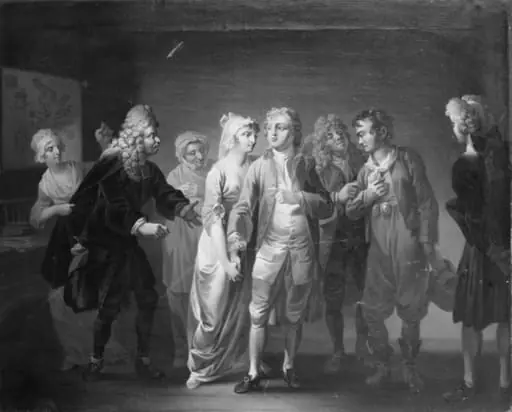 Det lykkelige Skibbrud, IV akt, 6. scene
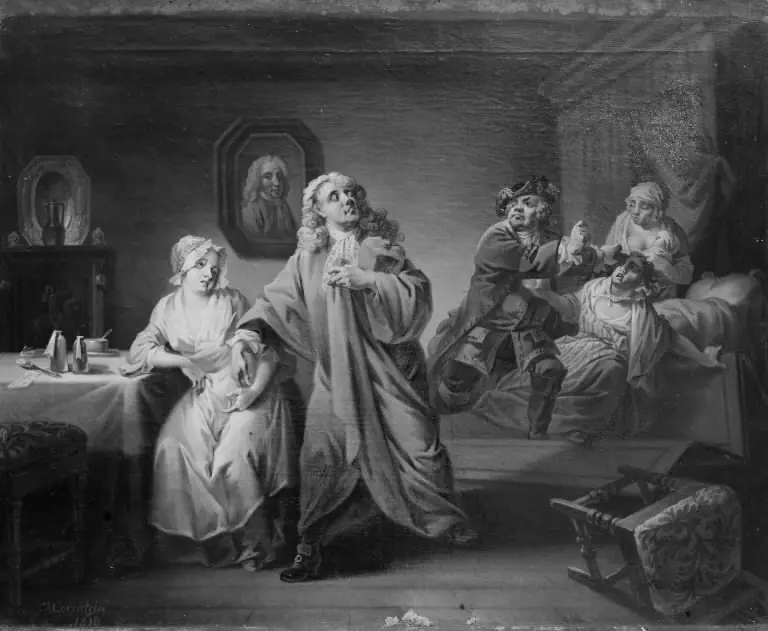 Barselstuen, III akt, 6. scene