Artwork
Aussicht auf die Stadt Oppenheim
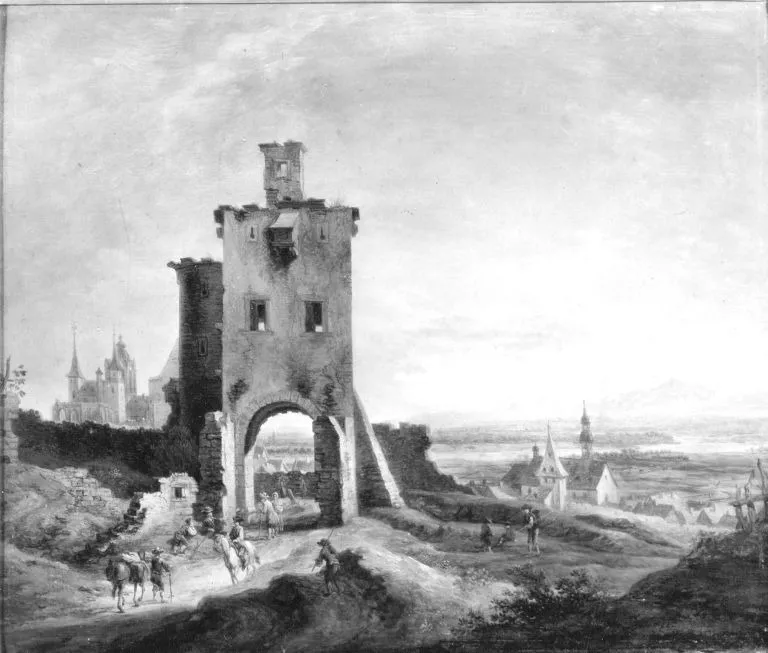
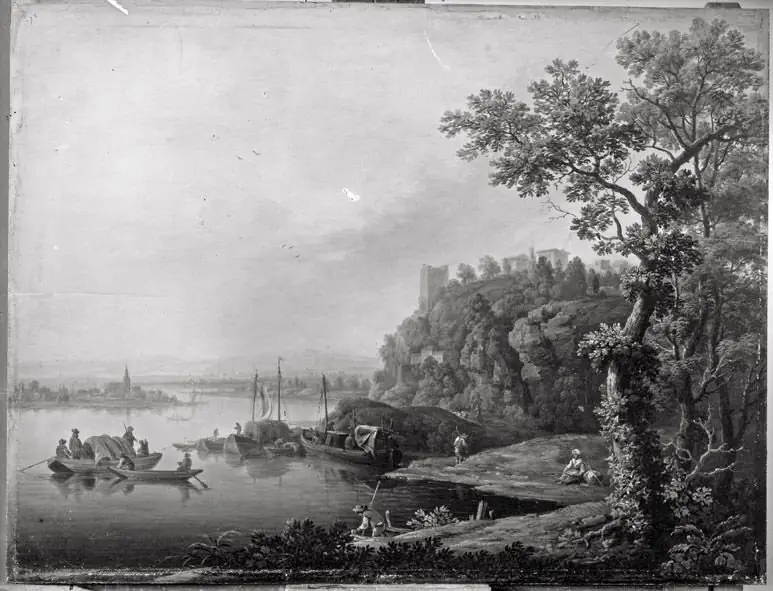
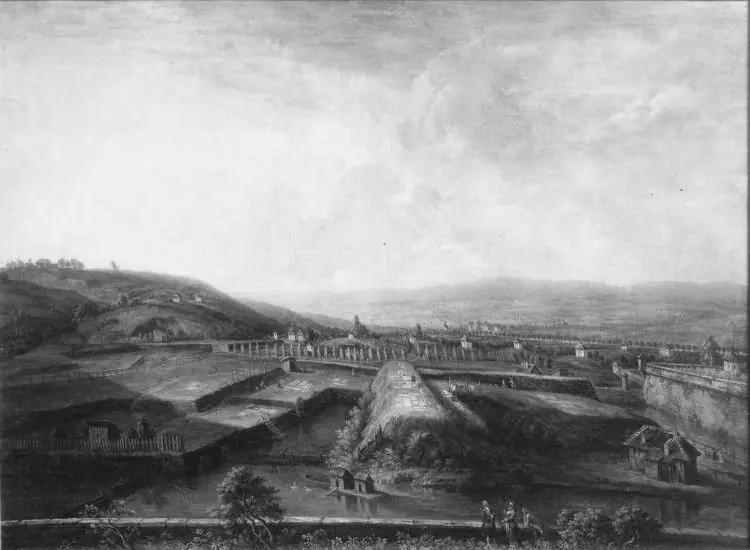
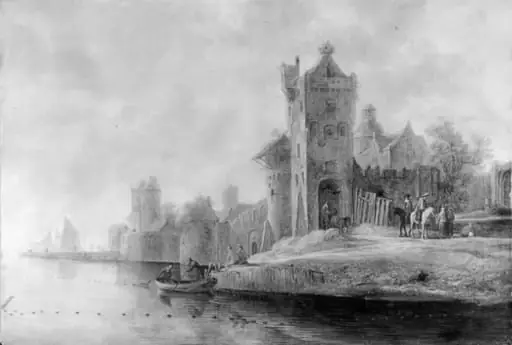
Aussicht auf die Stadt Oppenheim is an unspecified painting by the Rococo painting artist Christian Georg Schütz. It dates from 1754 and is held in the collection of the Bavarian State Painting Collections.
About this work
Overview
Figures in the foreground suggest daily life, while distant buildings and water extend the scene into a hazy horizon.
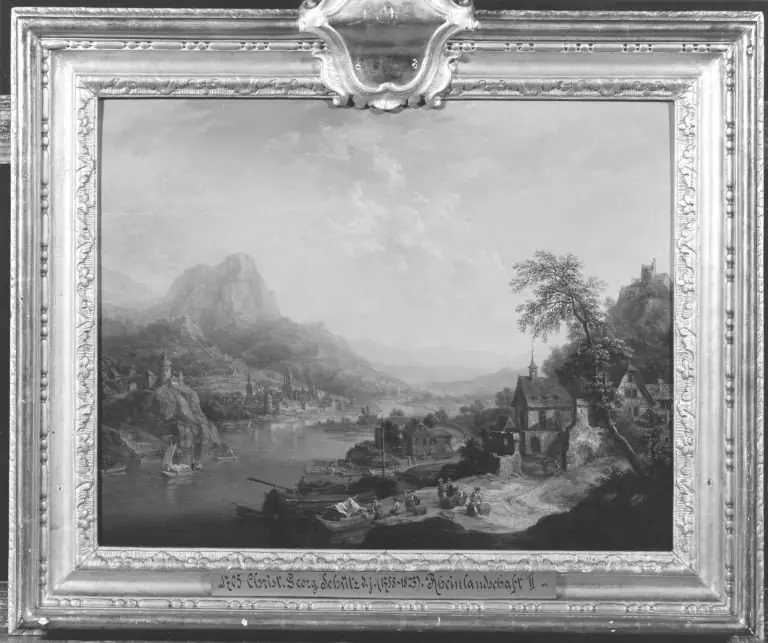
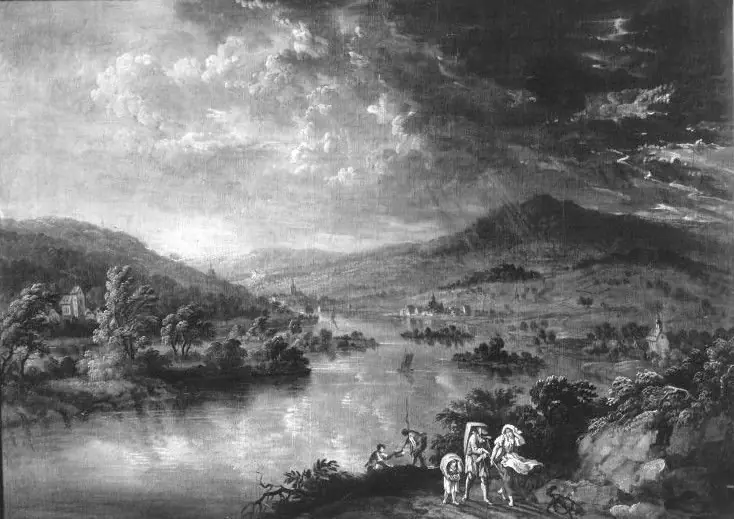
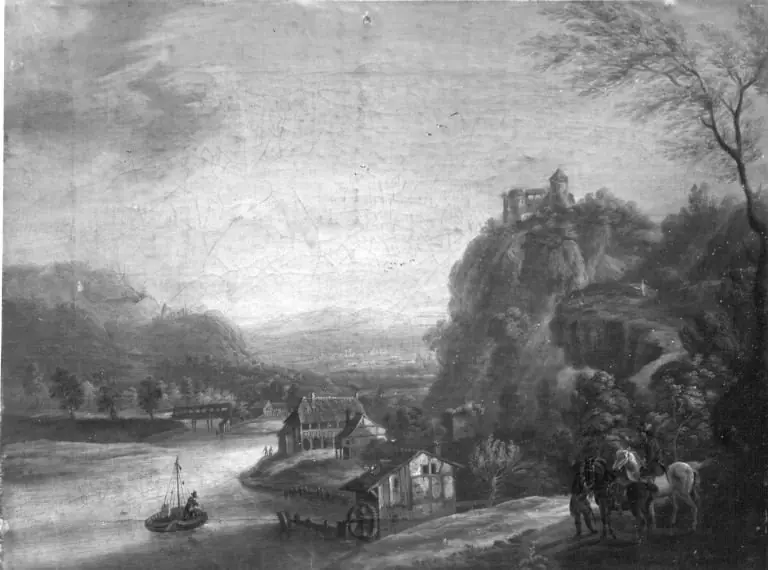
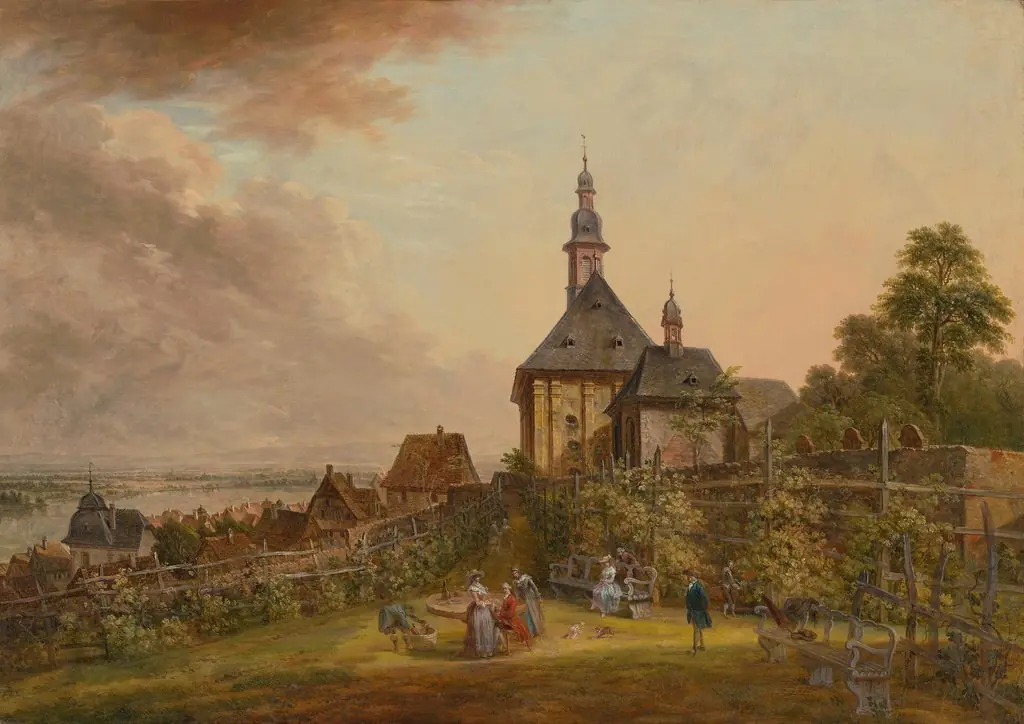
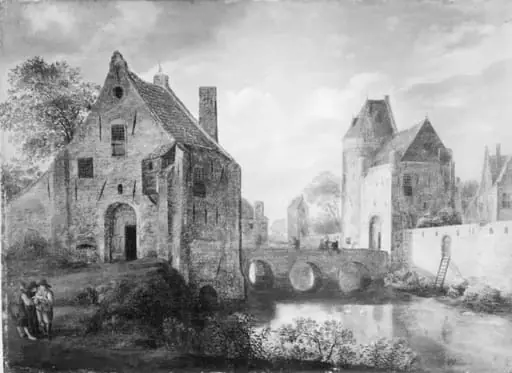
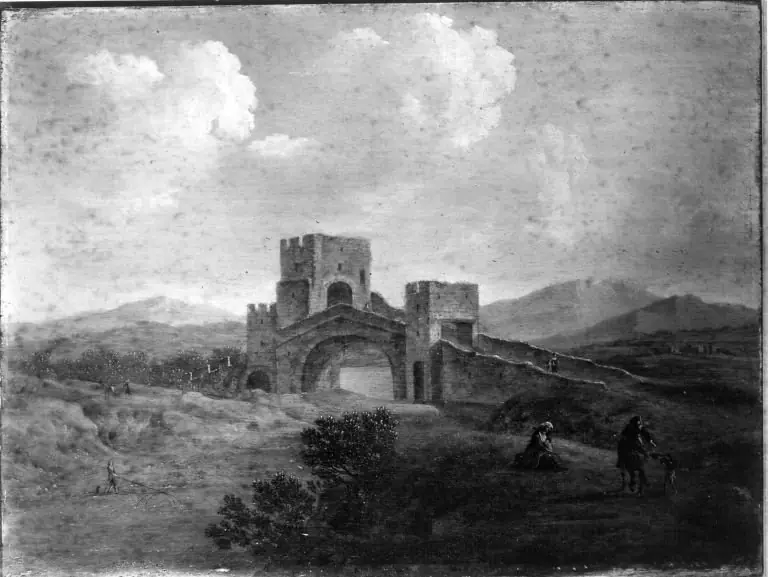
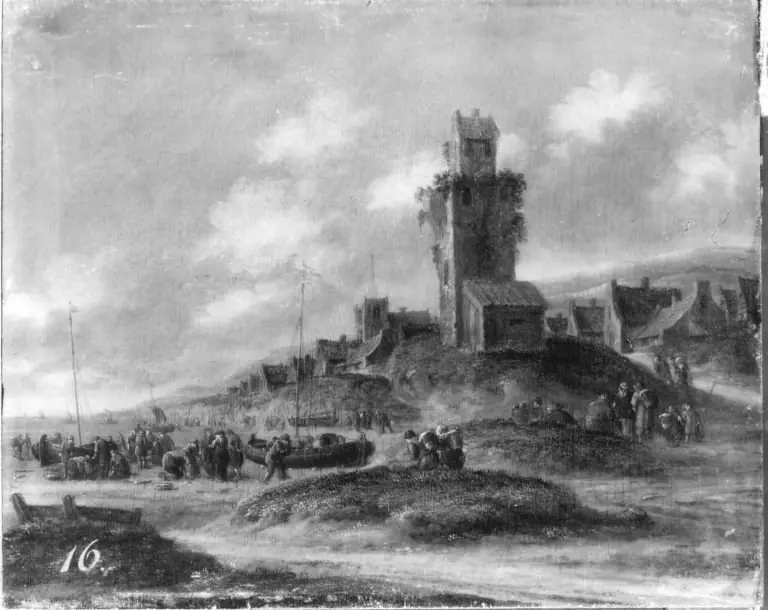
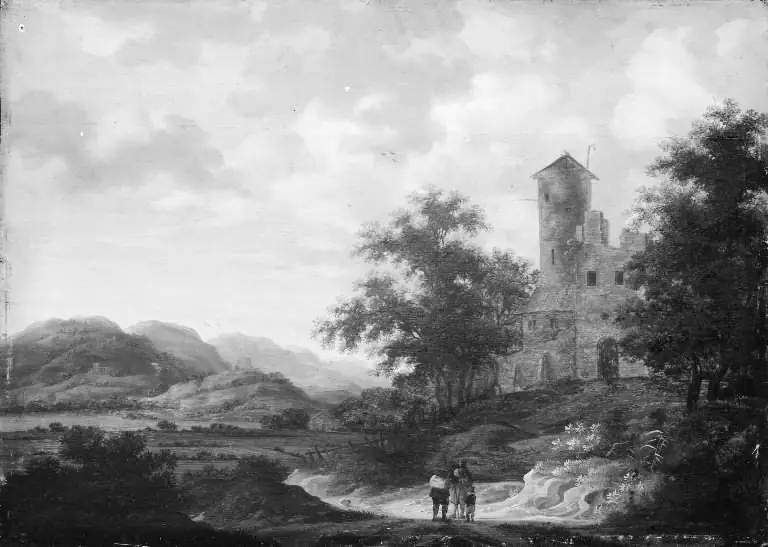
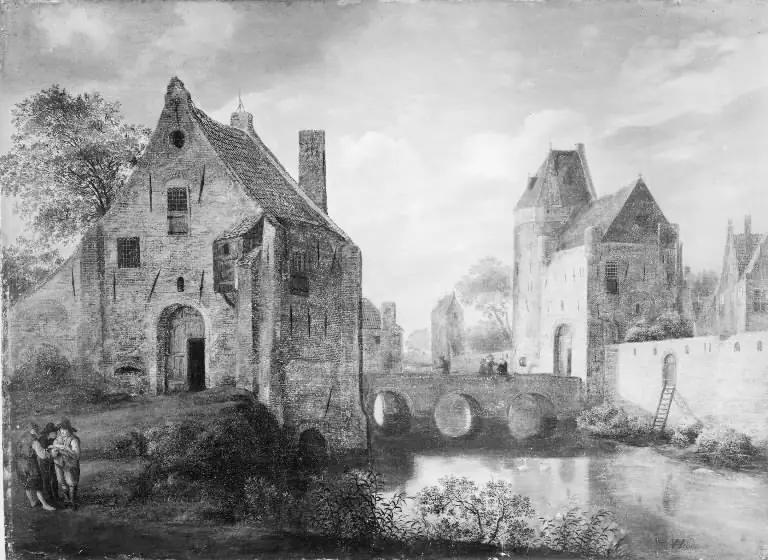
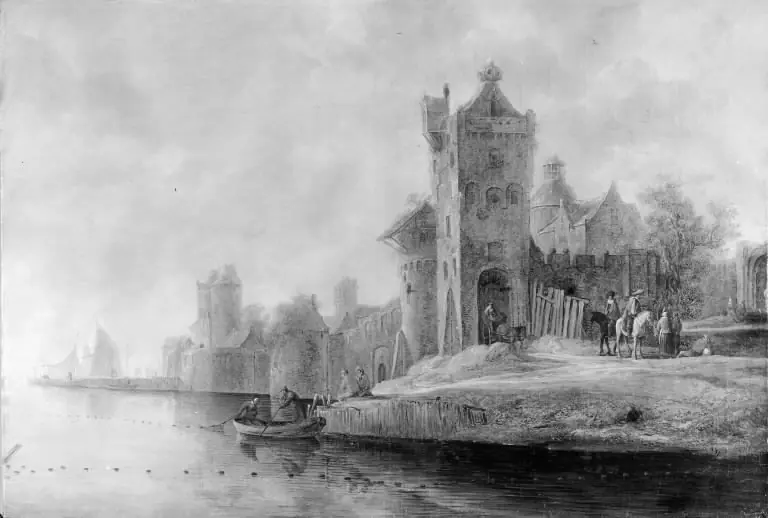
Painted in 1754 by Christian Georg Schütz, this landscape view captures the town of Oppenheim along the Rhine. The composition centers on a weathered stone tower, its arches and windows rendered with careful precision. Figures in the foreground suggest daily life, while distant buildings and water extend the scene into a hazy horizon. The work exemplifies 18th-century topographical painting, balancing observation with atmospheric tone.
Subject & Meaning
The crumbling tower anchors the scene as both a physical landmark and a symbol of time’s passage. Its presence amid modest dwellings and quiet figures evokes a sense of continuity between past and present. The painting does not idealize the town but records its tangible, lived-in character—emphasizing endurance over grandeur. The inclusion of pedestrians grounds the view in human experience rather than pure spectacle.
Technique & Style
Schütz employs subtle gradations of light to model the tower’s stonework, enhancing its textured surface and three-dimensionality. The hazy sky and soft reflections on the water create atmospheric depth, while the foreground remains slightly muted to draw focus upward. Brushwork is precise yet unobtrusive, prioritizing clarity of form over dramatic flair. The palette is restrained, dominated by earth tones and pale skies.
History & Provenance
Created in 1754, the painting entered the collection of the Alte Pinakothek in Munich, where it remains today. Its preservation suggests it was valued as a regional record rather than a celebrated work during its time. No significant alterations or reattributions are documented, and its provenance traces steadily within institutional holdings since the 18th century.
Context
Schütz worked during a period when German artists increasingly turned to local landscapes and architecture as subjects worthy of careful depiction. Oppenheim, a historic town on the Rhine, was known for its fortified structures and trade connections. This painting reflects a broader trend of documenting regional identity through topographical accuracy, distinct from the idealized views common in Italianate traditions.
Legacy
Though Schütz is not widely known today, this work contributes to a quiet tradition of German topographical painting that valued observation over ornament. It serves as a visual archive of Oppenheim’s built environment in the mid-18th century. The painting’s enduring presence in a major museum underscores its role as a documentary record rather than a moment of artistic innovation.
Artist & collection
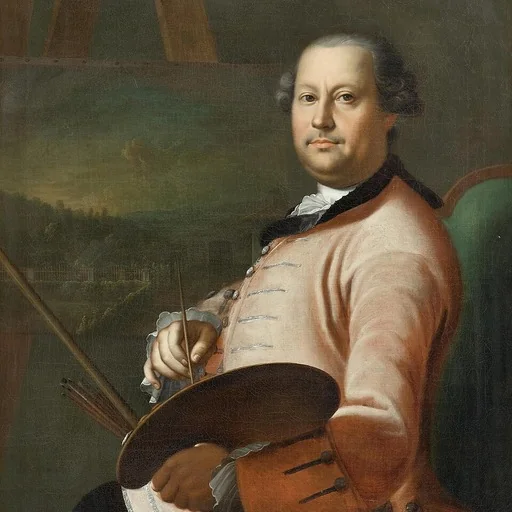
Artist
Christian Georg Schütz (1718–1791) was an artist, born in Flörsheim am Main.