Artwork
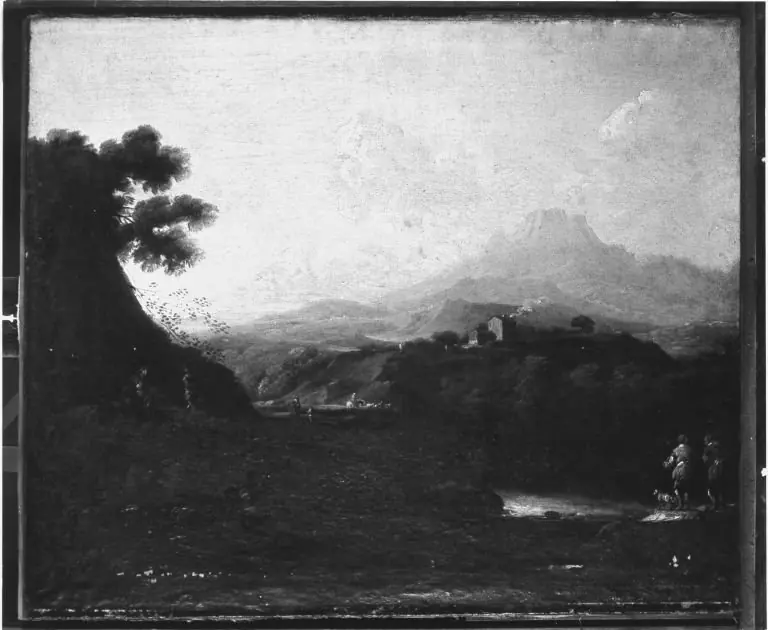
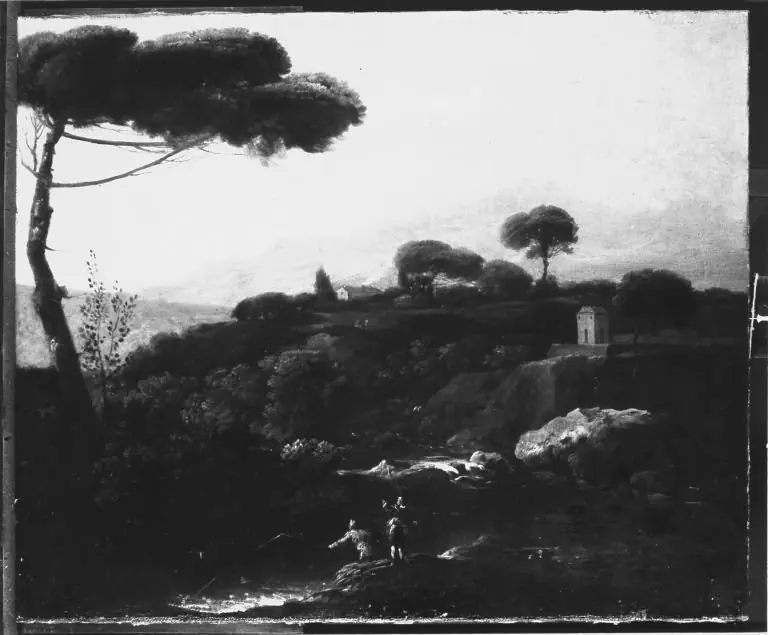
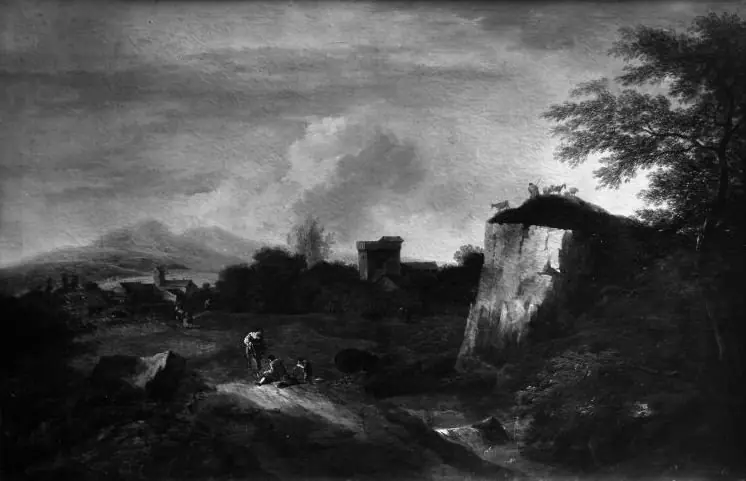
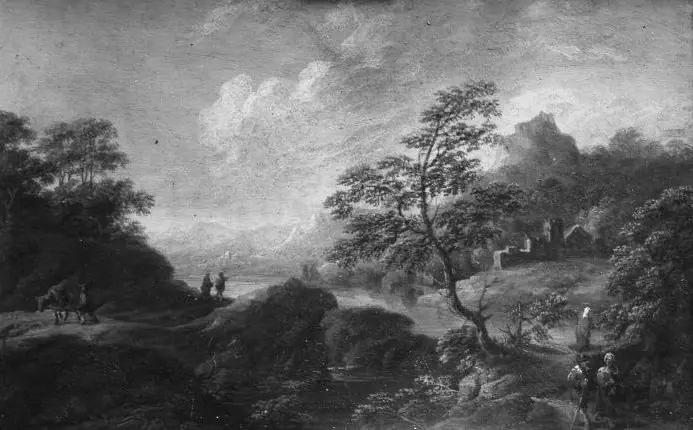
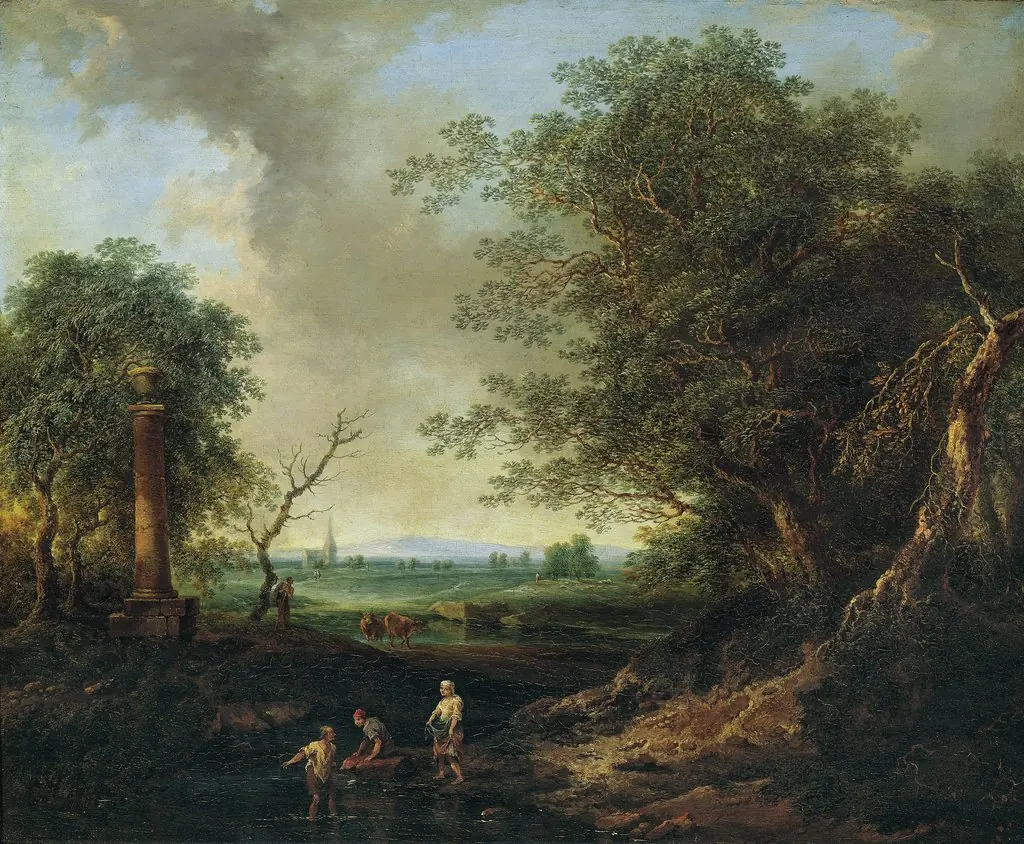
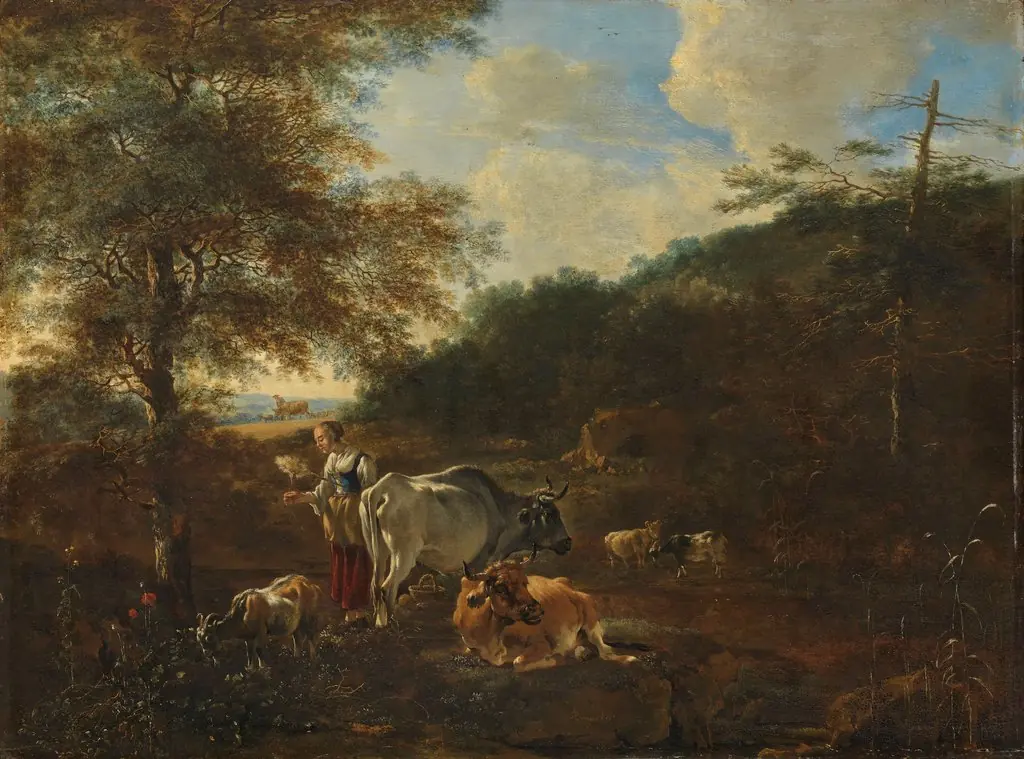
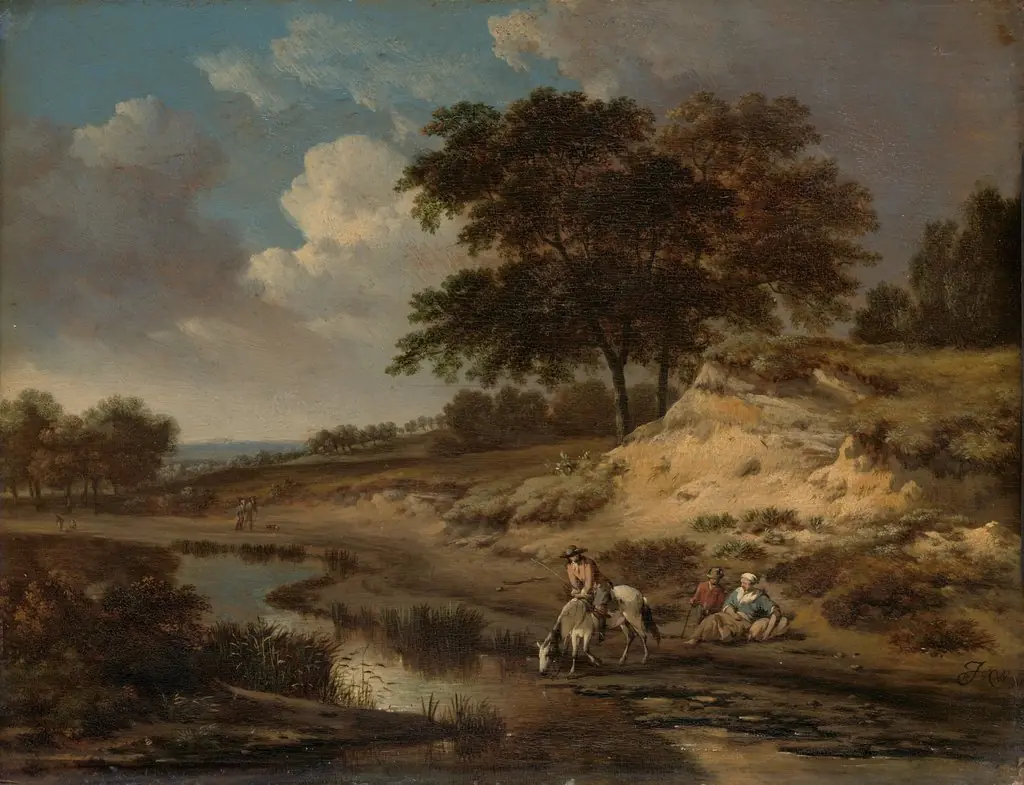
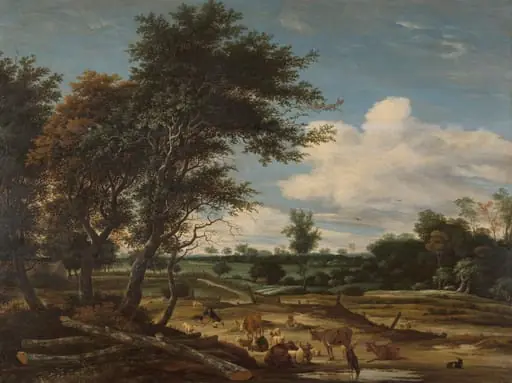
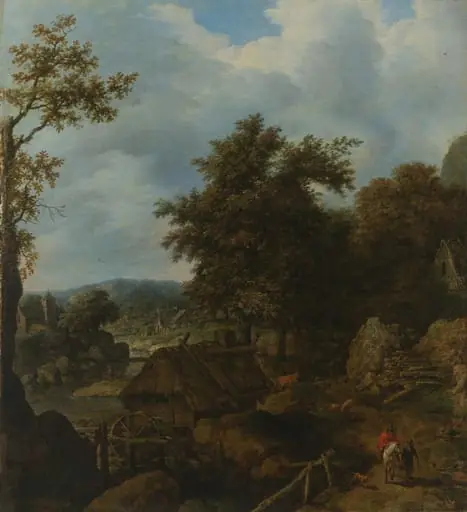
Landscape with a fordable place in a brook with peasants and cattle
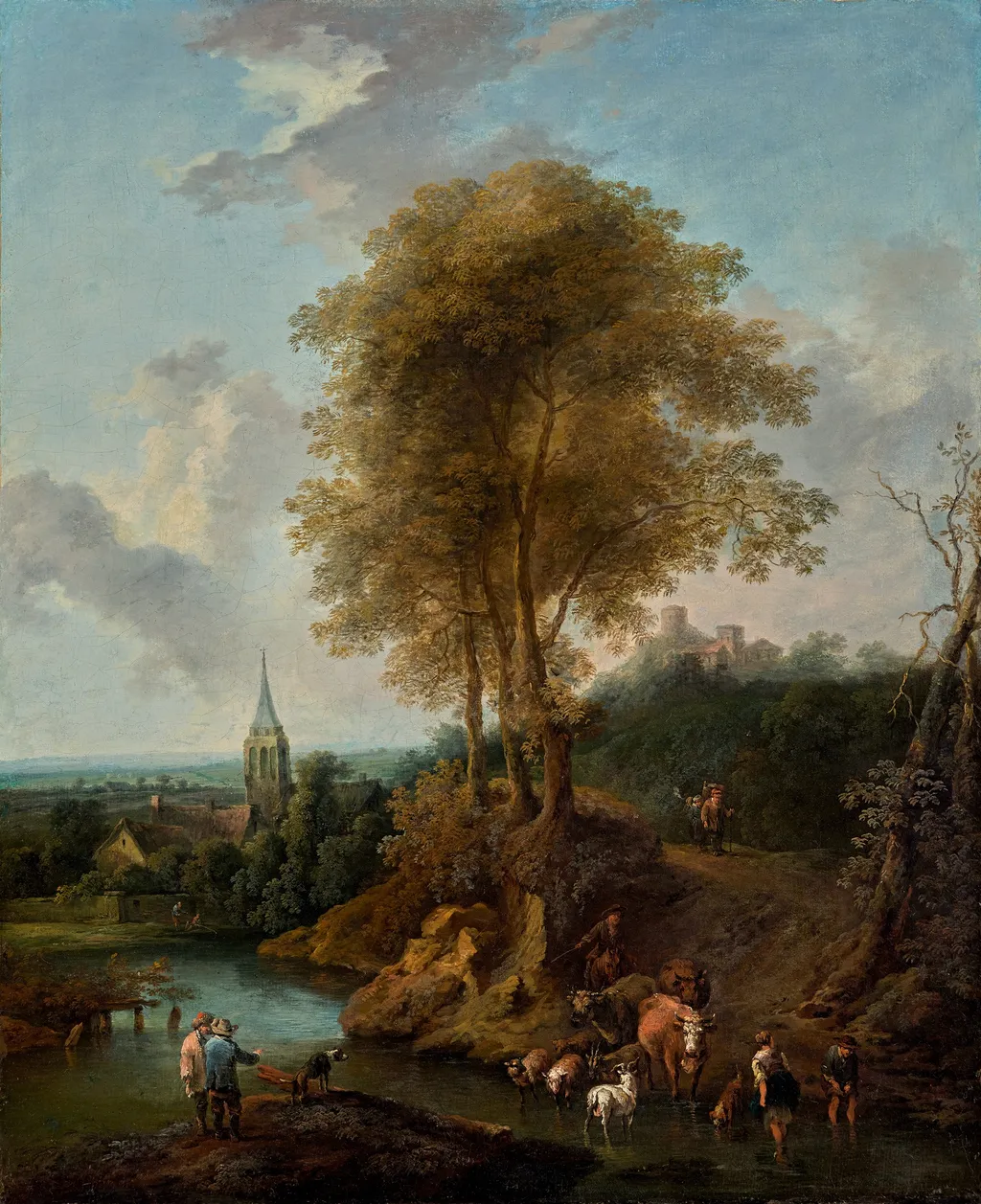
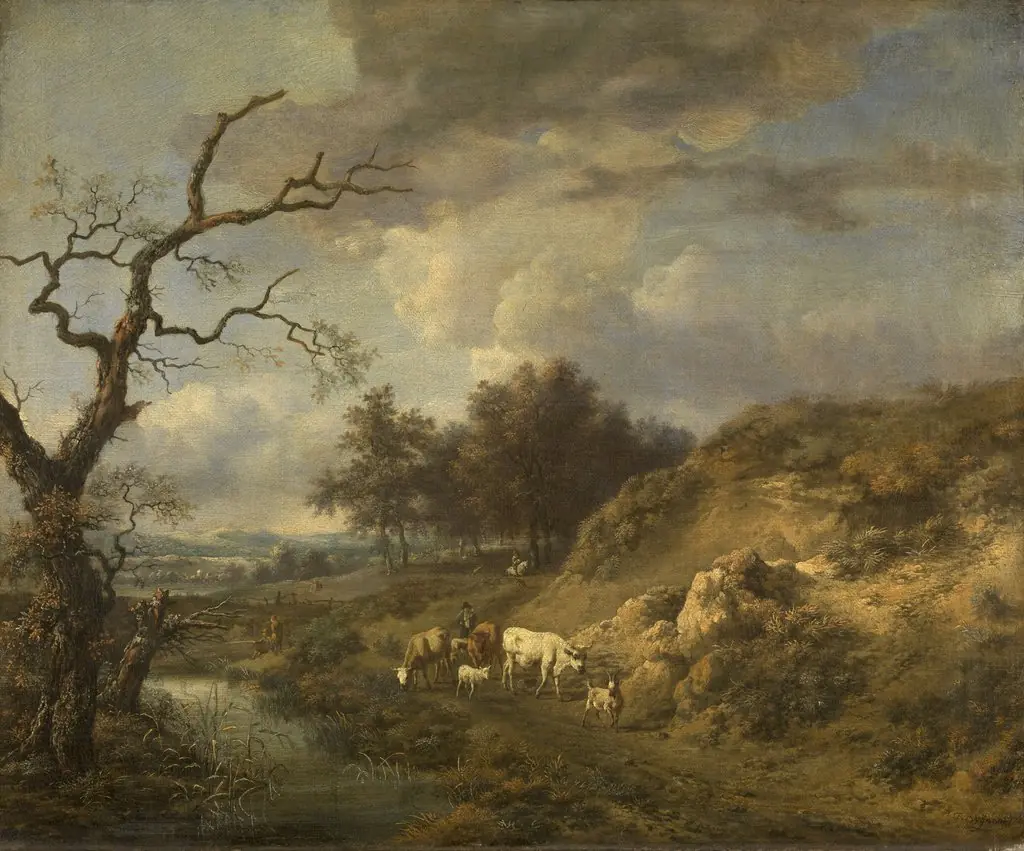
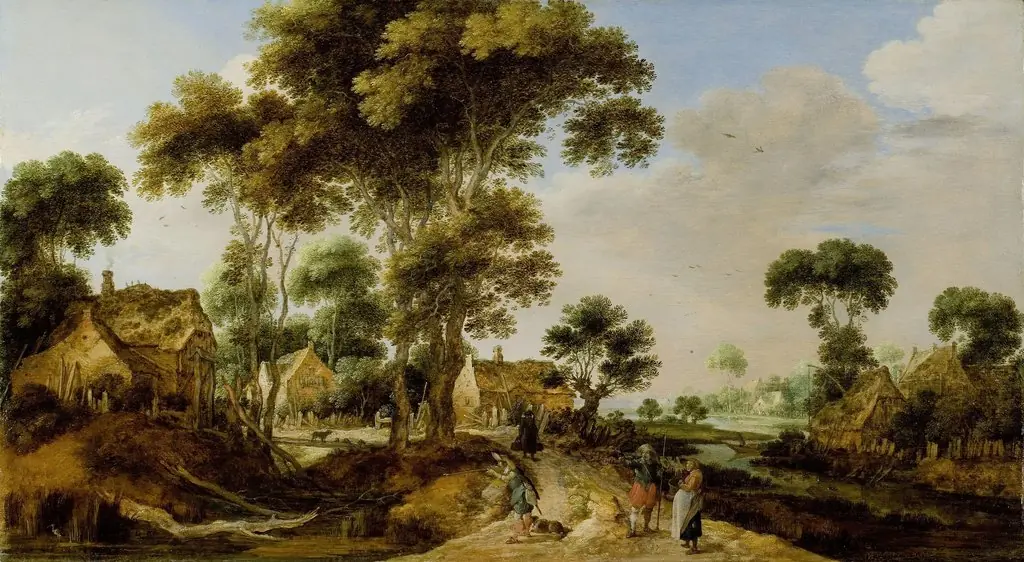
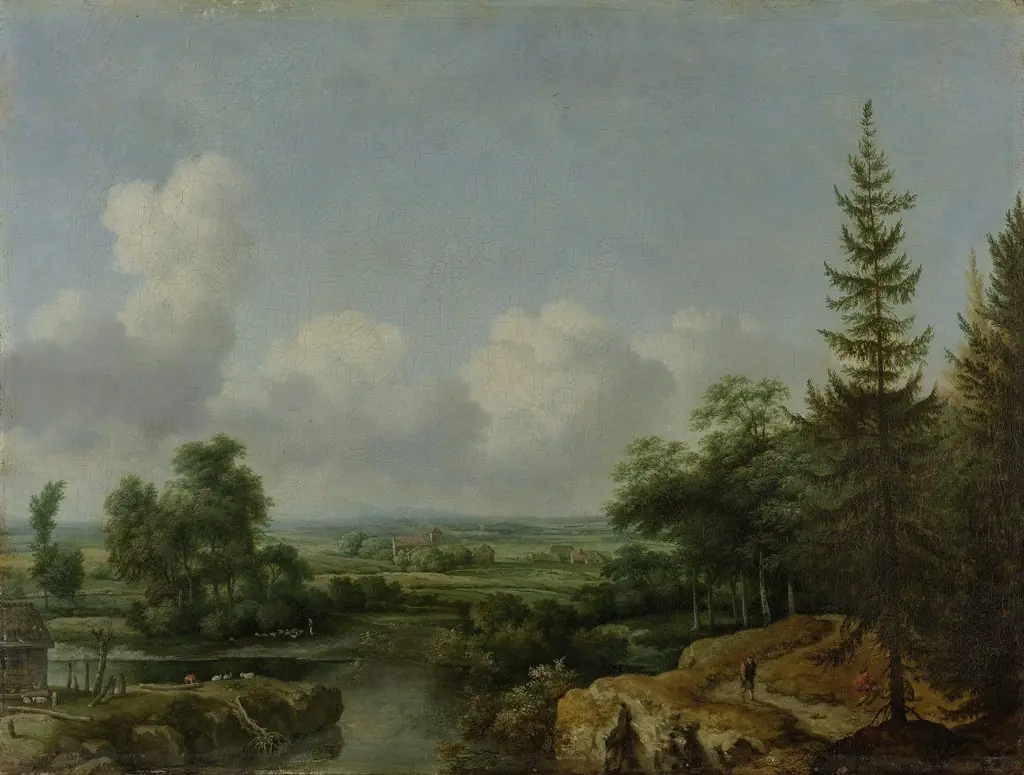
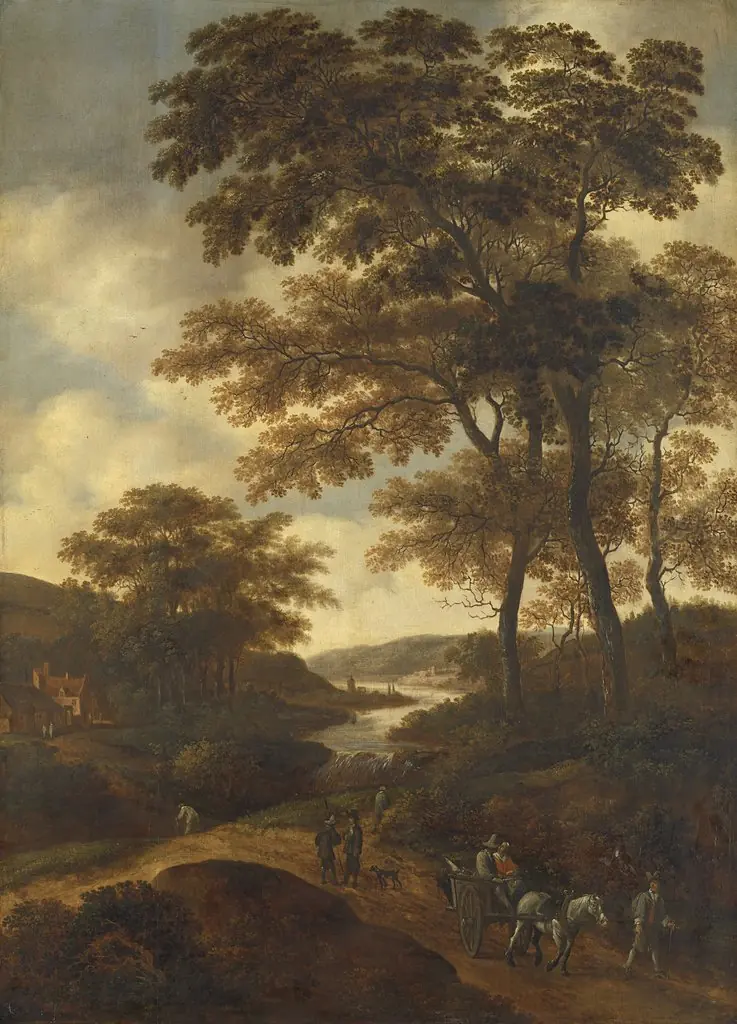
Landscape with a fordable place in a brook with peasants and cattle is an oil painting by the Rococo painting artist Christian Hilfgott Brand. It dates from 1746 and is held in the collection of the Kunsthistorisches Museum.
About this work
Overview
Painted in 1746 by Christian Hilfgott Brand, this oil-on-canvas work captures a tranquil rural scene in central Europe.
Painted in 1746 by Christian Hilfgott Brand, this oil-on-canvas work captures a tranquil rural scene in central Europe. Brand, active during the Rococo era, focused on landscapes populated by everyday figures and animals. The composition centers on a shallow brook where peasants and cattle cross, framed by trees and distant hills. It reflects a quiet, observational approach to nature, typical of regional landscape traditions of the time. The painting resides in the Kunsthistorisches Museum in Vienna.
Subject & Meaning
The scene portrays ordinary rural life without idealization or narrative drama. Peasants and livestock negotiate a ford, while others move along the bank, suggesting routine labor and movement through the landscape. A distant church steeple and village hint at community and spiritual presence, but remain subordinate to the natural setting. The work emphasizes harmony between human activity and the environment, aligning with 18th-century interests in unembellished rural existence.
Technique & Style
Brand employed smooth, controlled brushwork to render textures of water, foliage, and sky with quiet precision. Light falls naturally across the scene, creating subtle contrasts between sunlit grasses and shaded undergrowth, a technique echoing chiaroscuro without theatricality. The central tree anchors the composition, its form rendered with careful attention to bark and canopy. Clouds are softly modeled, contributing to a sense of atmospheric depth without dramatic tension.
History & Provenance
The painting was completed in 1746 during Brand’s mature period, when he was producing landscapes for private and aristocratic collectors in the Habsburg territories. It entered the Kunsthistorisches Museum’s collection in the 19th century as part of broader efforts to preserve regional artistic output. Its provenance remains largely unbroken, with no evidence of significant alterations or reattributions since its creation.
Context
Brand worked within a Central European tradition that valued detailed, serene landscapes over grand historical or mythological themes. While Rococo aesthetics often favored ornament and playfulness, his work diverged by emphasizing quiet observation and topographical accuracy. This painting reflects a regional preference for depicting the everyday rhythms of rural life, distinct from the more theatrical landscapes of Italy or France.
Legacy
Though not widely known outside Austria and Germany, Brand’s work contributed to the development of naturalistic landscape painting in the Habsburg lands. His focus on unadorned rural scenes influenced later regional artists who sought to document the land and its inhabitants with fidelity. The painting remains a representative example of 18th-century Austrian landscape practice, valued for its restraint and attentiveness to light and place.
Own this work as a print
Artist & collection
Artist
Christian Hilfgott Brand (16 March 1695 – 22 July 1756) was a German-Austrian landscape painter. His year of birth is also given as 1693 or 1694, and there are numerous variations of his middle name.