Artwork
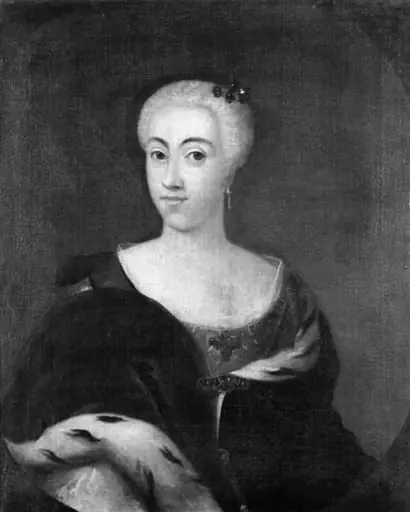
Portrait of an unidentified woman
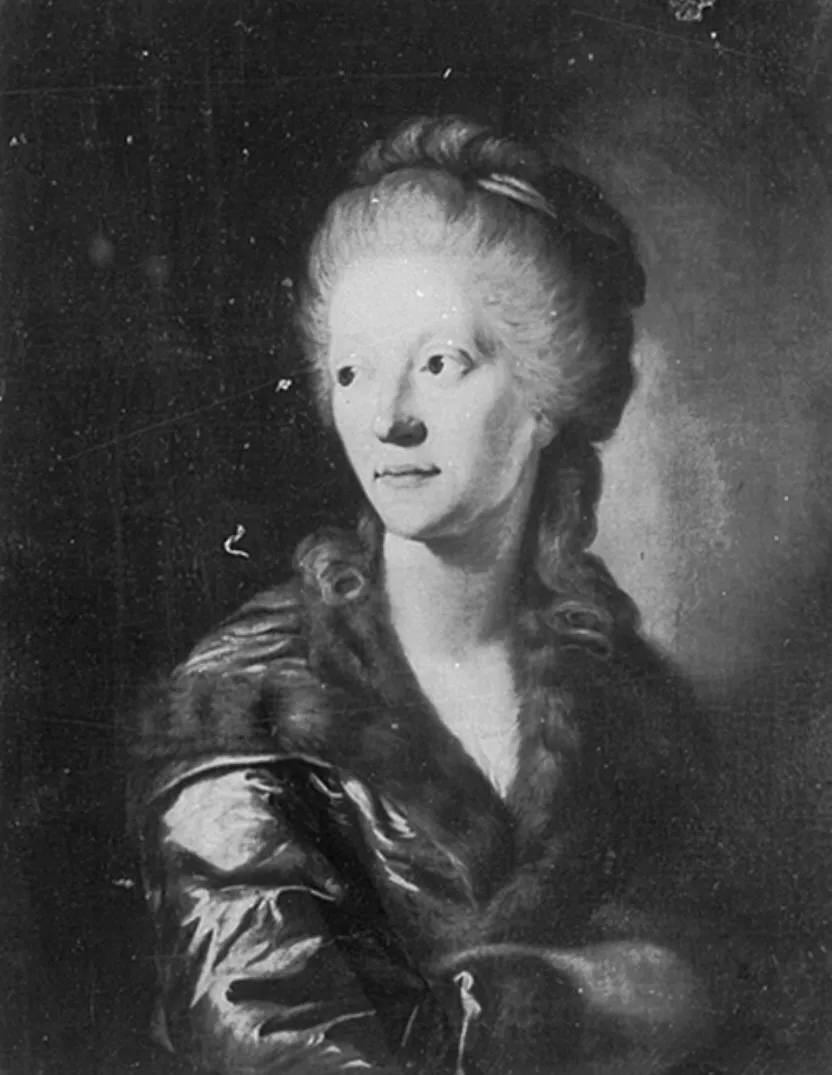
Portrait of an unidentified woman is an unspecified painting by the Rococo painting artist Christian Ludwig Seehas. It dates from 1750 and is held in the collection of the Gemäldegalerie Alte Meister.
About this work
Overview
The composition emphasizes the sitter’s presence through restrained lighting and minimal background, characteristic of mid-18th-century German portraiture.
Painted around 1750, this portrait by Christian Ludwig Seehas depicts an unnamed woman in quiet contemplation. Executed in oil on canvas, it belongs to the collection of the Gemäldegalerie Alte Meister in Dresden. The composition emphasizes the sitter’s presence through restrained lighting and minimal background, characteristic of mid-18th-century German portraiture. No decorative elements distract from her gaze, anchoring the viewer’s attention on her expression.
Subject & Meaning
The woman’s serious, introspective demeanor suggests a private moment rather than a formal commission. Her direct gaze, unsmiling and steady, conveys a sense of inner resolve or thoughtfulness. The absence of identifying symbols or attributes leaves her identity unknown, reinforcing the portrait’s focus on psychological presence over social status. The stillness of the image invites reflection rather than narrative interpretation.
Technique & Style
Seehas employs a muted palette and soft modeling to render the woman’s features with subtle realism. The fur trim of her jacket is rendered with delicate brushwork, contrasting with the flat, dark background that enhances her three-dimensionality. Lighting is even and directional, illuminating the face without dramatic contrast. The technique reflects a quiet, observational approach typical of provincial German portraiture of the period.
History & Provenance
The painting entered the collection of the Gemäldegalerie Alte Meister in Dresden, where it has remained since at least the 19th century. Its origins prior to institutional acquisition are undocumented. No records of the sitter’s identity or the commission’s context survive, suggesting it may have been a private portrait, possibly of a local aristocrat or merchant’s wife, typical of regional artistic practice in mid-18th-century Saxony.
Context
Seehas worked primarily in Dresden during a period when portraiture flourished among regional patrons, though he operated outside the orbit of major court artists. His style aligns with the sober, intimate portraiture favored by the Saxon middle and upper classes, distinct from the grandeur of French or Italian models. This work reflects a broader trend toward psychological nuance in German painting of the era, prioritizing individual presence over ceremonial display.
Legacy
Though Seehas is not widely known outside regional art histories, this portrait exemplifies the quiet dignity of lesser-documented German painters of the 18th century. It contributes to the understanding of how portraiture functioned beyond royal or aristocratic circles, capturing personal presence with restraint. The work remains a representative example of provincial artistic practice, valued for its emotional subtlety rather than its fame.
Artist & collection

 Maria Amalia of Zweibrücken-Birkenfeld
 Bildnis der Maria Amalie Auguste
 Portræt af brygger M. Christensens hustru
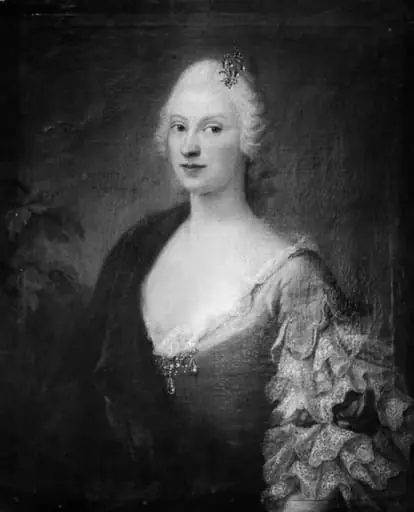 Portræt af fru Adelgunde Elisabeth Amalia von Scholten
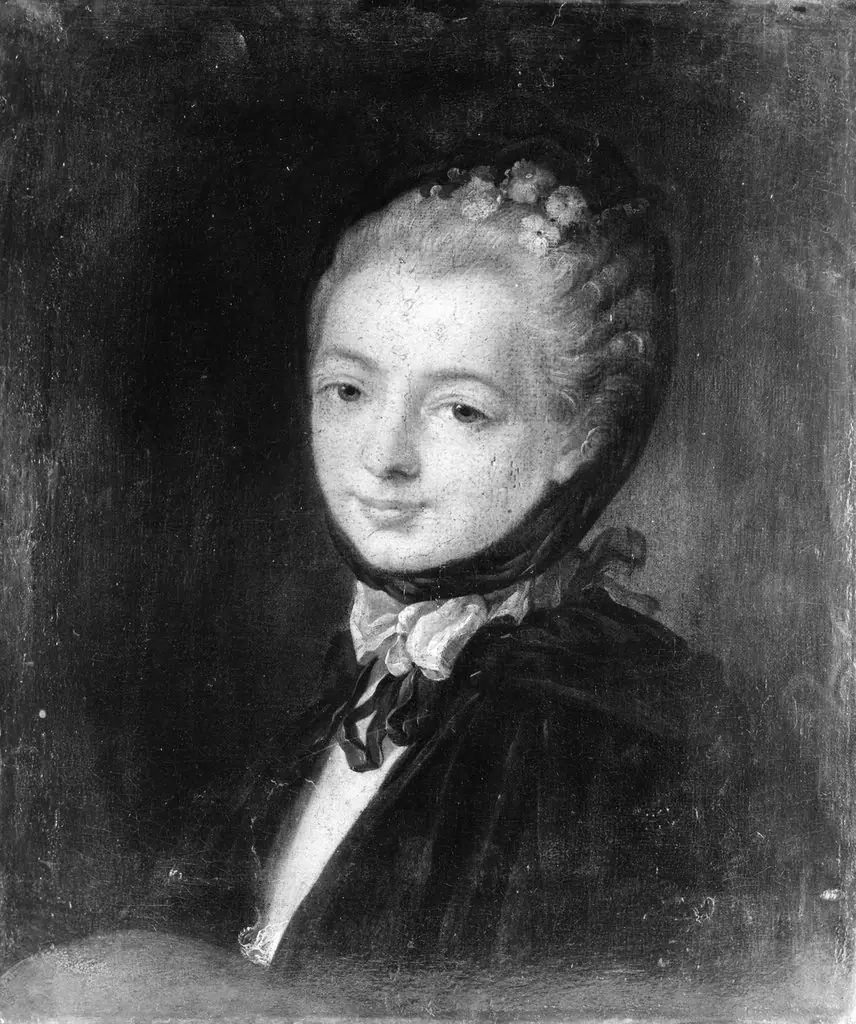 Portrait of a Young Lady
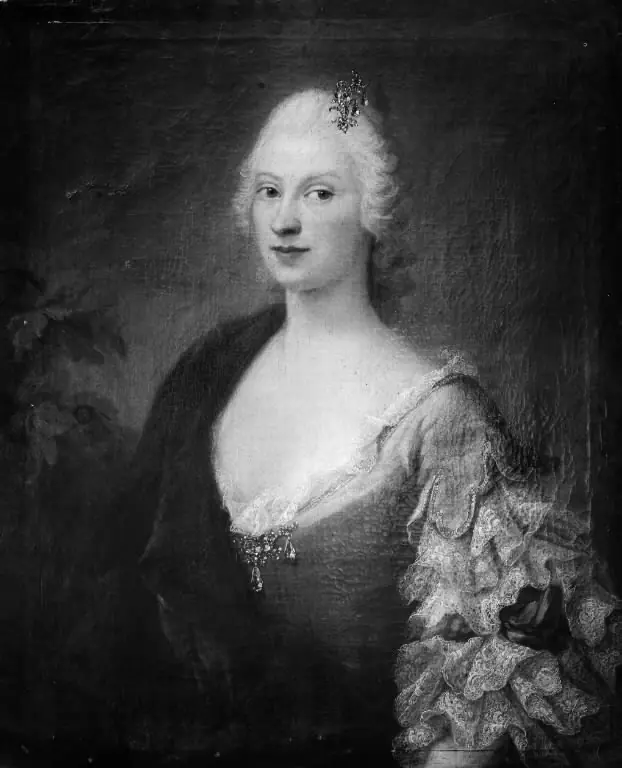 Portræt af fru Adelgunde Elisabeth Amalia von Scholten
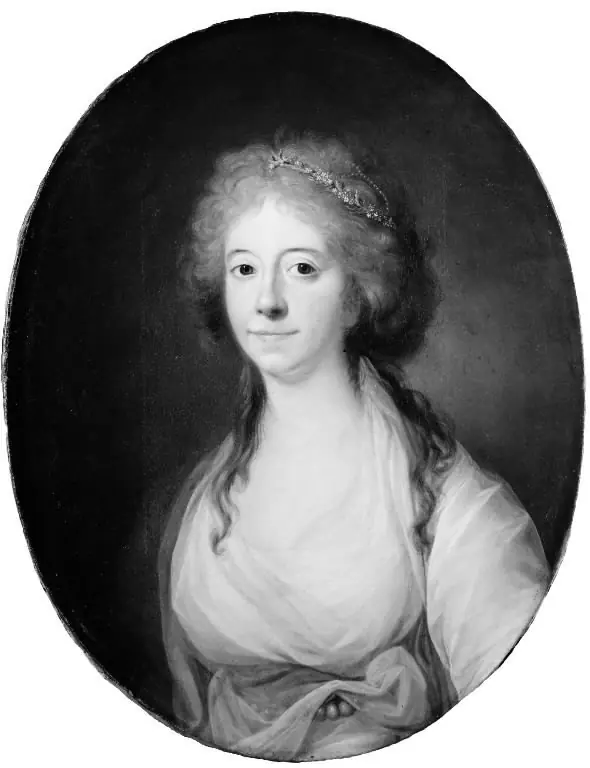 Elisabeth (Lisa) de la Calmette, f. baronesse Iselin, Antoine de la Calmettes hustru
 Portrait of a Lady
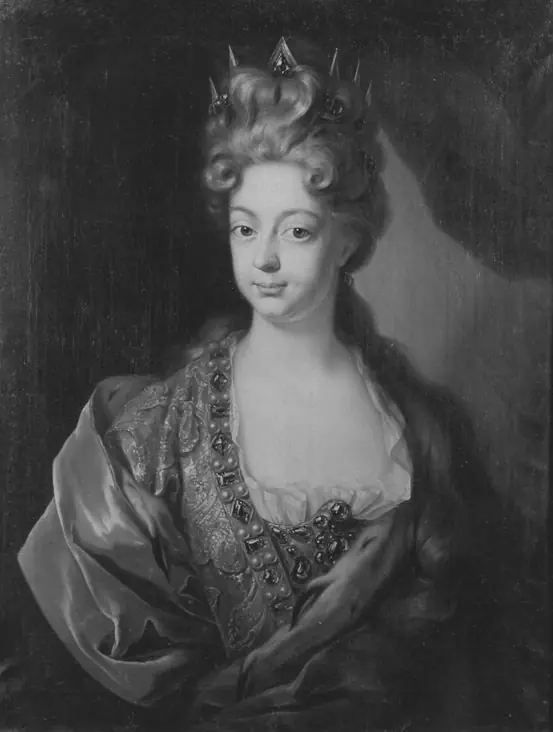 Portrait of Wilhelmine Amalie of Braunschweig-Lüneburg
![A Woman Wearing a Straw Hat [Madame de Pompadour?], by Marco Alvise Pitteri](https://artifactworldgallery.com/img/marco-alvise-pitteri--a-woman-wearing-a-straw-hat-madame-de-pompadour--a8849525097954a5-w320.webp) A Woman Wearing a Straw Hat [Madame de Pompadour?]
A Woman Wearing a Straw Hat [Madame de Pompadour?]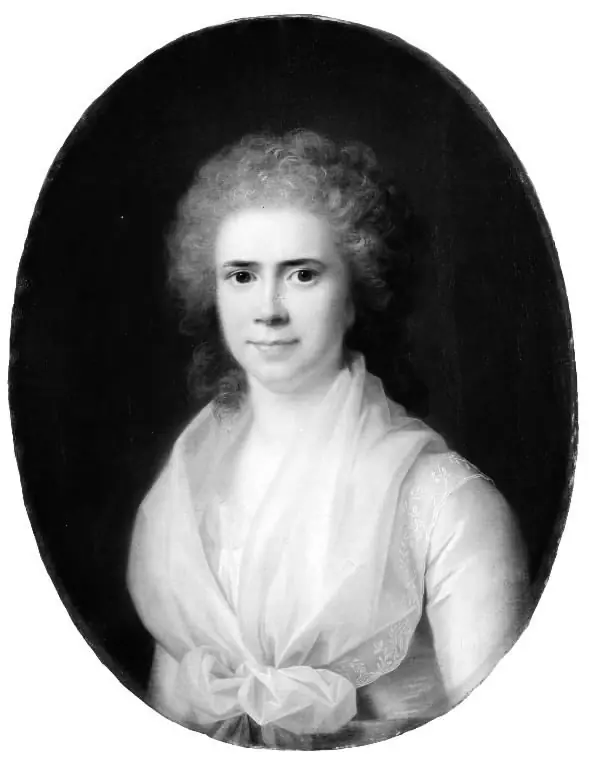 Johanne Sophie de Coninck, f. Wleugel
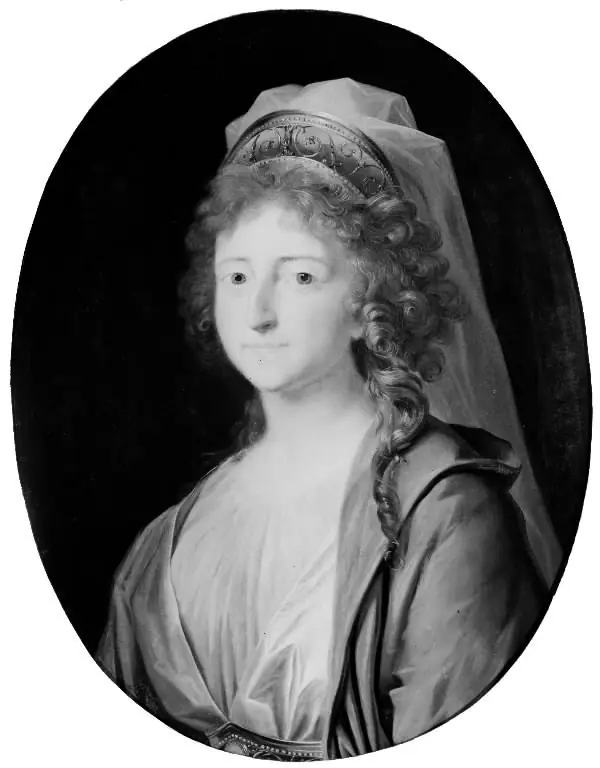 Portræt af Louise Augusta