Artwork
Nymphs in a grotto
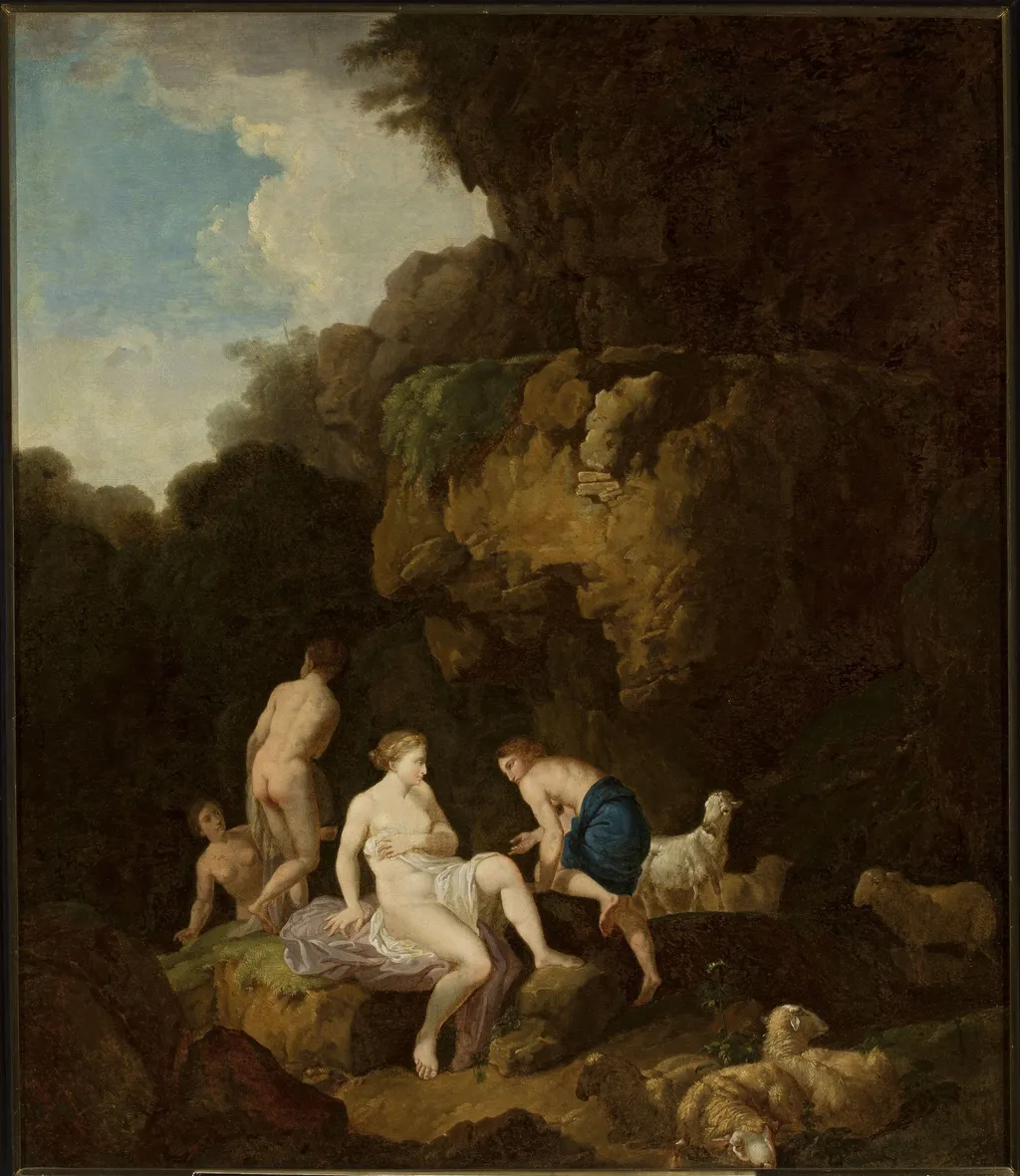
Nymphs in a grotto is an oil painting by Christian Wilhelm Ernst Dietrich. It dates from 1753 and is held in the collection of the National Museum in Warsaw.
About this work
Overview
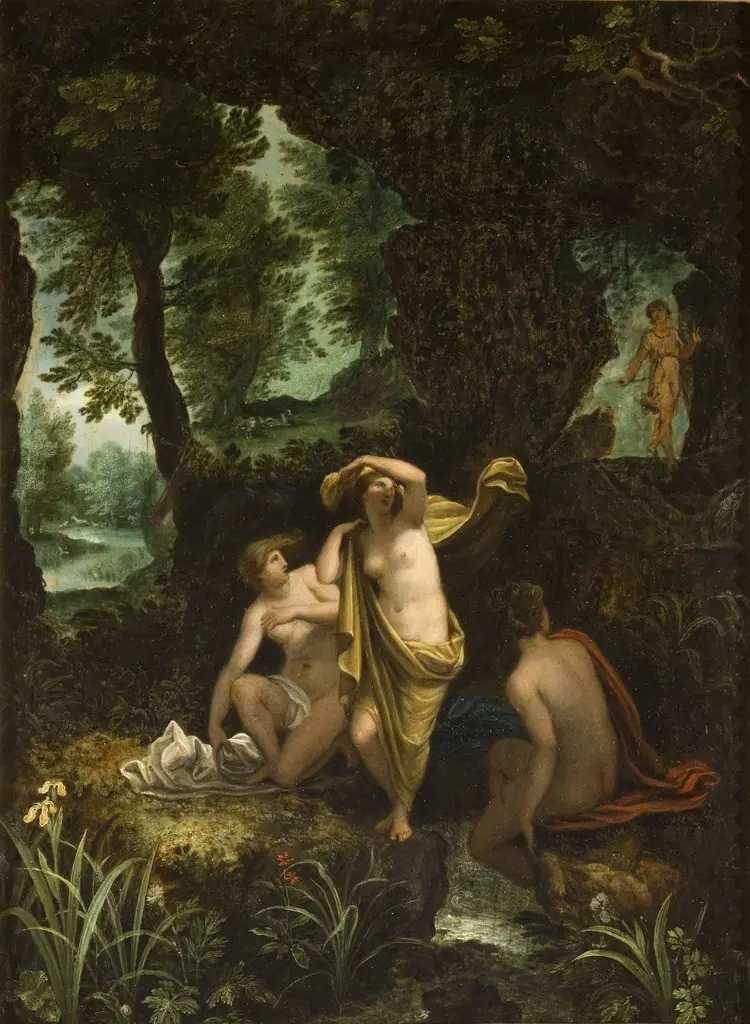
Nymphs in a Grotto is an 18th-century oil painting by German artist Christian Wilhelm Ernst Dietrich, dated to around 1753. The work is characterized by its depiction of mythological figures in a natural, rocky setting.
Subject & Meaning
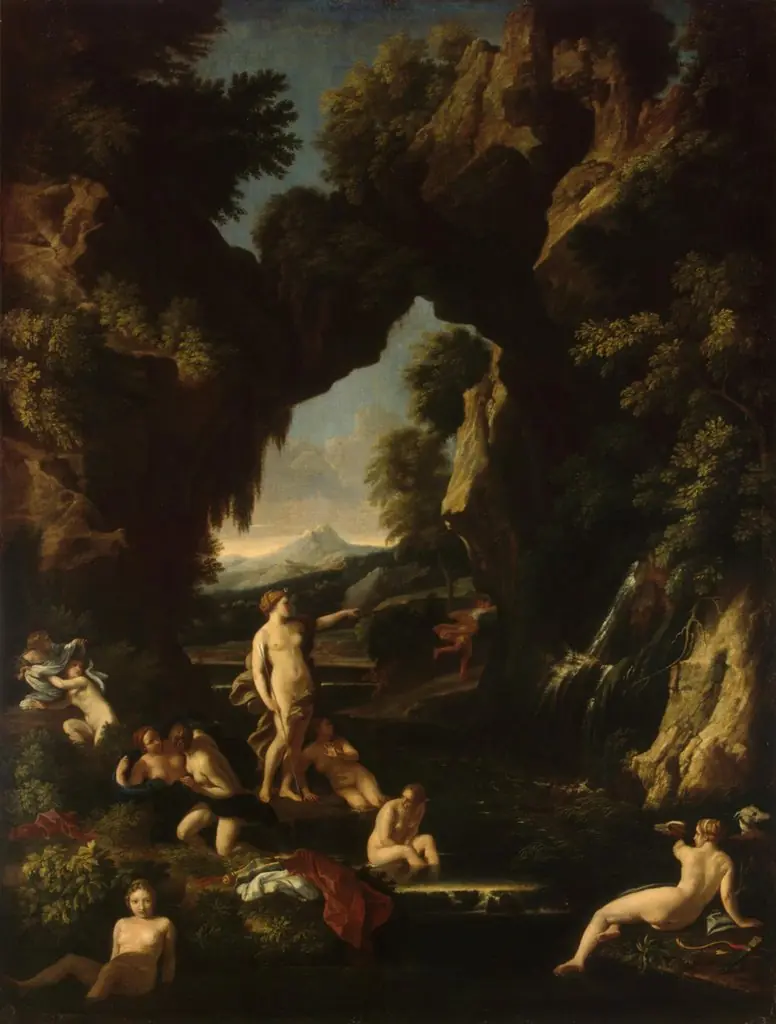
The painting portrays a scene of three nude female figures (nymphs) and one male figure, accompanied by sheep and goats, within a shaded, rocky grotto set against a bright sky. The subject matter draws from classical mythology, though the specific narrative or myth referenced is not immediately clear.
Technique & Style
Dietrich employed a realistic painting style with meticulous detail, utilizing a predominantly muted color palette of browns and greens. The composition features strong contrasts of light and shadow, suggestive of the chiaroscuro technique, which was commonly used during the Baroque period to create depth and volume.
History & Provenance
Created circa 1753, the painting is now part of the collection at the National Museum in Warsaw. Notably, Dietrich's work was often characterized by its emulation of earlier artistic styles, rather than a distinctive personal approach.
Context
Nymphs in a Grotto reflects the 18th-century European fascination with classical mythology and naturalistic landscapes. The use of chiaroscuro and detailed realism places the work within the broader traditions of Baroque and early Neoclassical painting practices.
Legacy
While Dietrich's oeuvre does not stand out for a unique style, *Nymphs in a Grotto* contributes to the understanding of 18th-century artistic tendencies towards revivalism and the enduring appeal of mythological subjects in European art.
Artist & collection
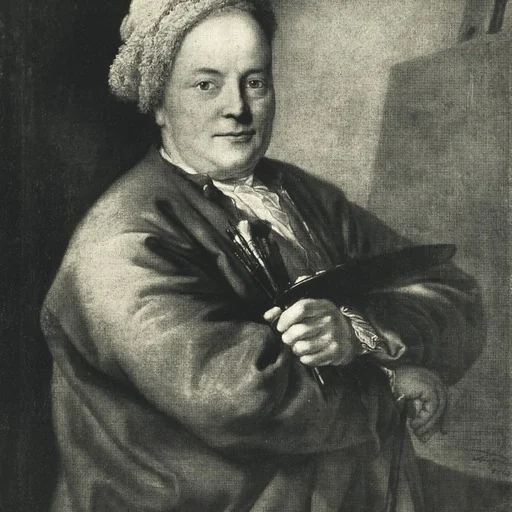
Artist
Christian Wilhelm Ernst Dietrich
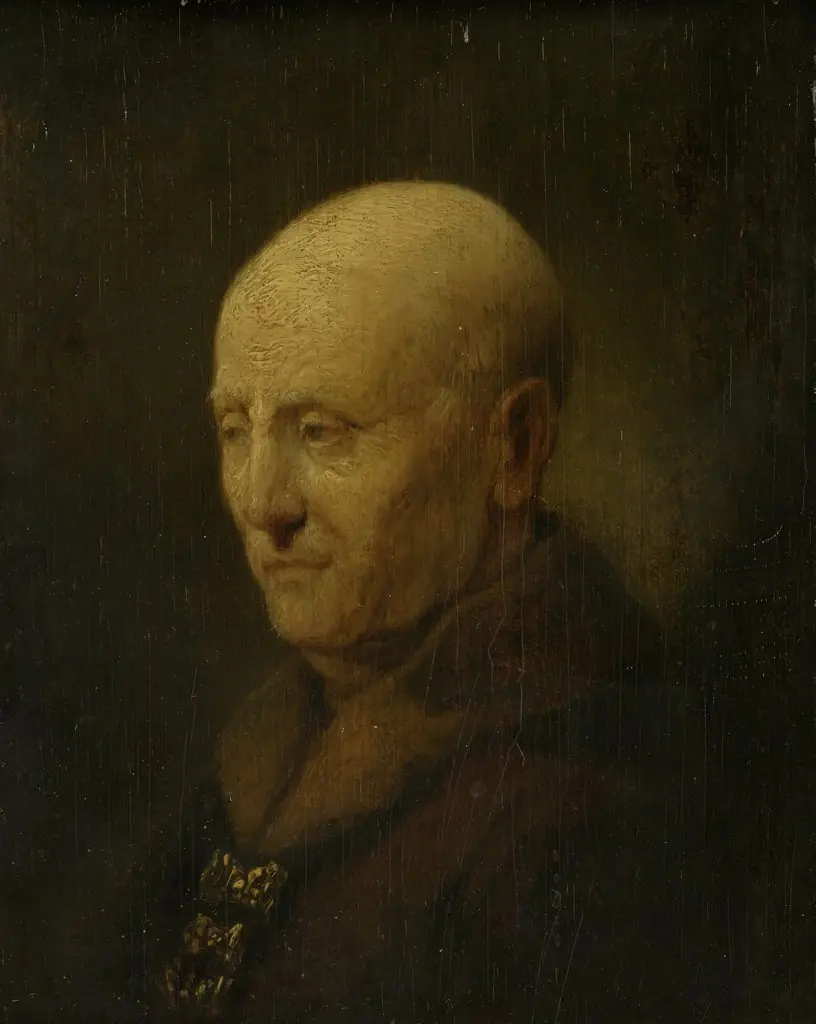
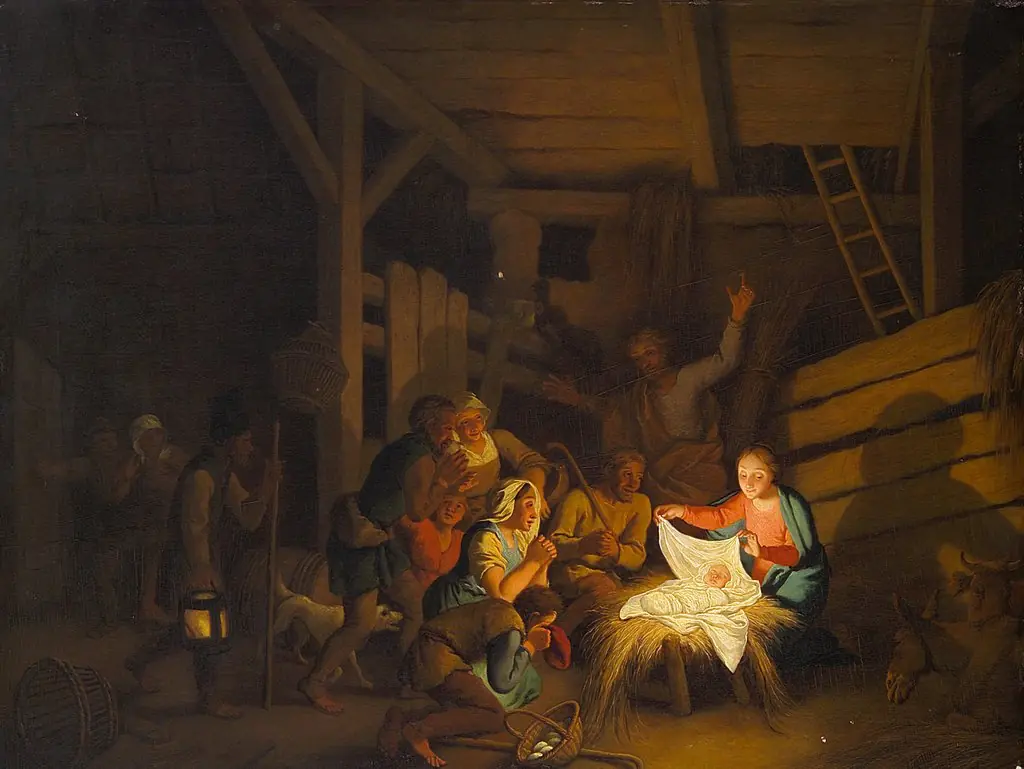
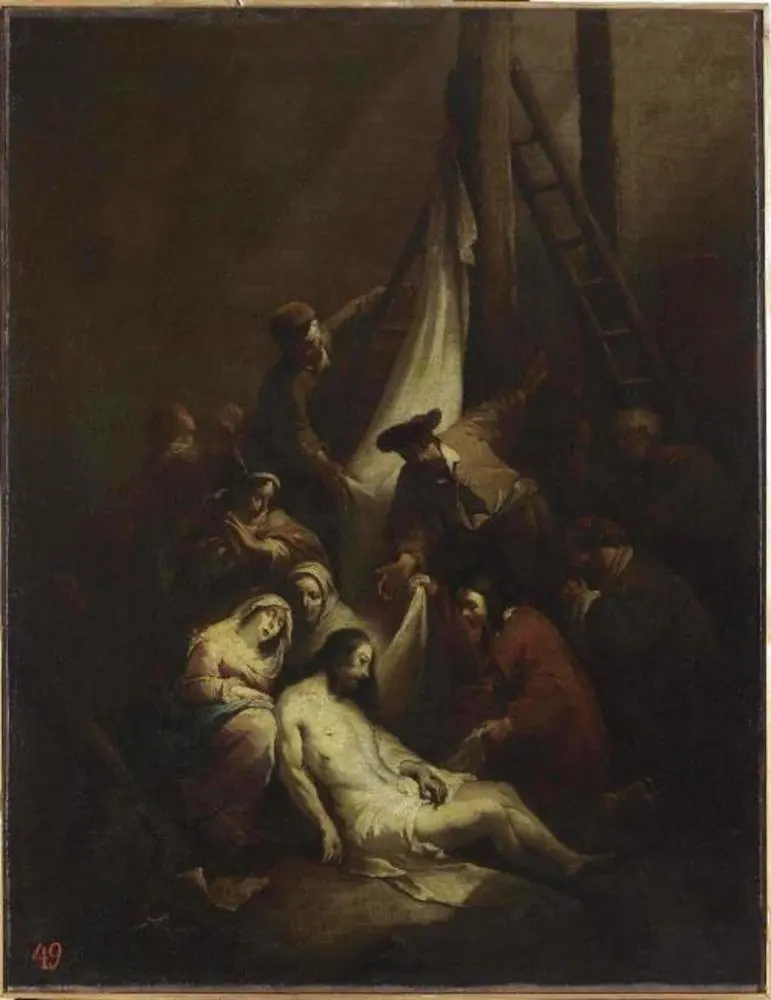
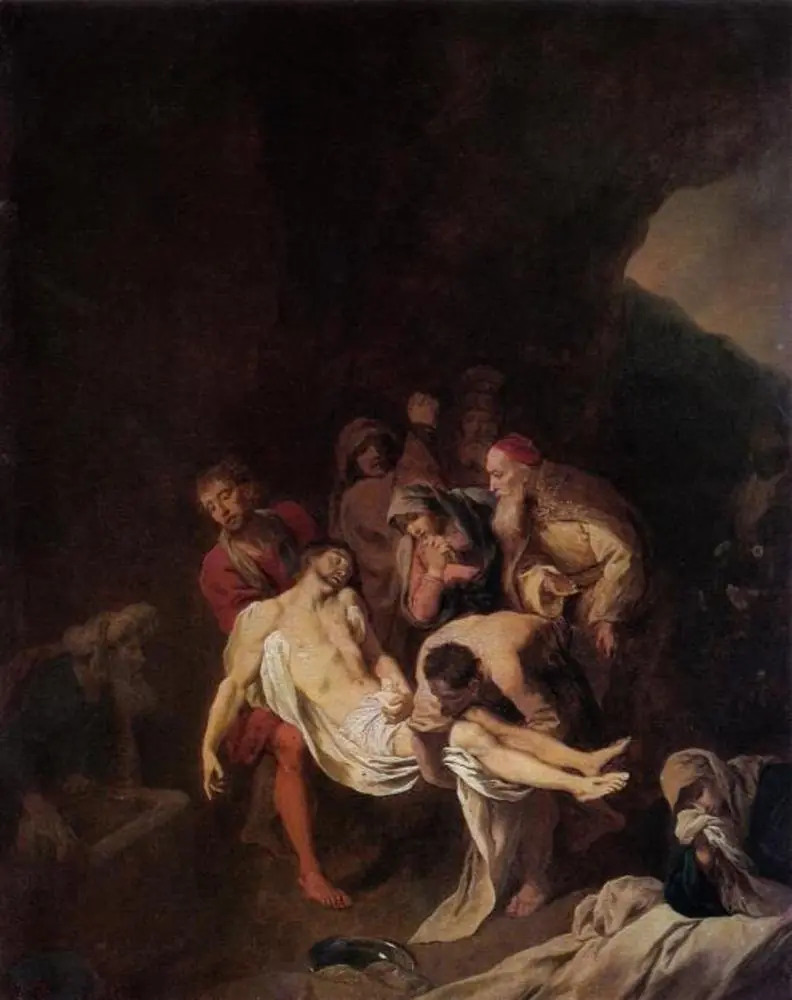
Christian Wilhelm Ernst Dietrich (30 October 1712 – 23 April 1774) was a German painter and art administrator. In his own works, he was adept at imitating many earlier artists, but never developed a style of his own.