Artwork
Diana and Callisto
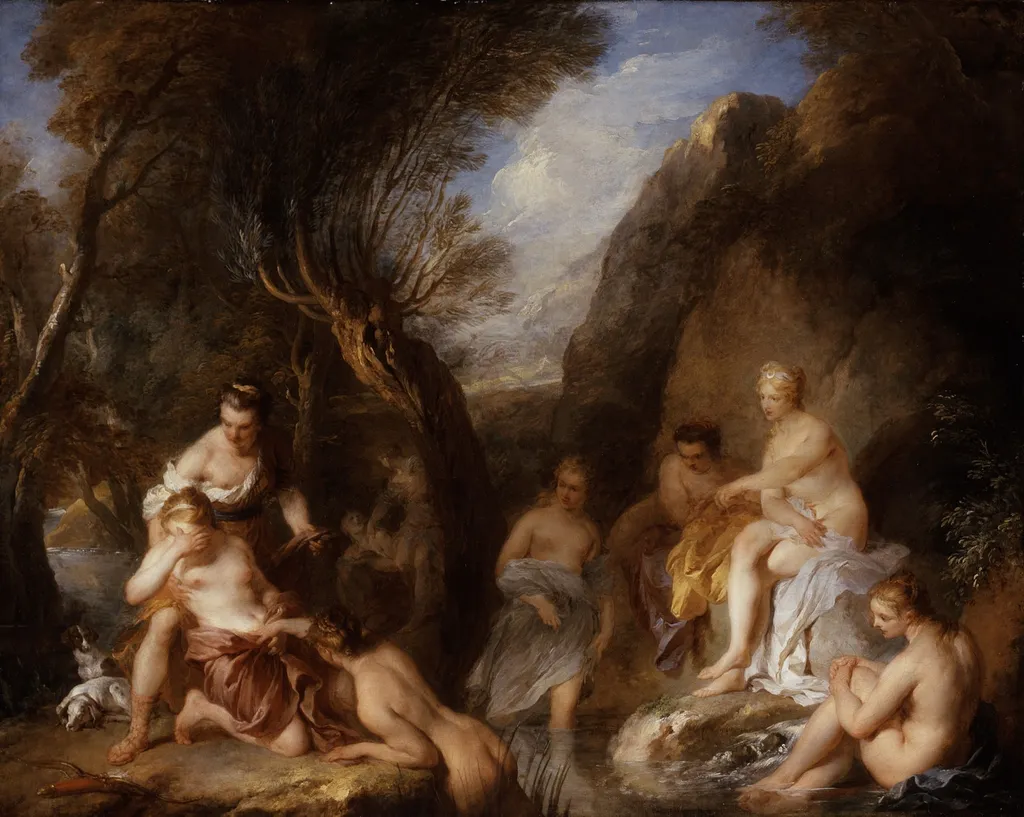
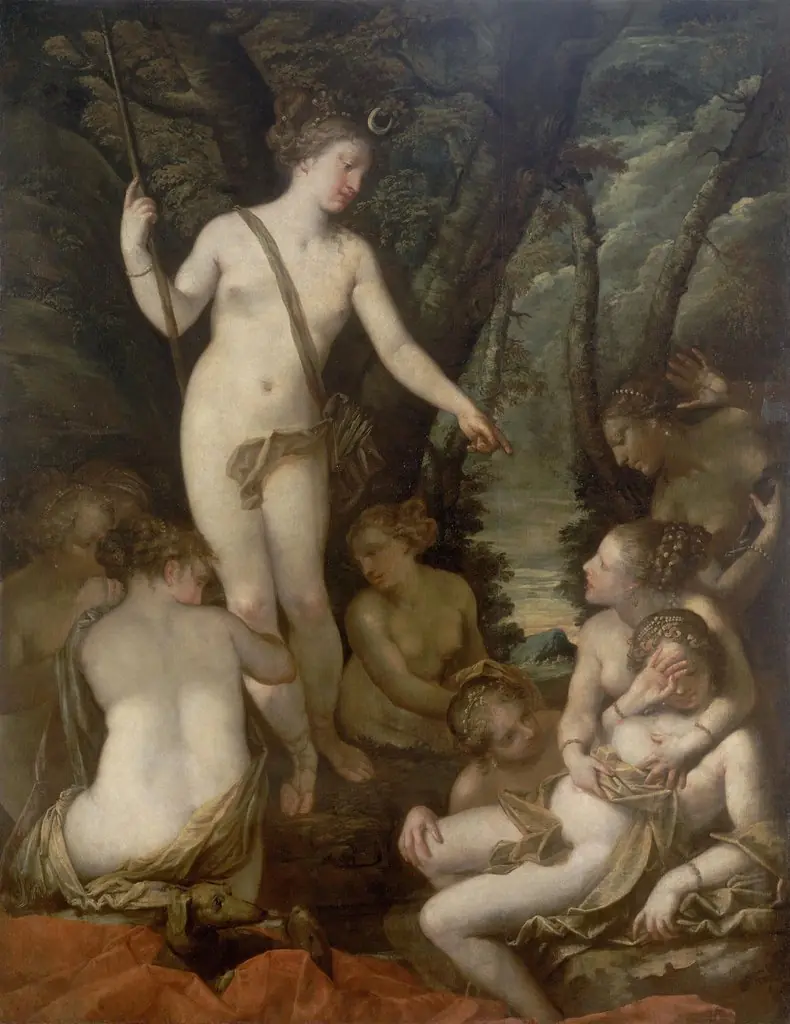
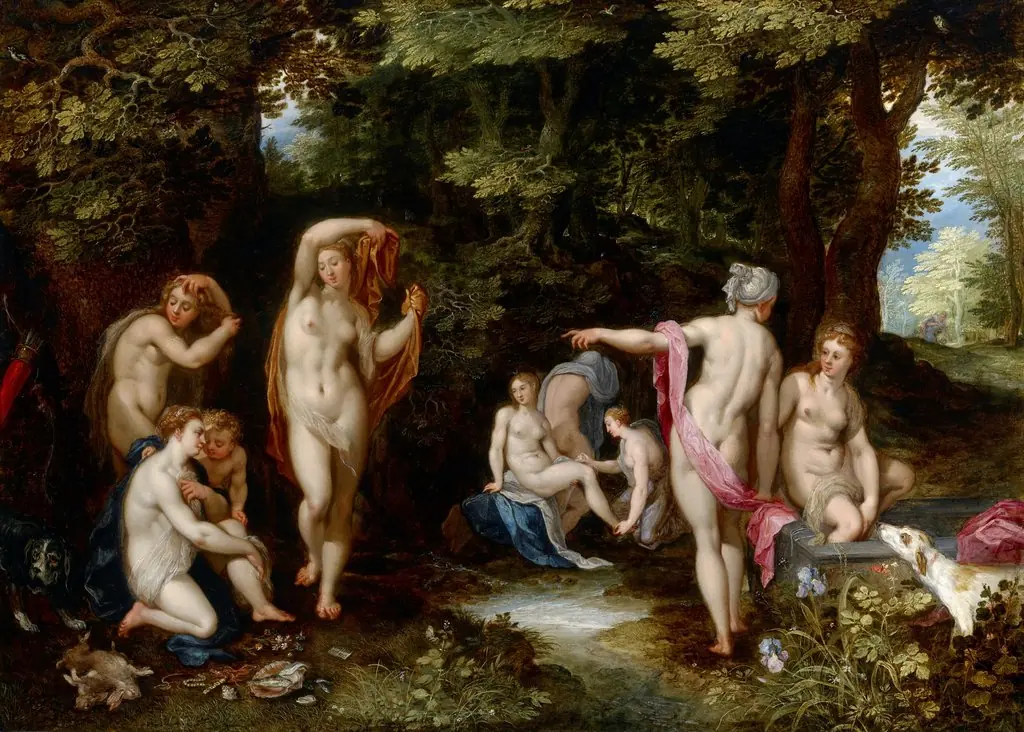
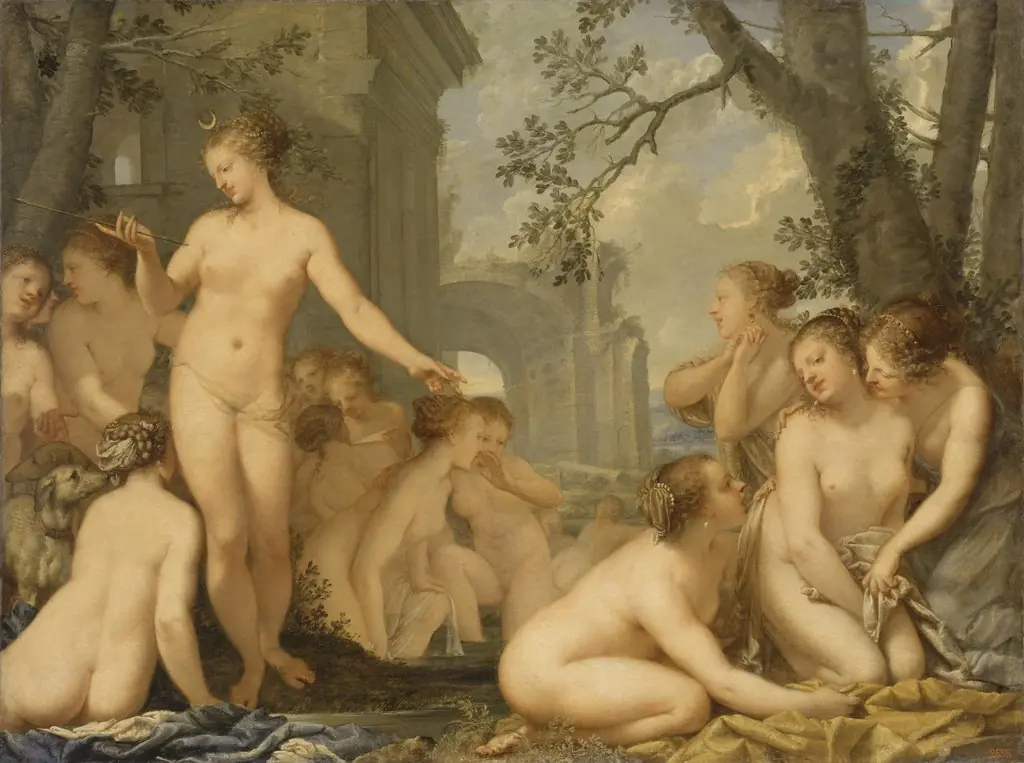
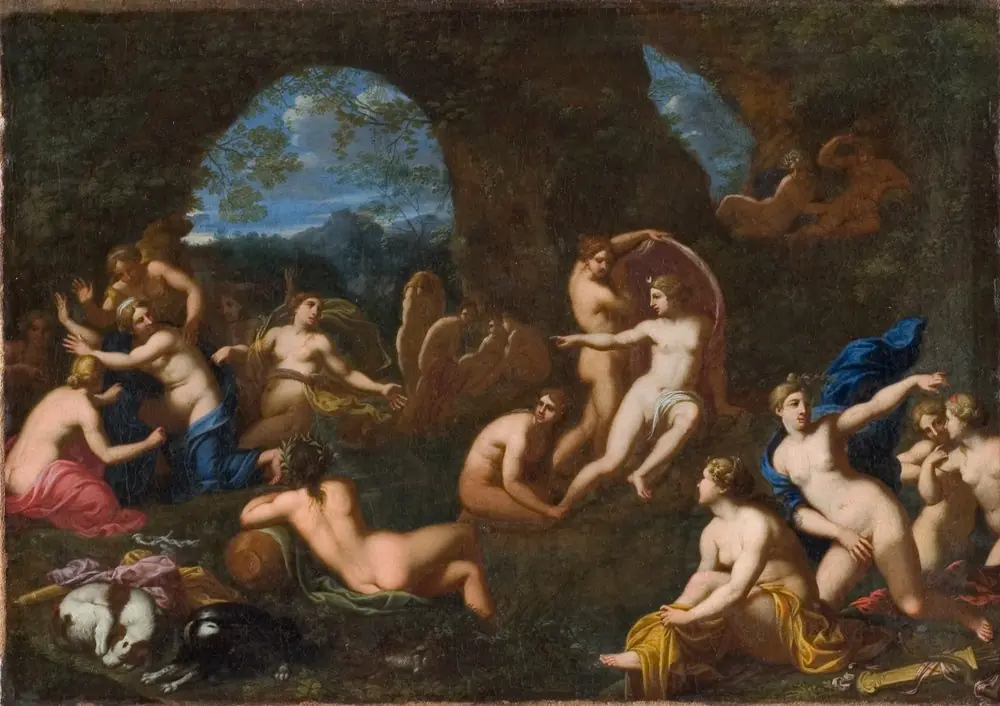
Diana and Callisto is an oil painting by the Rococo painting artist François Lemoyne. It dates from 1723 and is held in the collection of the Los Angeles County Museum of Art.
About this work
Overview
The painting reflects the elegance and narrative clarity favored in early Rococo art, blending mythological subject matter with refined composition.
François Lemoyne completed this oil painting in 1723 as part of his work for the French royal court. As Premier peintre du Roi to Louis XV, he was entrusted with significant decorative commissions. The painting reflects the elegance and narrative clarity favored in early Rococo art, blending mythological subject matter with refined composition. It now resides in the collection of the Los Angeles County Museum of Art.
Subject & Meaning
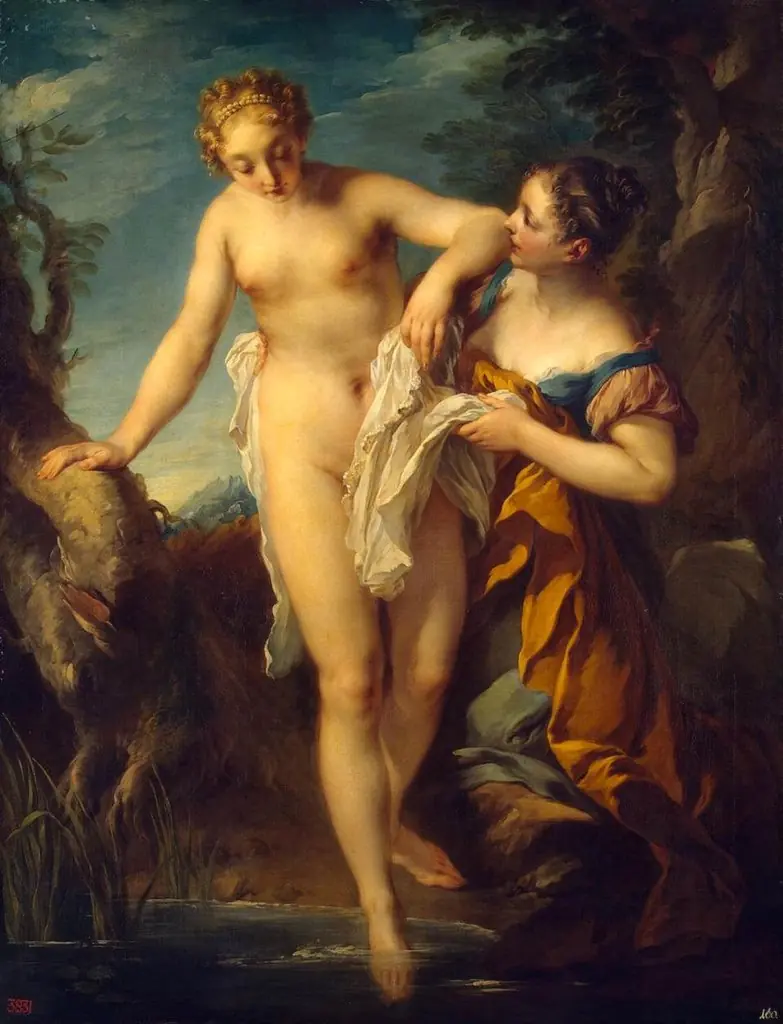
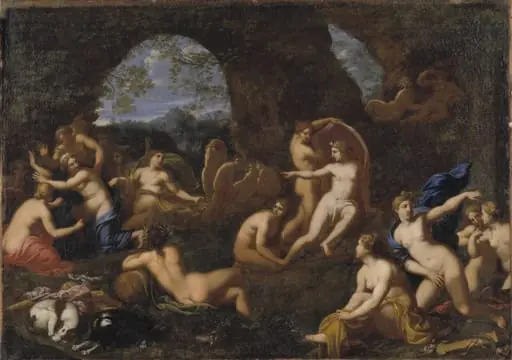
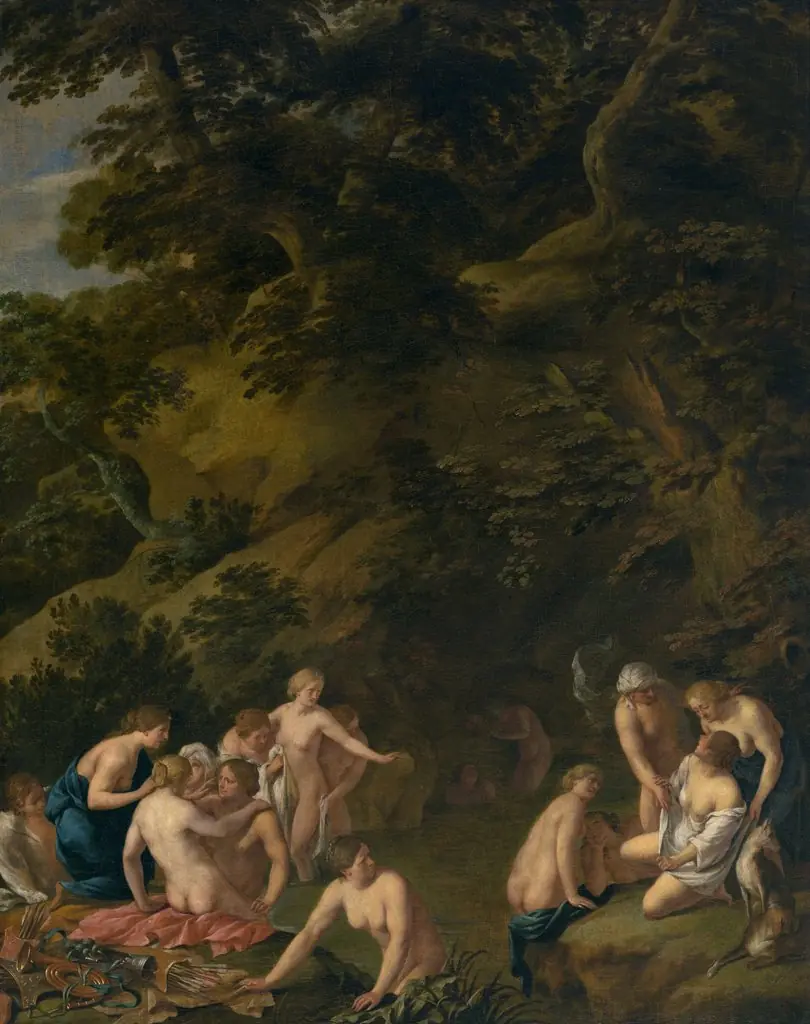
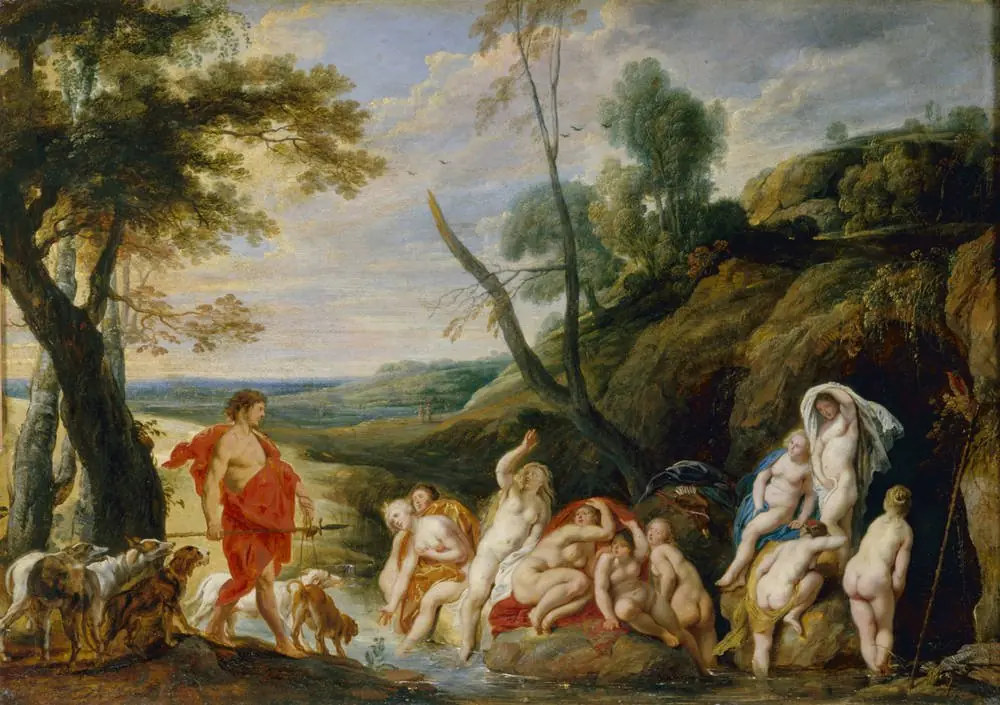
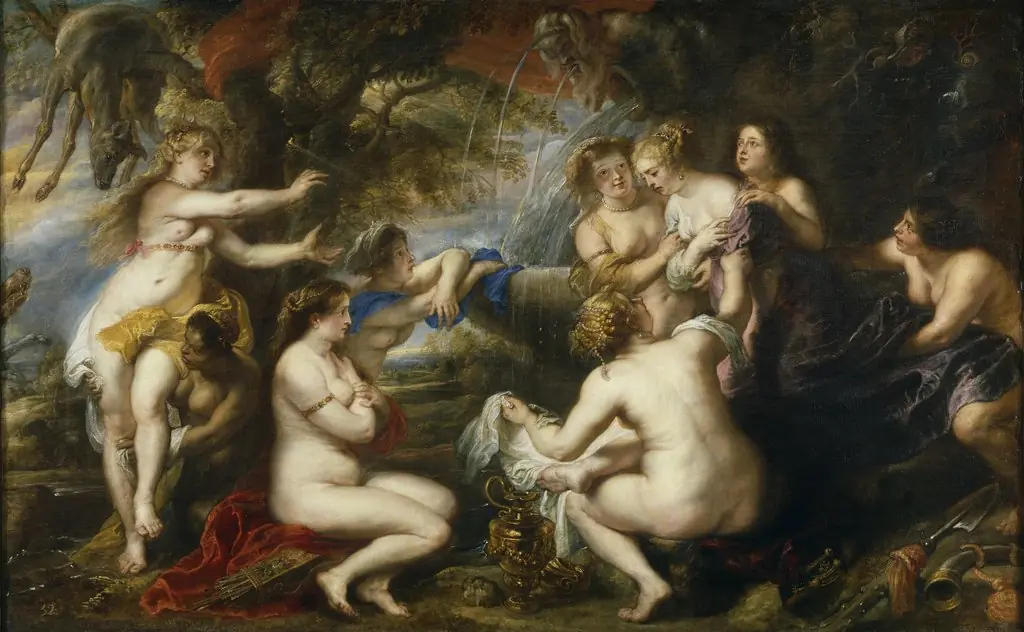
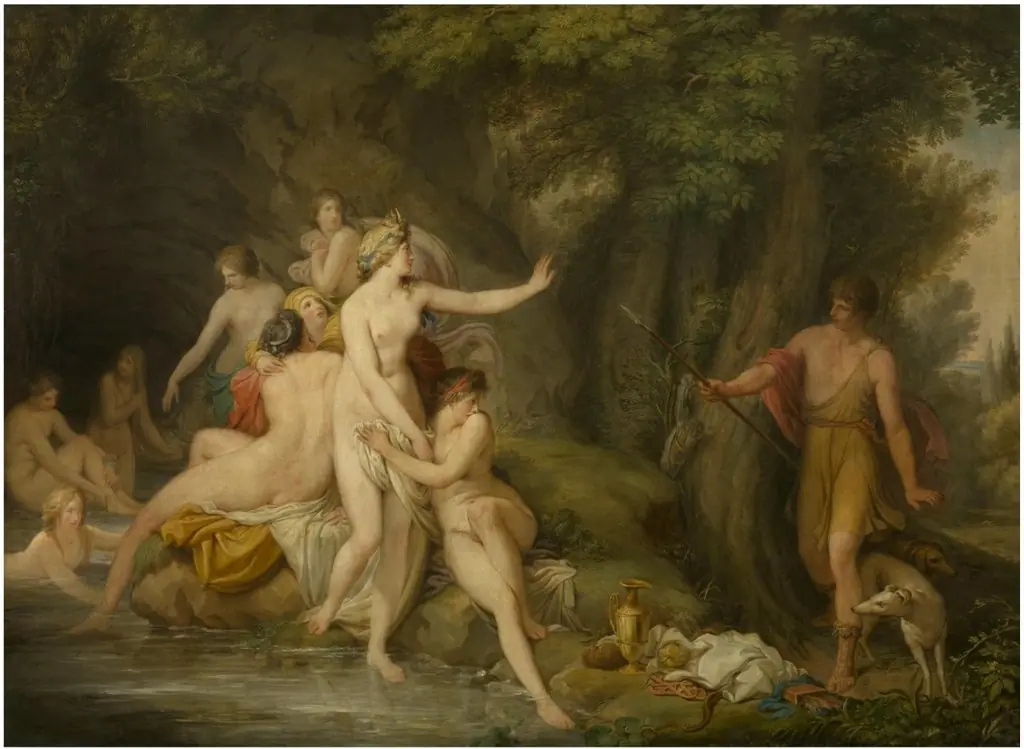
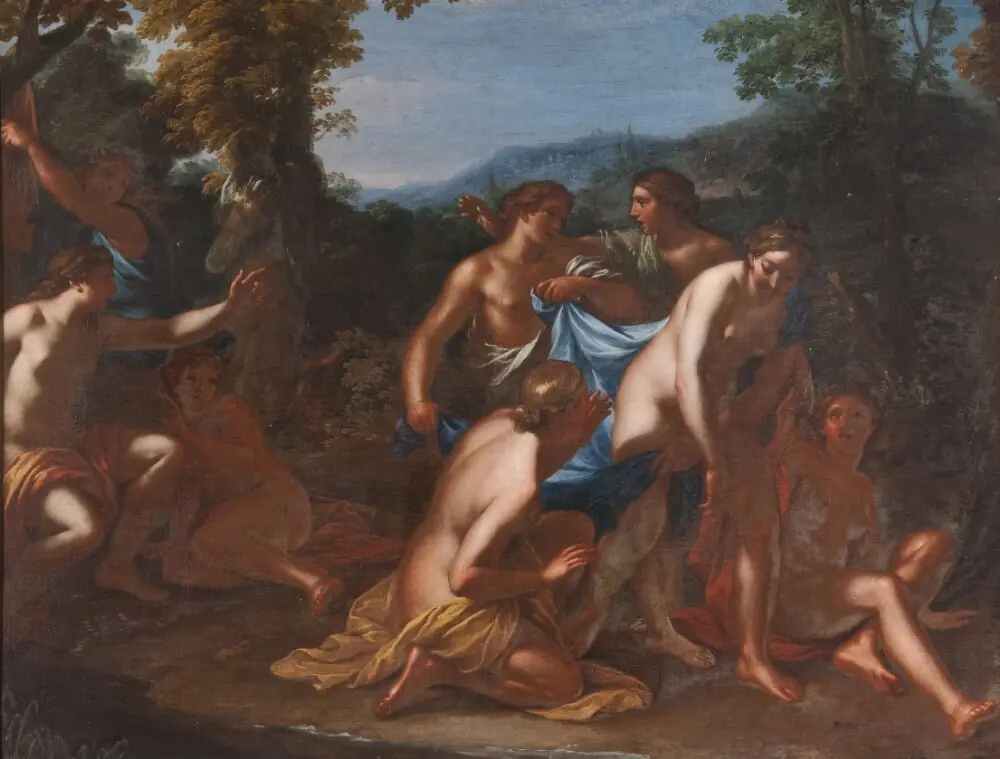
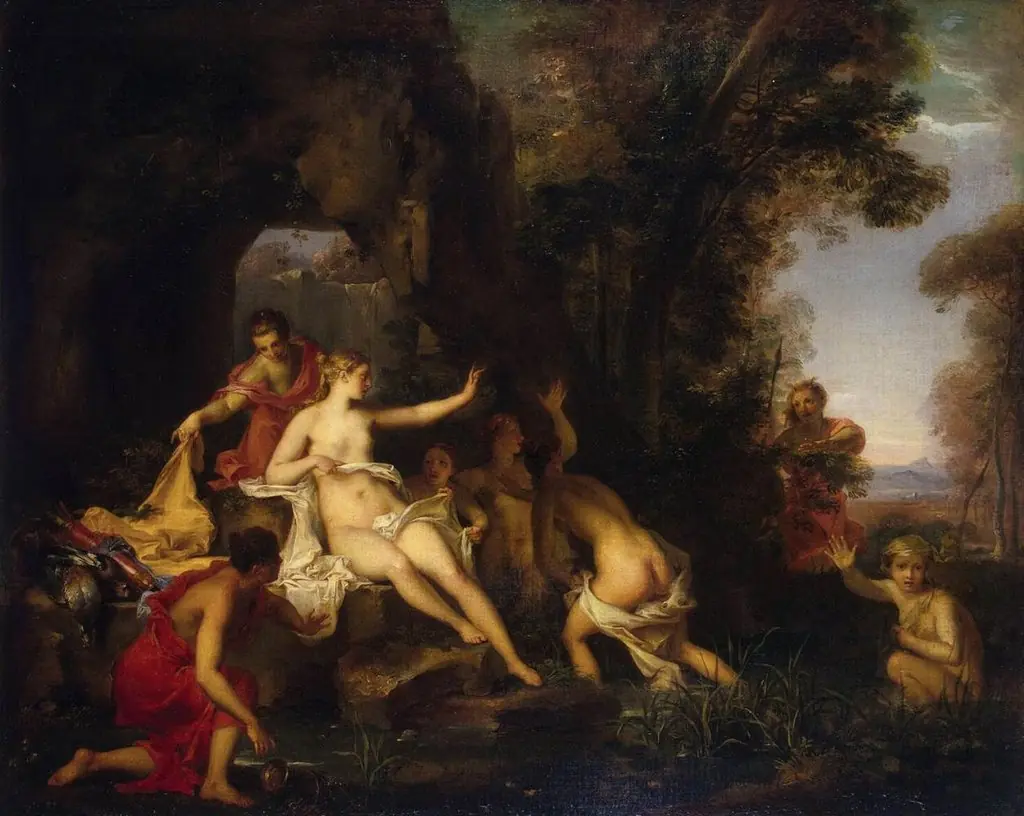
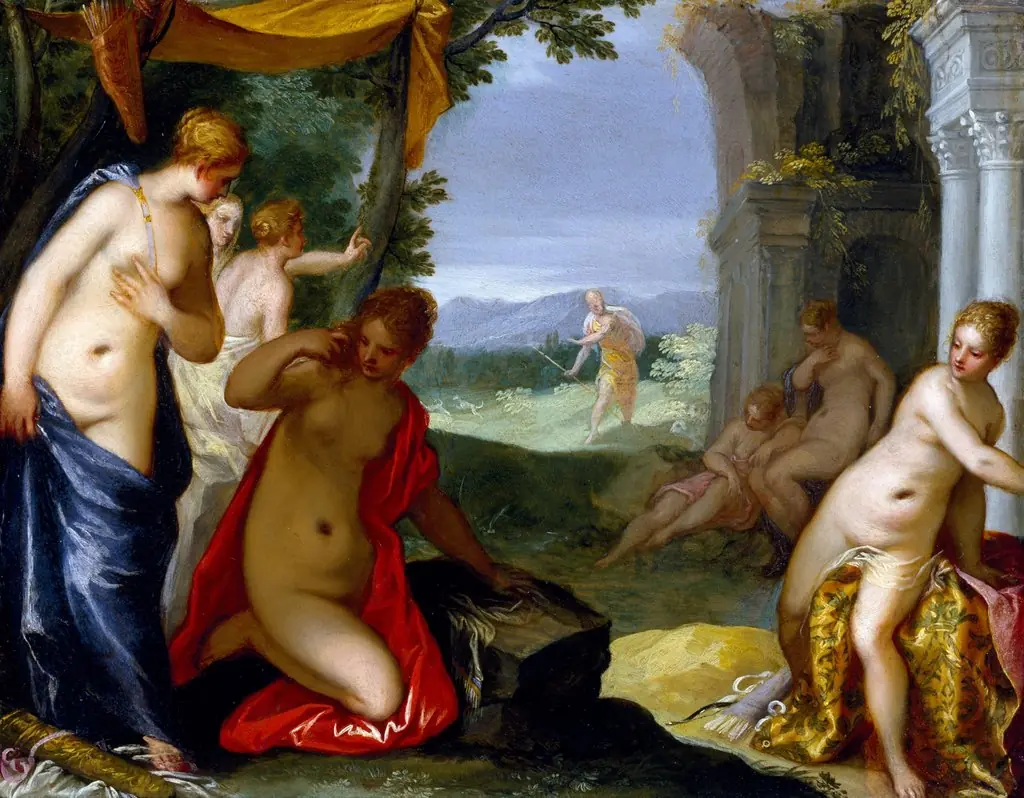
The scene illustrates a moment from Ovid’s Metamorphoses, when Diana’s nymphs discover that Callisto has been impregnated by Jupiter, disguised as the goddess. The moment captures shock and exposure, as Callisto’s pregnancy is revealed amid the group’s bathing ritual. The narrative underscores themes of divine deception, female vulnerability, and the rigid moral codes of mythological worlds.
Technique & Style
Lemoyne employed soft brushwork and delicate color transitions to render the figures and landscape, characteristic of French Rococo aesthetics. The figures are arranged in a graceful, flowing composition, with attention to textile textures and naturalistic lighting. His handling of flesh tones and drapery reveals training in classical ideals, tempered by the period’s emphasis on sensuality and intimacy.
History & Provenance
Commissioned during Lemoyne’s tenure at the French court, the painting likely originated as part of a larger decorative scheme. It passed through private collections before entering LACMA’s holdings. Its survival intact reflects its status as a significant work by a leading academic painter of the early 18th century, though it was never as widely reproduced as those of his contemporaries.
Context
Created during the transition from Baroque grandeur to Rococo intimacy, the painting aligns with French courtly tastes that favored mythological narratives with emotional nuance. Lemoyne’s position at the Académie royale placed him at the center of artistic pedagogy, influencing a generation of painters who would shape French art through the mid-century.
Legacy
Though overshadowed by later Rococo figures like Boucher, Lemoyne’s influence endured through his students and his role in institutional training. 'Diana and Callisto' remains a key example of academic mythological painting in early 18th-century France, illustrating how classical stories were adapted to contemporary aesthetic values without losing their narrative gravity.
Own this work as a print
Artist & collection
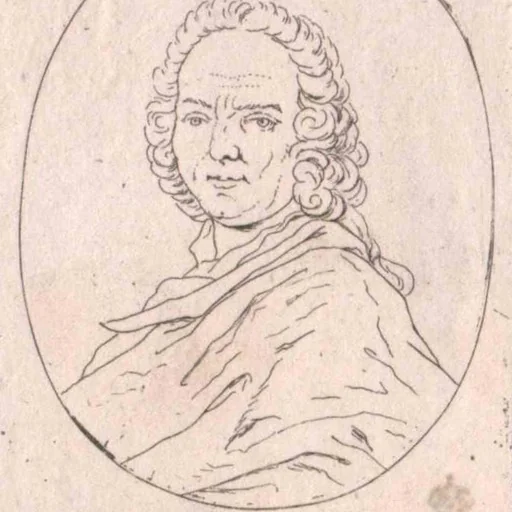
Artist
François Lemoyne or François Le Moine (French: ; 1688 – 4 June 1737) was a French rococo painter.