Artwork
Landscape with Mercury and Argus
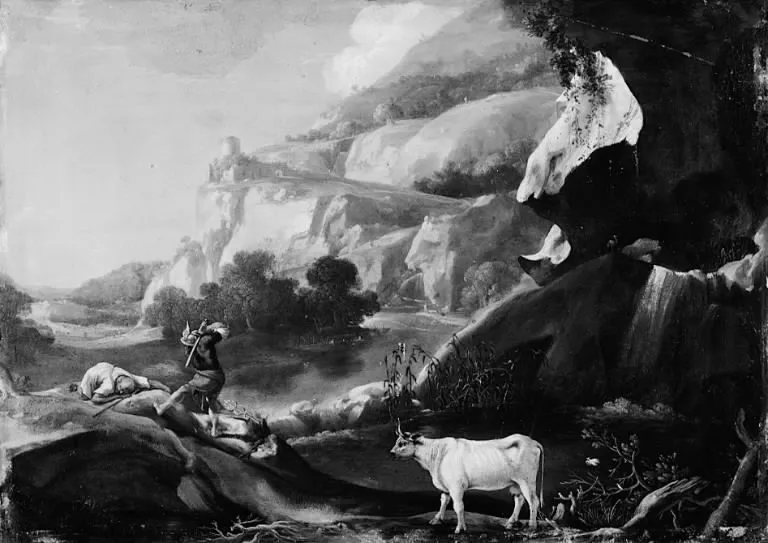
Landscape with Mercury and Argus is an unspecified painting by the Rococo painting artist Christoph Ludwig Agricola. It dates from 1700 and is held in the collection of the Statens Museum for Kunst.
About this work
Overview
Landscape with Mercury and Argus is a 1700 painting by German artist Christoph Ludwig Agricola, associated with the Rococo movement. The work combines classical figures with a pastoral landscape, characteristic of Agricola's style.
Subject & Meaning
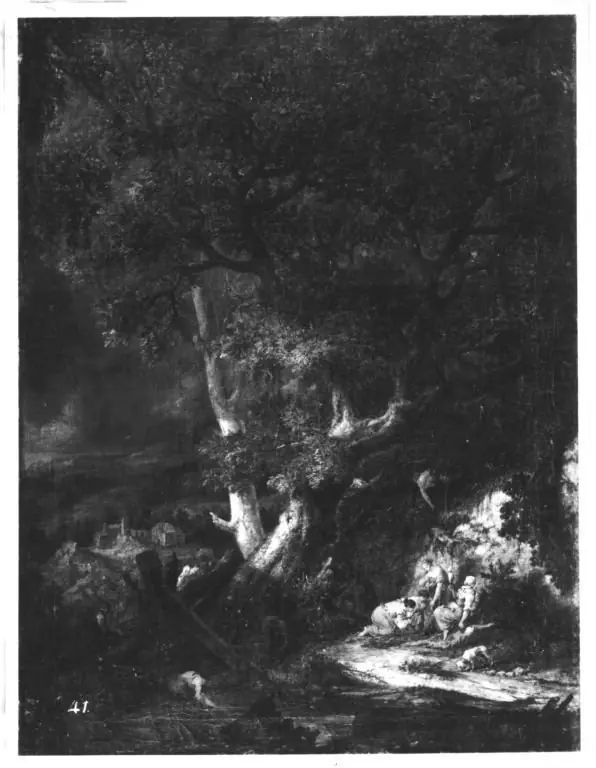
The painting depicts Mercury, the Roman messenger god, identifiable by his winged heels, staff, and hat, alongside Argus, a giant, here shown sleeping with one visible eye. The scene conveys a sense of quiet mystery.
Technique & Style
Agricola employs chiaroscuro, contrasting strong light with dark shadows, to create depth and ambiance in the rocky, misty landscape. Soft light further enhances the serene, enigmatic atmosphere.
History & Provenance
Created in 1700, the painting reflects Agricola's work in Regensburg, where he was active from his birth in 1665 until his death in 1724. Specific provenance details are not provided.
Context
As a Rococo piece, it aligns with the movement's emphasis on intimate, natural settings and classical themes, though Agricola's primary focus on landscape distinguishes his work.
Legacy
While specific legacy details of *Landscape with Mercury and Argus* are not provided, Agricola's contributions to German landscape painting and etching during the Rococo period are notable.
Artist & collection
Artist
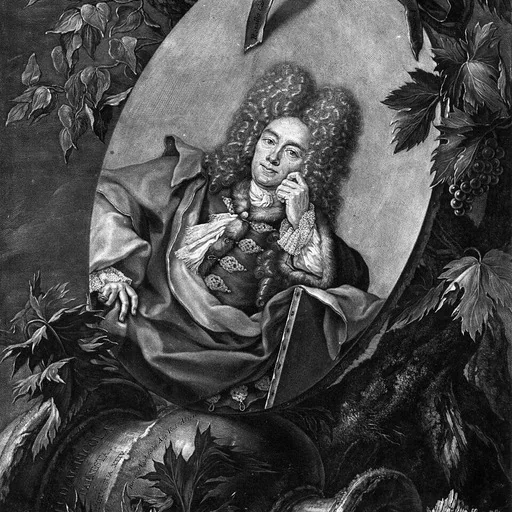
Christoph Ludwig Agricola (5 November 1665 – 8 August 1724) was a German landscape painter and etcher. He was born and died in Regensburg (Ratisbon).

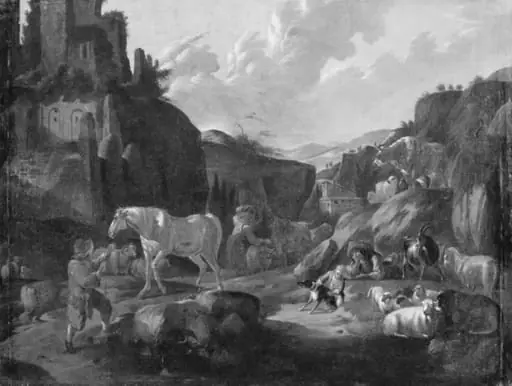 Italian Landscape with Shepherds
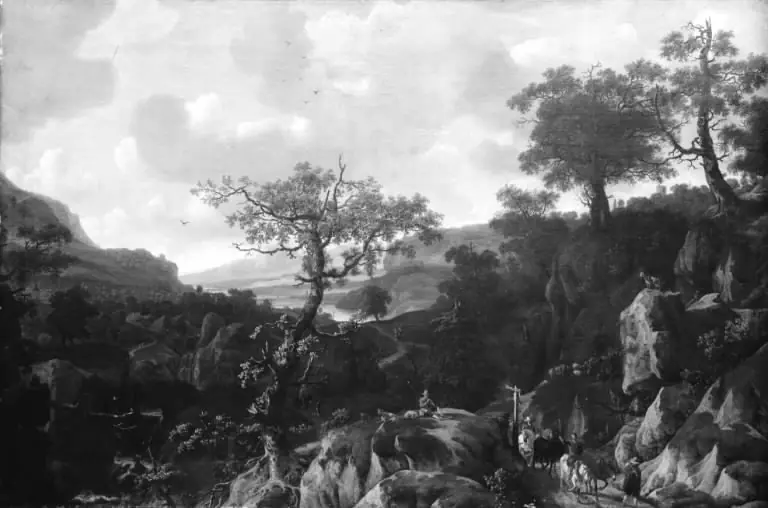 Mountain Landscape
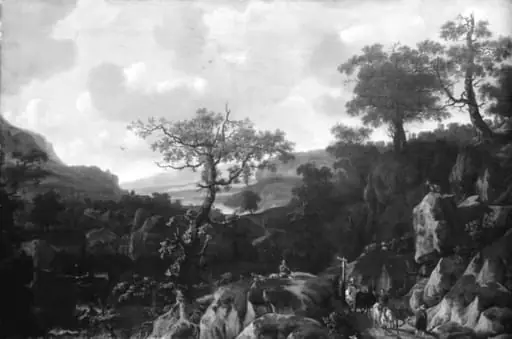 Mountain Landscape
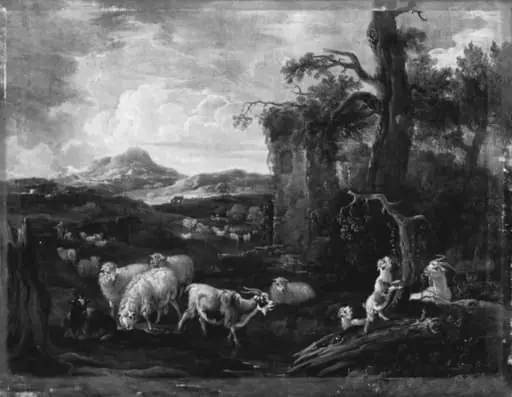 Cattle Piece
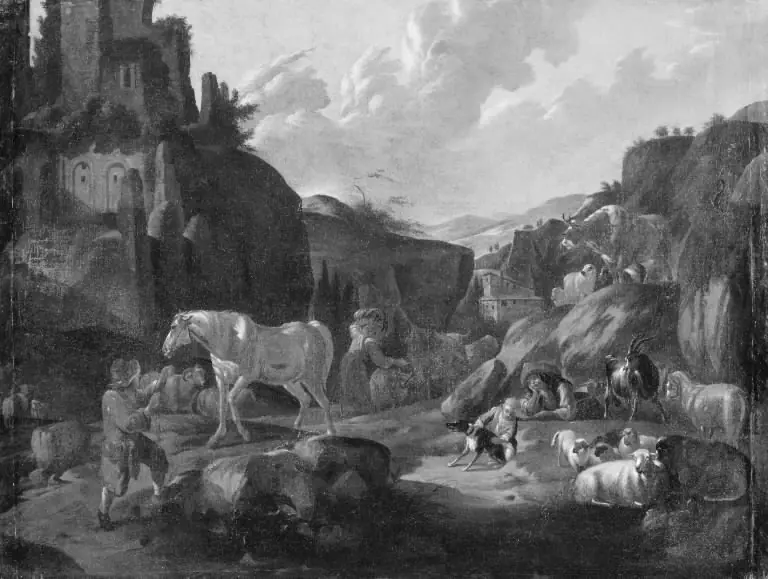 Italian Landscape with Shepherds
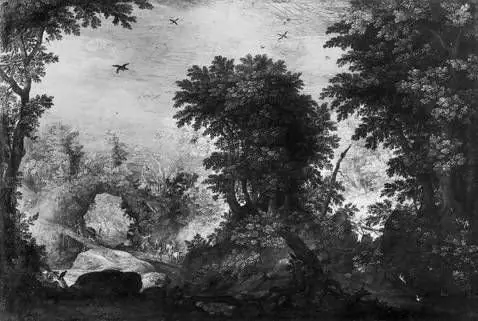 Waldlandschaft mit der Fabel "Der Adler und der Rabe"
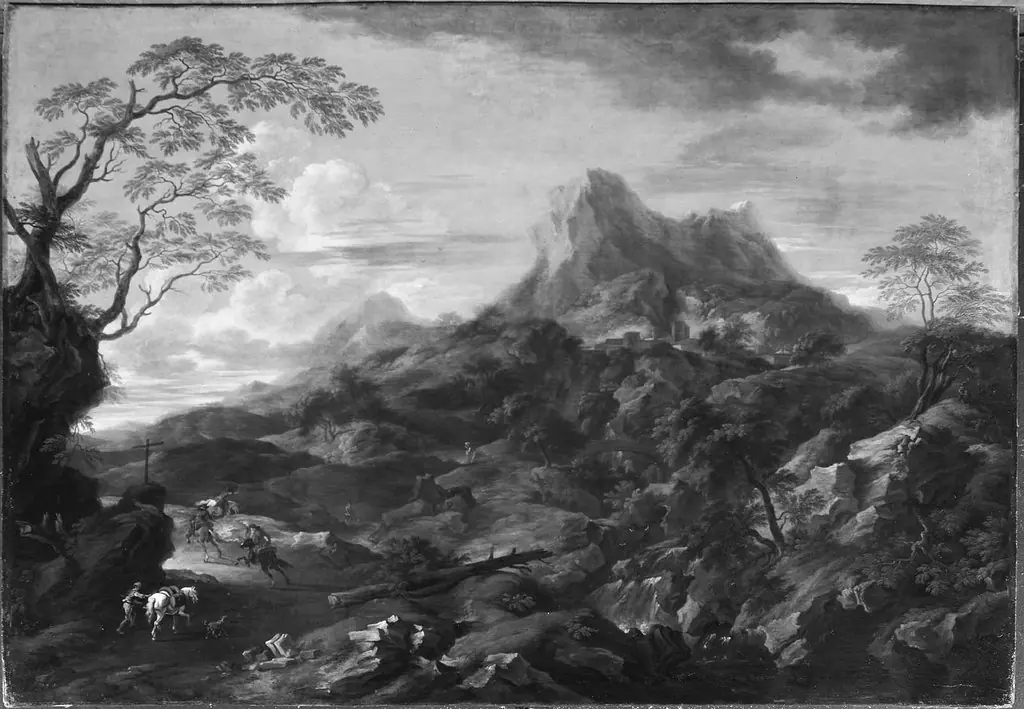 Landscape with Horsemen on a Road
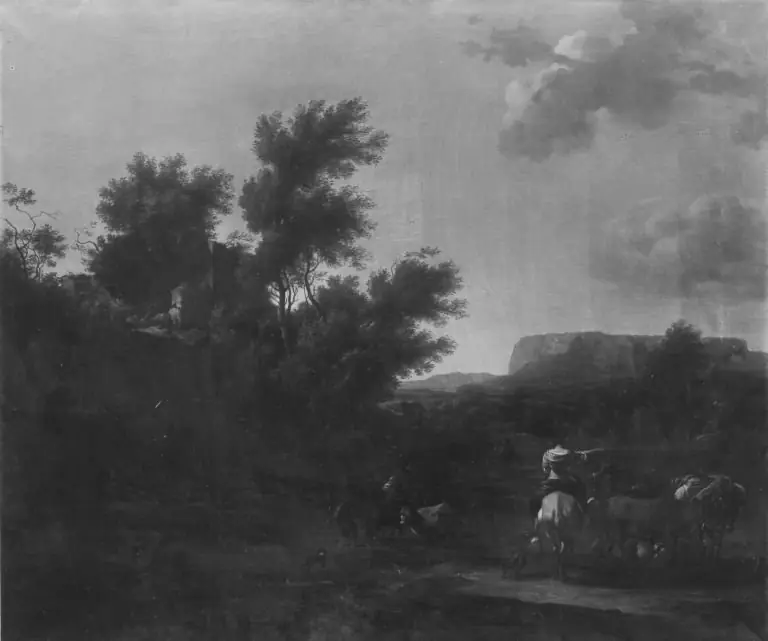 Italianate Landscape with Cattle and Shepherds
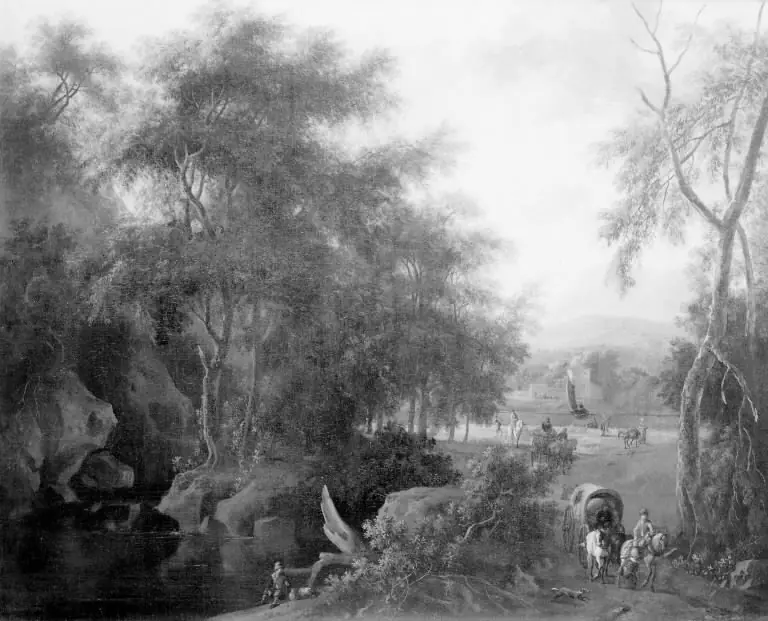 Skovlandskab
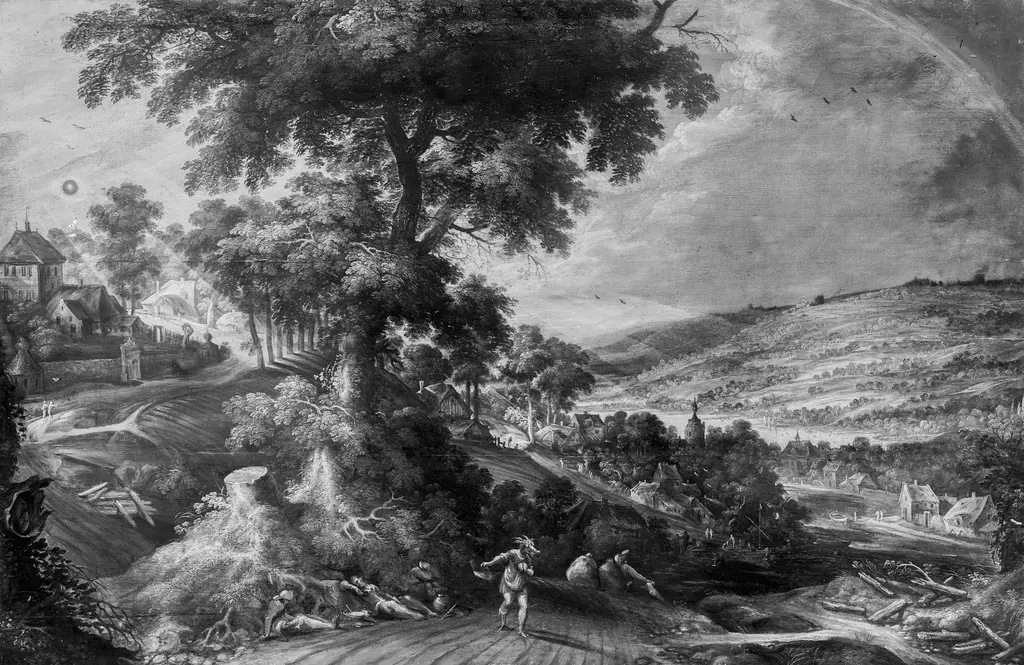 Landscape with the devil who sows weeds
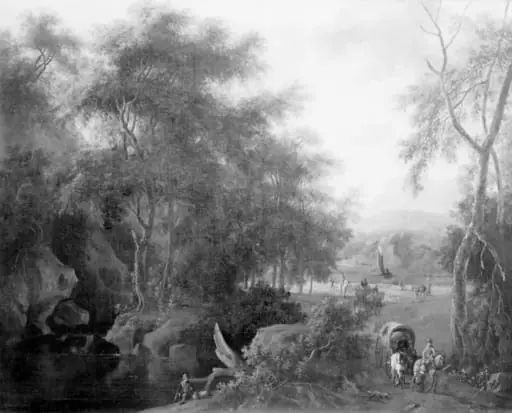 Wooded Landscape
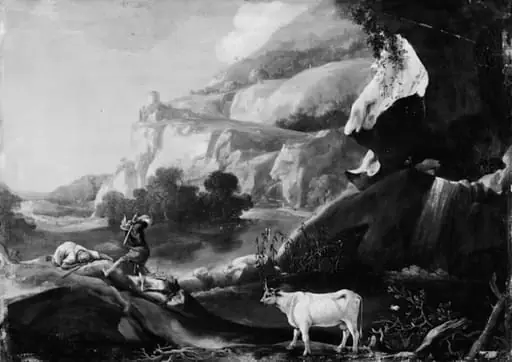 Landscape with Mercury and Argus