Artwork
Geißelung Christi (Kopie nach)
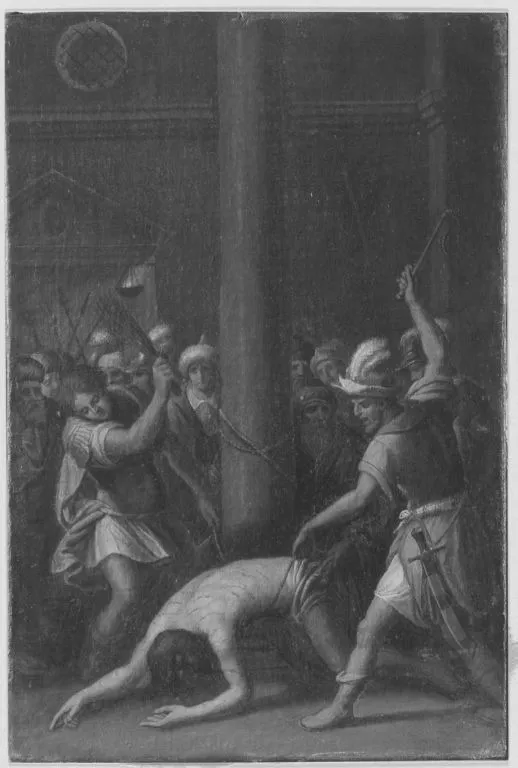
Geißelung Christi (Kopie nach) is an unspecified painting by the Mannerist artist Christoph Schwarz. It dates from 1568 and is held in the collection of the Bavarian State Painting Collections.
About this work
Overview
Christoph Schwarz’s 1568 work titled *Geißelung Christi* (a copy after an earlier model) is a religious painting in the collection of Munich’s Alte Pinakothek. Executed in oil on panel, the composition presents a turbulent interior scene rendered with stark light‑dark contrasts that heighten the dramatic tension of the moment.
Subject & Meaning
The canvas depicts a violent episode linked to the Passion of Christ, though the narrative focus shifts to a chaotic melee rather than the canonical flagellation. Central to the action is a figure striking a dog with a sword, while surrounding men brandish weapons, suggesting a broader allegorical commentary on human cruelty and suffering within a sacred context.
Technique & Style
Schwarz employs chiaroscuro to model forms, allowing illuminated figures to emerge from a tenebrous space defined by heavy drapery and a dark wall. The pronounced contrast between light and shadow not only sculpts the bodies but also directs the viewer’s eye toward the central conflict, reinforcing the emotional intensity typical of mid‑sixteenth‑century Northern religious art.
History & Provenance
Created in 1568 as a copy after an earlier composition, the painting entered the Alte Pinakothek’s holdings during the museum’s early acquisitions of German Renaissance works. Its provenance prior to the museum remains undocumented, but its presence in the collection underscores the institution’s focus on preserving regional devotional imagery from the Reformation era.
Context
The work reflects the turbulent religious climate of the late 1500s in the Holy Roman Empire, when depictions of Christ’s suffering were often employed to provoke contemplation of moral decay. Schwarz’s choice to emphasize a chaotic, almost secular violence within a sacred narrative aligns with contemporary efforts to dramatize spiritual lessons through vivid, emotionally charged scenes.
Artist & collection

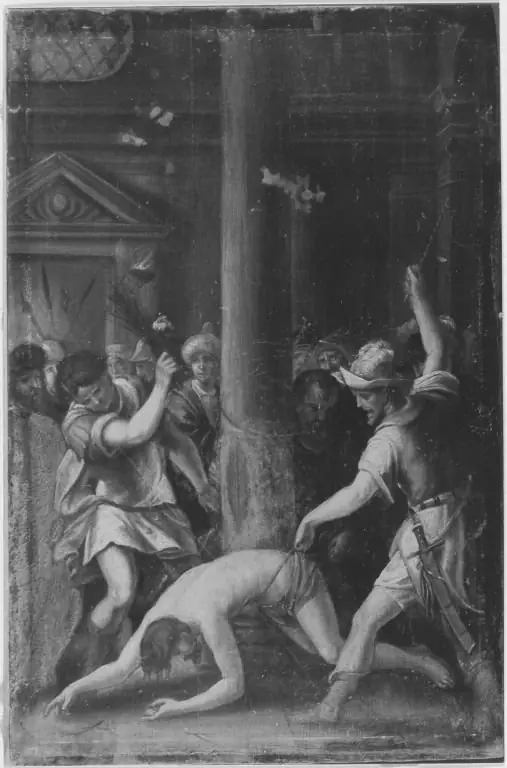 Geißelung Christi (Kopie nach)
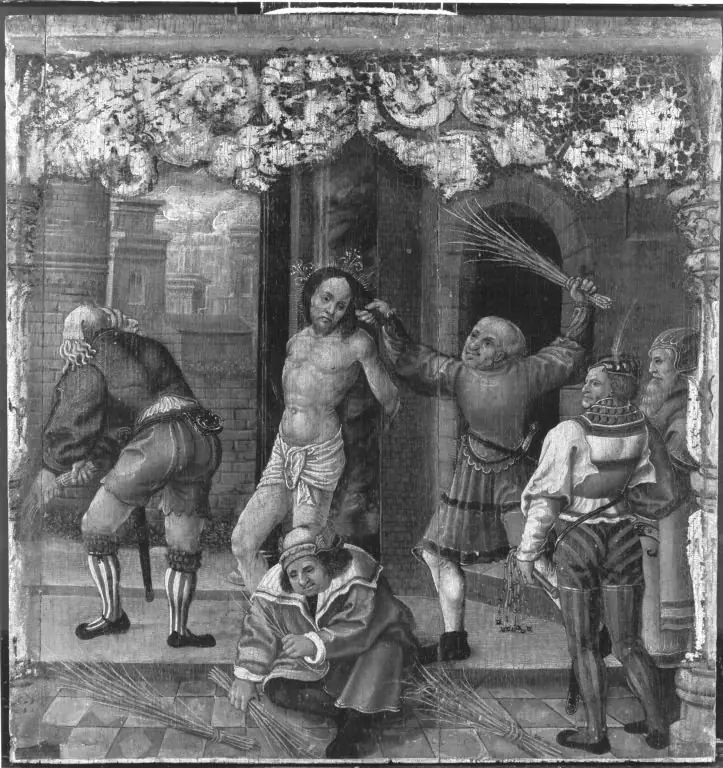 The flagellation of Christ
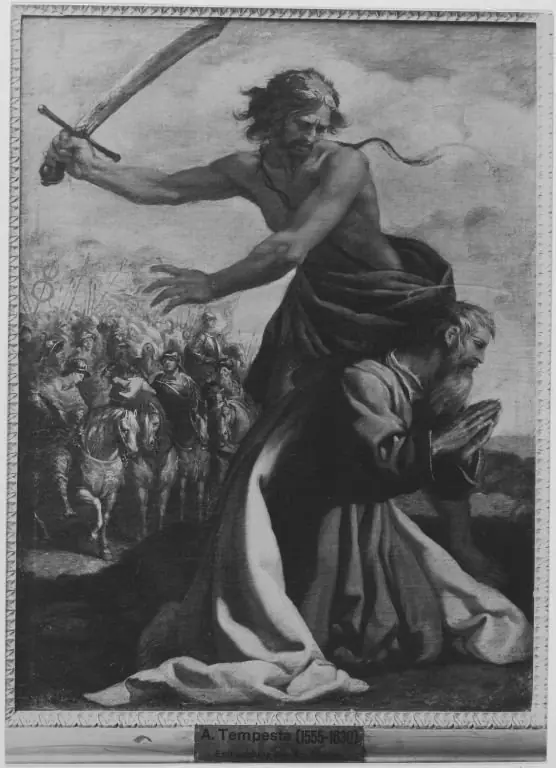 Enthauptung des Apostel Paulus
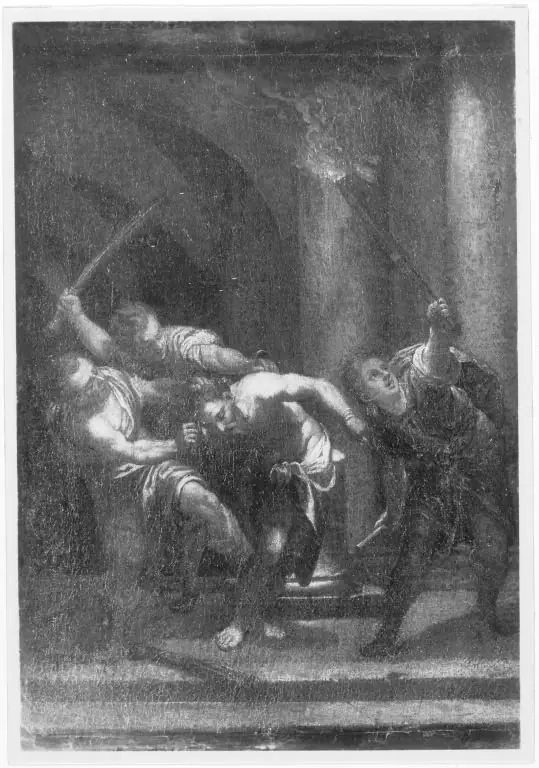 Geißelung Christi
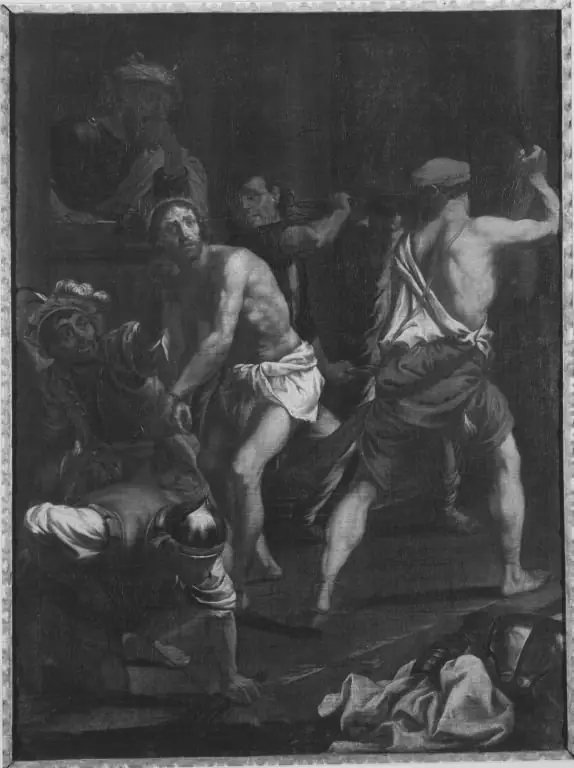 Geißelung Christi
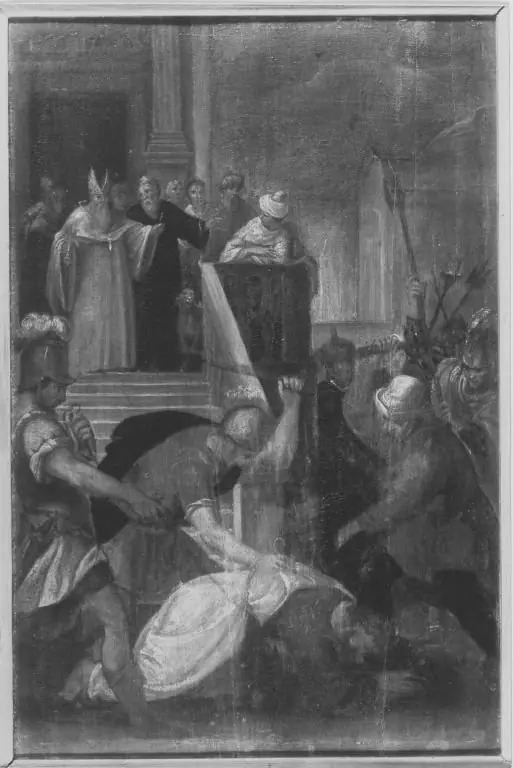 Christus vor Kaiphas (Kopie nach)
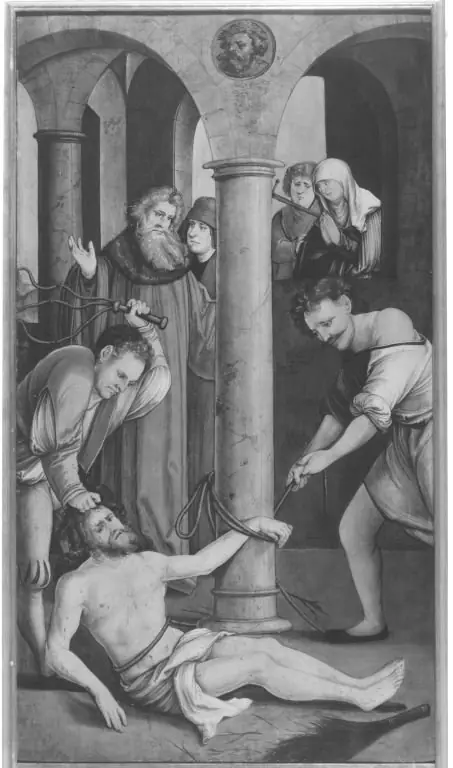 Fall of Christ during the Flagellation
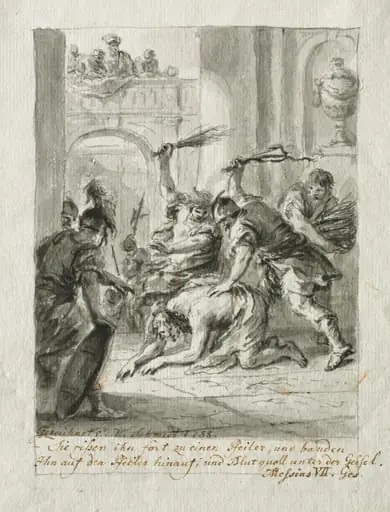 The Flagellation
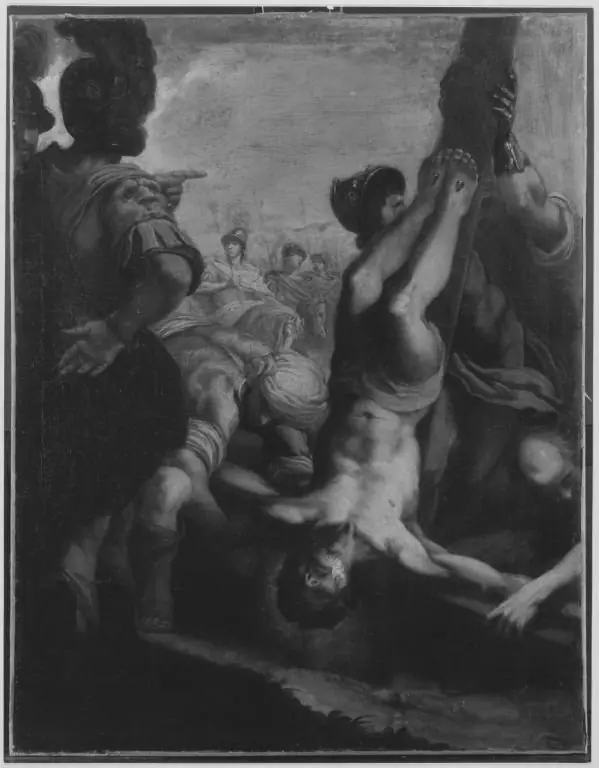 Die Kreuzigung des hl. Petrus
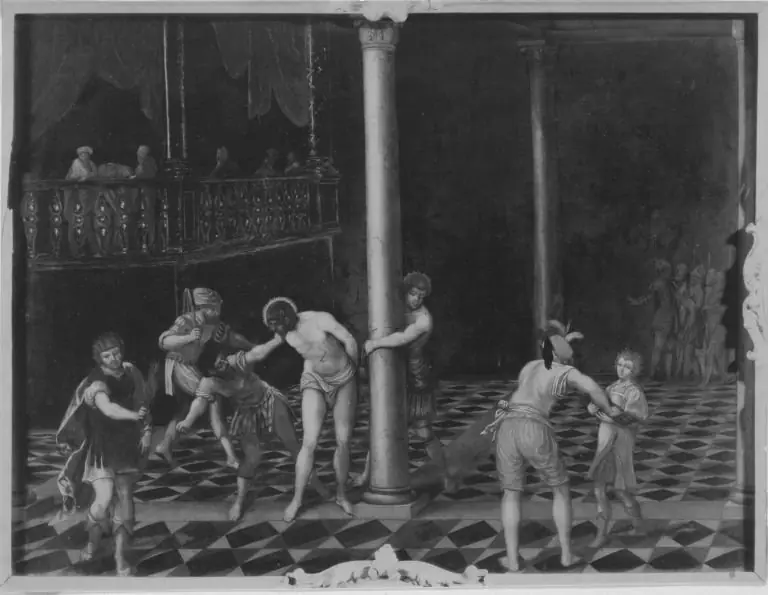 Geißelung Christi
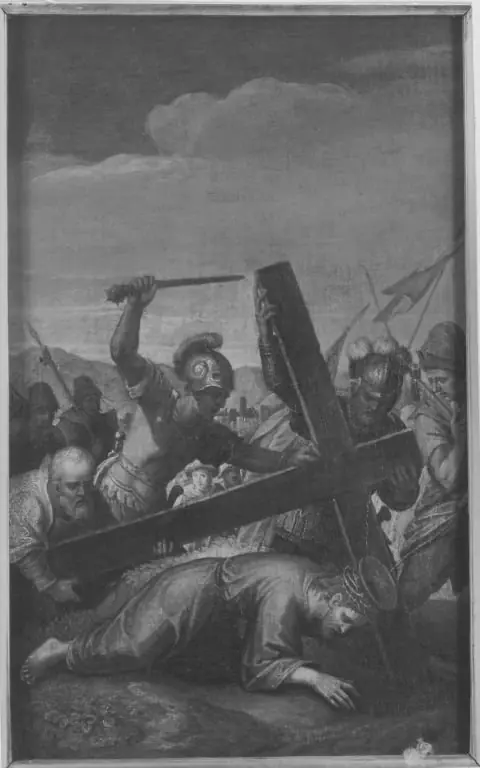 Christus fällt unter dem Kreuz (Kopie nach)
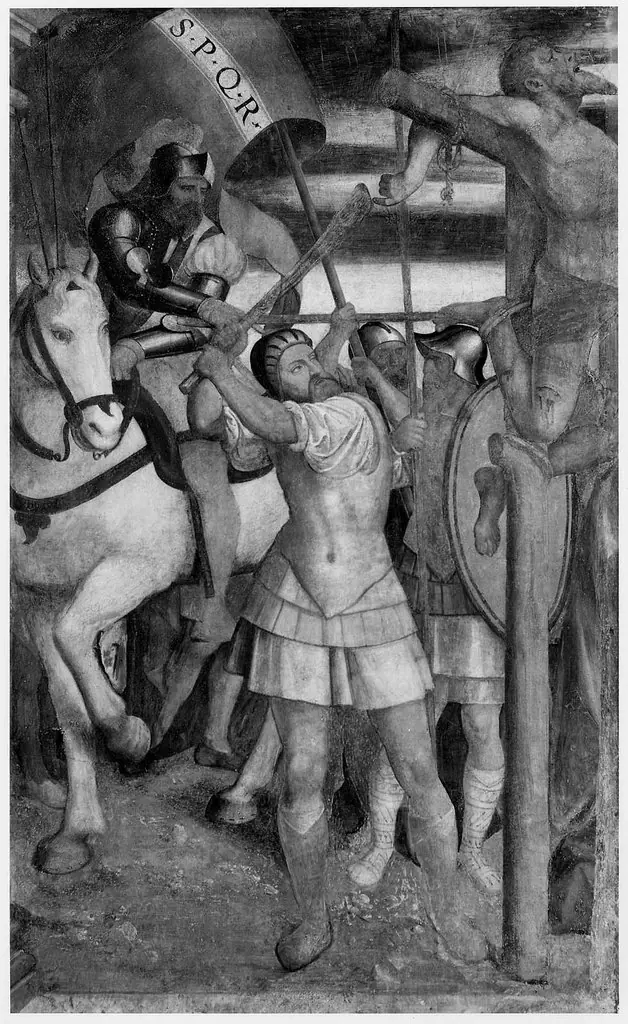 Crucifixion of a Thief