Artwork
Geißelung Christi
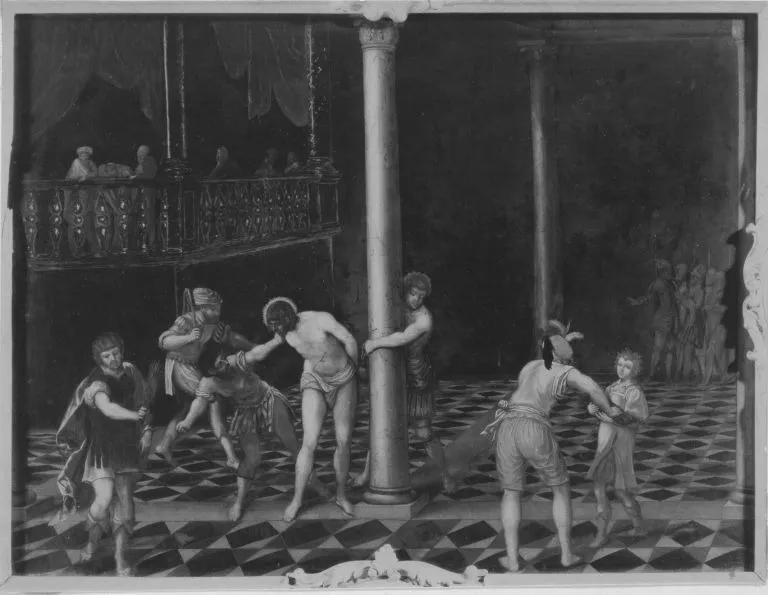
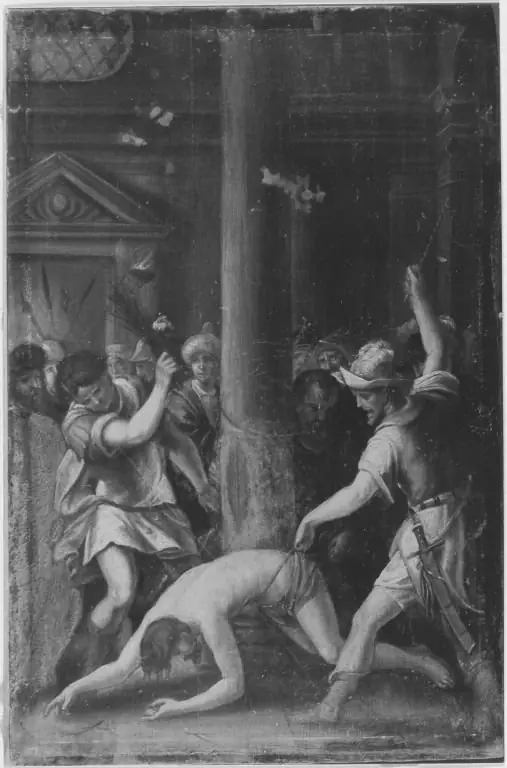
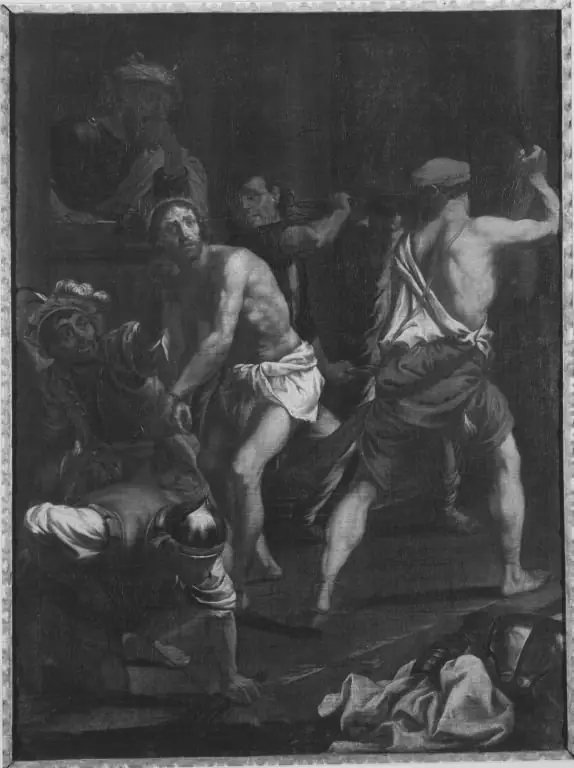
Geißelung Christi is an unspecified painting by the Early Baroque Italian artist Alessandro Turchi. It dates from 1613 and is held in the collection of the Bavarian State Painting Collections.
About this work
Overview
Geißelung Christi is a 1613 painting by Alessandro Turchi, created during the early Baroque period. The work depicts the Flagellation of Jesus Christ and is characterized by Turchi's distinctive soft style, influenced by Caravaggio. It is part of the Alte Pinakothek's collection.
Subject & Meaning
The painting illustrates a pivotal religious moment: the Flagellation of Jesus Christ. Central to the composition is the shirtless figure of Jesus, surrounded by attendants exhibiting tension and engagement with the scene. The dynamics between the figures convey the emotional intensity of the event.
Technique & Style
Turchi employed chiaroscuro to dramatic effect, leveraging strong contrasts of light and shadow to emphasize the central figure and the reactions of the onlookers. The style blends softness with the dramatic intensity characteristic of Caravaggesque influences.
History & Provenance
Created in 1613, Geißelung Christi was painted during Turchi's period of activity primarily in Verona, before his later move to Rome. The work is now held in the collection of the Alte Pinakothek.
Context
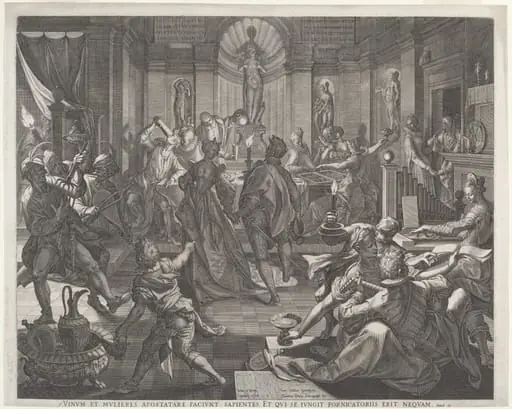
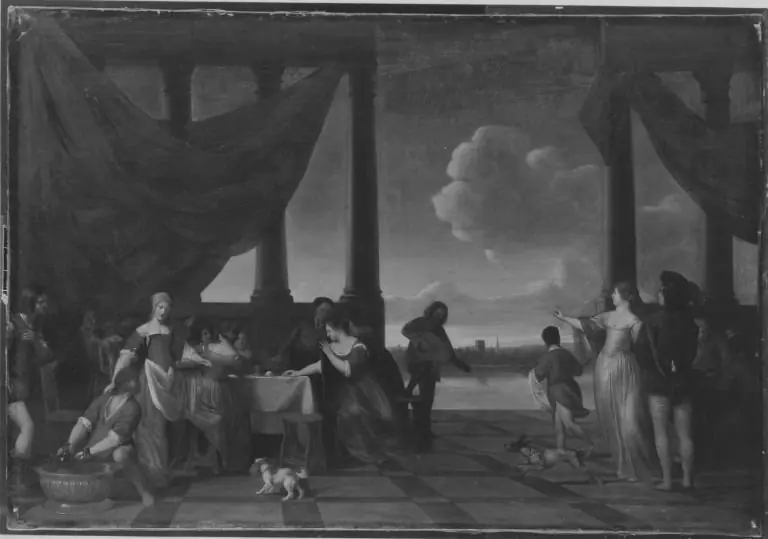
The painting's setting, with its ornate columns, checkerboard floor, and balconied backdrop adorned with statues and draped fabric, reflects a blend of architectural styles, providing a rich contextual frame for the biblical scene.
Artist & collection
Artist
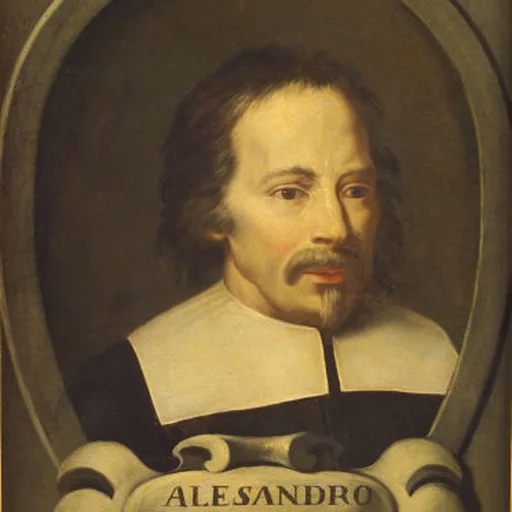
Alessandro Turchi (1578 – 22 January 1649) was an Italian painter of the early Baroque, born and active mainly in Verona, and moving late in life to Rome.