Artwork
Print from Drawing Book
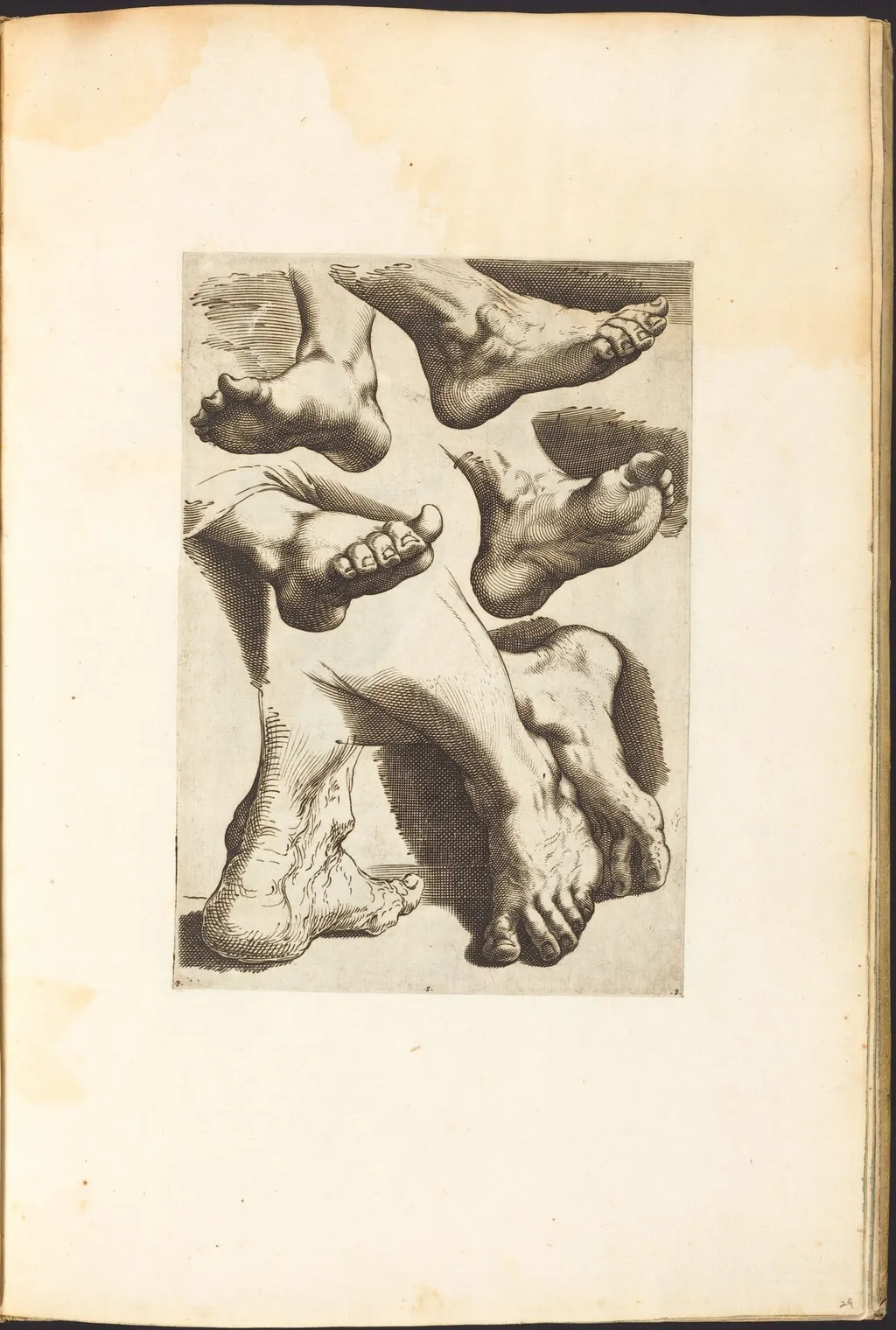
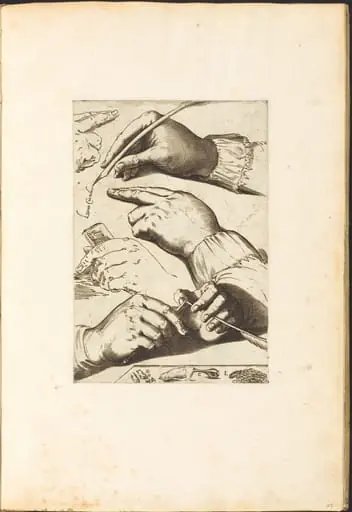
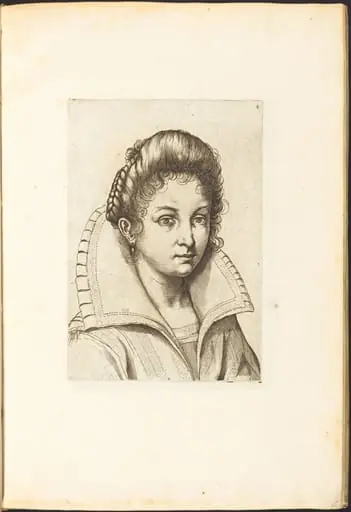
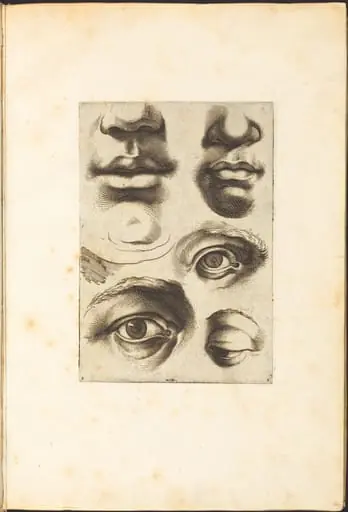
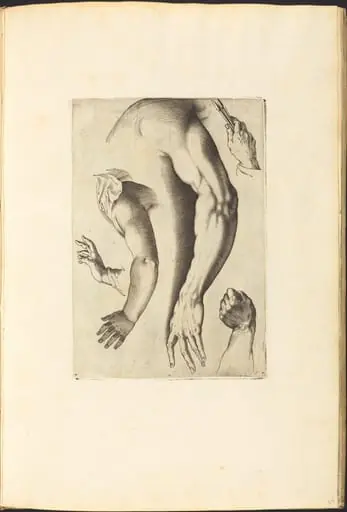
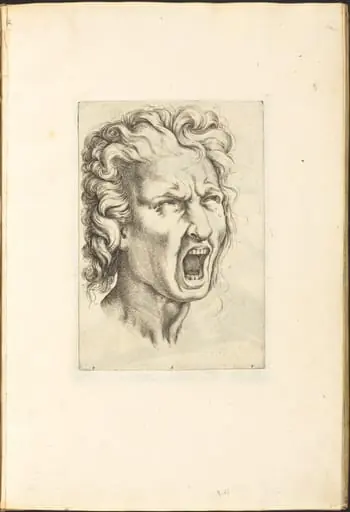
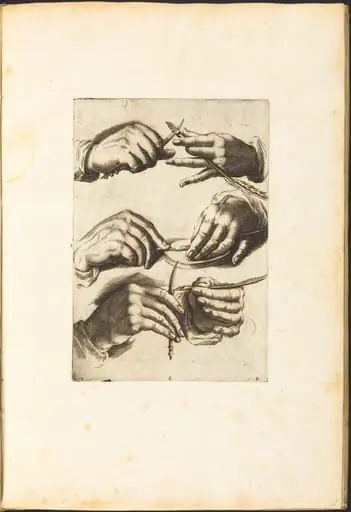
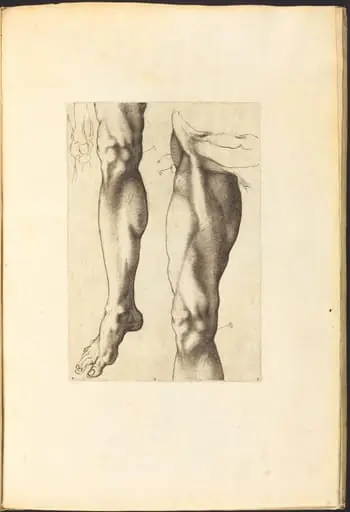
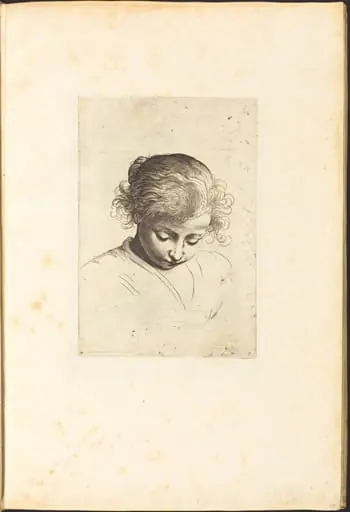
Print from Drawing Book is an ink print by the Baroque artist Luca Ciamberlano. It dates from 1615 and is held in the collection of the National Gallery of Art.
About this work
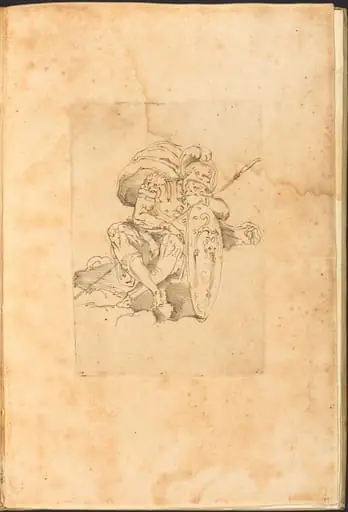
This print shows a fancy coat of arms with curved lines and tiny details. The lines are cut into a metal plate then inked and pressed onto paper. That’s called engraving.
The artist, Luca Ciamberlano, lived in Rome around 1610. He made prints like this one to sell to collectors. It’s small, only about postcard size.
Check out the cross-hatching in the shadows.
Overview
Luca Ciamberlano’s Print from Drawing Book is an early‑17th‑century engraving, dated to around 1615. Executed on a modestly sized sheet comparable to a modern postcard, the work presents an elaborate heraldic device rendered in fine, interlaced lines. Its compact format suggests it was intended for private ownership rather than public display.
Subject & Meaning
The central motif is a decorative coat of arms, composed of flowing curves and intricate miniature elements that together convey a sense of lineage and status. While the specific family or institution represented is not identified, the emphasis on ornamental detail reflects the period’s fascination with genealogical symbols and the visual language of prestige.
Technique & Style
Ciamberlano employed traditional copper‑plate engraving, incising the design with a burin before applying ink and pressing the plate onto paper. The image relies heavily on cross‑hatching to model shadows and give depth to the curvilinear forms. This meticulous line work produces a delicate tonal range despite the medium’s monochrome constraints.
History & Provenance
Active in Rome during the early 1600s, Ciamberlano produced prints primarily for the burgeoning market of collectors seeking affordable, portable artworks. This particular engraving would have been sold as part of a drawing book or as a single sheet, catering to patrons interested in heraldic imagery and the technical virtuosity of printmaking.
Context
The early 17th century saw a rise in the circulation of printed designs, especially among the educated elite who used such images for reference in architecture, armor, and manuscript decoration. Ciamberlano’s work fits within this broader trend, illustrating how engravers supplied visual resources that reinforced social hierarchies through symbolic emblems.
Artist & collection