Artwork
Print from Drawing Book
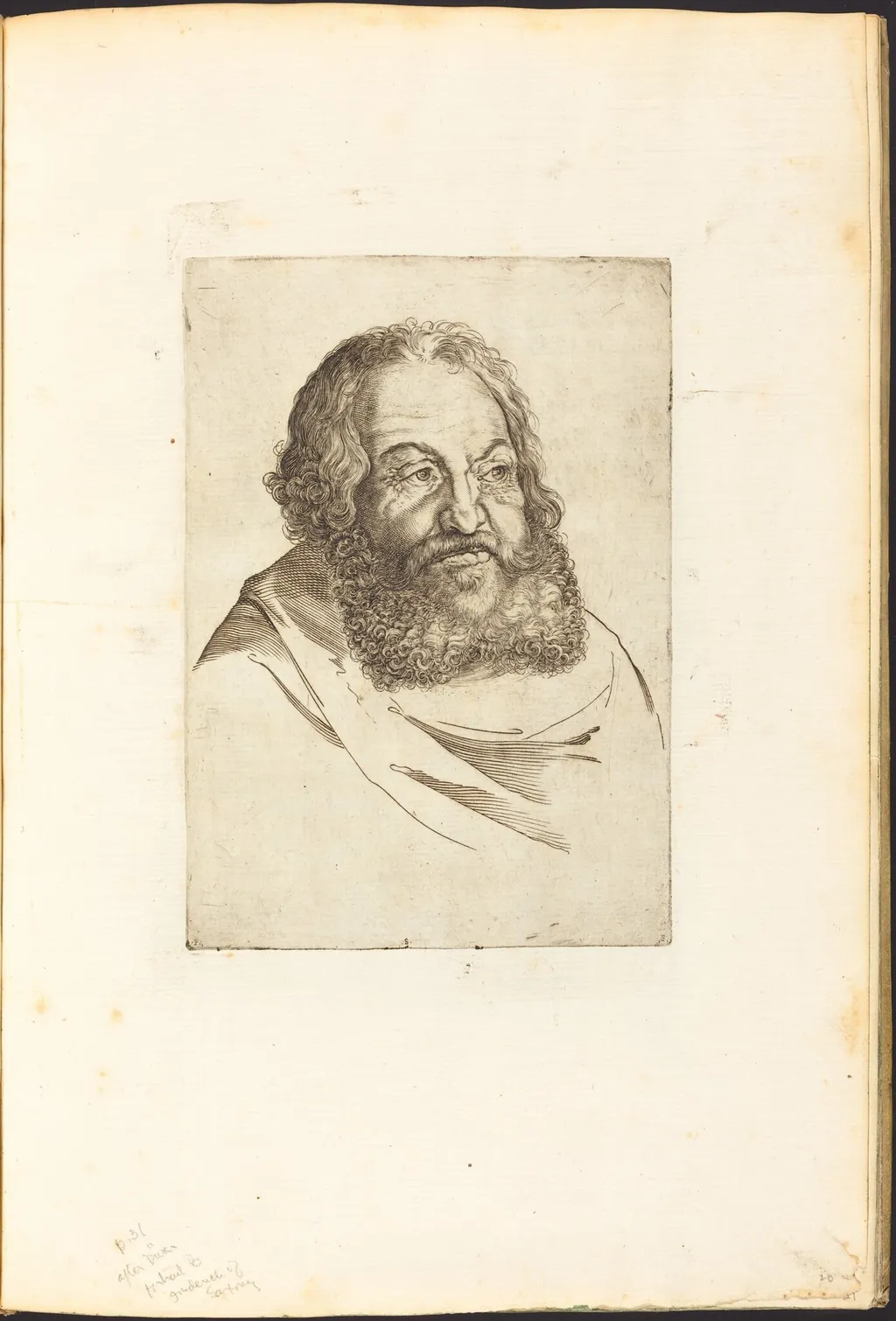
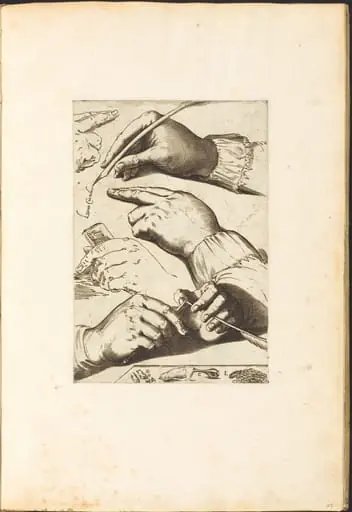
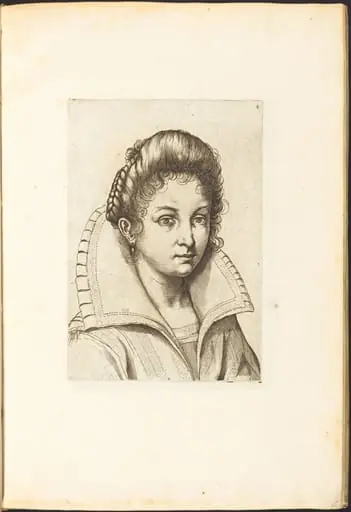
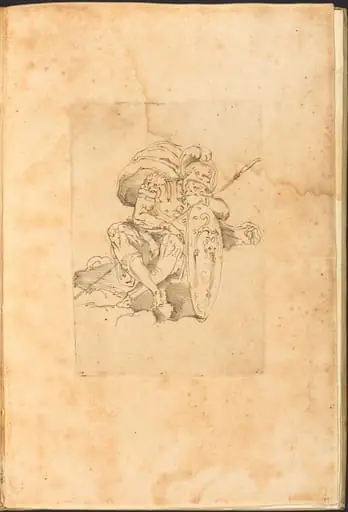
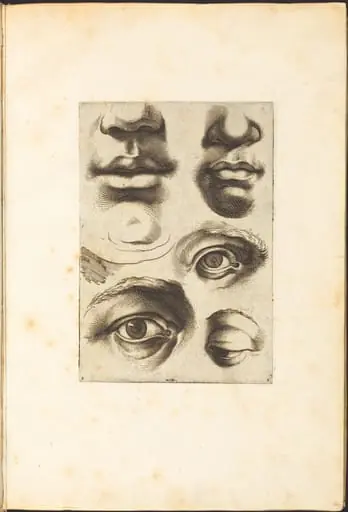
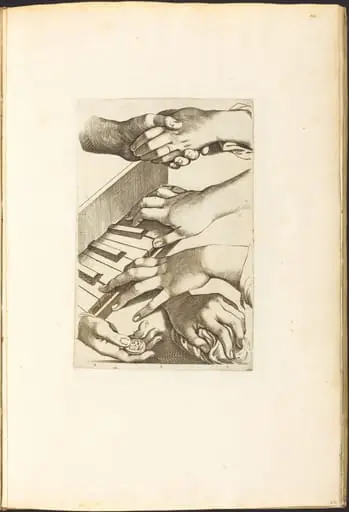
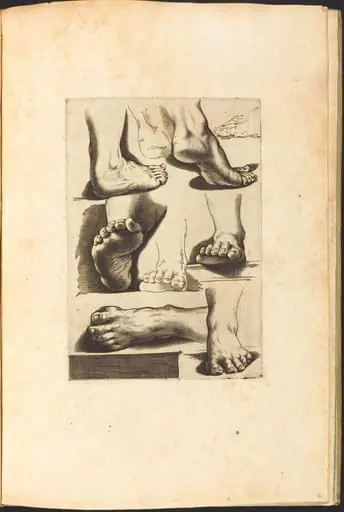
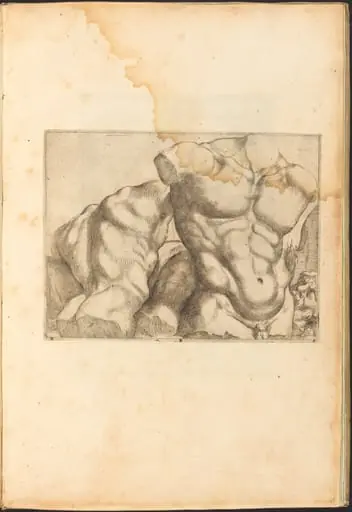
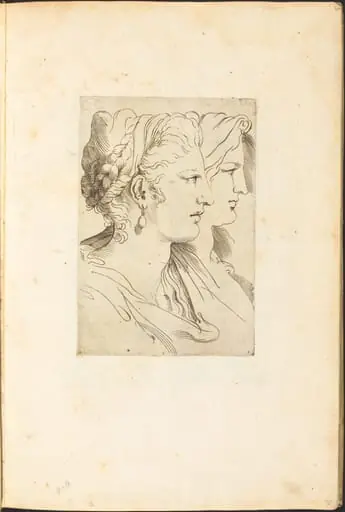
Print from Drawing Book is an ink print by the Baroque artist Luca Ciamberlano. It dates from 1615 and is held in the collection of the National Gallery of Art.
About this work
Overview
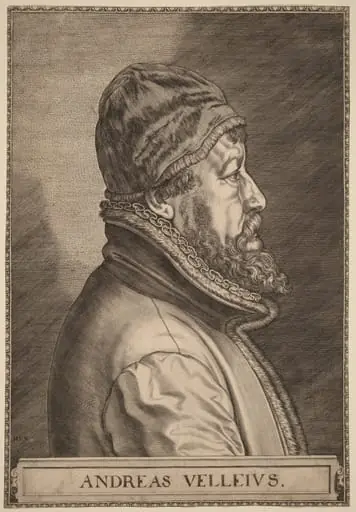
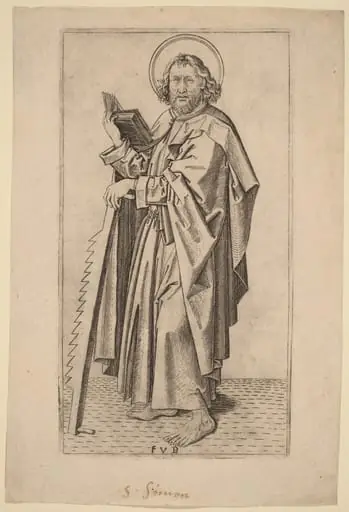
Luca Ciamberlano’s print, titled *Print from Drawing Book*, is an early‑17th‑century engraving dated around 1615. Executed in black ink on paper, the work presents a single, life‑size portrait rendered entirely through line and hatch. It exemplifies the period’s practice of reproducing drawings as prints for broader circulation among collectors and scholars.
Subject & Meaning
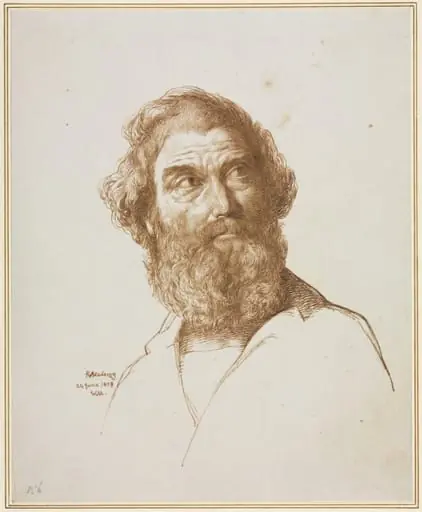
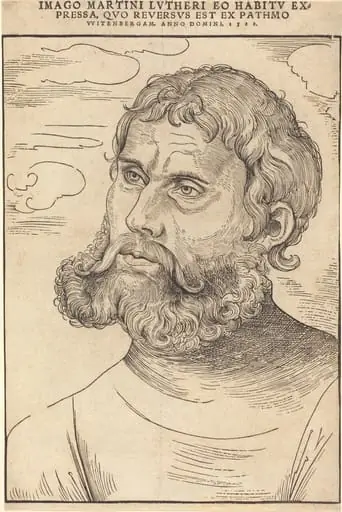
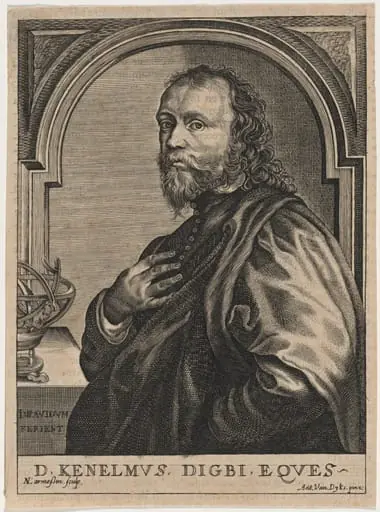
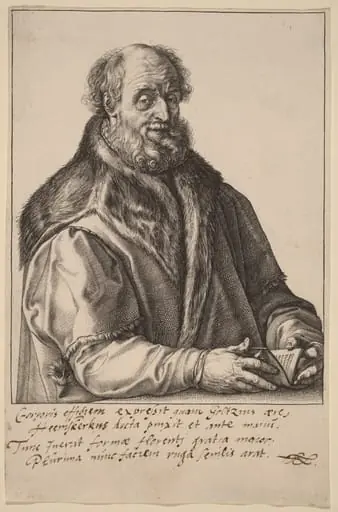
The image depicts an elderly gentleman with a full white beard, curled hair, and a ruffled collar framing his features. Deep furrows on his forehead and around his eyes convey age and gravitas, while his steady, unsmiling gaze suggests a contemplative or dignified presence, typical of portraiture intended to emphasize character over narrative.
Technique & Style
Ciamberlano employs delicate, closely spaced lines to model the texture of hair and beard, while broader cross‑hatching creates tonal depth in the face and clothing. This meticulous line work, characteristic of early Baroque engraving, allows subtle gradations of light without the use of color, achieving a realistic rendering within the medium’s constraints.
History & Provenance
The engraving was likely produced as part of a drawing book—a collection of studies used by artists and patrons for reference. Though specific ownership records are scarce, the work survives in several European print collections, indicating its circulation among connoisseurs of printed portraiture in the decades following its creation.
Context
Created during a period when Italian engravers were translating the dynamism of drawing into reproducible prints, the piece reflects the broader demand for portable, affordable images of notable figures. Ciamberlano, active in Rome, contributed to this trend, supplying prints that could be disseminated beyond the workshop.
Legacy
While not among the most celebrated prints of its era, the work offers insight into the technical skill and aesthetic priorities of early 17th‑century Italian engraving. It remains a reference point for scholars studying the evolution of portraiture in print and the role of drawing books in artistic training.
Artist & collection