Artwork
Peisaj la Mogoșoaia
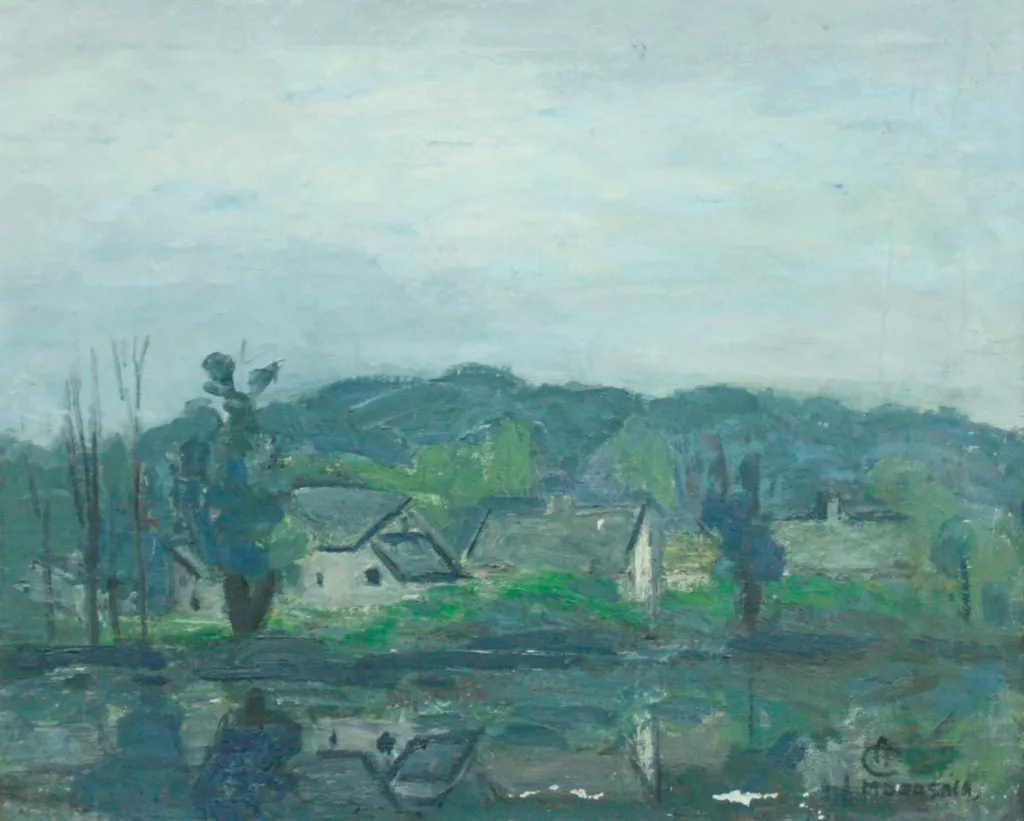
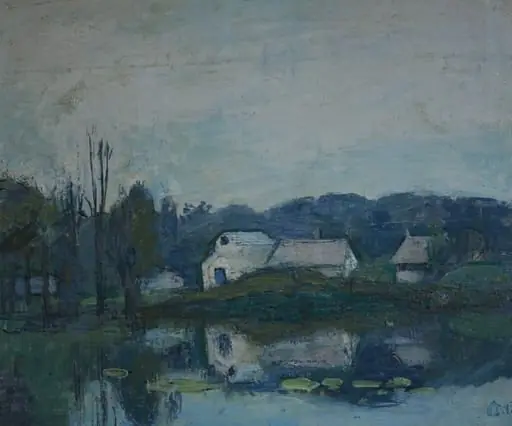
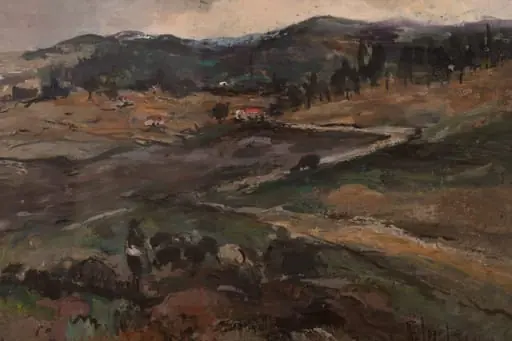
Peisaj la Mogoșoaia is a print by Alexandru Ciucurencu. It dates from 1949 and is held in the collection of the Visual Art Museum Galați.
About this work
Overview
Alexandru Ciucurencu painted *Peisaj la Mogoșoaia* circa 1949, capturing a quiet rural scene near the village of Mogoșoaia in Romania.
Alexandru Ciucurencu painted *Peisaj la Mogoșoaia* circa 1949, capturing a quiet rural scene near the village of Mogoșoaia in Romania. A trained artist who studied in Bucharest and Paris, Ciucurencu was associated with Post-Impressionist tendencies, favoring emotional resonance over precise representation. The work is held in the Museum of Ethnography’s collection, reflecting its cultural significance within Romanian modernist art.
Subject & Meaning
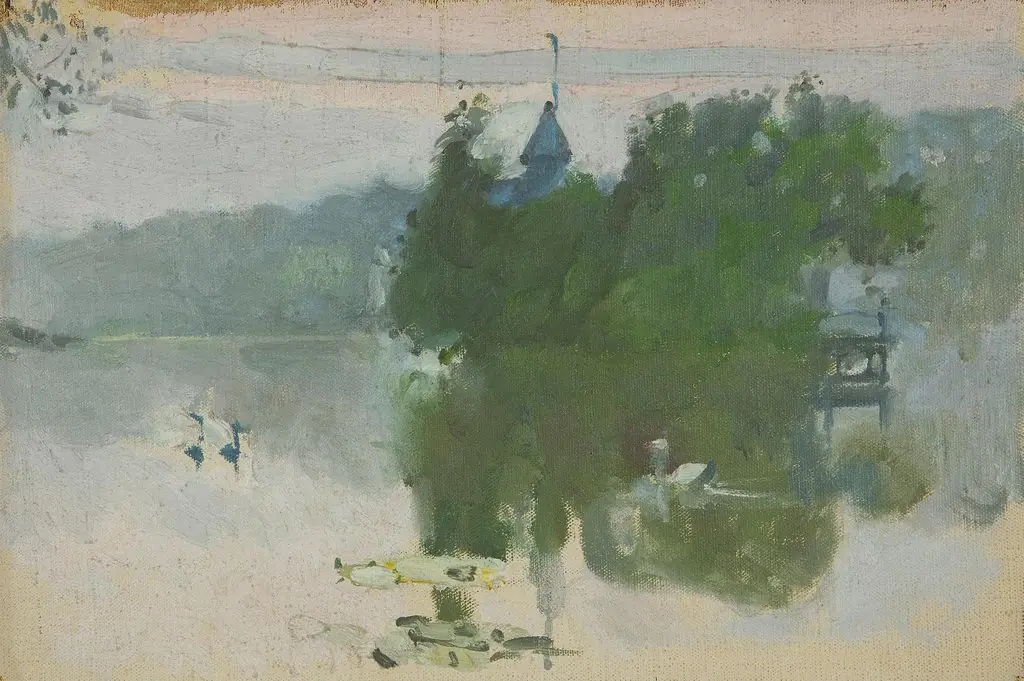
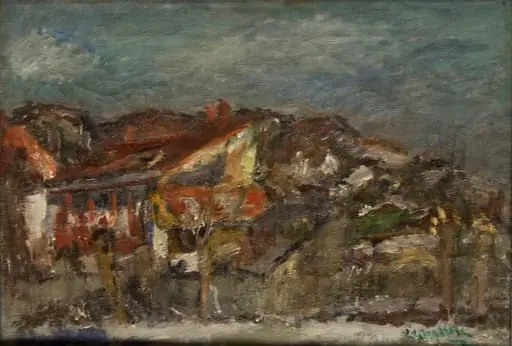
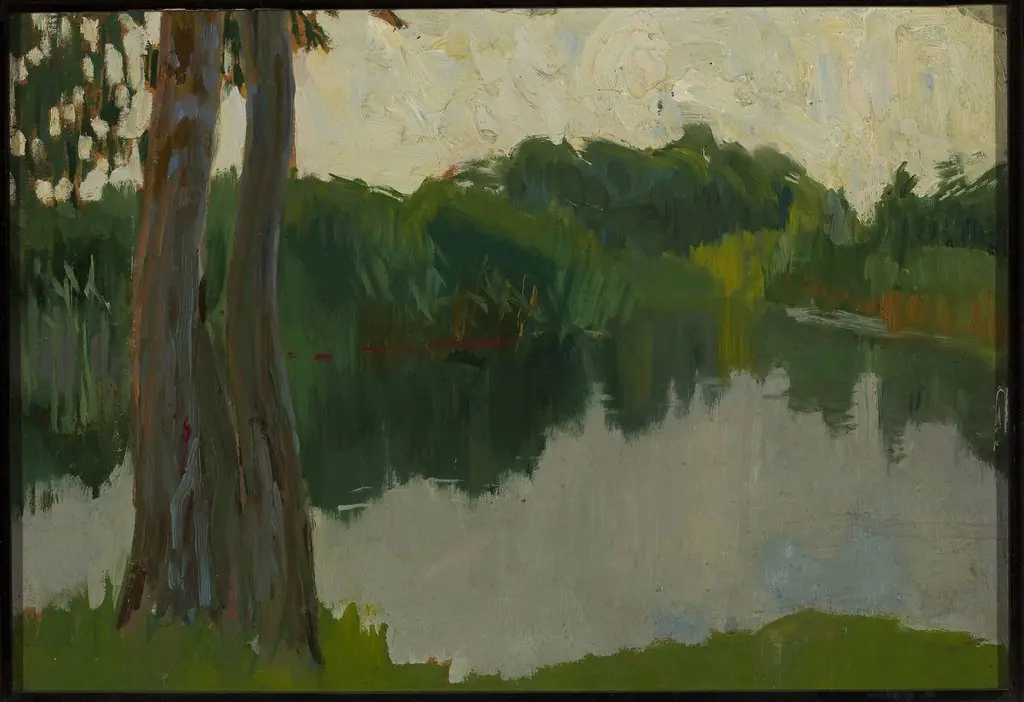
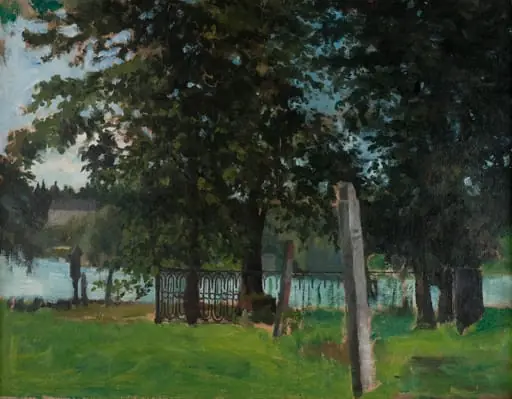
The painting presents a tranquil countryside view: modest dwellings cling to a low hill, surrounded by scattered trees and a still body of water. There is no human activity, no focal point—only the quiet persistence of nature and settlement. The absence of narrative suggests contemplation rather than documentation, emphasizing the serenity and stillness of the Romanian landscape in the postwar period.
Technique & Style
Ciucurencu employed loose, fluid brushwork to suggest form rather than define it. Colors are restrained—soft greens, earthy browns, and pale blues—creating a muted, atmospheric tone. The sky and water blend subtly, with reflections dissolving into hazy horizons. Details are minimized; structure emerges through tone and rhythm, aligning with Post-Impressionist concerns for mood over realism.
History & Provenance
Created in the late 1940s, the painting emerged during a period of cultural redefinition in Romania under early communist rule. Though state ideology favored socialist realism, Ciucurencu maintained a personal, lyrical approach. The work entered the Museum of Ethnography’s collection, where it was preserved as part of Romania’s broader artistic heritage, separate from official propaganda.
Context
In postwar Romania, many artists navigated tension between state demands and individual expression. Ciucurencu, influenced by French academic training and Post-Impressionist sensibilities, chose to depict rural life with poetic restraint. His focus on quiet landscapes offered an alternative to monumental or ideological imagery, preserving a sense of place untouched by political rhetoric.
Legacy
Ciucurencu’s *Peisaj la Mogoșoaia* exemplifies a quiet strand of Romanian modernism that prioritized atmosphere and personal vision. Though not widely exhibited beyond national collections, the work remains a reference for artists interested in lyrical landscape painting. Its endurance in the Museum of Ethnography underscores its role as a cultural artifact of rural Romanian identity.
Artist & collection
Artist
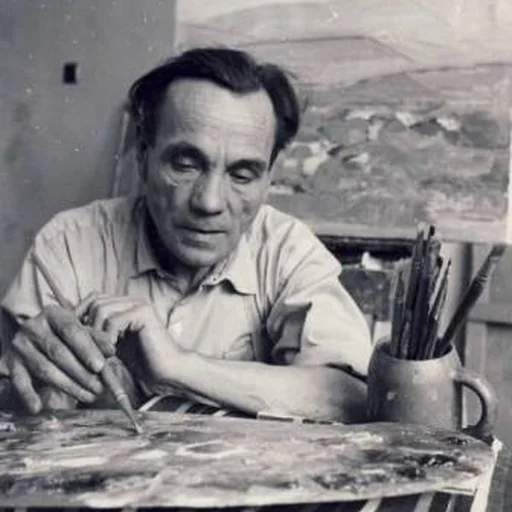
Alexandru Ciucurencu (Romanian pronunciation: ; 27 September 1903 – 27 December 1977) was a Romanian Post-Impressionist painter, and a corresponding member of the Romanian Academy.