Artwork
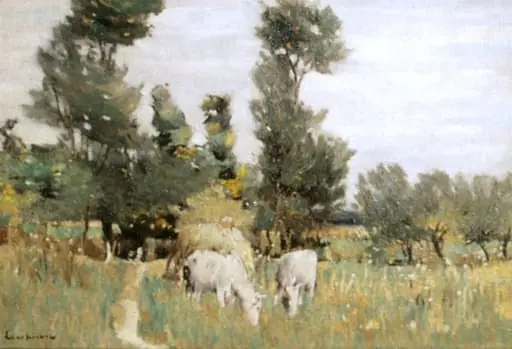
Peisaj cu căpițe de fân
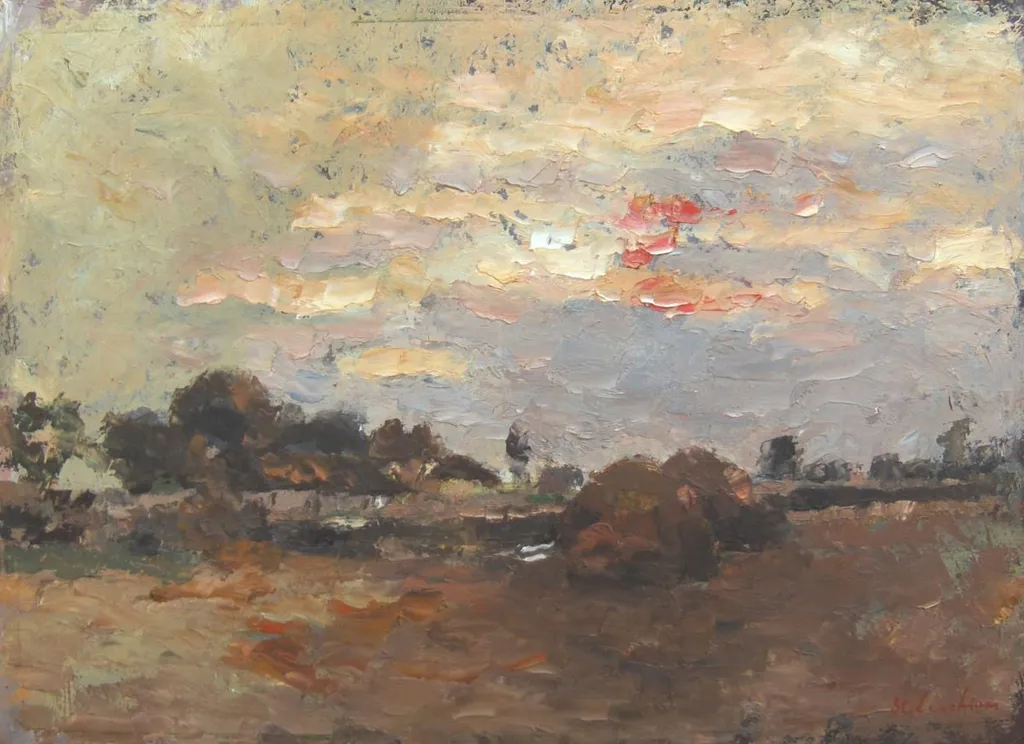
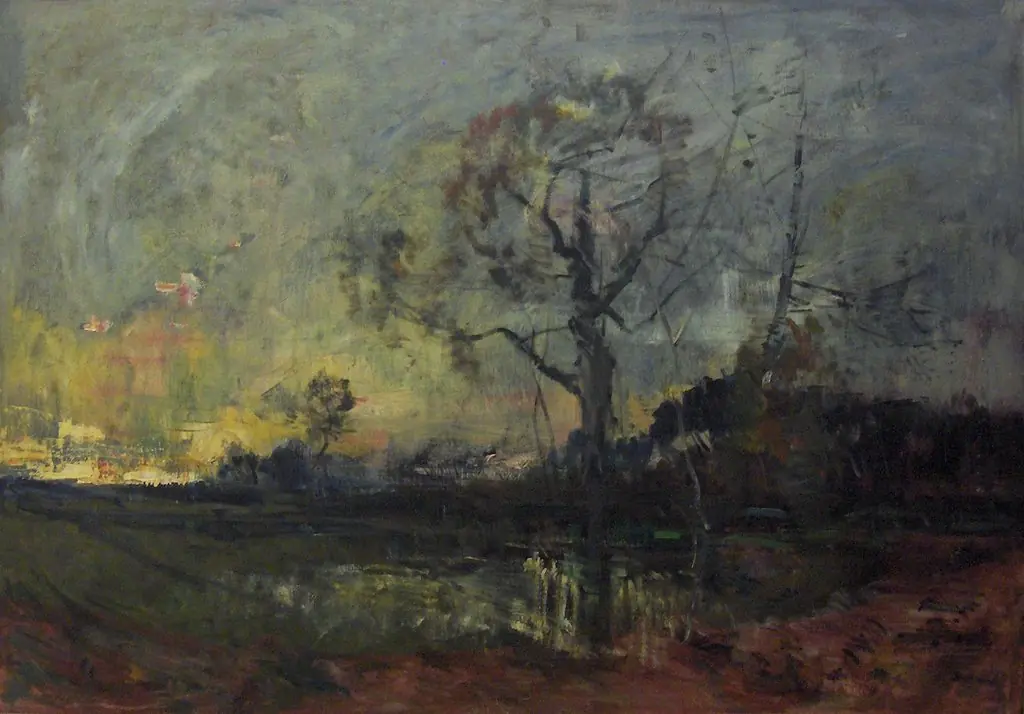
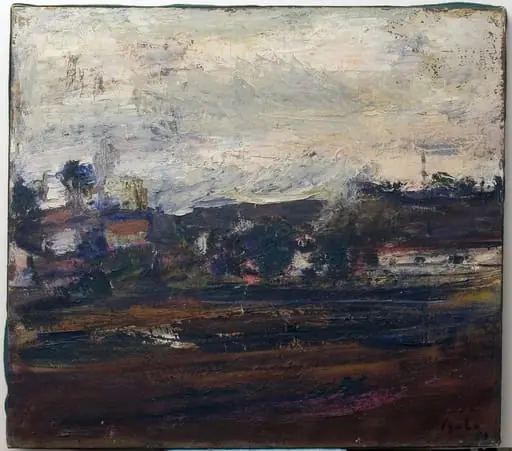
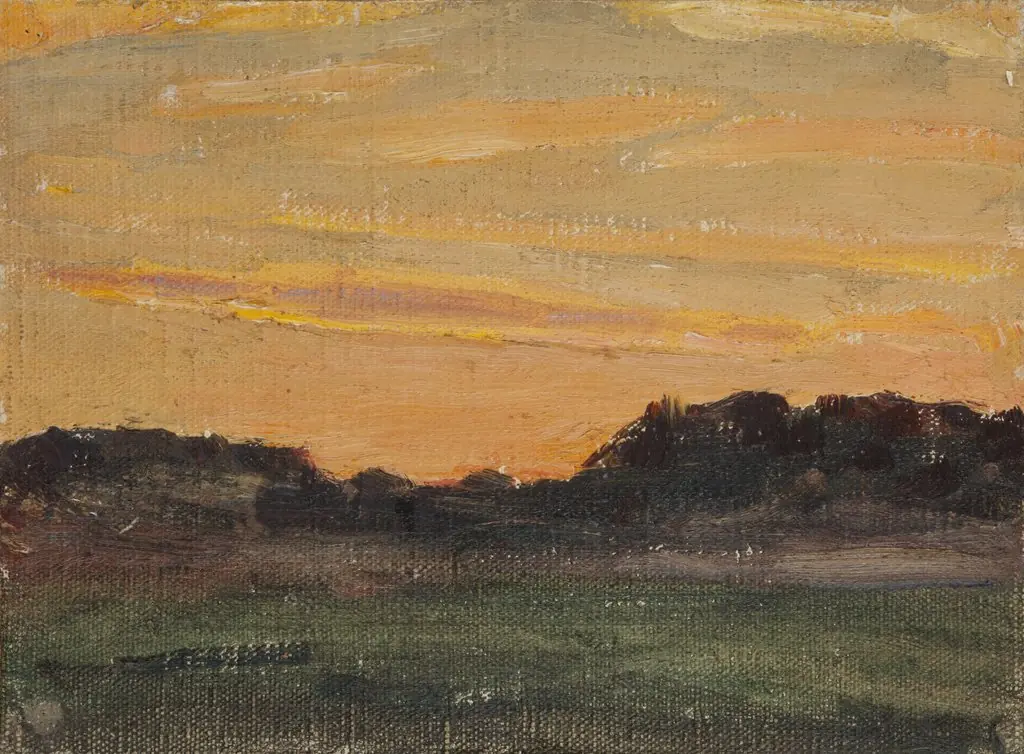
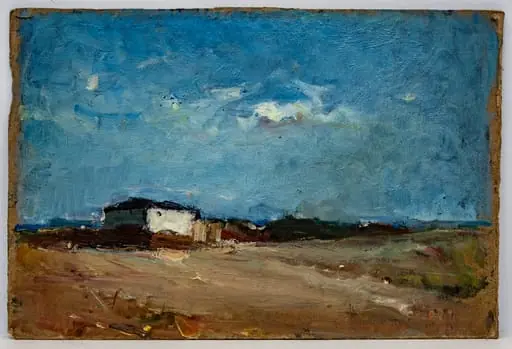
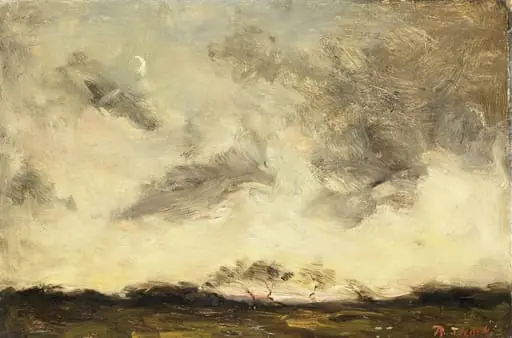
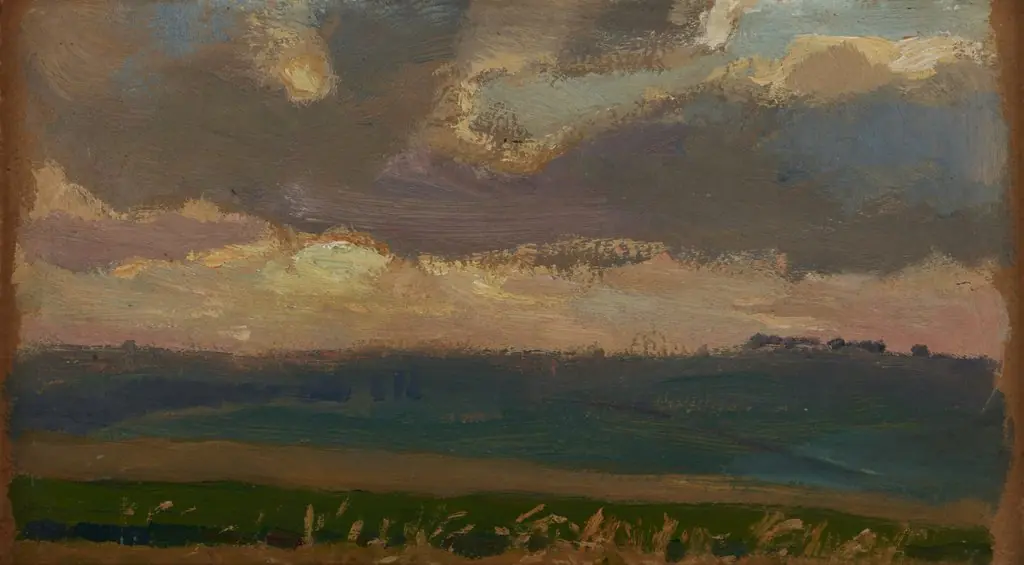
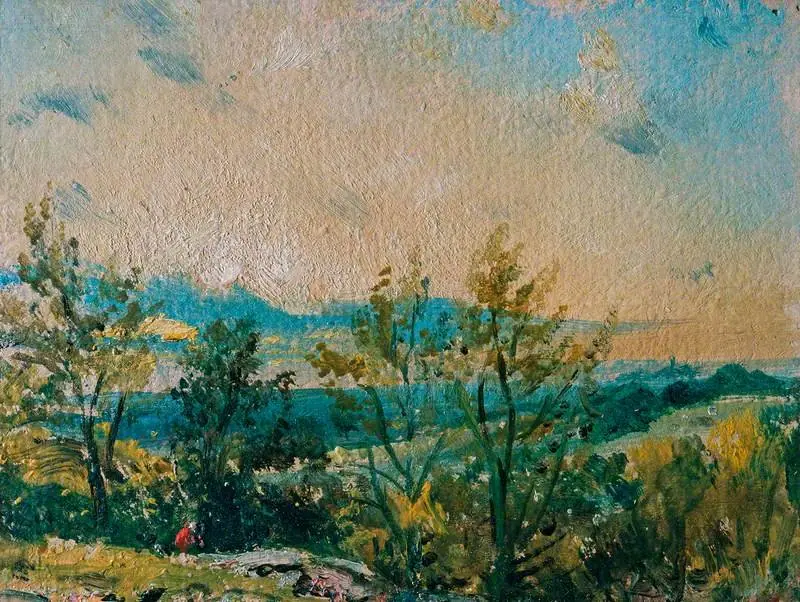
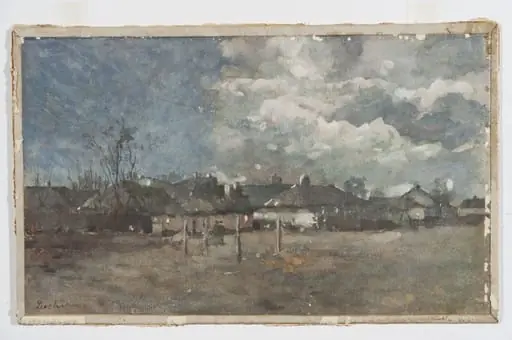
Peisaj cu căpițe de fân is a print by the Art Nouveau artist Ștefan Luchian. It dates from 1902 and is held in the collection of the Art Museum of Constanta.
About this work
Overview
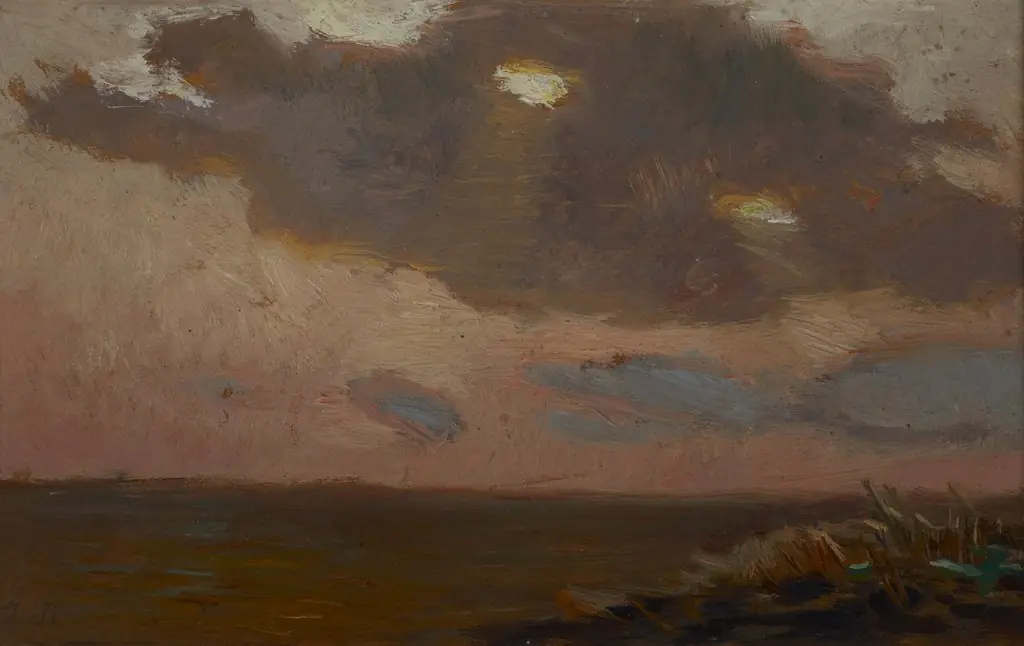
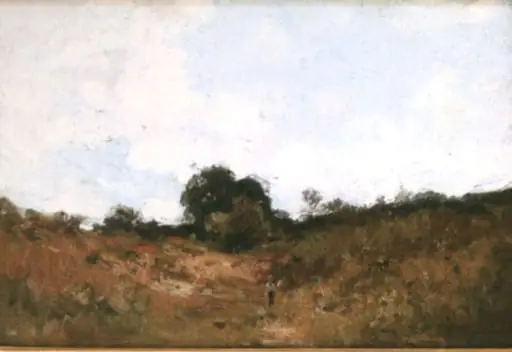
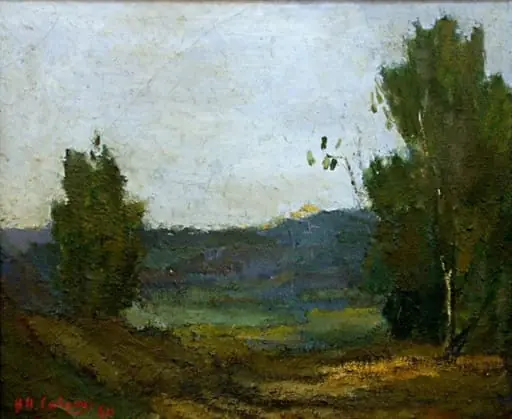
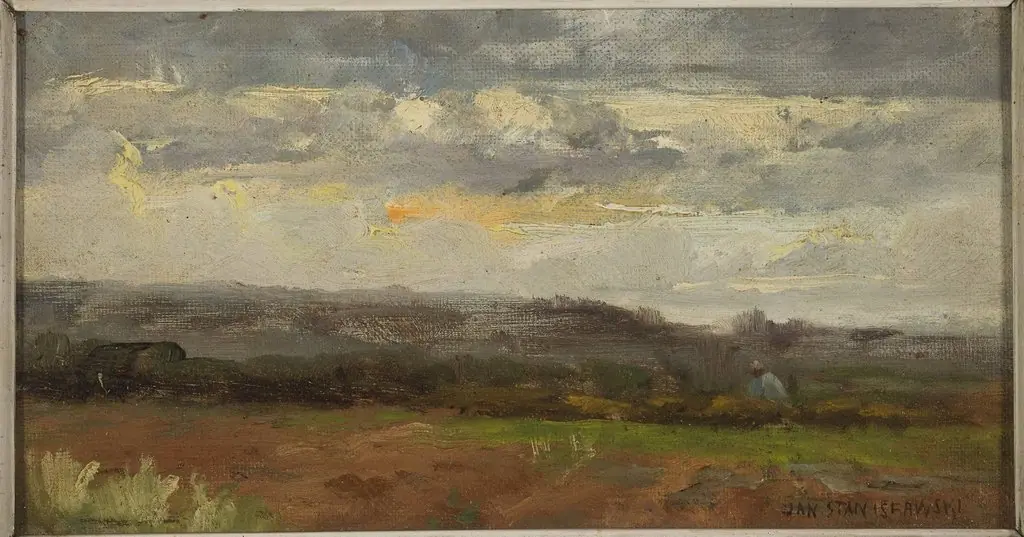
The work captures a modest field of stacked hay bales under an overcast sky, emphasizing the stillness of the countryside rather than dramatic action.
Painted around 1902 by Ștefan Luchian, Peisaj cu căpițe de fân is a quiet rural landscape rendered in oil. It resides in the collection of the Museum of Ethnography in Bucharest. The work captures a modest field of stacked hay bales under an overcast sky, emphasizing the stillness of the countryside rather than dramatic action. Its subdued palette and unembellished subject reflect Luchian’s interest in everyday Romanian rural life.
Subject & Meaning
The painting presents hay bales arranged in a field, framed by distant trees and a soft, cloud-covered sky. These elements suggest the rhythm of agricultural labor and seasonal cycles, without overt symbolism. The absence of human figures reinforces a sense of solitude and quiet endurance. The scene evokes the dignity of rural toil, rendered not as idealized nostalgia but as a matter-of-fact observation of the land.
Technique & Style
Luchian employed loose, textured brushwork and impasto to convey the rough surfaces of hay and earth. Colors are restrained—ochres, grays, and muted greens—creating harmony without contrast. The brushstrokes are deliberate yet fluid, suggesting movement in the wind and the weight of stacked hay. The sky is thinly painted, allowing the underlying canvas to subtly influence its tone, enhancing the atmospheric mood.
History & Provenance
Created during Luchian’s mature period, the painting was acquired by the Museum of Ethnography in the early 20th century. It remained within institutional collections, never entering private hands. Its preservation in an ethnographic context reflects its value as a document of rural material culture, not merely as fine art. The work’s continuity in public ownership has ensured its accessibility to scholars and the public.
Context
Luchian painted this during a time when Romanian artists were turning toward native themes, distancing themselves from academic European traditions. Peisaj cu căpițe de fân aligns with a broader movement to depict the Romanian countryside with honesty and sensitivity. It shares affinities with the work of contemporaries like Nicolae Grigorescu, who also sought to capture the essence of rural life through direct observation.
Legacy
The painting is recognized for its restrained emotional tone and technical restraint, distinguishing it from more dramatic landscapes of the era. It influenced later Romanian realists who valued subtlety over spectacle. While not widely exhibited outside Romania, it remains a touchstone in discussions of early 20th-century Romanian landscape painting for its quiet authenticity and technical nuance.
Artist & collection

Artist
Ștefan Luchian was a Romanian painter, famous for his landscapes and still life works.