Artwork
Pochades de carnaval: Vois-tu, si ton maître est bien content de toi et si tu as le prix de sagesse cette année! je te laisserai deguiser en paillasse! ...l'année prochaine!!
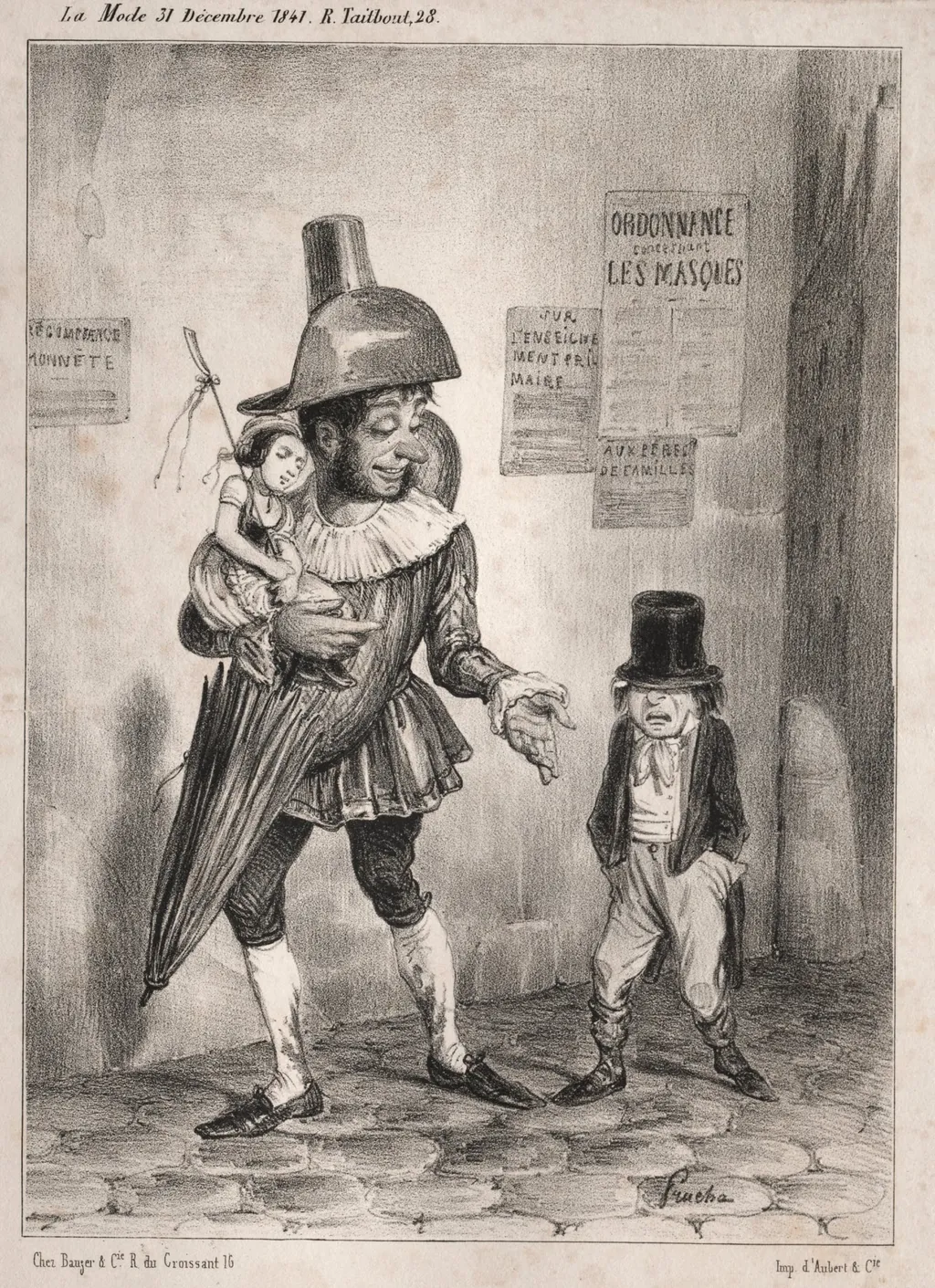
Pochades de carnaval: Vois-tu, si ton maître est bien content de toi et si tu as le prix de sagesse cette année! je te laisserai deguiser en paillasse! ...l'année prochaine!! is a print by the Romanticist artist Clémente Pruche. It dates from 1841 and is held in the collection of the Cleveland Museum of Art. Pochades de carnaval: Vois‑tu, si ton maître est bien content de toi et si tu as le prix de sagesse cette année!
About this work
Overview
Pochades de carnaval: Vois‑tu, si ton maître est bien content de toi et si tu as le prix de sagesse cette année! je te laisserai déguiser en paillasse! ...l'année prochaine!! is a print executed by the French artist Clémente Pruche in 1841. The work is part of the collection of the Cleveland Museum of Art.
Subject & Meaning
The image presents a street scene in which a man in a voluminous hat, ruffled collar and long coat cradles a small child. A second figure, wearing a top hat and coat, watches the first with an expression that suggests surprise or concern. The accompanying text, a carnival chant, hints at a playful, perhaps admonitory, exchange between a master and a subordinate.
Technique & Style
Rendered as a print, the composition relies on strong chiaroscuro, using stark contrasts of light and shadow to model the figures and give the scene a sense of depth. The careful delineation of clothing folds and the interplay of illuminated and dark areas convey both the physicality of the figures and the tension of the moment.
History & Provenance
Created in 1841, the print entered the Cleveland Museum of Art’s holdings through acquisition (specific acquisition details are not recorded in the source). Its presence in an American museum reflects the broader 19th‑century interest in French printmaking.
Context
Carnival prints were popular in mid‑19th‑century France, often combining humor, social commentary, and vivid visual storytelling. Pruche’s work aligns with this tradition, using a festive chant to frame a scene that juxtaposes public celebration with private interaction.
Artist & collection

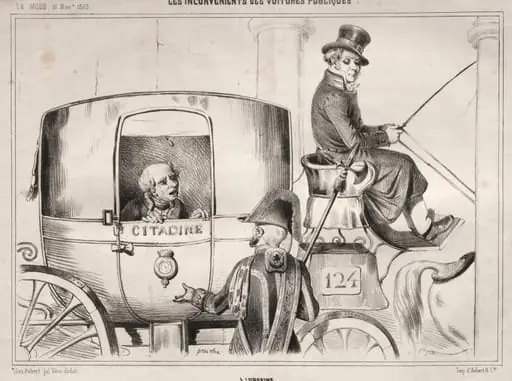 Actualités: Les Inconvénients des voitures publique: L'Urbaine
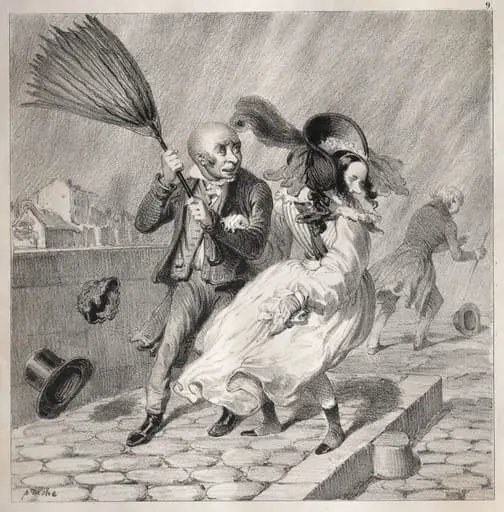 Bambochades: Vois-tu que mon baromêtre est au beau!...c'est un riche temps pour les biens de la terre!!!
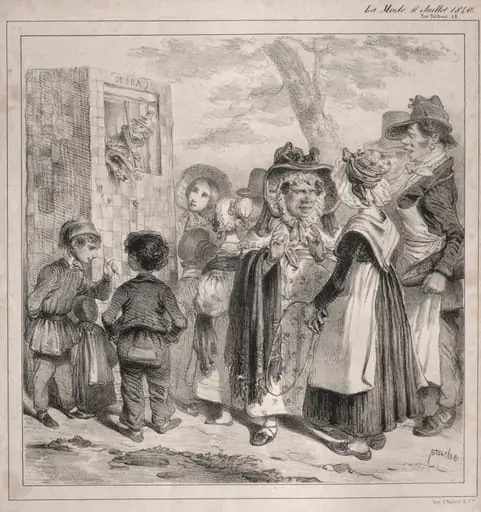 Voyez-vous ma Chère! c'est la police qui fait jouer ces polichinels là, pour détourner l'attention...
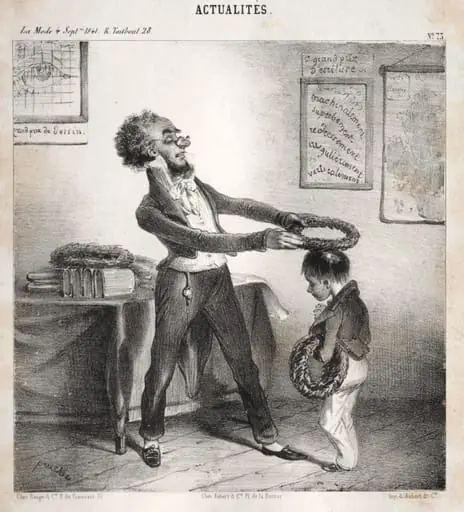 Actualités: Les distributions de Prix
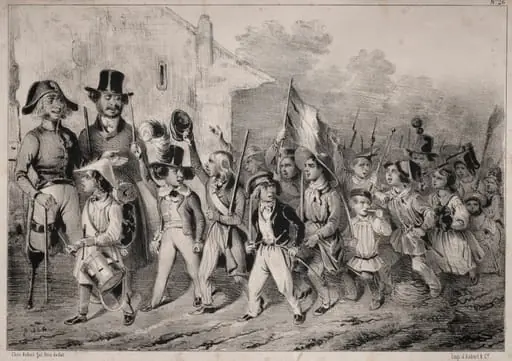 Actualités: Bon! Les moutards en veulent sussi! quand on parle de guerre! comme toute ca prend feu! ... On voit que c'est de la plante indigène!... ca promet!!
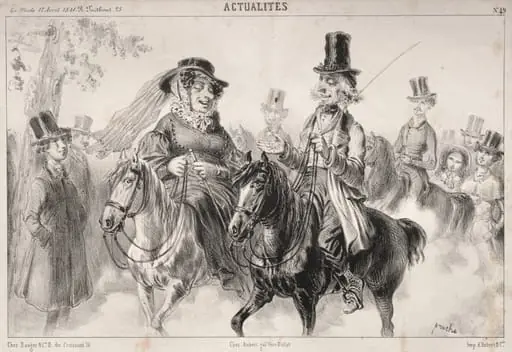 Actualités: Dis donc Madame Miroton il paraitrait que c'est nous qui donnons le ton à Longchamps cette année....
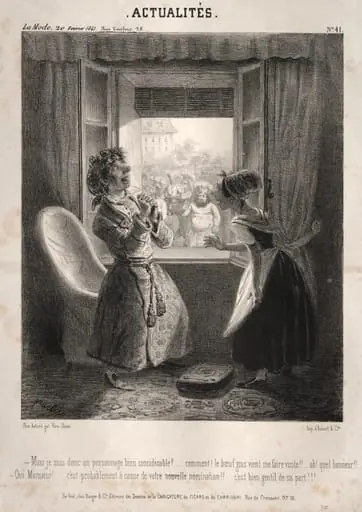 Actualités: ---Mais je suis donc un personnage bien considerable?
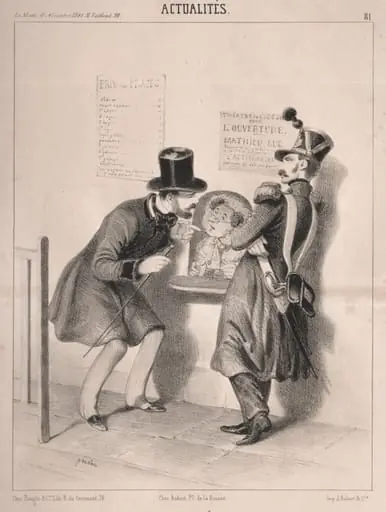 Actualités: L'Ouverture du second théatre français. Mr. tout est plein vous ne trouveriez pas même un place au paradis! si vous voulez revenir dans un quinzaine, peut-être que nous en aurons!
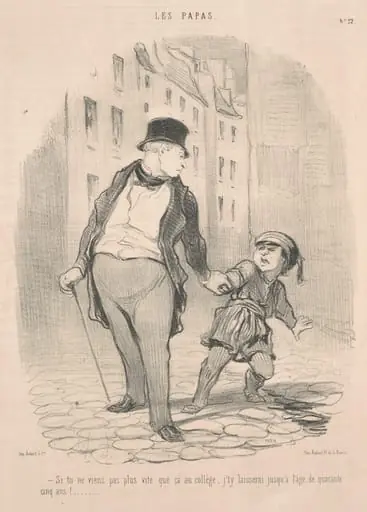 Si tu ne viens pas plus que ça au collège ...
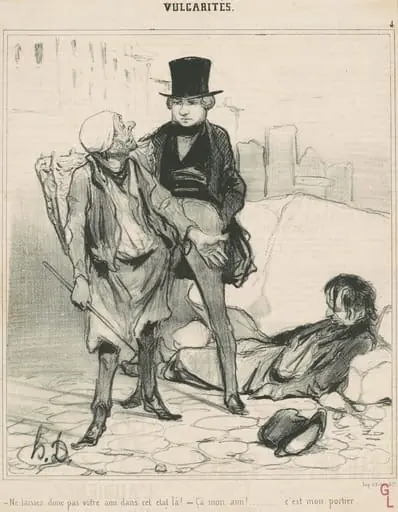 Ne laissez donc pas votre ami dans cet état la!
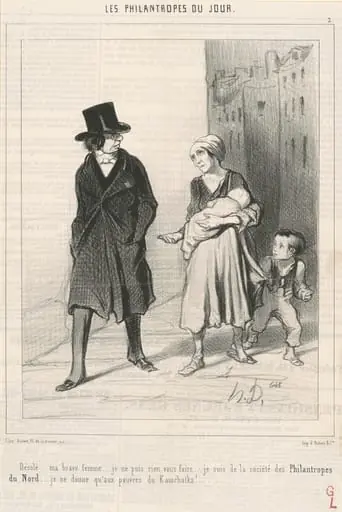 Désolé ... Je suis de la société des philantropes du nord ...
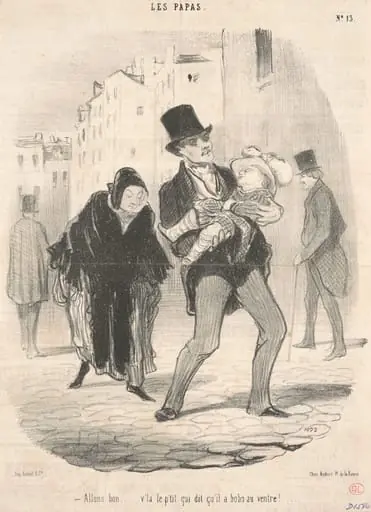 Allons bon ... v'la p'tit qui dit ...
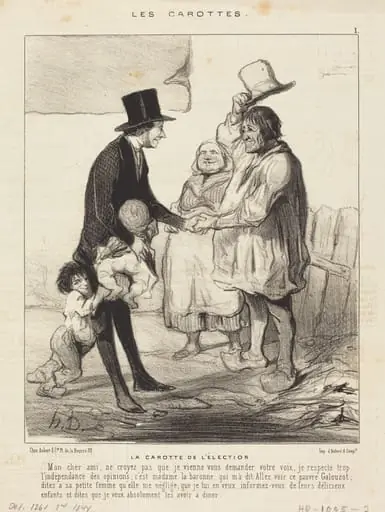 La Carotte de l'élection
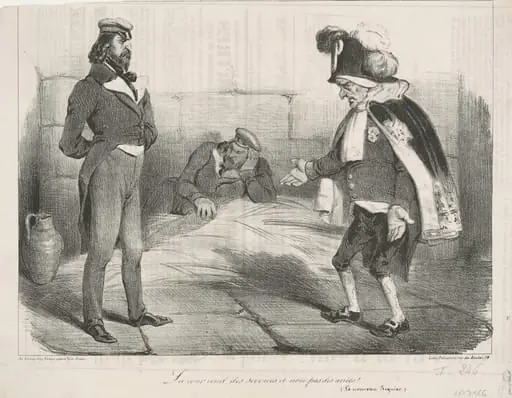 La cour rend des services et non pas des arrêts!
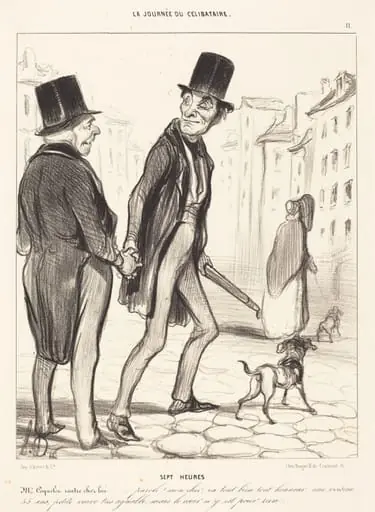 Sept heures
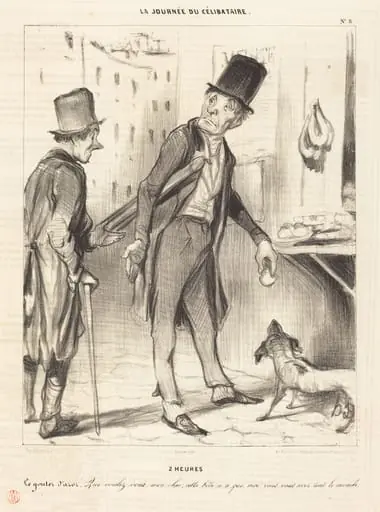 2 heures - Le gouter d'Azor
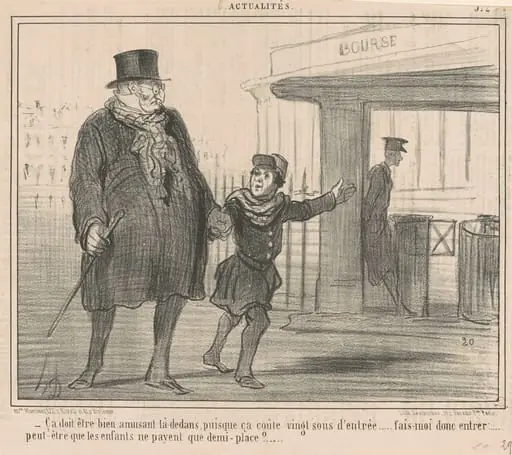 Ca doit être bien amusant la-dedans ...